Vehicular Biohazard Cleanup: Education
The science behind vehicular biohazard cleanup in plain words: how disinfectants, tests and equipment work, and where their limits are.
Education posts explain why a cabin acts differently from a room when blood, body fluids, or decay are involved. They cover how open-cell foam soaks up liquid like a sponge. They explain why seat belt fabric pulls germs back into its housing, and how a closed car traps heat and tiny airborne droplets. They also explain the difference between cleaning away dirt and disinfecting what is left. Other posts look at equipment and technology claims. One test tool is a quick swab test that shows leftover organic residue (it does not detect germs). Posts also cover where enzyme products may or may not fit vehicle work. You will learn how tiny droplets settle into the fabric ceiling and vent slats. And you will learn why a car that sat closed for days is a different problem than one opened the same afternoon.
Get an email reply about vehicular biohazard cleanup
Send a short message to the follow-up inbox. A coordinator can reply by email. This form does not send emergency help; call 911 first if anyone is in danger.
This background matters because many owners assume a thorough detail job means a safe inside. Once you know how vehicle materials soak up and release germs, you can judge whether a plan covers the hidden layers or just the surfaces you see. That knowledge also helps you read a quote and see why some parts are priced as replacements. It also keeps you from paying for gadgets that sound impressive but do not change any choice about your seats, carpet, or air system. When a company explains its reasons, you will be able to tell whether they match how vehicle materials really act under heat and pressure.
The Science Behind Vehicular Biohazard Cleanup
A car cabin traps heat, hides fluid in foam and seams, and sends the same air around again. Learn the science behind how a crew cleans your car after a biohazard event.
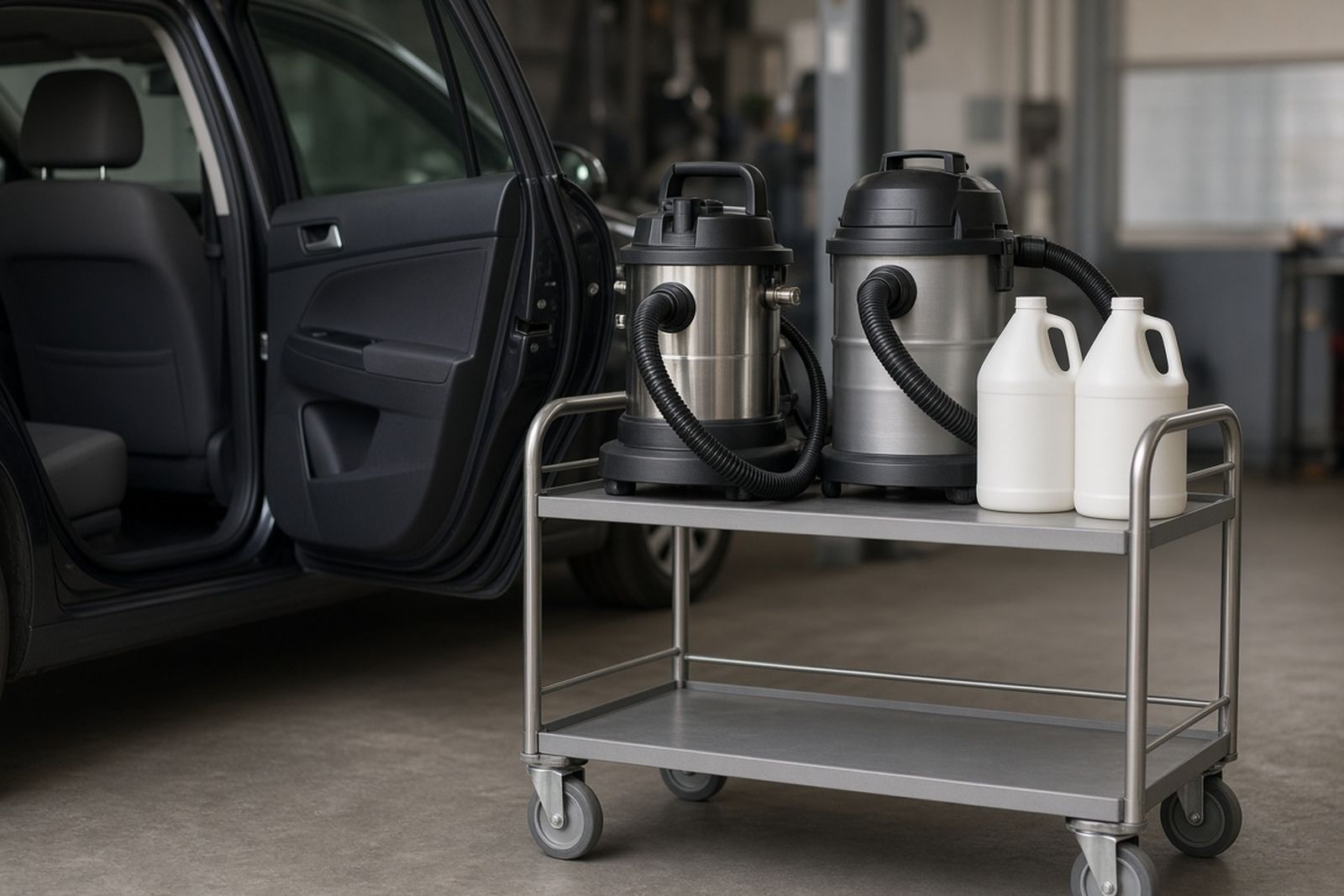
The way your car is built shapes the cleanup. Foam and carpet soak up fluid. Seams are tight. The metal floor collects liquid, and the air system sends cabin air around again. Germs in blood can survive on surfaces for days or weeks. So technicians remove soaked soft parts and clean before they disinfect. They keep the disinfectant wet for the time on its label, and they treat the air system before you get the car back.
How to Evaluate Equipment Proposed for Vehicular Biohazard Cleanup
Trim tools, wet vacuums, swab meters, foggers and ozone units all show up in vehicle cleanup quotes. Learn how to judge whether each tool suits your car or truck.
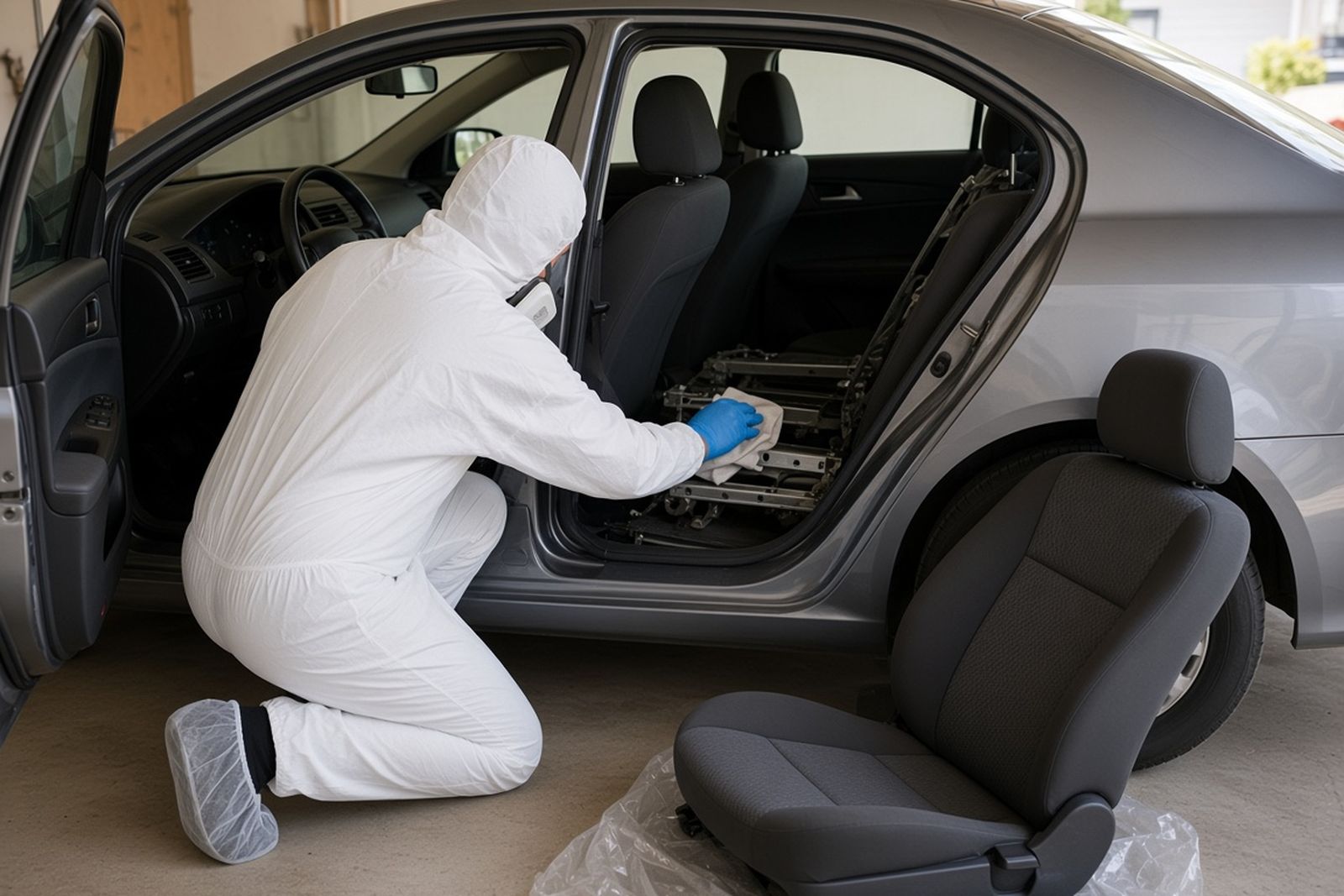
Judge the equipment in a quote by one test. Does it help find, remove, clean, disinfect and check the mess without harming your vehicle? Expect protective gear, tools for removing trim and seats, extractors, and registered disinfectants that are safe for car materials. Expect waste packaging and checking tools such as bright lights and swab meters. Foggers and ozone units belong at the end, not in place of hands-on work.
The Difference Between Cleaning and Disinfection in Vehicular Biohazard Cleanup
Your car can look spotless and still carry germs. Learn how cleaning, disinfecting and removing parts differ in a vehicle cleanup, and why the order matters.
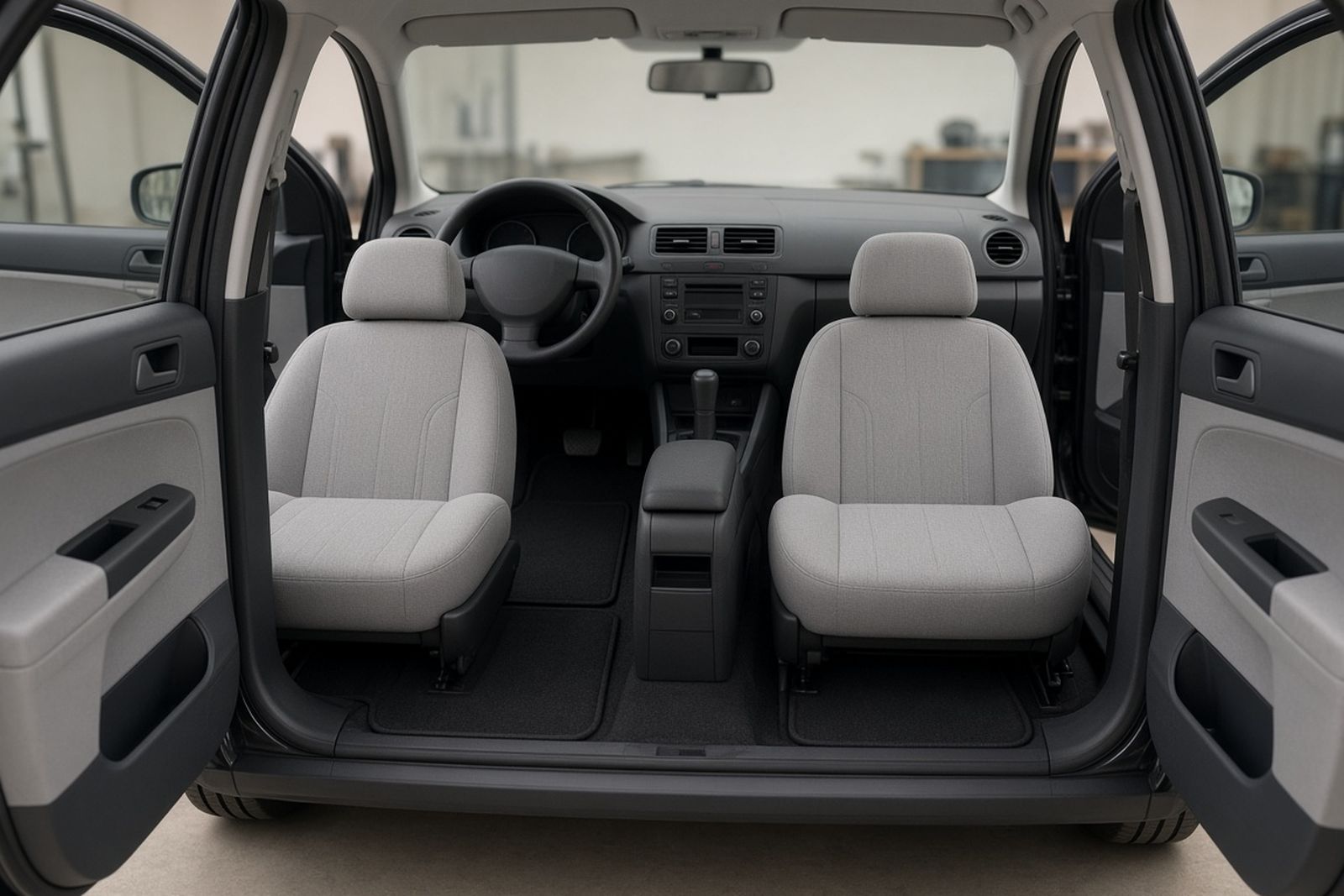
Cleaning removes the blood, body fluids and residue you can see. Disinfecting comes next. It uses a registered product, left wet for the time on its label, to kill germs on the cleaned surface. Soft parts such as seat foam and carpet padding often cannot be disinfected all the way through, so they are removed. A proper job does all three in the right order and gives you a record of each step.
When ATP Testing Helps—and When It Does Not—in Vehicular Biohazard Cleanup
A quick swab test can show whether residue was cleaned off your car's hard trim and seat tracks. It cannot show what soaked into the foam. Learn how to read the results.
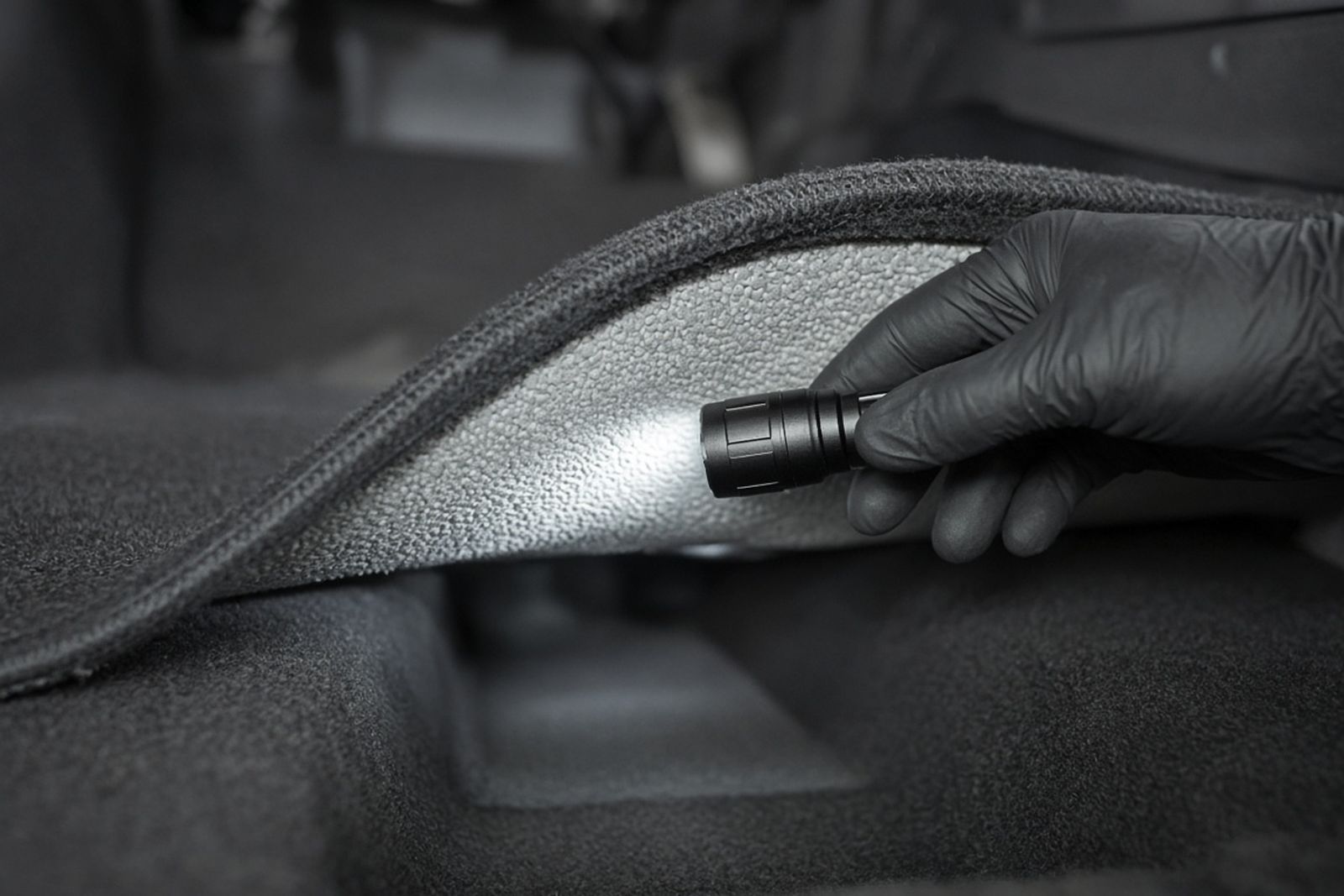
In a vehicle cleanup, a technician swabs hard surfaces such as the dashboard, door panels, seat belt buckles and seat rails. A meter then shows how much organic residue is left after cleaning. The test is useful for comparing before and after, and for spotting missed areas. It cannot see inside seat foam, carpet padding or vents. It does not detect germs. It should never replace the removal of soaked parts.
How to Evaluate Technology Used in Vehicular Biohazard Cleanup
Foggers, UV lights, steam and cabin ozone all get pitched for car cleanups. Learn how to judge each one by what it reaches, what it leaves behind and its limits.
Judge any cleanup machine by four things. Does it reach where the fluid really sits? Is it used after hands-on cleaning and not in place of it? What does it do to your car's materials and electronics? How is the result checked? Wet vacuums, inspection tools and registered disinfectants do most of the work. Foggers, UV devices, steam and ozone can help as follow-up steps when the company explains why they fit.
When Enzymes or Microbial Products Fit Vehicular Biohazard Cleanup
Enzyme and bacterial cleaners can help with vomit, urine and blood residue in your car. But they do not disinfect, and they cannot save a soaked seat.
Enzyme and bacterial cleaners can help your car cleanup. They break down leftover residue from vomit, urine, feces and blood in fabric, seams and carpet, once the bulk of it is gone. They need contact, moisture and time, and they do not kill germs. On a biohazard job they come after soaked parts are removed and a registered disinfectant is used. They work best as a finishing step for residue and odor.
Facts worth knowing
In one ambulance study, crews cleaned in different ways and did not follow one consistent method.
Why it matters: If you run a fleet, a written step-by-step checklist may help every crew clean your vehicles the same way.
In one study of ambulances in Qom, Iran, the contamination rate dropped from 52% before disinfection to 8% after, using one named disinfectant.
Why it matters: Proper disinfection can cut contamination sharply but may not remove it all, so ask how your results are checked.
In five South Korean ambulances, some bacteria were still found on an oxygen sensor and a stretcher handle after disinfection.
Why it matters: Small or oddly shaped items can be missed, so ask that your team give sensors and handles extra care.
Education: common questions
Why is seat foam harder to clean than a household couch cushion?
Car seat foam is molded around frames, heaters, sensors, and wiring. So it cannot just be unzipped and washed. It is also exposed to cabin heat that pushes fluids deeper. Disinfectant cannot reliably reach the inside of soaked foam. So companies often cut out the affected sections or replace the whole cushion.
Can an ozone machine alone fix a vehicle that smells after an incident?
No. Ozone and similar machines can reduce leftover odor after the source is removed. But they do not remove soaked foam, carpet padding, or residue on the metal floor. Using them first can hide a problem that comes back in warm weather. These machines also require the cabin to be empty of people and pets, and aired out well afterward, as the equipment and product directions say.
What is the difference between cleaning and disinfecting inside a car?
Cleaning physically removes dirt, residue, and body matter from a surface. Disinfecting uses a registered product that kills certain germs. But it only works if the surface is clean first and stays wet for as long as the label says. In a cabin, textured plastics, vents, and seams make both steps slower than they look. That is why a quick wipe rarely finishes the job.
Why do vehicle interiors seem to hold odor longer than rooms in a house?
A cabin is small and packed with materials that soak things up. So odor chemicals build up and settle into the fabric ceiling, seat backs, and carpet. Sun on the glass heats the cabin and pushes more of those chemicals into the air each day. Closed windows keep them in. The air system can pull odor into the ducts too. That mix is why vehicles often need source removal plus air system treatment.
Does leather protect the seat underneath better than cloth?
Smooth, sealed leather slows fluid more than cloth, but it is not a barrier. Seams, stitching holes, and perforations for ventilated or heated seats let fluid pass into the foam. Leather that looks clean can hide a saturated cushion. Companies often open the cover or inspect from underneath before deciding whether a leather seat can stay.
Why do companies treat every fluid as if it could carry disease?
You cannot tell by looking which fluids carry germs. Some germs also stay alive on surfaces for a long time. Treating all blood and body fluids with the same care keeps workers and owners safe without guessing. The same idea applies whether the fluid came from a stranger or a family member. It is a safety habit, not a judgment about anyone.
How can I learn the basics without reading every single article?
Focus on three ideas. First, cleaning removes soil and disinfection kills germs on the cleaned surface, and they are separate steps. Second, porous materials that absorbed fluid, such as foam and padding, are often replaced rather than cleaned. Third, verification in warm, closed conditions reveals missed residue. With those in mind, most scopes and quotes become easier to understand.
Related community polls
Vote to see how other people answered. You can change your answer at any time.
If a passenger became ill in your car, what would you most likely do first?
Would you keep driving a vehicle where blood reached the seat foam if it looked clean afterward?
More on vehicular biohazard cleanup
Vehicular Biohazard Cleanup services
Learn what cleanup of a car, van, RV, or boat involves after blood, illness, or death. It covers checking foam and belts, the air system, and waste.
Costs explained
What drives the price, published cost ranges, and how to read a written quote line by line.
Insurance and payment
Which policies may respond, how to document a claim, and what to do if coverage is denied.
Planning tools
Estimate the job for your vehicle, check a company, organize an auto claim, and plan the first day. Sort removed materials and see whether you should touch the cabin.
Community polls
See how other owners, rideshare drivers, and fleet managers handled soiled vehicles. Views range from first reactions to total-loss offers and what to tell buyers.
Knowledge quiz
Test what you know about soaked foam, seat belts and airbags, the car's air paths, regulated waste, and when an insurer may total the vehicle.