Crime Scene Cleanup: Regulations
The safety, waste and local rules that can apply to crime scene cleanup, and which office to ask where you live.
The rules group covers the laws that shape how crime scene cleanup is done and how its waste leaves your property. Articles explain the workplace blood safety rules that apply to workers. They cover the hauler and disposal permits for regulated medical waste. They explain how some states register or license trauma cleanup workers while others do not. You will also find posts on building permits for tearing out materials. And you will learn who has the power to release a scene back to you.
Get an email reply about crime scene cleanup
Send a short message to the follow-up inbox. A coordinator can reply by email. This form does not send emergency help; call 911 first if anyone is in danger.
Knowing the rules helps you ask better questions. You do not need to memorize laws. Rules differ from state to state and sometimes from county to county. So these posts focus on which office to call and what to ask for. They do not list limits that may not apply where you live. This approach protects you from a company that claims a rule exists when it does not. It also protects you from one that ignores a rule that really does apply.
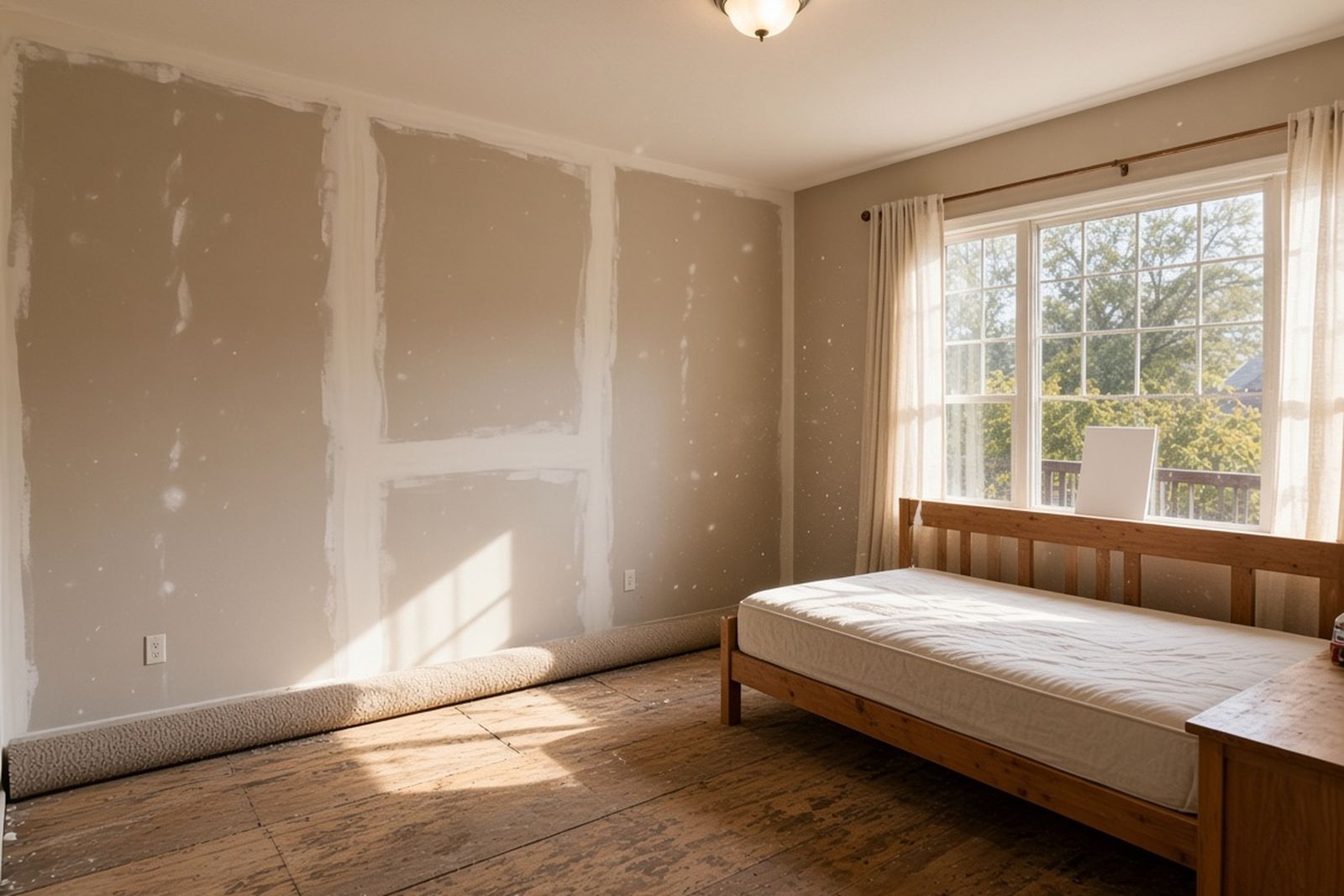
OSHA Regulations and Crime Scene Cleanup
Which OSHA rules shape crime scene cleanup, and who has to follow them. Learn how you can check that a crew's training, protective gear and records meet federal rules.
OSHA rules apply to employers, not to you as a property owner. For crime scene cleanup, the key federal rule is the Bloodborne Pathogens Standard. It requires a written exposure control plan, training, an offer of hepatitis B vaccine, protective gear and records. Rules on breathing protection, general protective gear and chemical hazards also apply. You can ask a company to show how it meets each one before work begins.
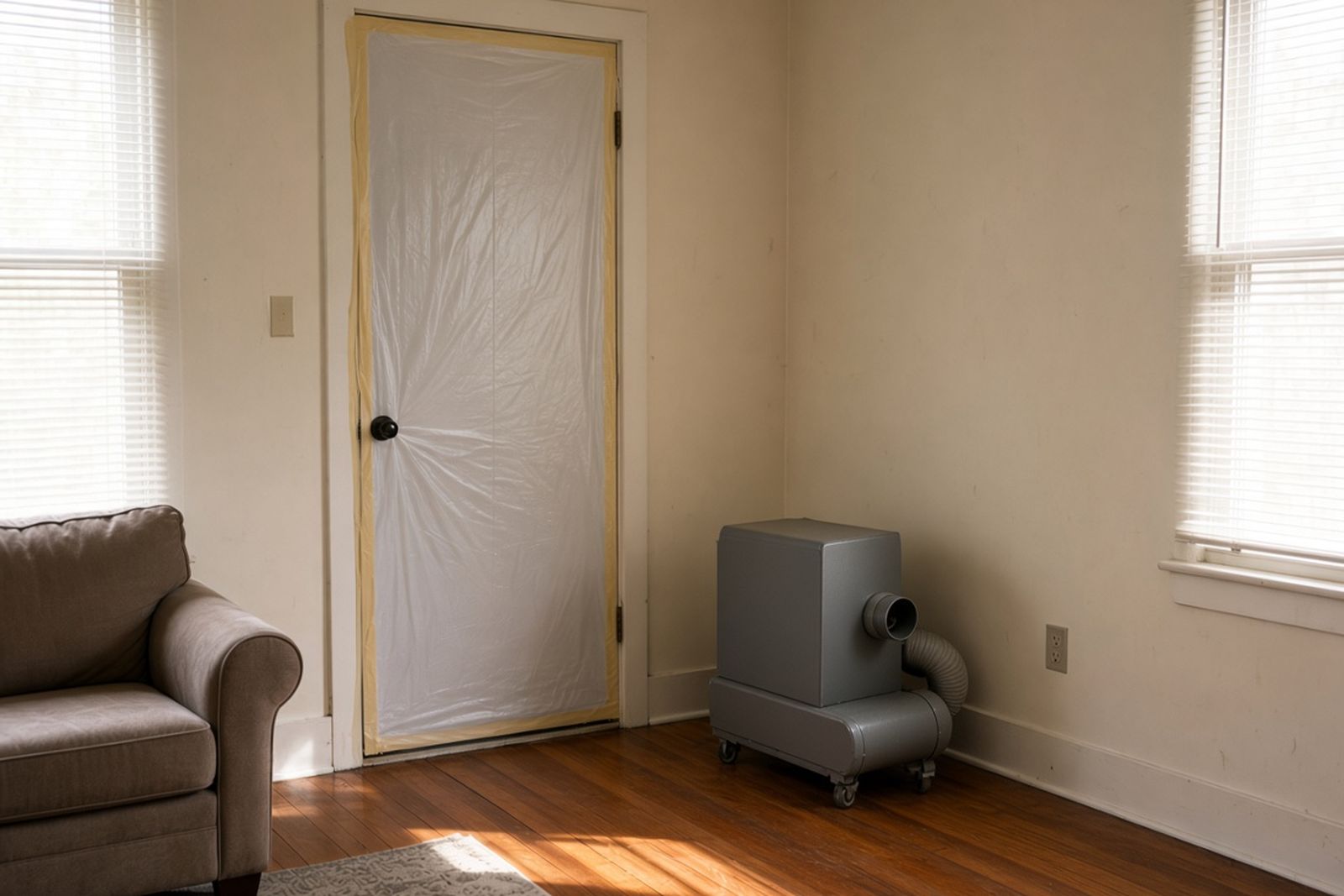
Which Federal, State, and Local Rules Apply to Crime Scene Cleanup?
A plain map of the federal, state and local rules behind crime scene cleanup, from OSHA and DOT to state waste programs, and how to check what applies to you.
Crime scene cleanup rules come in layers. Federal OSHA or a state plan protects workers. Federal DOT rules cover how regulated medical waste is packed and hauled. States mostly control how that waste is treated and disposed of, and any business registration. Counties or cities may add health, permit or building rules. The answer depends on your address, so check with local agencies and ask companies what applies.
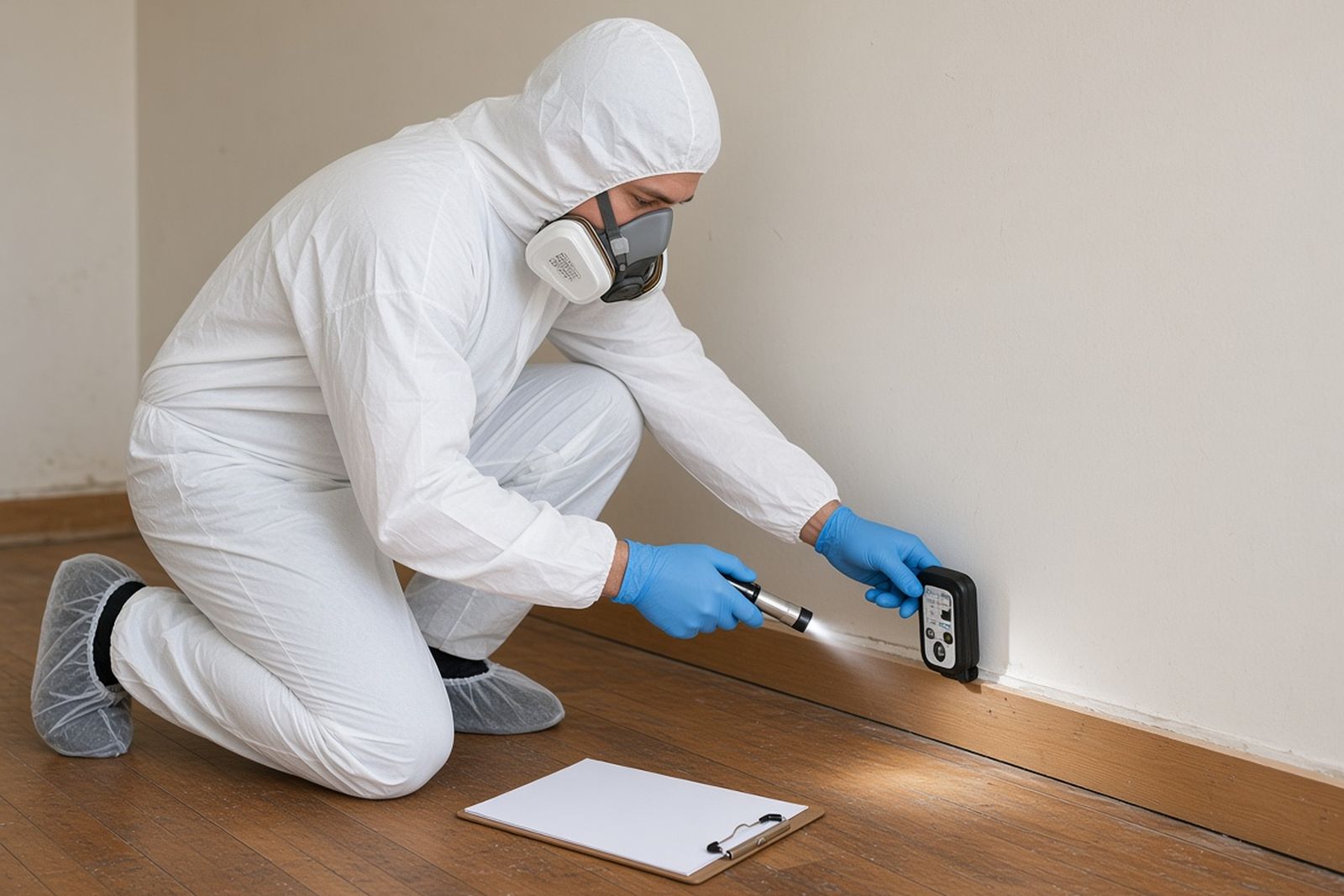
How to Research Waste Rules for Crime Scene Cleanup
A step-by-step way to look up the waste rules behind crime scene cleanup. Learn which agencies to check, which records to ask for and what to ask cleanup companies.
Start by sorting what the job will produce: regulated waste, sharp objects, chemical waste and ordinary debris. Then find the state agency that oversees medical waste, since EPA's federal program ended in 1991. Check whether haulers must register, what packing and tracking records apply, and what your local landfill accepts. Last, ask each company to show how its disposal meets those rules.
Facts worth knowing
EPA recommends keeping indoor humidity below 60 percent, ideally between 30 and 50 percent, to limit mold growth.
Why it matters: An inexpensive humidity meter lets you check whether your home has dried enough after a cleanup or leak.
US employers must offer the hepatitis B vaccine within 10 working days of giving a worker a job with exposure to blood.
Why it matters: If your own staff will clean up blood, this duty may apply to you; ask a cleanup company whether its crews were offered the vaccine.
OSHA's hazardous waste rule requires site workers to take 40 hours of training, three supervised days in the field, and 8 hours of refresher training each year.
Why it matters: For chemical jobs such as meth lab cleanup, you can ask whether the crew holds this training and a current yearly refresher.
Regulations: common questions
Is crime scene cleanup licensed in every state?
There is no single national license for this work. Some states have registration or license programs for trauma cleanup workers. Others oversee it less directly through medical waste, contractor, or environmental rules. Ask your state health department or environmental agency how the work is overseen where you live. Ask the company which of those rules it meets and how you can confirm that yourself.
Who is responsible for disposing of blood-contaminated materials legally?
The cleanup company usually packs the materials. Then a permitted medical waste hauler takes them to a treatment site. The paperwork that follows that chain is the waste shipping record. Ask to see it, or at least get the hauler's name. Then you can confirm the waste went where it was supposed to, not into a dumpster behind a store.
Do I need a building permit if the crew removes drywall or flooring?
Sometimes. Removing damaged material to reach contamination may not need a permit in one town but may in another. That is more likely if framing, wiring, or plumbing is exposed. Rebuilding raises permit questions more often than removal does. Call your local building or code enforcement office. Describe the planned work, and ask if a permit or inspection applies.
Does the property owner have legal duties after a crime scene is released?
Owners may have responsibilities under local health codes, lease agreements, building codes and rules about disposing of waste. These vary by place. Landlords may also have duties to keep rental units safe and habitable. If you are unsure what applies, call your local health department or housing office and ask what they expect after a biohazard incident.
Can a homeowners association set rules about cleanup at my property?
An association may have rules about contractors, parking, work hours, or waste bins on shared property. It usually cannot control what happens inside your home beyond those general rules, but check your association papers. Let the association know a contractor will be working. This matters most if shared areas like hallways or elevators will be used, so they can plan with you.
Do rules differ if the cleanup involves a vehicle rather than a building?
Some do. Waste rules still apply to blood-soaked materials. But vehicles raise extra questions. Where can the work happen? Who tows it? What about insurance salvage and title issues if the car is declared a total loss? Ask your insurer before any parts are removed. A company with vehicle experience should know how to handle these steps in your area.
Are there rules about what a company can say publicly about my job?
Privacy mostly depends on your agreement and general business ethics, not on one specific rule. Ask the company if it uses job photos in its ads. Ask if it needs your permission first, and how it protects your identity and address. Put your wishes in writing. A good company will respect a request for full privacy.
Related community polls
Vote to see how other people answered. You can change your answer at any time.
What was the hardest thing to figure out in the first day after the scene was released?
Which type of incident brought you to this topic?
More on crime scene cleanup
Crime Scene Cleanup services
See what crime scene cleanup covers, from blood and police residue to tear gas and cars, and what the work does not include.
Costs explained
What drives the price, published cost ranges, and how to read a written quote line by line.
Insurance and payment
Which policies may respond, how to document a claim, and what to do if coverage is denied.
Planning tools
Planners, checklists, and guides you can click through for the days after police release a crime scene, each built for this situation.
Community polls
See what other readers think about the choices people face after a crime at their property, from picking a company to what surprised them most.
Knowledge quiz
Test what you know about scene release, sealing off the area, disinfecting, waste, and checking the work, with a short quiz and a plain study guide.
Field guides
Longer step-by-step guides on confirming scene release, working with insurers, reading a cleanup job plan, and keeping people safe while work is underway.
City guides
Find local facts and reach companies by area, with reminders that license and disposal rules vary by state and county.