My older house sits over a crawl space. Why does that matter?
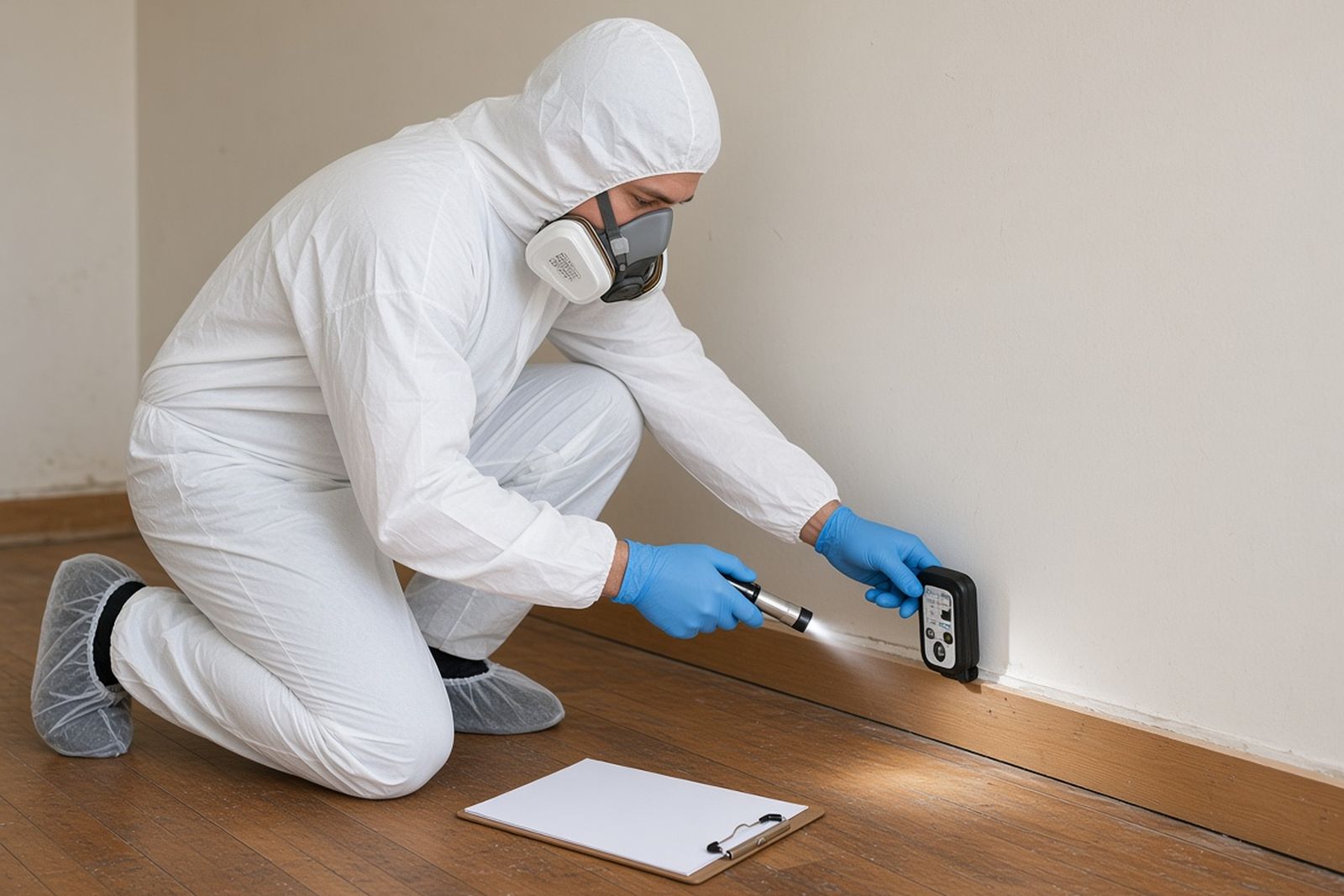
It matters because fluid can reach places a living-room photo will miss. Many older Piedmont homes sit over vented crawl spaces instead of full basements. Fluid at porch doors, first-floor closets or outside thresholds can reach hatches, soil covers and the beams along the edge. Police sometimes go into crawl spaces too. Ask whether anyone opened a hatch, and photograph the ground around the house on a clay lot. A rinsed porch board does not prove the edge is clean. Checking early keeps odor from rising through floor gaps later.
Our building is next to the BeltLine. How do we keep haul-out private?
Ask for sealed carts no one can see into and short loading windows when sidewalk traffic slows. Walking paths and courtyard views make graphic materials easy to see. The lobby package room should not be a holding spot. Elevators should be padded, or stairs covered, before the first bag leaves your unit. Notices to residents should list only hours and closed floors. Laundry rooms and amenity decks stay off the dirty path. Have the hallway covers photographed for the management file.
Why do mixed floors from past remodels cause trouble?
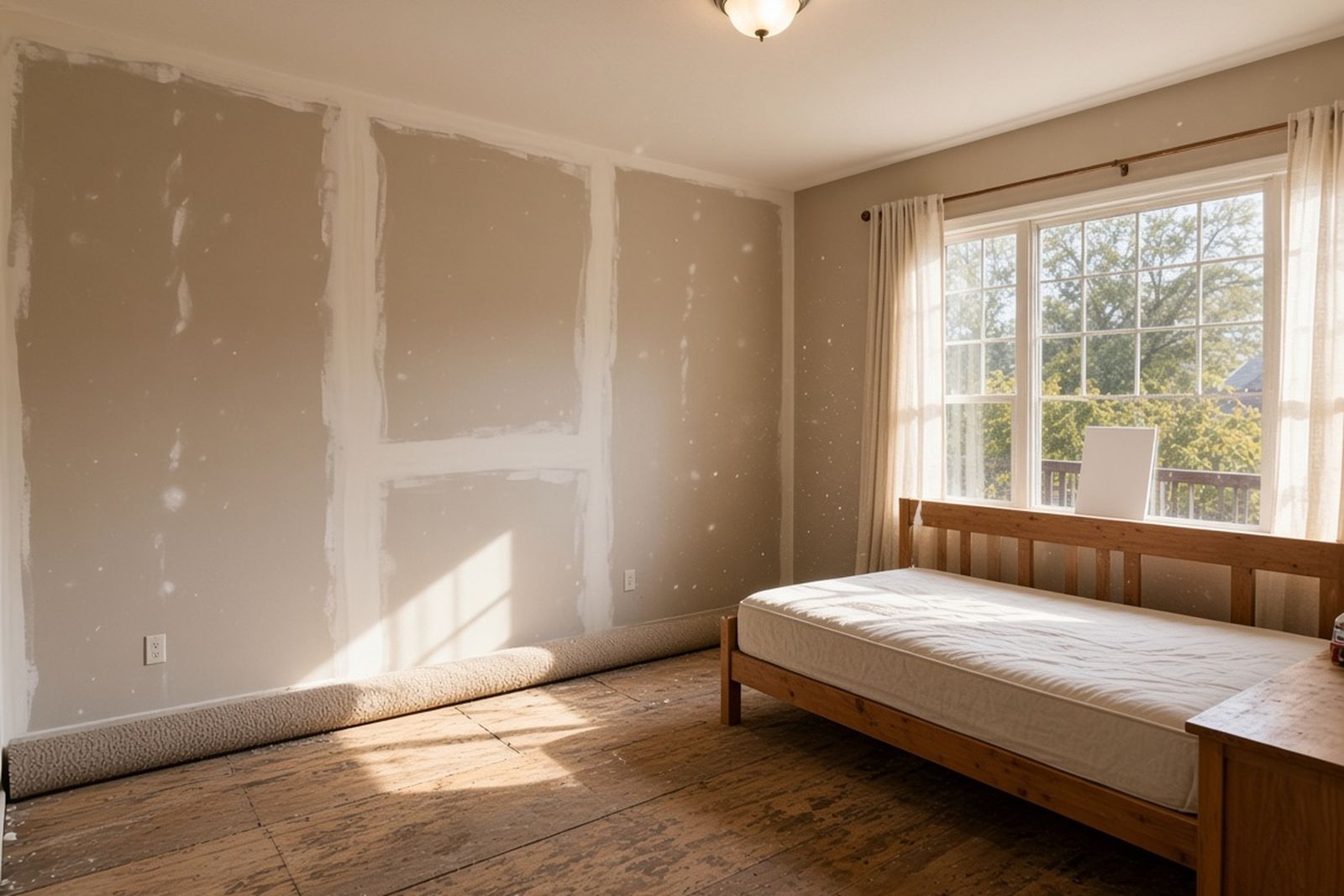
Because blood travels along seams. Upgrades done in stages leave carpet, laminate, hardwood and tile meeting inside one Atlanta unit. Soaked carpet and pad usually come out. Some sealed hard surfaces may stay if soil can be removed and the label wet time is met. Engineered floors can soak up fluid at the edges while the middle looks fine. Ask for a photo of each spot where a choice was made. Then your adjuster can see why one room needed tear-out and the bath next door did not.
How do HOA rules in north-metro subdivisions affect the crew's setup?
Gatehouses, cul-de-sac parking limits and quiet hours can decide when sealed bins and equipment may stay on site. Write down who issues gate passes, where trucks may stop and when codes expire. Ask that equipment stay out of view of shared lawns and playgrounds. On the community app, post parking and timing notes and nothing graphic. For insurance, keep damage inside your home apart from any steps taken in shared areas. Clear access notes reduce clashes with neighbors and show that materials moved along controlled driveways.
Humidity delayed our drying. What should the claim file show?
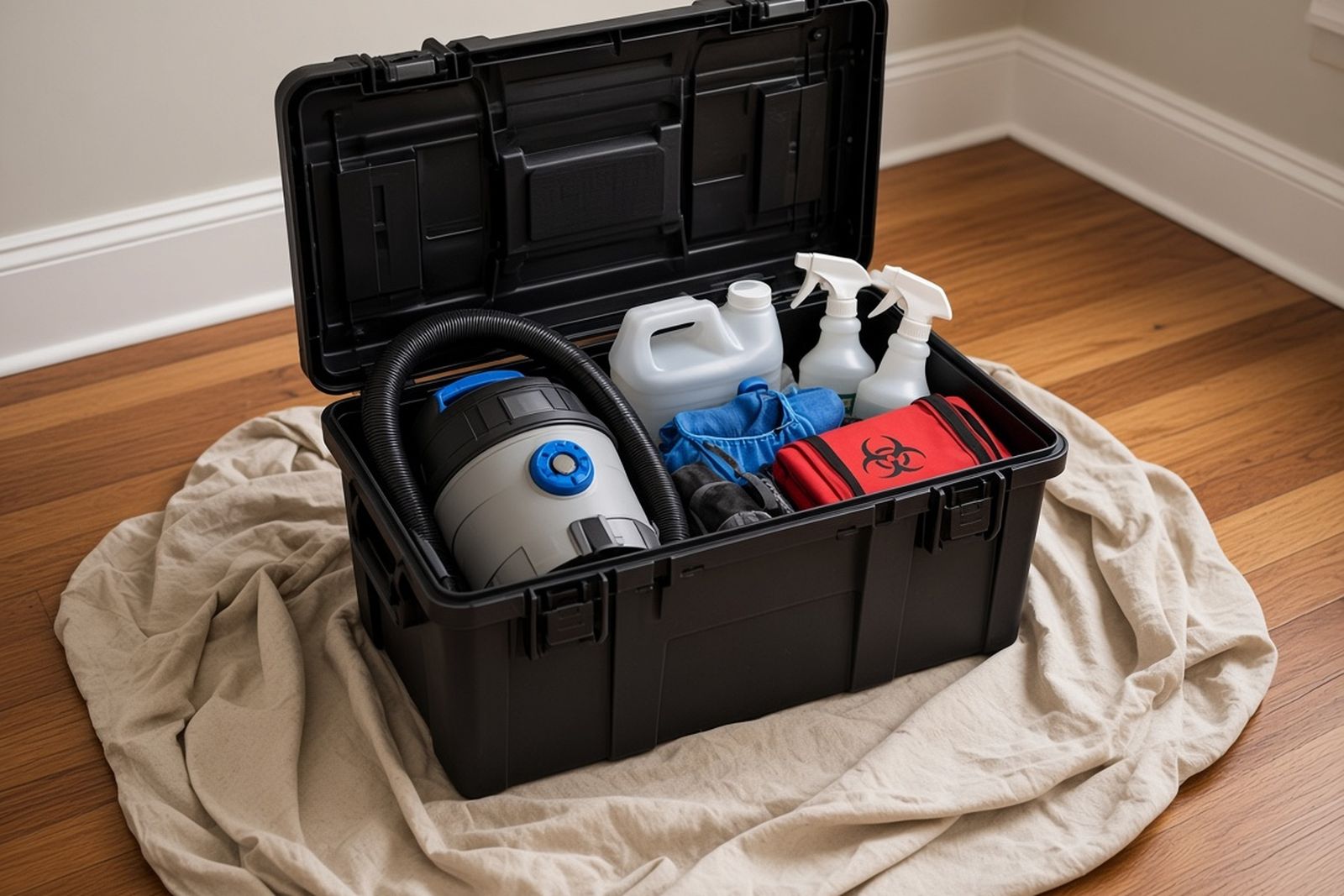
It should show why the final check came when it did. Besides the release proof and labeled photos, include drying notes, most of all after humid spells when openings stayed damp. Add crawl space or garage findings when they apply, product names and wet times, waste records, and a note on rebuild work still to come. Keep the cleanup invoice apart from any paint or flooring quote. Humidity notes are not excuses. They are proof that your Atlanta crew waited until things were truly dry.
Does pollen season affect cleanup?
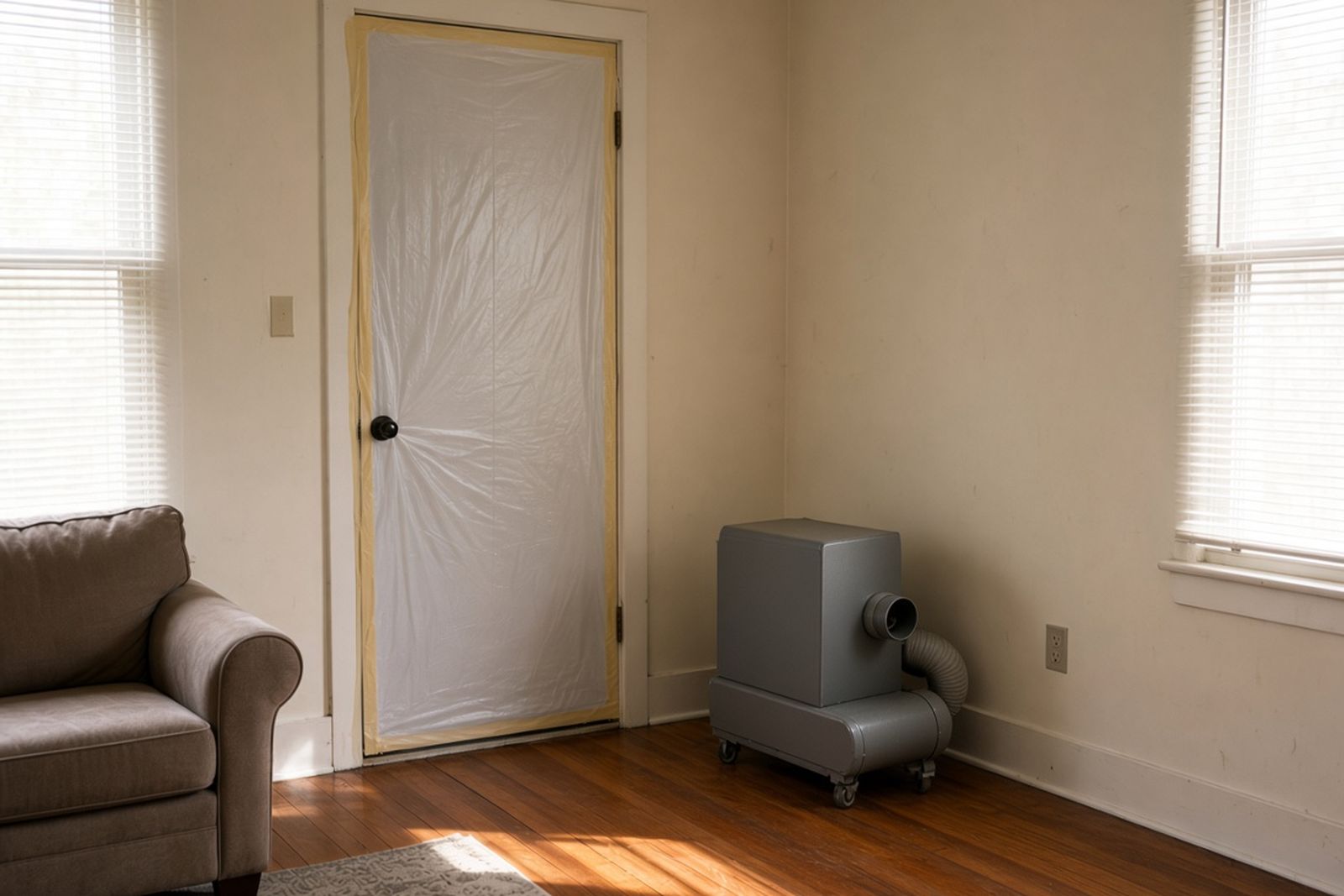
Yes, a little. In spring, heavy pollen coats cars, porches and window sills across Atlanta. Open doors and fans can pull that dust inside, where it mixes with residue and makes surfaces harder to check. Your contractor can shut the doors, run air scrubbers, and give the foyer and porch a last wipe before signing off. Pollen does not change the health rules. But it can mean extra cleaning passes and a slightly longer schedule during peak weeks.
Who pays for cleanup in a rental, the landlord or the tenant?
It depends on the lease. In many Atlanta rentals, the landlord handles the building and the tenant handles personal belongings, but leases vary. Read yours and call both insurers, the landlord's and the renter's, before work begins. Some policies cover cleanup, and others cover only the damage it leads to. Keep copies of the work list, photos and invoices. If you are unsure about your rights, a local legal aid office or tenant group may be able to help you understand the lease.