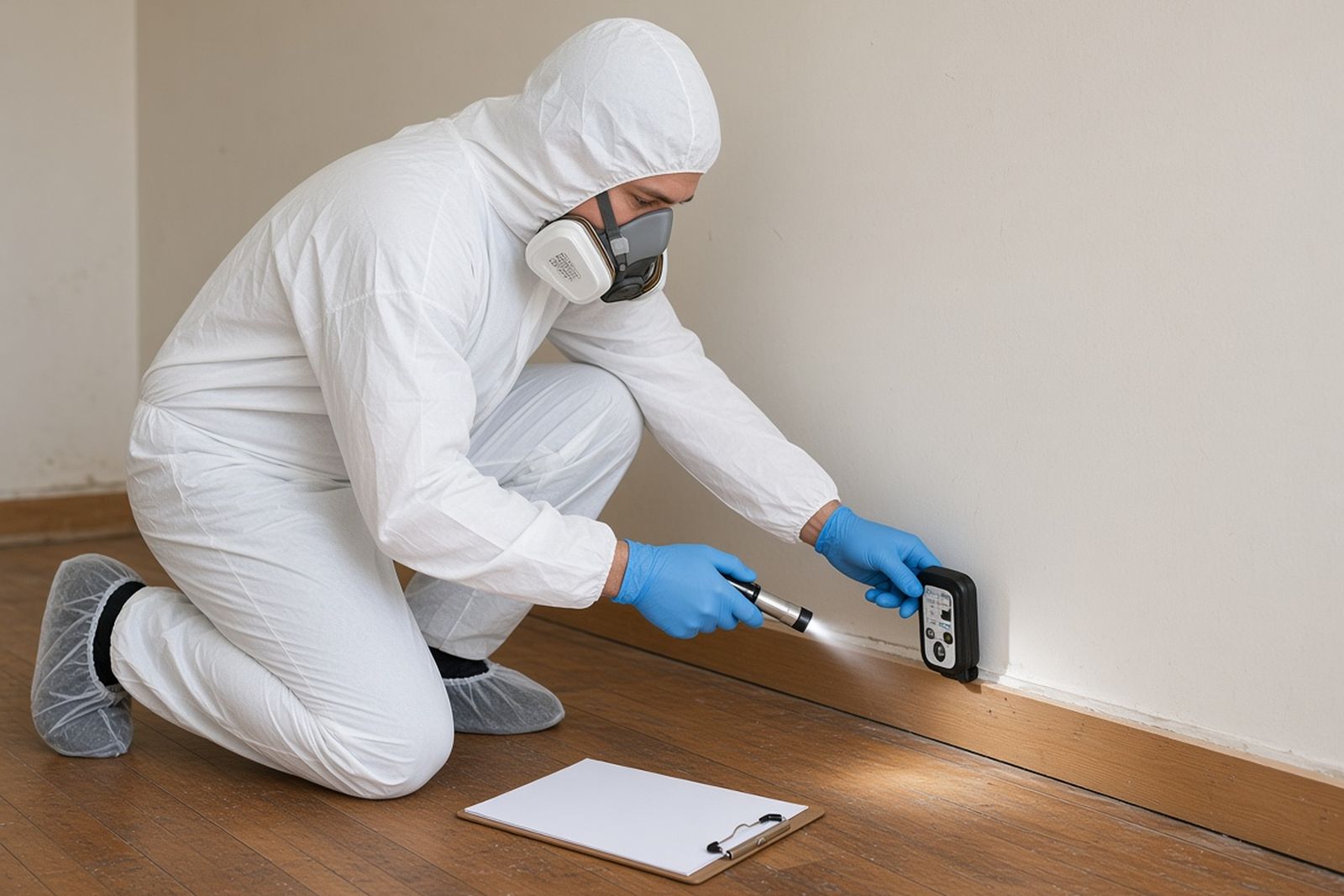
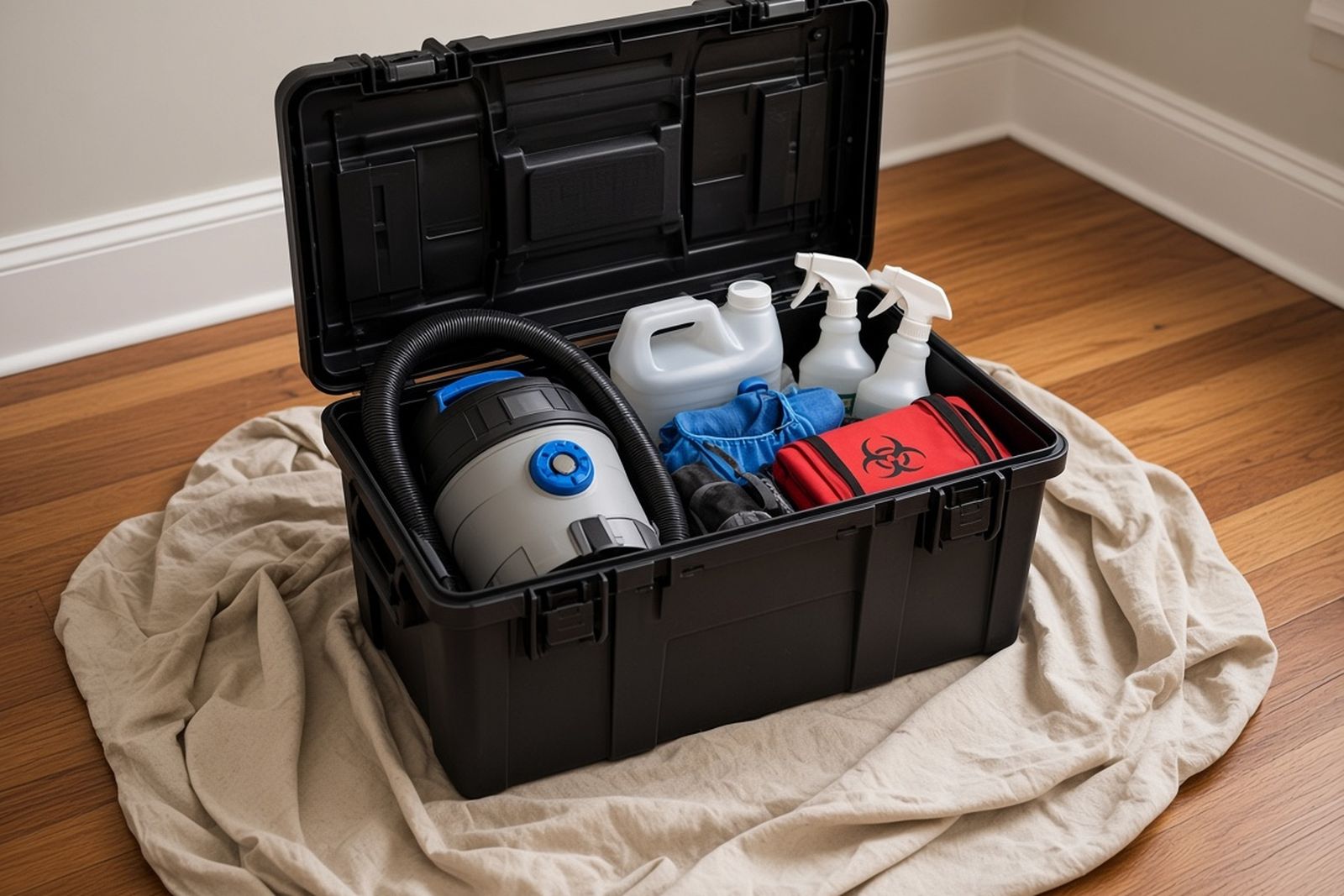
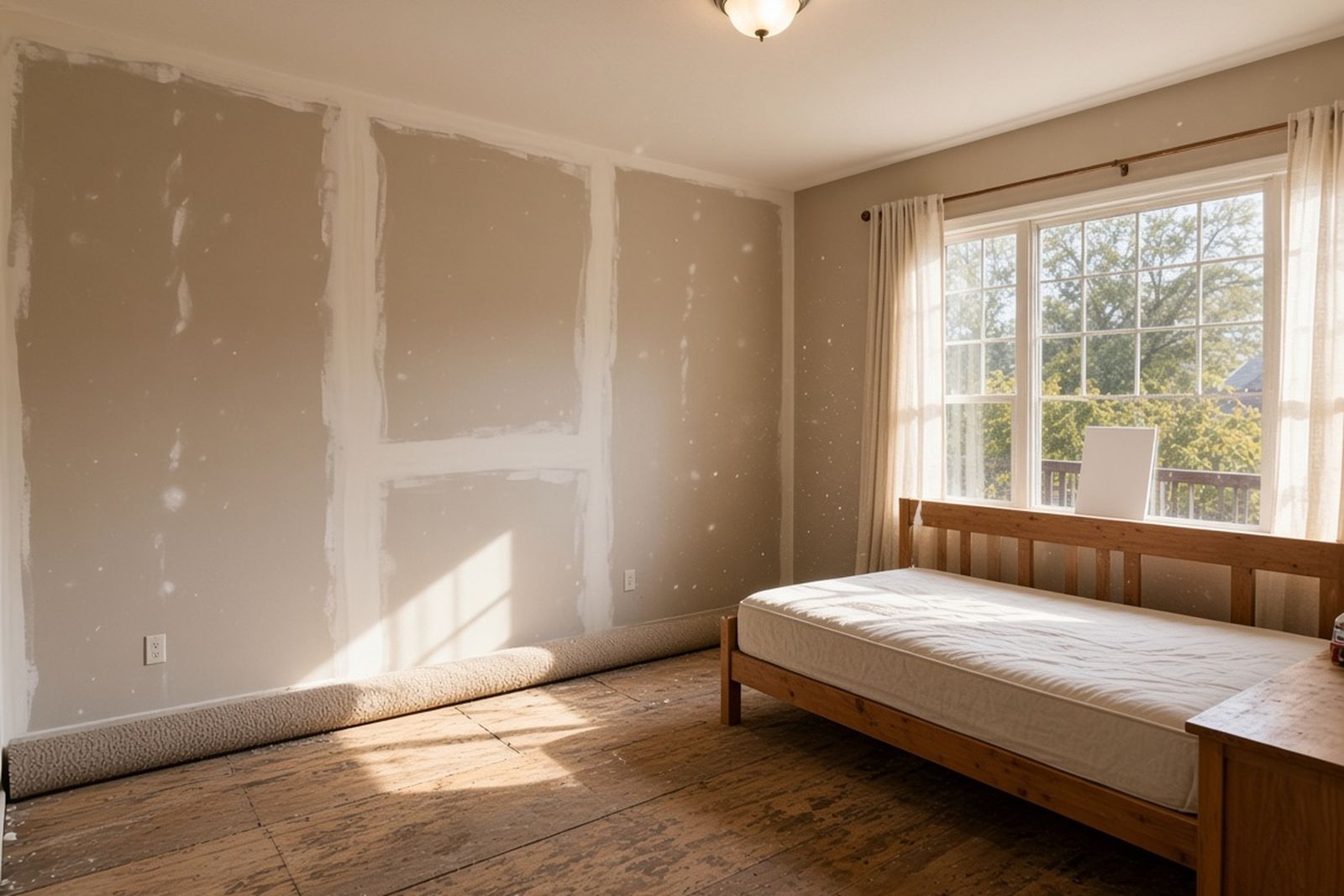
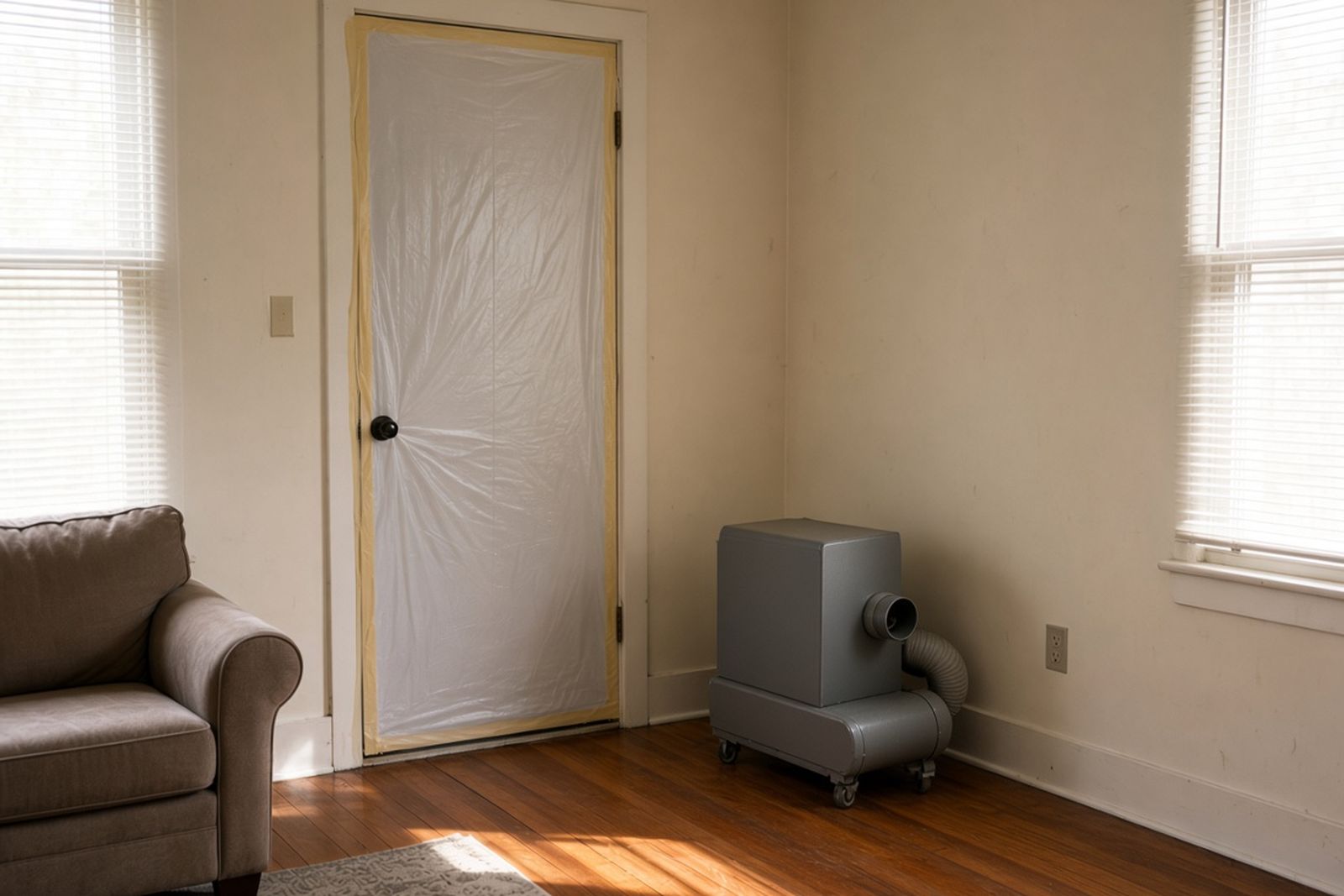
Miami is a southern coastal city of about 450,000 people, set inside a much larger metro of condos, rental towers and low-rise neighborhoods. After police release your home, the cleanup often turns on three things: elevator logistics, HOA rules, and humidity that keeps cut-out openings damp. Tile and concrete floors are common here and often clean well. But a carpeted bedroom, drywall and soft furniture still fail the check when soaked. Your hurricane shutters, lanai furniture and the parking garage entry can become part of the work area if police moved through them. Because blood is regulated waste, your crew must follow federal safety rules and each product's label.
Tourists, part-year residents and tower security desks make privacy and access harder. Guest elevators, valet lanes and lobby seating put everything in public view if sealed waste moves without a plan. Your association may require written vendor papers, elevator pads and set loading dock hours. In a low-rise neighborhood, you may instead have a narrow driveway and neighbors who can see across the courtyard. Where people speak many languages, notices and approval forms may need translation. Ask the company about dock bookings and bags no one can see into. Those details usually matter more to you than any promise about timing.
Expect association managers, lenders, insurers and estate representatives to read your records. Photograph your unit, the balcony and the shared paths used as the way out. Heat and humidity can make odor from any leftover source worse and get in the way of drying, so ask that conditions be written down at the final check. Later finish work, such as flooring or drywall, may need association approval of its own. A file that works in two languages helps when not everyone reading it shares your first language. Ask for clear headings, dated photos and plain-language work lists.