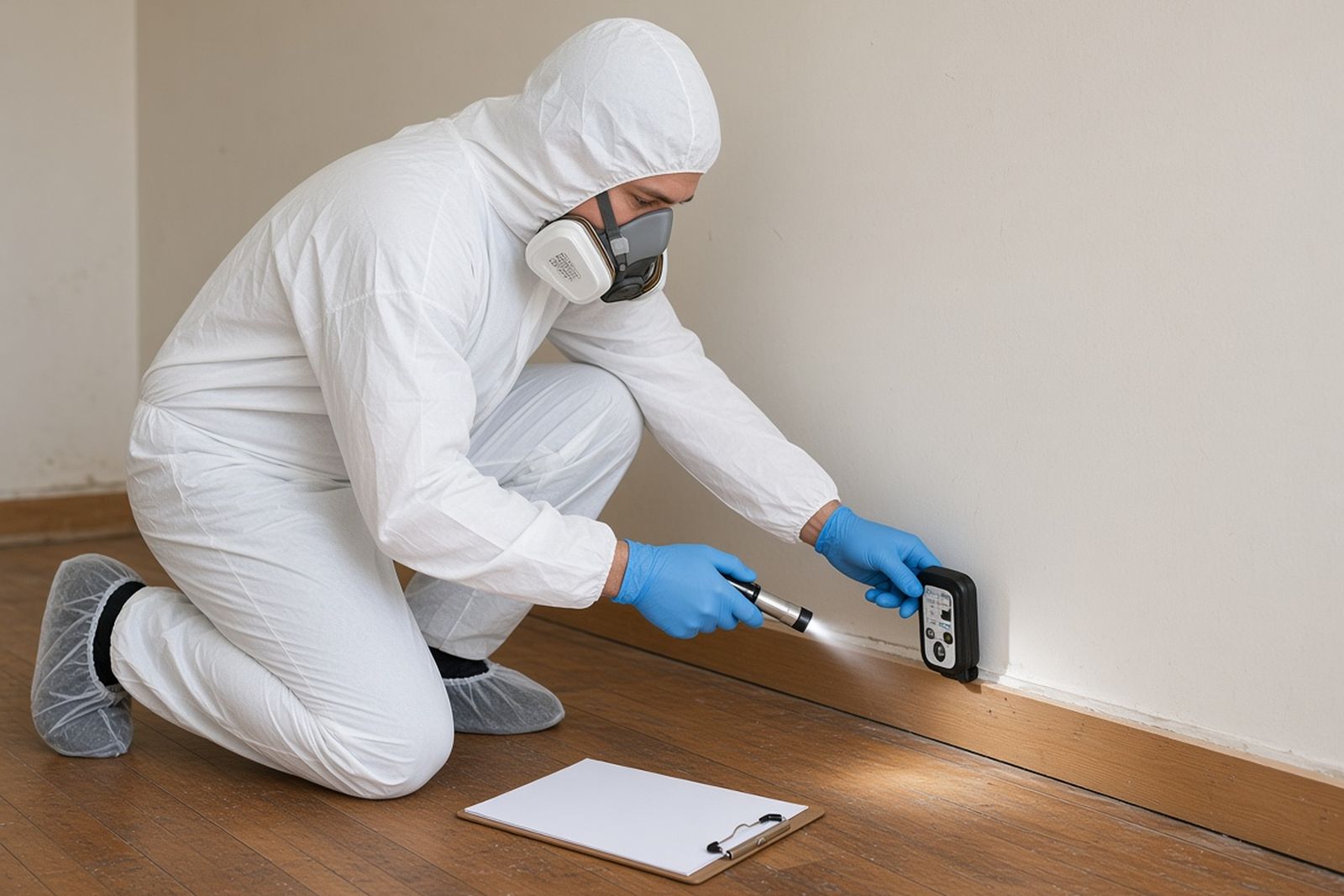
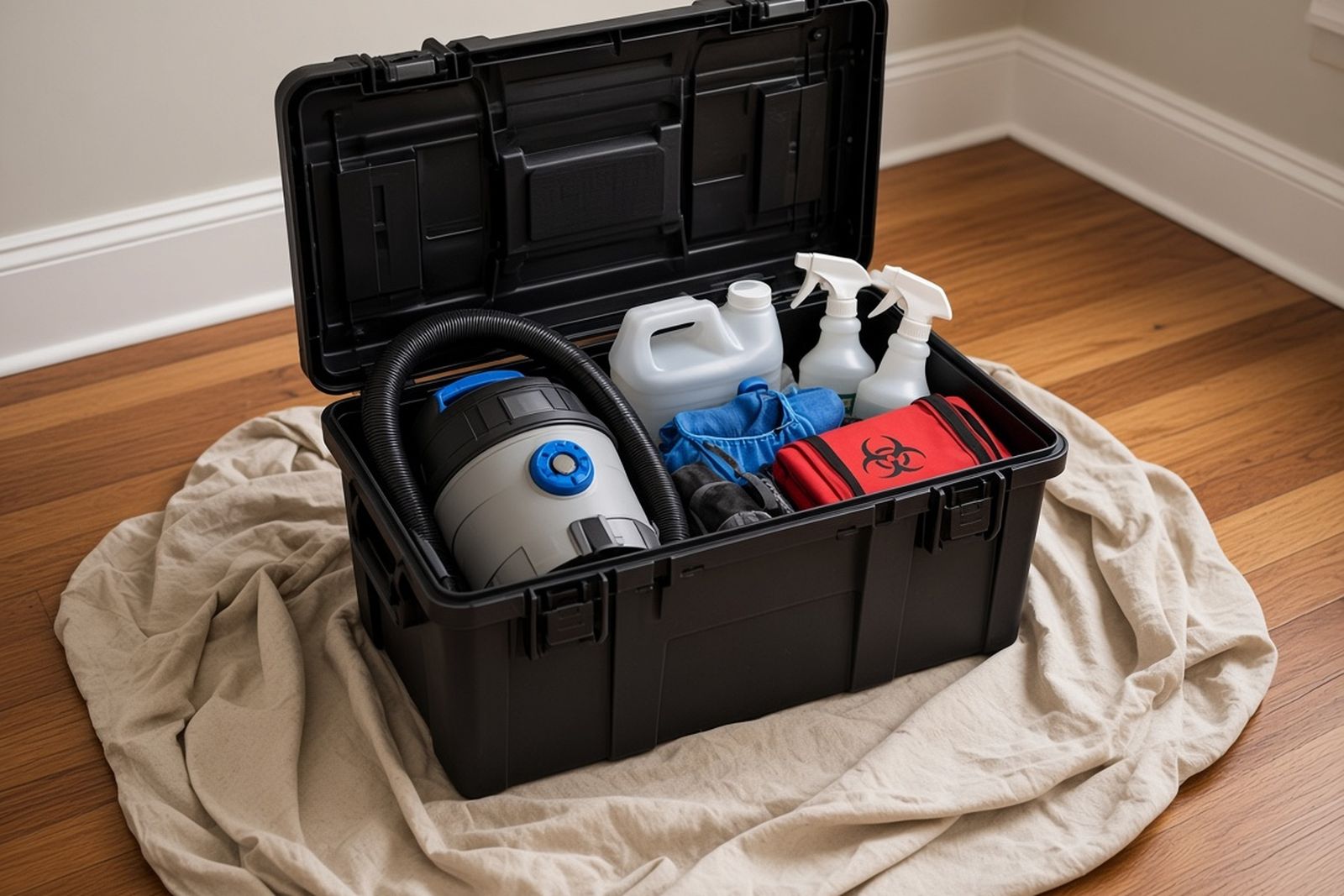
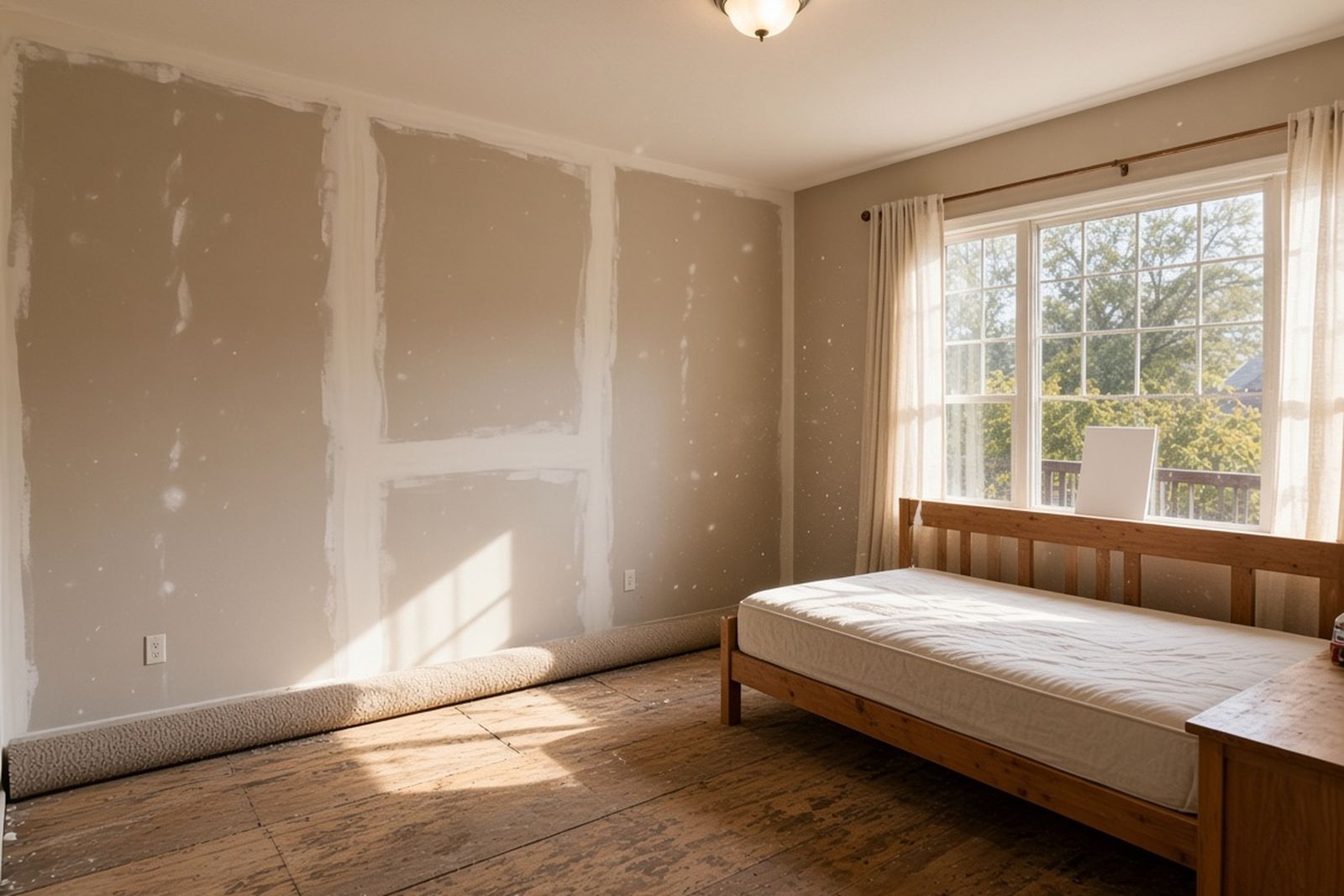
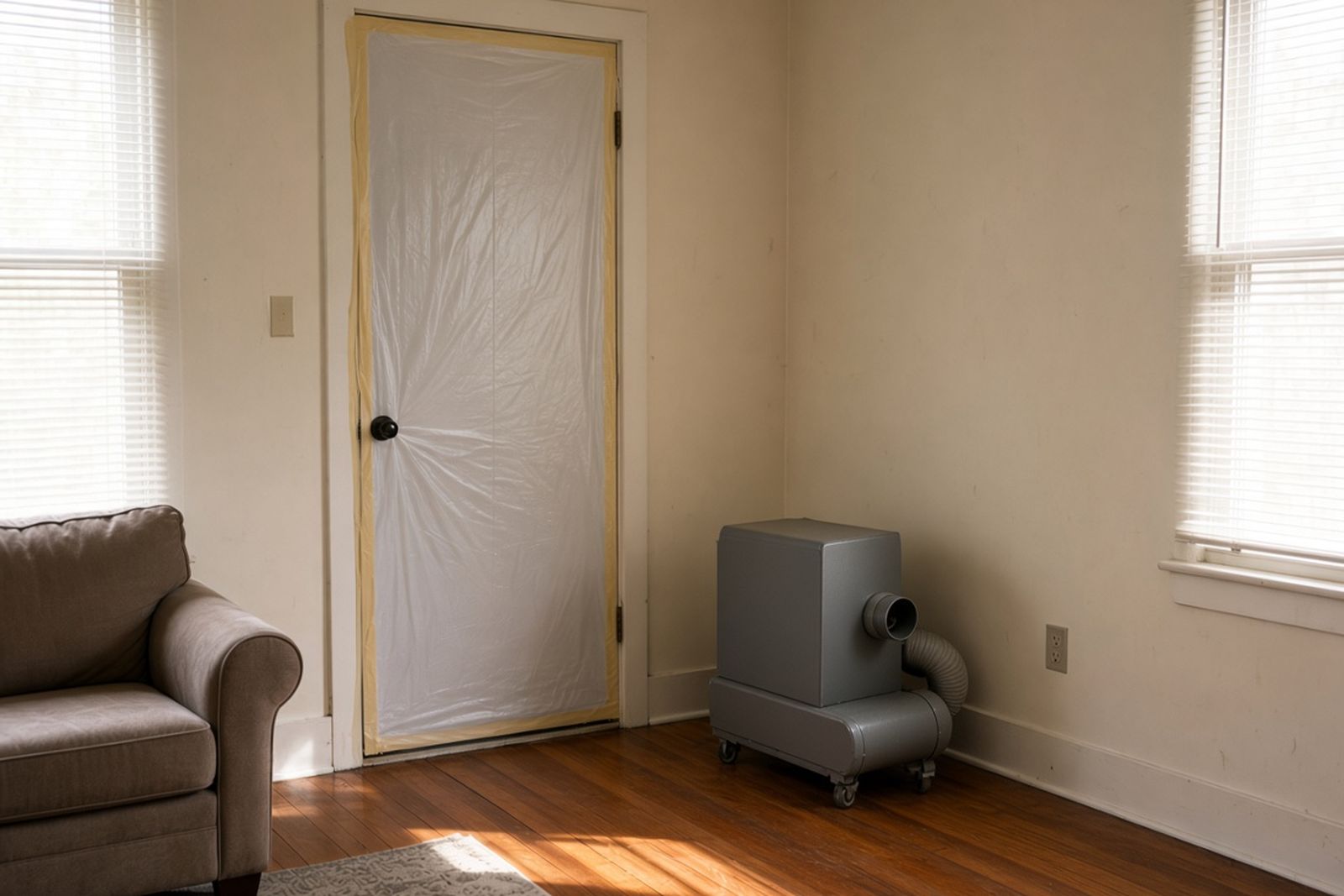
Brooklyn is home to about 2.59 million people, and neighbors live close. You may be in a brownstone, a limestone row house, a walk-up rental, a waterfront tower or a large apartment complex. That shapes your cleanup. Shared party walls, stoop loading, basement apartments and buildings with no freight elevator all add time. Blood soaks into wood subfloors, carpet and plaster, so the job may be bigger than the stain you can see. Expect the company to ask about your block's curb rules and your building's habits before it gives you a schedule.
Privacy takes more planning here than in a Manhattan tower, though the health rules are the same. Many Brooklyn homes load from the stoop or a narrow side alley, right where neighbors sit outside. A good crew will use covered bags and carts and keep hallway talk to the schedule. In a brownstone, the inside stairs link the parlor floor and the garden apartment, so residue can be tracked between them. Waterfront towers work like high-rises anywhere, with a freight car to book. This is regulated biohazard work. Please do not ask your building super to do it.
Several people may need your paperwork: your landlord, a co-op or condo board, a tenant advocate, an estate representative or your insurer. City health offices can answer general questions, and 311 can point you to the right department. Weather matters too. Summer heat can dry residue into dust. In winter, warm air rising through the stairwell can carry odors from floor to floor. Garden apartments tend to stay damp, so drying takes longer there. Ask the company to let rooms dry fully and pass a final check before you move back in.