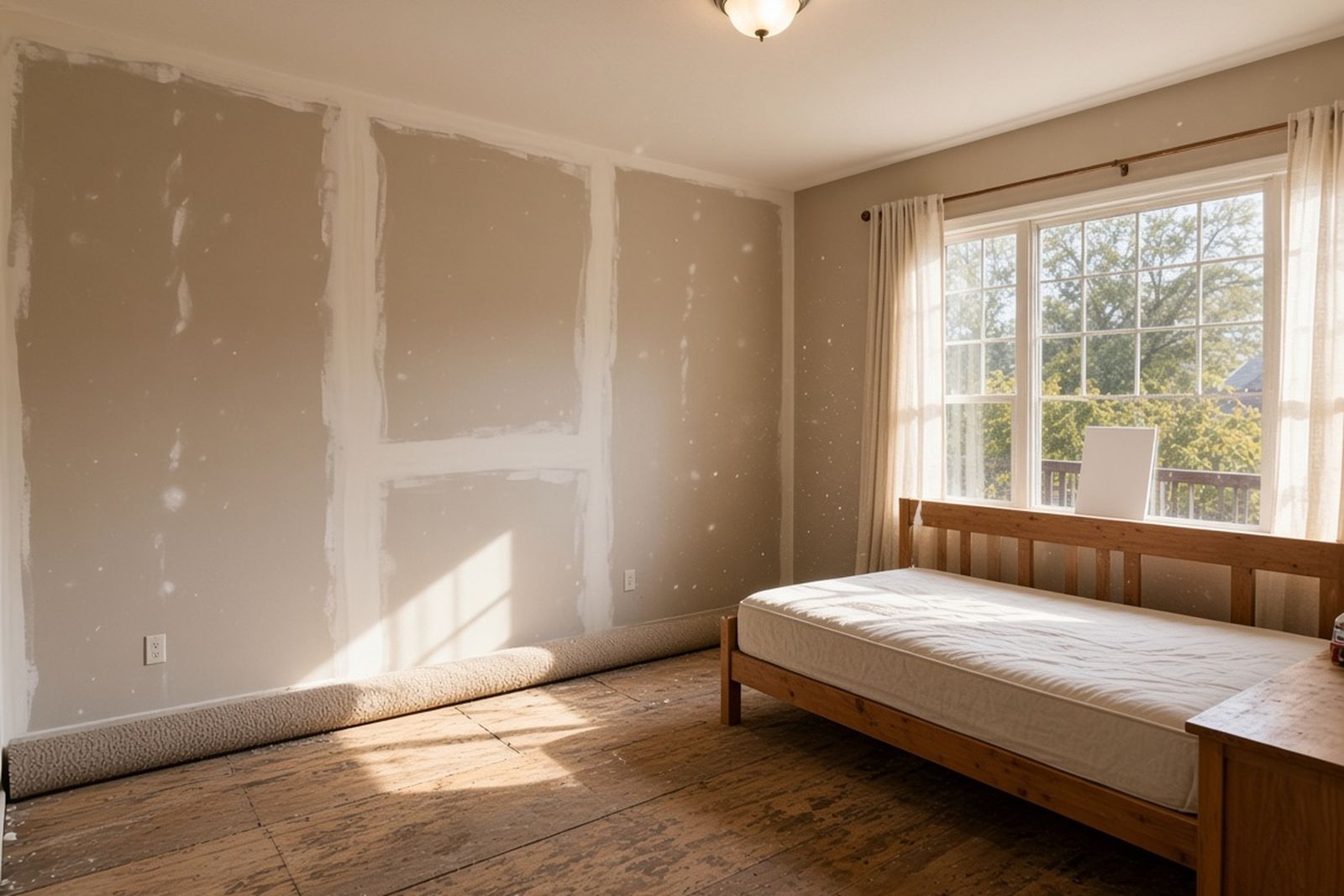
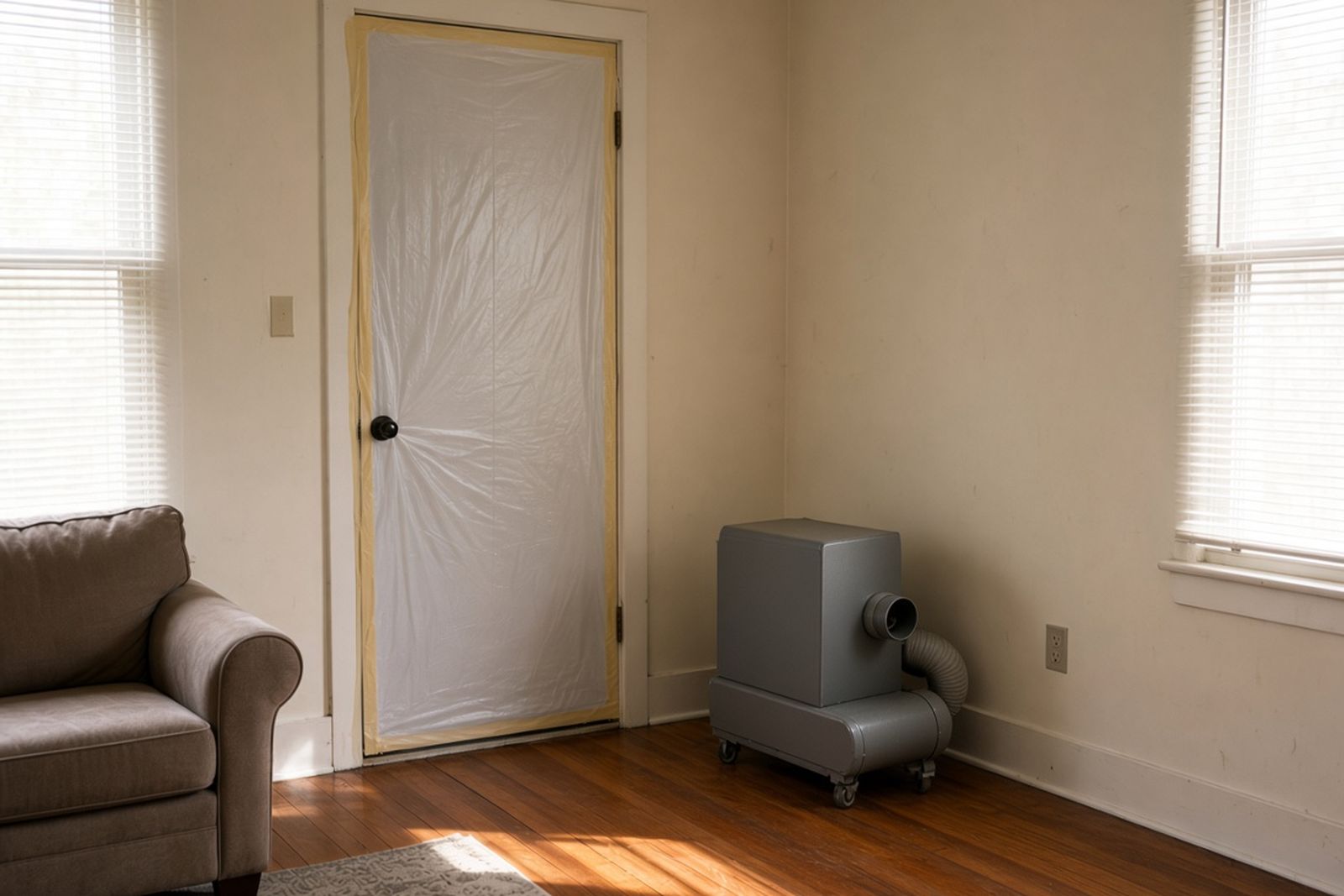
Greenwich, CT

Greenwich Crime Scene Cleanup for Backcountry Estates and Cottages

What to do, who to contact, and what to ask in Greenwich.

After a violent crime at a Greenwich estate or shoreline home, learn when cleanup can start, how to keep it private, and what insurers will want.

Get an email reply about crime scene cleanup

Send a short message to the follow-up inbox. A coordinator can reply by email. This form does not send emergency help; call 911 first if anyone is in danger.

Tell us what you need help with. Share a short description; please leave out medical details, access codes, and other sensitive information.

A request does not confirm a booking. For immediate danger, contact local emergency services.

Or email info@scenerecoveryhelp.com

The short answer for Greenwich, CT

On a Greenwich estate, no one should clean, move or throw out anything until police formally release every building. From there, the blood cleanup is a job for a trained biohazard company. Here is what to ask about gates, guest cottages and privacy on the lane, and what your trustee, family office or insurer will need on file.

What to do, step by step

  1. 1

    Wait for the release, then list every building

    Nothing starts until Greenwich police formally hand back the property. Then walk your main house and any guest cottage, garage apartment or pavilion someone could have entered. Mark rooms, closets, bathrooms and outdoor paths on a simple site sketch. Photograph each building as you find it, before rugs, antiques or staff-quarters furniture are moved. A Fairfield County adjuster can then see how things looked before any cutting. Find out who can approve demolition inside each building, most of all when a trust owns your property.

  2. 2

    Plan the gate, the service court and the carry-out route

    Ask the company to choose a gear-up room, an exit for used tools, and a way for sealed waste to reach the truck without waiting by your gate. A service entrance or screened court is better than the formal front drive. Graphic materials should stay out of view of the neighboring lanes. Pick one person to hold every code and key. Give the contractor a temporary code, not the household code, and log who got it and when it was shut off.

  3. 3

    Have the main house and each outbuilding handled one at a time

    In each building, sealed stone, glazed tile and metal hardware can usually be cleaned in place. A good crew scrapes away heavy soil, then leaves a registered cleaner on for as long as its label says. Your wool rugs, upholstered pieces and pad under wide-plank floors that stay soaked belong in sealed biohazard packaging. Fragrance is not a fix. Fingerprint powder on paneled doors, window sashes and built-in cabinets needs a HEPA vacuum before any wet work. Otherwise the fine dust smears into the wood grain. Each building on your lot should get its own written check.

  4. 4

    Hand the record to your family office or trustee

    If you live part of the year elsewhere, the closing file should let an adjuster or trust lawyer understand every building from photos and plain notes alone. Keep cleanup invoices apart from stone, woodwork and garden repairs so no one mixes them up. File the package with your estate or trust records. Then a later sale of the Greenwich property will not depend on anyone remembering what happened in which building.

What cleanup is like in Greenwich

Greenwich anchors Connecticut's Gold Coast and has about 63,000 people. Your home may be a backcountry compound on several acres, with stone walls, a long private lane and a separate guest cottage. Or it may sit in a shoreline area like Cos Cob, Riverside or Old Greenwich, where waterfront setbacks and nearby neighbors change how a crew sets up. Once police are done, you will rarely be dealing with just one bad rug. Fluid soaks through hardwood, pad and drywall. Shoes can carry residue across your mudrooms and into staff or guest buildings on your grounds. Start with a confirmed release and a sketch of every building someone entered.

Getting in quietly on a Gold Coast lane is different from loading at a city curb. Your house may be hidden behind gates and tall screening, but people on the road still notice box trucks. A good crew sets up in your circular court, a service apron or a side entry, not the formal front court facing the lane. Behind the gates, federal OSHA blood rules and each product's EPA label still set the standard. Ask for bins no one can see into, covered carts, and one clean-to-dirty footpath across the gravel or bluestone. The quiet hours your neighbors expect also shape when loud demolition causes the least bother.

Several parties may read your paperwork: trustees, a high-value insurer, lawyers, and sometimes a company that holds title. Ask for room photos tied to a site plan that includes the outbuildings. Ask too for product names, label wet times, and a record of how waste was packed and who took it. Connecticut Department of Public Health resources may help with general disease questions. Damp air and cool mornings on Long Island Sound can slow drying after wet cleaning. The backcountry may be drier, but basements and stone foundations there still stay damp. Let safe removal and proof of cleaning set your pace, not the day your painters are free.
What to expect for your type of home

  • Backcountry lots with long private drives: Ask for a written access plan. It should cover temporary codes, where sealed waste waits out of view of the road, and how trucks keep emergency turnarounds clear.
  • Estates with guest cottages, pool houses or staff quarters: Have each listed as its own building. Footprints can move outdoors without any clear stain inside the main suite.
  • Homes near the shore and harbor: Damp lower levels, stone foundations and outdoor decks can hold residue. Ask for photos of your doorways and paving.
  • Large homes with wide halls and many levels: Tracking paths get long. Ask for runners from the affected room to the exit, so residue never reaches a kitchen used for setup.
  • Older Gold Coast homes: Hardwood, thick carpet and plaster seams may hide soaked-in fluid at the baseboards. When blood reached the seams, opening small sections works better than wiping.
  • Estates with security systems: Your camera company and alarm monitoring may need planned access times, so a false alarm does not stop the cleanup. Call them before the crew arrives.
  • Homes behind tall hedges: The house is hidden, but curbside setup is exposed. Labeled biohazard bins should stay off public land and out of open pickup beds.
  • Properties run by a family office or lawyer: Their authority may differ from your property manager's. Get the name of whoever approved cutting paneling or floors, in writing, first.

Papers and records to keep

  • The release date from the Greenwich investigators and which family member, manager or trustee was told.
  • A site sketch of the main house and every outbuilding entered, with room photos tied to it.
  • For each building on the lot, what came out and what stayed.
  • Products applied in the residence and cottages, with the minutes each sat wet.
  • How powder was lifted from paneling and sashes in large rooms with long duct runs.
  • A waste record by building: where each sealed bin came from and the hauler papers that followed.
  • An access and privacy log: gate codes, alarm planning, curb setup choices and who let vendors in.
  • Photos of outdoor paths, pool decks and mudrooms that linked buildings during or after the incident.
  • Which suites, cottages or staff rooms stay shut until repairs are done.

Local offices and official help

Common questions in Greenwich

When can cleanup begin on our estate?

Not until the Greenwich police or the agency in charge has formally released every building. Staff or family who go in early to tidy up can disturb evidence and expose themselves to material they are not trained to handle. Police may tell a house manager instead of you, so find out exactly who heard it and when. After release, the first job is to look and record in every building. If cutting into a wall turns up anything that could matter to the case, pause and call the investigators.

Our lot has several buildings. How does that change things?

It widens the check. Large backcountry lots often have a main house plus guest cottages, pool buildings or garage apartments joined by outdoor paths. A stain may look confined to one wing while footprints have already reached the pool house. Ask the crew to follow shoe paths across bluestone, mudrooms and laundry halls. Approval may differ if a guest cottage is leased or owned separately, so sort that out before anything is cut. Expect rebuilding to take longer when the finish trades have to work in more than one building.

How do we keep this private on a gated lane?

Gates and deep setbacks help, but they do not stop attention from nearby drives or road traffic. Ask for bins no one can see into and covered carts, and never let labeled bags sit near the public road. Gate staff need only dates and times. If cameras or a security company watch the property, plan access times so the work is not interrupted. Nothing graphic should ride in an open truck bed seen from the lane. Note the privacy steps in your file in case trustees ask later.

What usually has to be removed instead of cleaned?

Anything soft that stays wet or cannot be checked comes out. In a large Gold Coast house, that usually means wall-to-wall carpet in bedroom suites, rug pads, fiber underlayment, soaked drywall and upholstered furniture. Wide antique planks and layered rugs may look fine on top, so ask the crew to lift the edges where rooms meet. Honed marble soaks up more than it looks like it would. Glazed tile, polished brass or nickel and tightly sealed stone usually stay. Restoring custom woodwork comes later, as its own project.

When can older relatives or a new baby come back?

Not until the rooms have been checked, which is different from looking spotless. Ask for a written record of what was cleaned, what was cut out, which products were used and for how long, and how waste left the estate. Anyone fragile should stay in another building or off the property until the sawing and dust are over. Where floors or walls were opened, leave furniture and art in storage until the rooms are closed up and dry. Keep that file with your Greenwich deed papers.

Who should hold the gate codes and keys during the work?

Pick one person, often an estate manager, trustee or family member, to hold every code and key while the work goes on. Give the cleanup contractor a temporary code, not the household code. Write down who got it and when. When work ends, change or delete that code. On backcountry properties where cottages have their own locks, list who holds each building's key. That way no one walks into an affected building without knowing the work is still going on.

How do gravel drives and long lanes affect moving waste?

They add distance and risk. With a long private lane and gravel court, sealed bins may travel far before they reach a truck. Ask for one covered route from the affected building to a service area set back from the lane. Carts should not roll across gravel, where wheels can tip or scatter debris. Have the route photographed before and after. If your lot slopes toward the Sound or a brook, rinse water from outdoor cleaning should stay on hard surfaces where it can be collected.

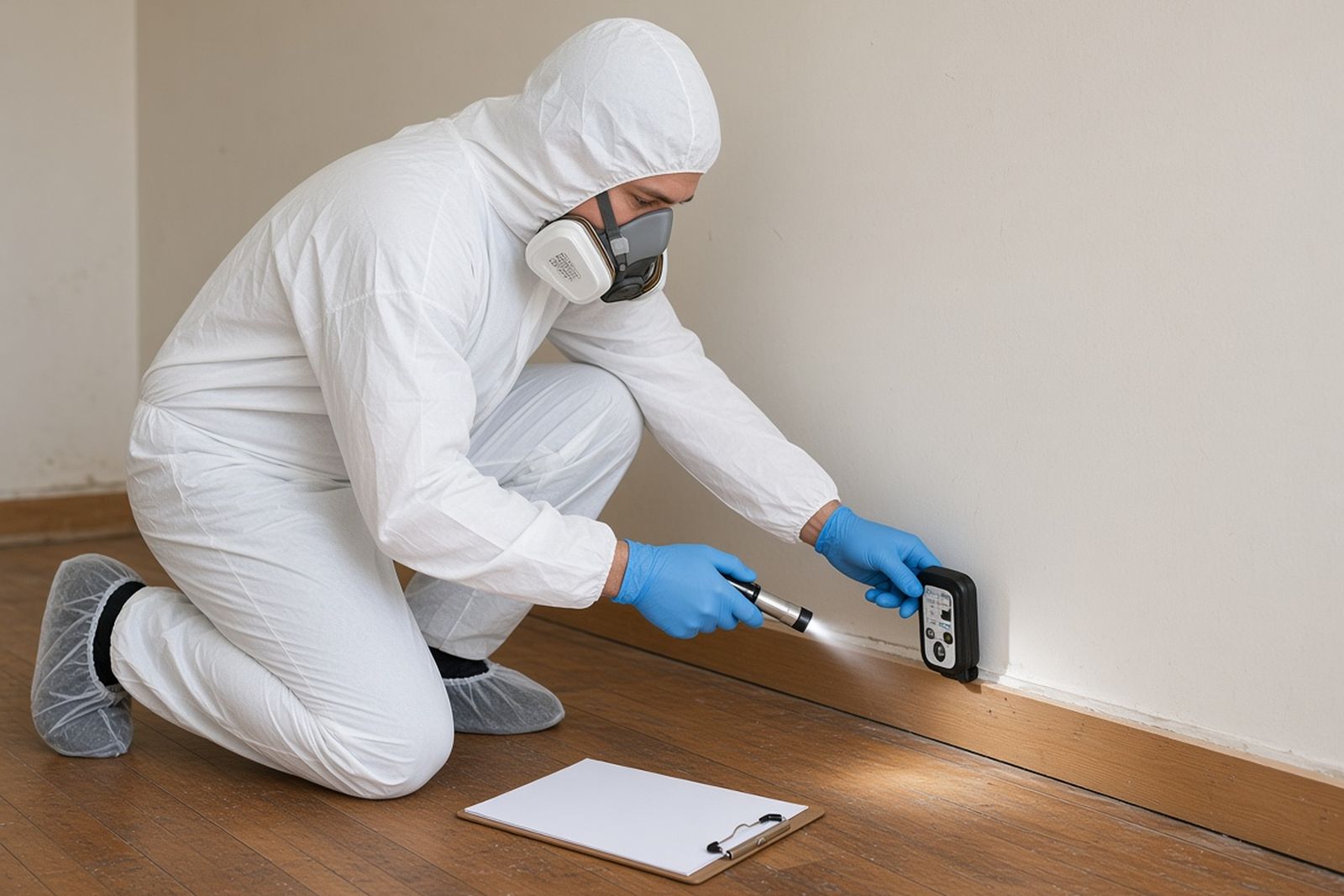
Technician in coveralls and a half-face respirator checking a baseboard with a flashlight and moisture meter
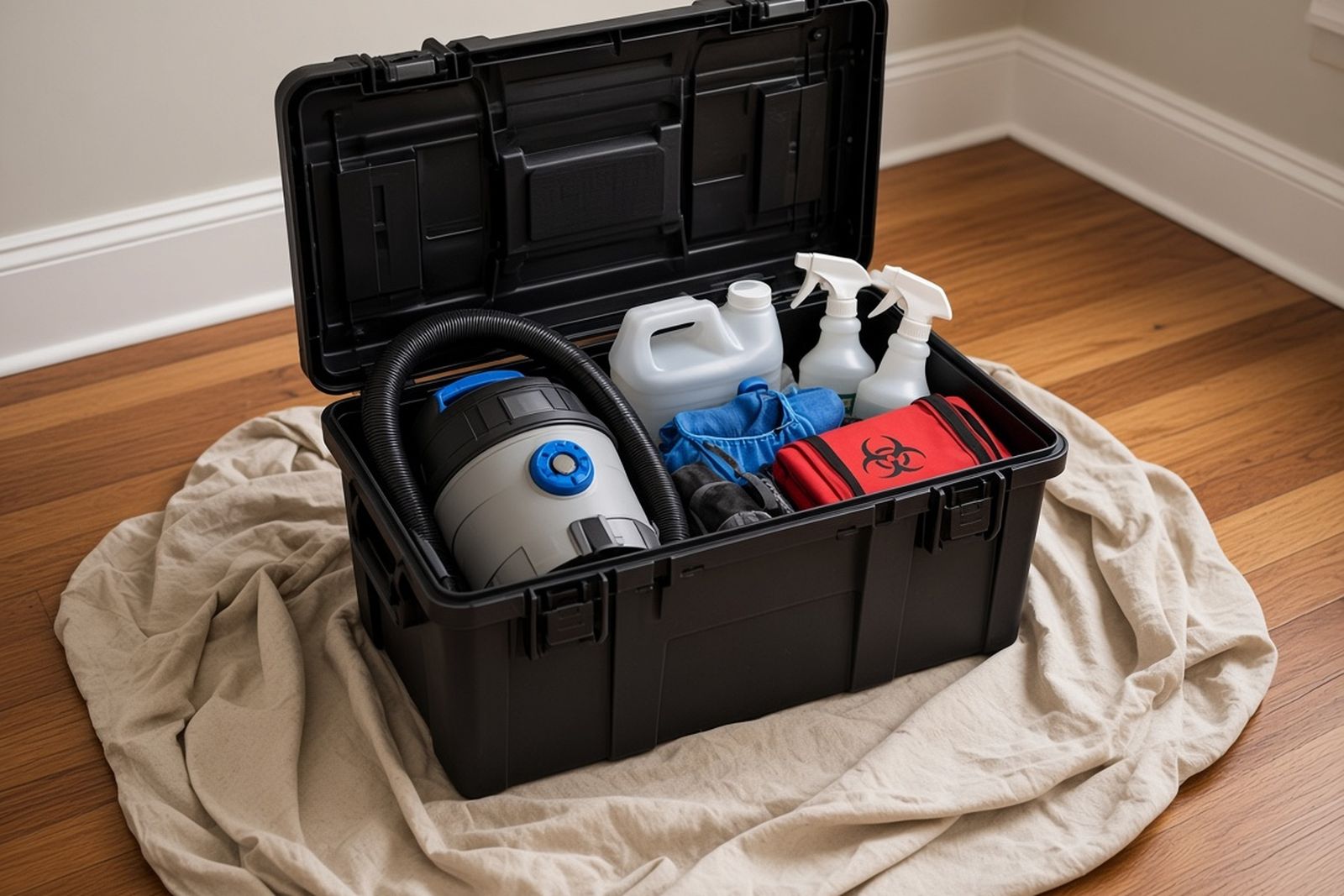
Open equipment case on a drop cloth holding a HEPA vacuum, disinfectant jugs, spray bottles and red biohazard bags

Facts worth knowing

  • In a study published in 2022, 18% of 521 insured people whose homes flooded said they had an insurance dispute or a denied claim.

    Why it matters: Claim disputes do happen, so keep your photos, receipts and every letter or email from your insurer.

    Source: McKenzie et al., 2022

  • Ohio paid 1,977 crime victim compensation awards in fiscal year 2024, averaging $3,716 each, across all kinds of costs, not just cleanup.

    Why it matters: These programs do pay real claims, so it may be worth applying if you are a victim with crime-related bills.

    Source: Ohio Attorney General, 2024

  • In a UK survey of adults bereaved in 2020, 56% of those who sought help from bereavement services had trouble getting it.

    Why it matters: Support can be hard to reach, so you may need to ask more than once or try more than one service.

    Source: Harrop et al., 2021

Tools that help right now

What would you do?

Poll results

Vote to see how other people answered. You can change your answer at any time.

Your experience

What was the hardest thing to figure out in the first day after the scene was released?

Be the first to vote
General

Which type of incident brought you to this topic?

Be the first to vote

Need help in Greenwich?

Send a short message about the property to the follow-up inbox. A coordinator can reply by email with next steps.

Your request is sent to the follow-up inbox. A coordinator can reply by email.

If anyone is hurt or in danger, call 911 first.