How is cleanup on an inland hill lot different from a home on the shore?
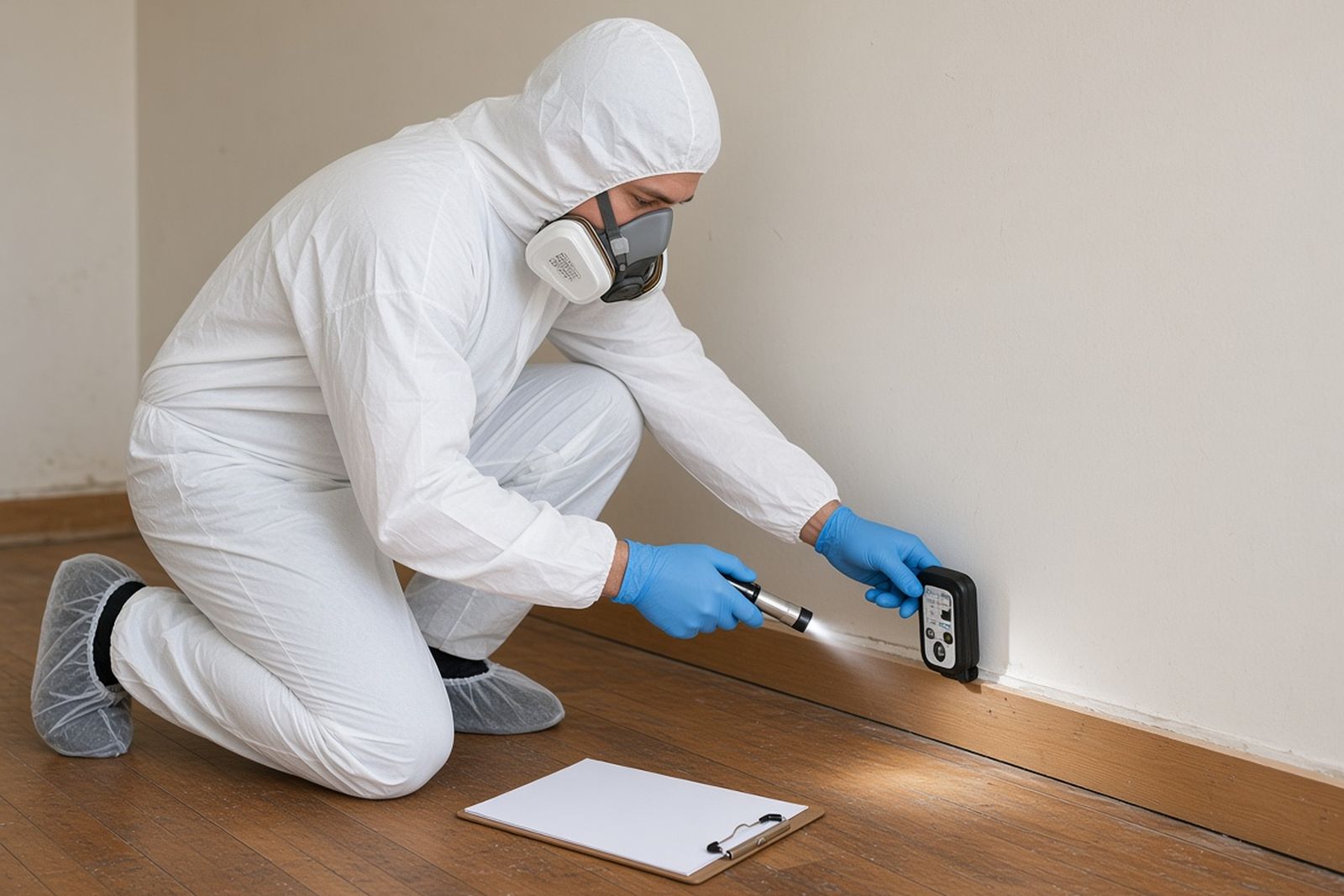
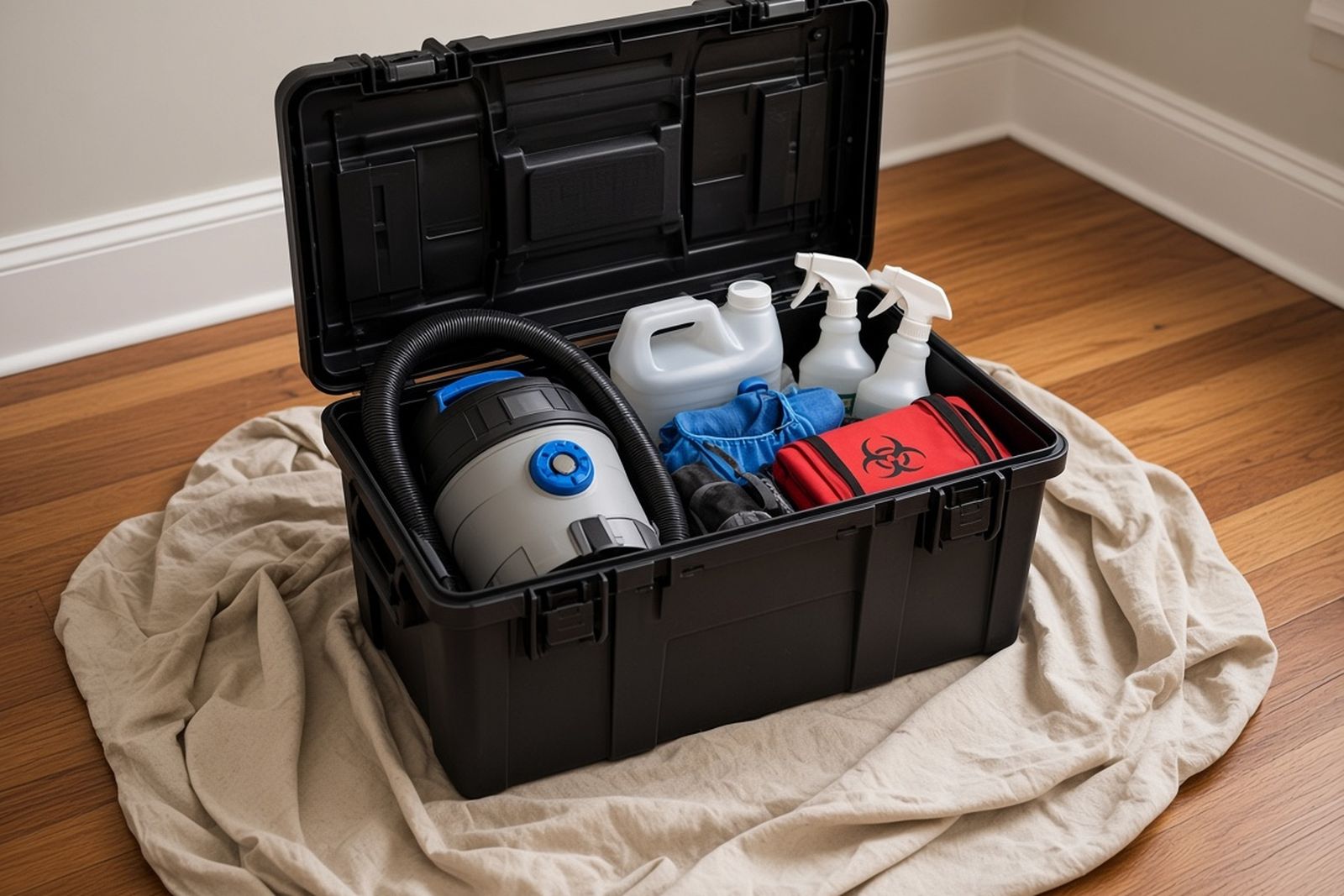
The way in and out is different, not the health standard. Inland lots are about long private drives, stone walls and shady woods, not docks and association roads. A crew usually sets up on a service drive or side apron. Freeze and thaw cycles and unheated wings make drying harder here than salty air does on the Sound. Your outdoor paths may be gravel and bluestone instead of dock stairs. Police release, protective gear, EPA labels and regulated waste rules all still apply.
Why should our barn and studio be checked too?
Because they often share the stone paths and utilities of the house. On a wooded New Canaan lot, family members or police may have walked between the house and a barn or studio before release, carrying residue with them. Have the stone or gravel path to the barn photographed, along with any mechanical room the buildings share. If nobody went into the studio, one line saying so still belongs in your file. The lock tells you whom to ask, not whether residue reached it.
How do we keep the work private on a hill road or near the village?
On a quiet hill road, neighbors who know the block notice strange trucks right away. Ask for covered carts, and make sure labeled bags never wait at the curb. Near the village, people walking to shops can see more along the sidewalks, so trips should be timed with care and anything graphic kept covered. In both places, your neighbors only need to know when trucks will come. These habits add to the blood safety controls. They do not replace them.
What typically gets cut out of a modern or mid-century house?
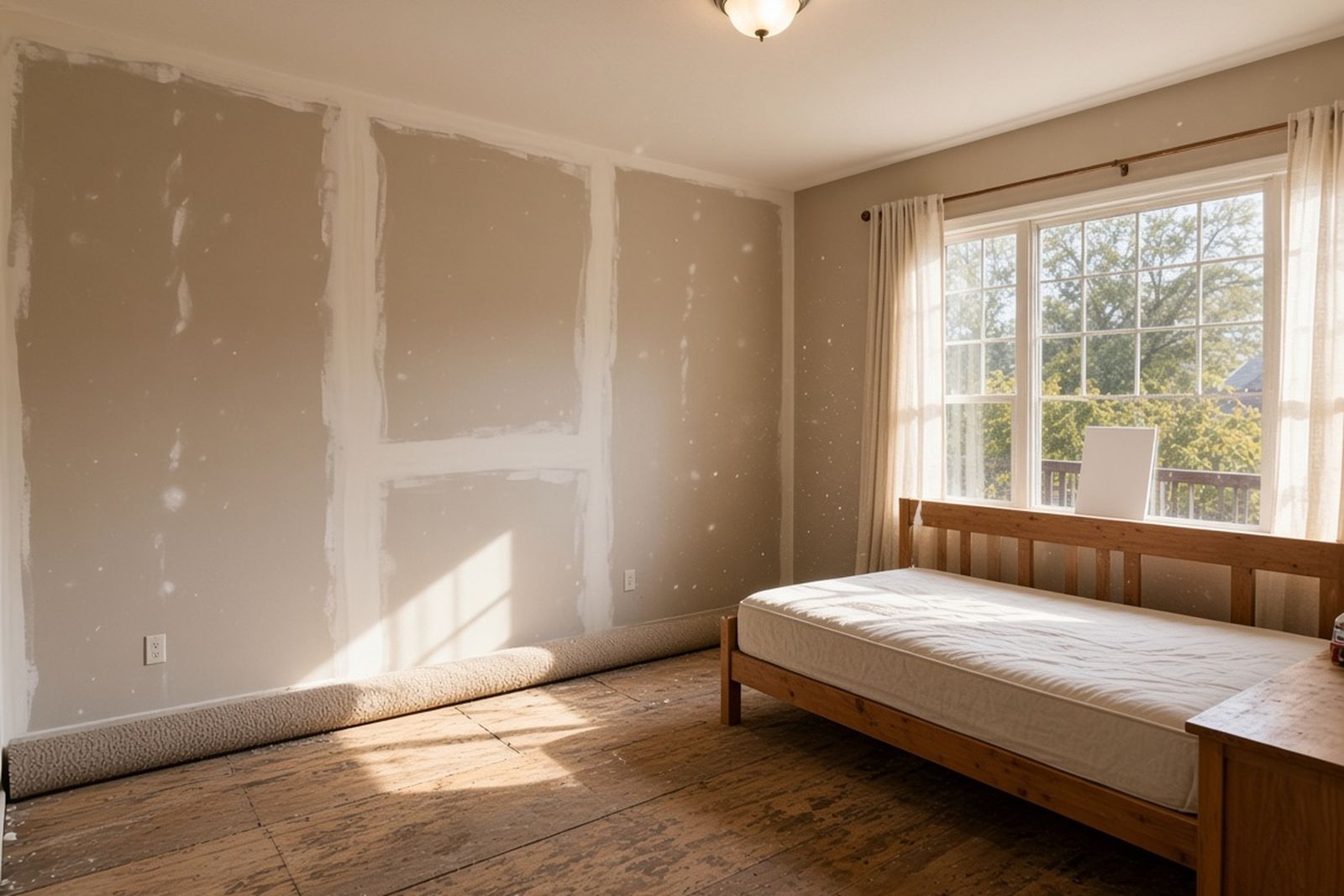
Soft materials that stay wet or cannot be checked are usually taken out. In New Canaan houses, that often means bedroom carpet, rug pads, fiber underlayment, soaked wallboard and upholstered pieces that drew fluid up. Hardwood can look fine while the seams hold residue. Glass walls, slate and terrazzo, common in mid-century homes, can often stay once cleaned as the label directs. Replacing floors and paneling is a later job for your finish carpenters. It is not part of the biohazard work.
How do the records help with a later sale or trustee review?
They let someone who was not there see what was done. Ask for a written account of each building on your lot: what was cleaned, what was taken out, which products were used, and how waste left along the drive. Include what was found in the barns and studios, even when nothing was. Leave furniture in the barn or in storage until carpenters close every opening. File the account with your deed so a later buyer or trustee can find it.
One wing of our house is unheated in winter. Is that a problem?
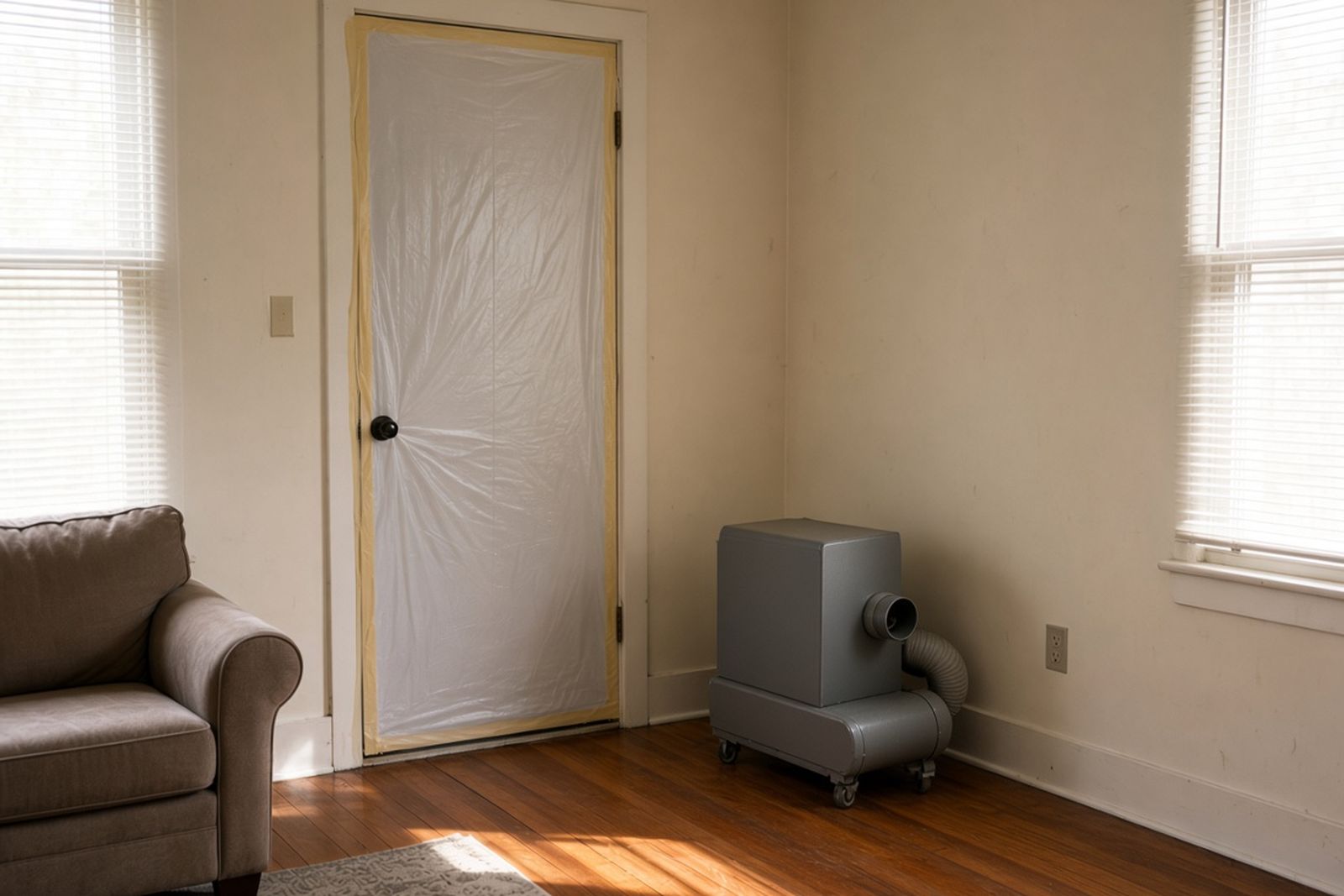
It can be. Cold rooms slow down both disinfectants and drying, and many product labels list temperature limits. Before wet cleaning starts in an unheated wing or barn studio, ask whether temporary heat can be used safely and how long the space needs to warm up. Closed, cold rooms can also hide odor until spring. Build extra drying days into the schedule. Your finish carpenters should not close walls or floors until the cleanup contractor says the space is dry and checked.
What happens to heirlooms and artwork in the affected area?
Ask the contractor to set aside anything with sentimental or money value before any removal begins. Each item should be photographed where it was found. Hard objects like framed glass, metal and ceramics can often be cleaned. Paper, fabric and unsealed wood are harder, and an art conservator may be able to advise. Nothing should be thrown away without your written okay. If an item cannot be saved, a photo for your records can still be taken.