Direct answer
What should a property decision-maker know in Bellevue, WA?
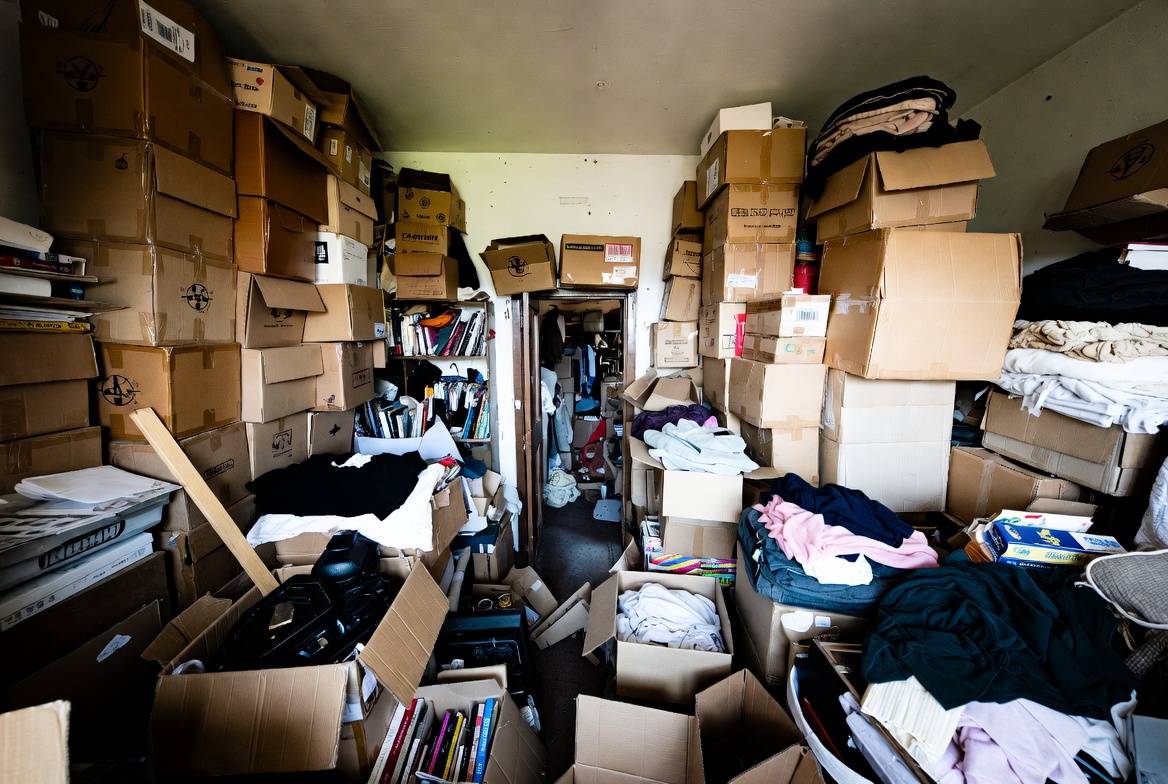
Bellevue’s Eastside mix of high-rises, mid-rises, and hillside homes makes hoarding cleanouts a vertical-logistics and moisture-aware problem: restore egress, contain corridor bag-out, screen biohazards and pests, and pace sorting with privacy—coordinated among owners, tenants, and building management without invented service guarantees.
This Bellevue, WA page is an educational hoarding scene cleanup planning guide. It does not claim a brick-and-mortar office, local crew roster, or promised response time in Bellevue.
Editorial guide · Biohazard Remediation NetworkUpdated 2026-07-22Location focus: Bellevue, WA
Local planning context
Downtown and BelRed growth means many Bellevue residents live in elevator buildings where trash rooms, loading docks, and freight reservations control whether a cleanout stays contained. Hillside single-family areas add steep driveways and limited truck turning that change staging. Pacific Northwest moisture supports mold when piles block ventilation and wet shoes track water into packed entries. Planning must treat building management rules as part of scope, not an afterthought.
Bellevue Fire Department resources and City code-compliance pathways provide official life-safety and property-standards orientation. King County Public Health offers regional public-health context. High-rise fire and life-safety concerns emphasize exit corridors and stairwells that must remain clear during bag-out—staging waste in exit paths recreates the original hazard. Trauma-informed pacing still applies in luxury or high-income buildings; dignity is not optional because median incomes are high.
Tech-driven household density of electronics, batteries, and paper records raises privacy and household-hazardous-waste screening needs. Rodents and insects exploit food delivery waste when kitchens are blocked. Structural loading warning signs in older hillside homes—deflection on stacked storage along exterior walls—should trigger caution. Keep neighbor messaging limited to schedule and pathway protection, especially where hallway cameras exist.