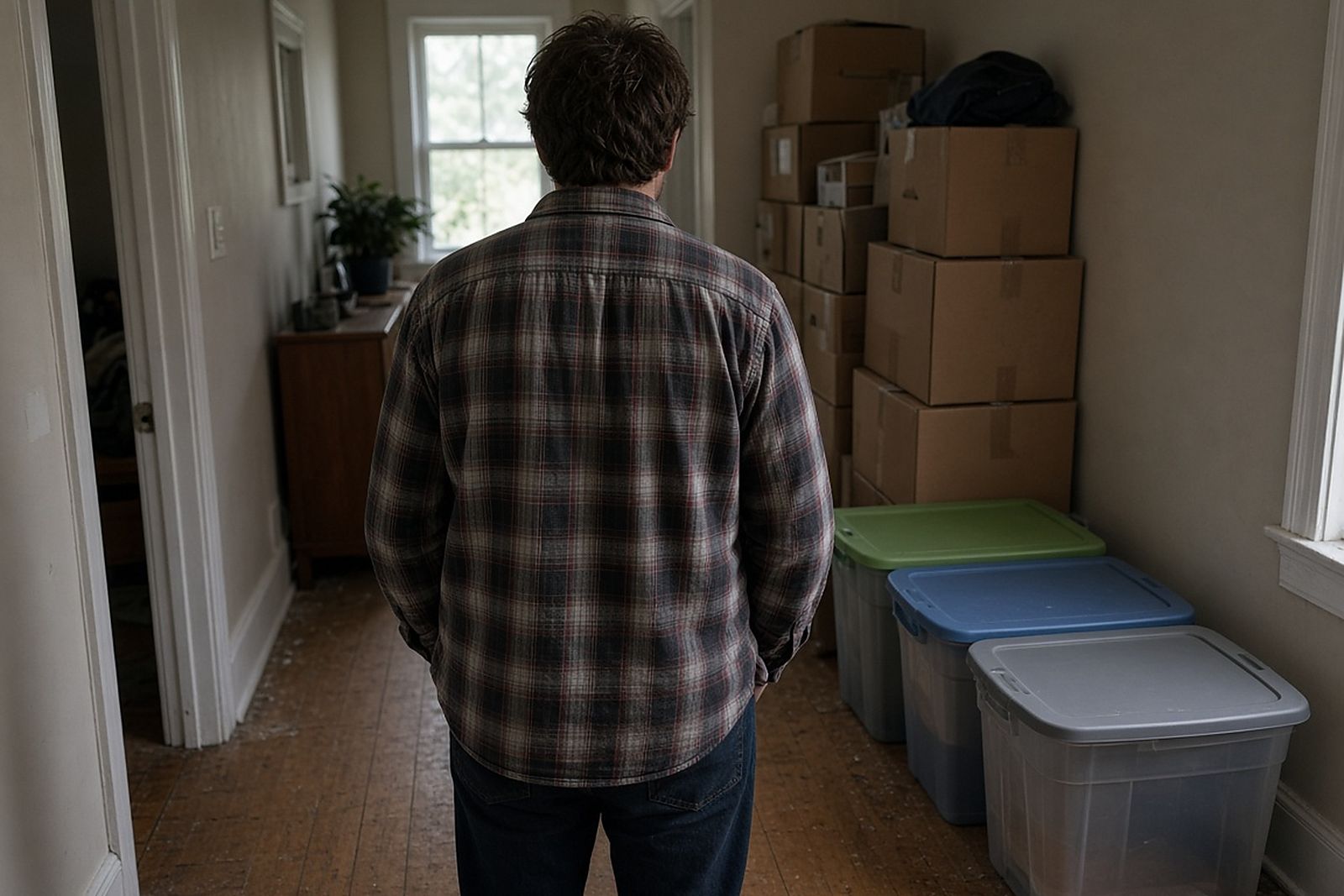
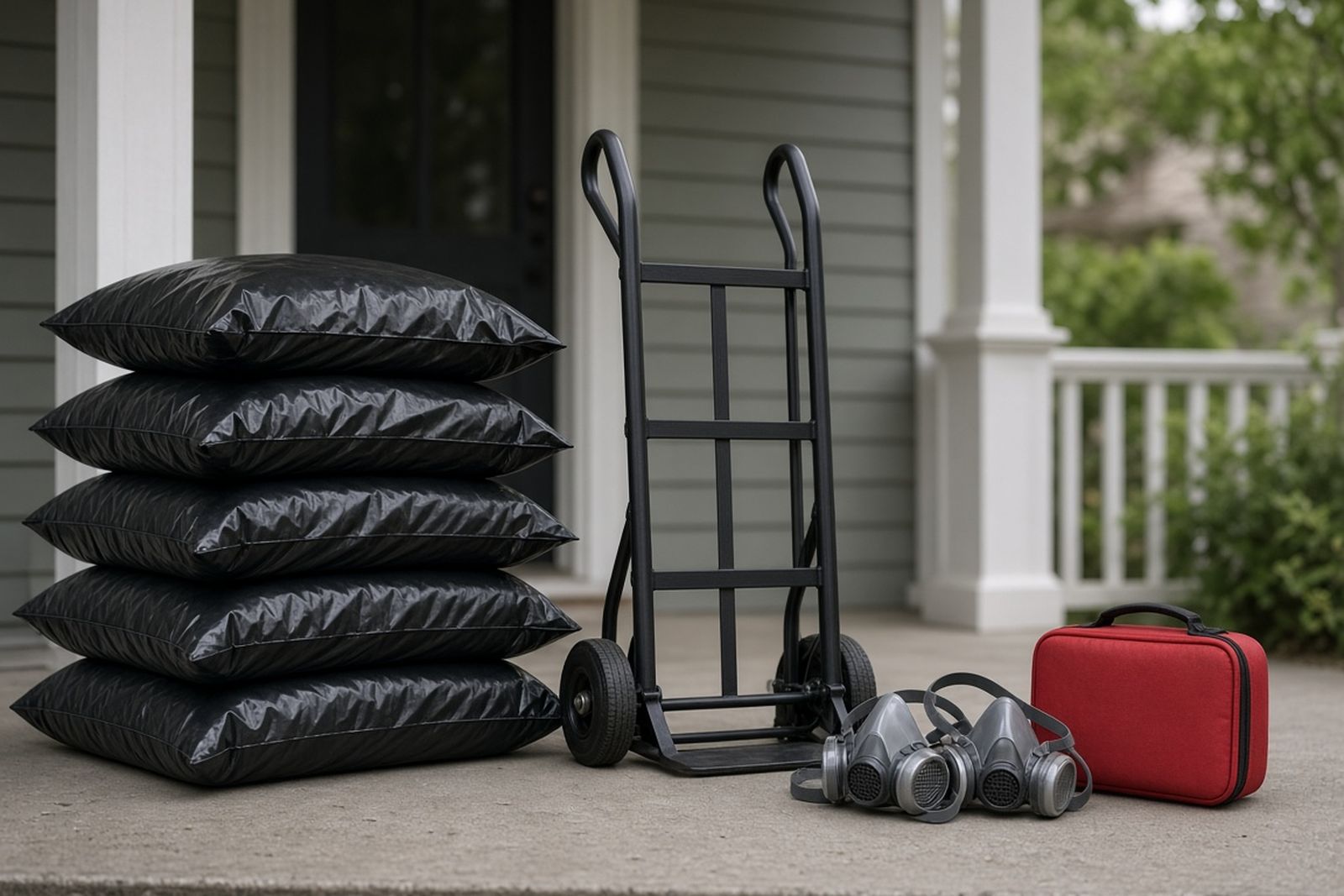
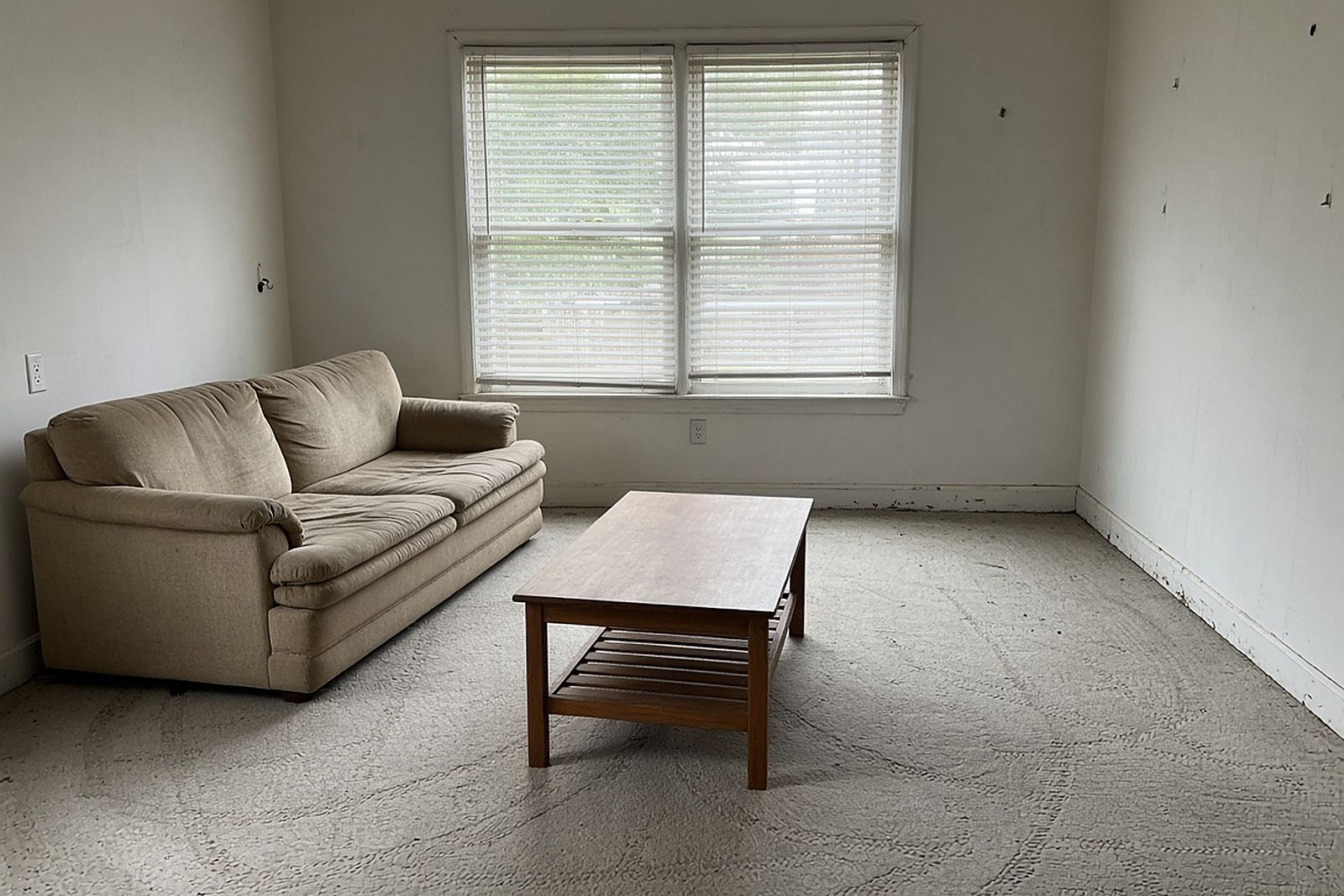
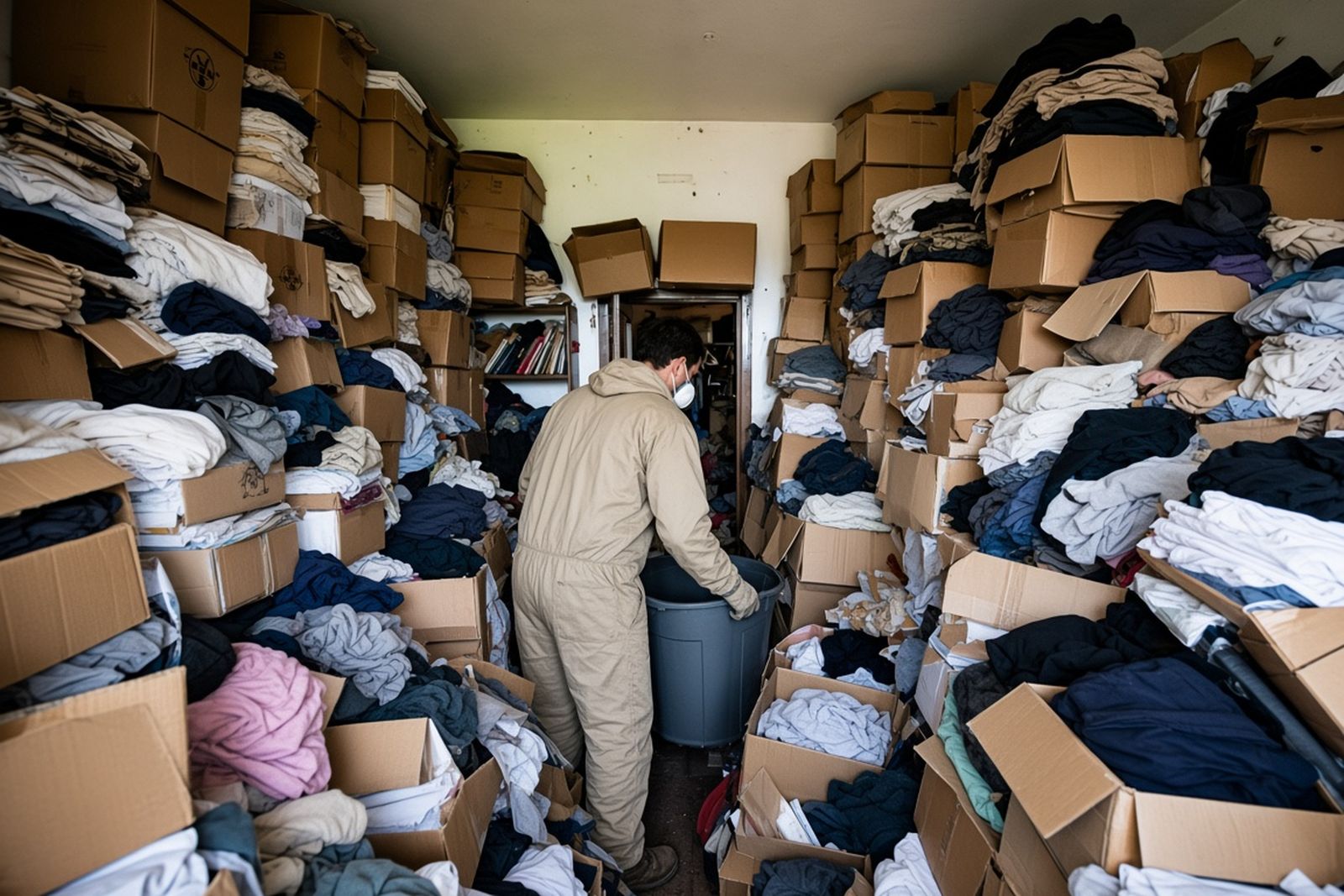
Bluff lots above the Potomac gorge, woods along the streams that feed Difficult Run, and horse outbuildings all shape hauling here. Your drive may have one narrow entrance. Septic drainfield markers have to be avoided, and someone may still sleep in a bunk room overnight. A well-kept lawn above the gorge can hide a loft bunk no one could escape from quickly. Overlook pull-offs on Georgetown Pike and busy park times cut your staging time. Mid-Atlantic humidity swells cardboard, and winter storm windows trap odor in closed dens.
For well water and septic questions on a rural lot, start with Fairfax County's health department and the state. Get fire safety rules straight from official sources, and check the limits for your land with county resources and licensed experts. Those offices don't label anyone, and they don't pick what you toss. Even your barn manager, keys in hand, can't send trust property away. Along with the official advice, keep a signed letter from whoever holds legal authority over the property.
Owners who live out of town, sibling trustees, and horse barn staff often disagree about bridle racks in the tack room or decades of files in the den. In the countryside, your work moves in modest daily goals. Ask for review crates that stay dry, so no cardboard meets your gravel unread. Droppings in barns and sheds are dampened before they're wiped up. Tractor fuel and spray cans stay far from bags of linens. Afterward, book separate visits for rodent sealing and any damp basement work.
Great Falls properties are spread out, and most run on well and septic systems. Before any container arrives, mark your drainfield and tank lids so heavy trucks and bins stay off them. Ask the hauler about trailer runs if your driveway is steep or gravel. Barns and workshops need their own chemical check. Write these site limits into your property file. For a county rule or permit, ask Fairfax County itself.