How are shared stairs protected while bags come down?
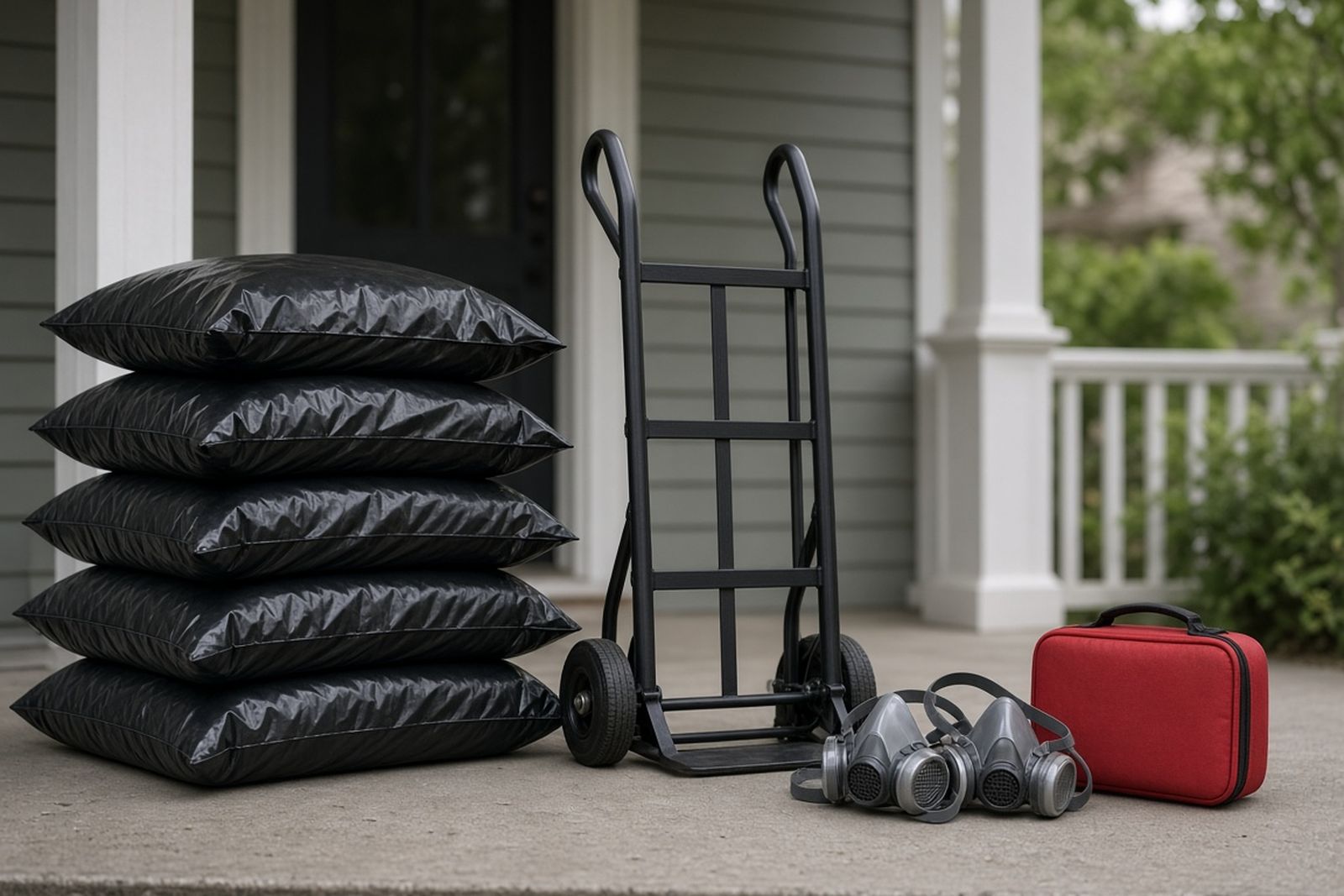
With covers, clear landings and sealed bags. In a soft-story building, every bag may travel on stairs that other households use all day. Handrails get covered, and nothing waits on the exit stairs. Rushing on long carries raises the risk of injury, so expect breaks. Paths to your bedrooms and bathroom still open before the fullest rooms. Before the alley truck is loaded, the owner signs off on which pile is charity, trash or special disposal.
Our home is on a hillside. Can the crew use a normal alley plan?
No, and copying one onto the other stalls the work halfway through the day. Alleys come with gates and fire lanes to work around. Hillsides come with steep slopes and a single flat pad. Ask the crew to measure your real entrance and read the posted curb limits. Bags are filled inside first, and hydrants stay visible. If a film crew takes the curb you wanted, use the backup time you wrote down.
If the fire department visits, can they order belongings thrown out?
No. LAFD guidance explains exits, things that could burn, and how responders get in. It does not name anyone to throw your things out. Code staff may talk about the property's condition, and that still gives no one the right to choose what is kept. Ask for a schedule that opens bedroom paths early. Sorting then happens under written papers from the owner, trustee, landlord or court. Read official pages for the real notice dates.
The owner lives in another county. How do they approve what goes?
By photo, in groups, with set times to reply. If there is no answer, the item goes into a dated hold box. Medicine, IDs, benefits mail and mobility aids are confirmed the same day. A casual text to throw it all out should be turned down unless the sender has legal power. Choices are made room by room. Checks for needles and nests go on at the Los Angeles site while keepsake choices wait.
When should helpers stop pulling paper from a room?
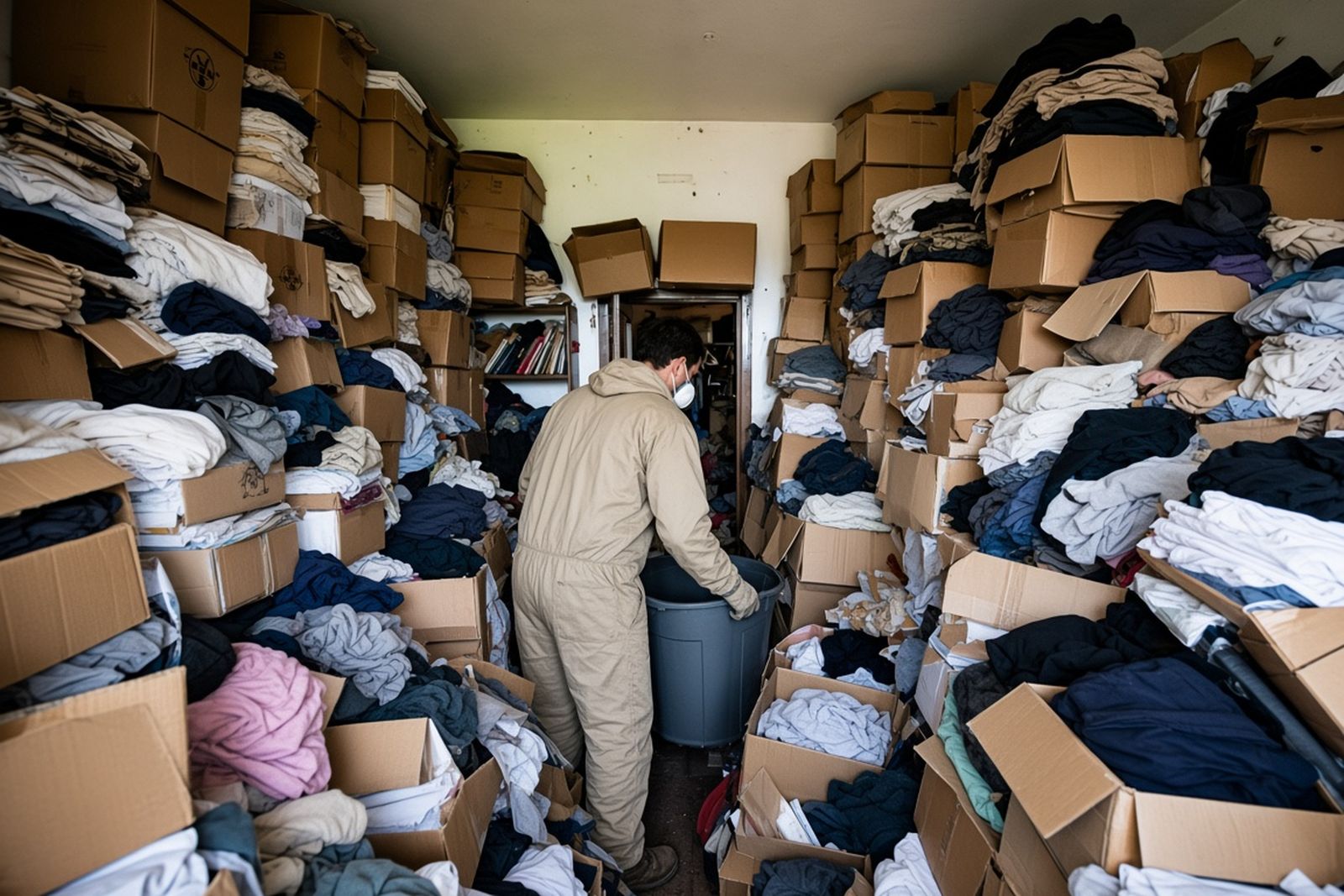
Stop when floors bounce, cracks spread out from stacked loads, or doors suddenly stick. These are warning signs, and only an expert can say what they mean. Clear everyone out of that spot and phone a qualified structural expert. Take photos of what you see. Work can often go on in the back unit or in other rooms that still have a safe way out. Hauling heavy things over a weak floor can add to the harm.
Can clearing the home make it safer in an earthquake?
Yes. Heavy stacks, tall bookcases and things stored on high shelves can fall in an earthquake and block the way out. While rooms are being cleared, move heavy things to low shelves and bolt tall furniture to the wall. Halls and doors should stay open. Once there is room, put shoes, a flashlight and water near the bed. These small steps protect you, or the person you are helping, long after the cleanup is done.
What happens to donations and bulky items?
Clean, usable furniture and housewares often go to charity, but call ahead. Items with pest signs, smells or water damage are usually turned away. The city offers bulky item pickup for residents in many areas, so check with the City of Los Angeles sanitation department before paying for extra hauling. Chemicals, batteries and electronics go to proper drop-off sites, never the curb. The person who decides approves what is given away.