Miami, FL

Hoarding Scene Cleanup Planning in Miami, FL

What to do, who to contact, and what to ask in Miami.

Miami hoarding cleanup help: open bedroom exits, plan around storm season and freight elevators, and put the family's choices in writing in two languages.

Get an email reply about hoarding scene cleanup

Send a short message to the follow-up inbox. A coordinator can reply by email. This form does not send emergency help; call 911 first if anyone is in danger.

Tell us what you need help with. Share a short description; please leave out medical details, access codes, and other sensitive information.

A request does not confirm a booking. For immediate danger, contact local emergency services.

Or email info@roombyroomrecovery.com

The short answer for Miami, FL

In Miami, a cleanup has to work around storm season, hurricane shutters, and your building's freight elevator. Open the way out of each bedroom first. Then put the family's choices in writing, in English and Spanish if you need both, and ask about pests and damp in the salty air. Miami-Dade and Florida health pages can answer your questions.

What to do, step by step

  1. 1

    Draw the way out of each shuttered bedroom

    Draw the route from each bedroom to your condo door and on to the loading dock or street. Photograph the blocked spots, and note whether the shutters were open or closed. Have the smoke detectors uncovered. Hallway stacks come down slowly. Tell the company whether your address is a bayfront tower, a Little Havana walk-up, or a garden court. Balcony plants may give you privacy. They aren't an exit.

  2. 2

    Book freight time around king tides and thunderstorms

    In a tower, the crew protects the halls and books the freight elevator around tropical storm watches and afternoon storms. At a walk-up, the sidewalk and hydrant stay clear. Loads are sealed inside your unit and moved only in approved slots. King tides and afternoon downpours can flood streets in Brickell and Edgewater, so keep a backup loading slot ready. Your neighbors hear the hours, and that's it. Plain notes in both languages help when your building needs them.

  3. 3

    Put the family's choices in writing, in both languages

    Before the first cart moves, write down who decides what's kept, donated, let go, or handled as special waste. Do it in English and Spanish if your family needs both. Pressure to sell or to turn over a short-stay rental gives no one authority. Disputed objects wait in dated photo boxes. Relatives who come to help without gloves and masks can sort at a table, away from any droppings. Log each disputed item that leaves, with the date.

  4. 4

    Have nests and damp checked, and ask for honest finish words

    In a Miami condo, each bag gets a look before it's pressed down. The crew is hunting for needles, pool and cleaning chemicals, spoiled food, and pet waste. Rat or mouse droppings are sprayed until they're damp. That matters most once walls damp from the salty air are uncovered. Warm, humid Miami weather keeps roaches and rodents active all year, so book pest control on its own if they persist. Soft floors get listed separately. Say no to star ratings and made-up stamps.

What cleanup is like in Miami

Bayfront and Brickell towers, walk-ups in Little Havana and Allapattah, and condos with hurricane shutters face a climate problem that drier cities don't. Salt film coats the garage keypad. Afternoon thunderstorms wreck your building's schedule. Shutters trap odor and moisture for hours. Piles can choke a back bedroom while the lobby still looks good enough for a listing. Storm watches reshape the freight elevator calendar, and king tides cut your curb time. Ask the company to time the opening of your shutters to the association's rules.

The Florida Department of Health in Miami-Dade and the statewide Florida Health website can point you to sanitation contacts. Miami-Dade County pages add background on property and waste that many condo boards expect you to know. No agency here labels a resident or chooses what your family keeps. A managing agent's work order doesn't give anyone the power to throw out trust property. The green light to discard comes in writing, from the person with legal say over the belongings.

Families who speak two languages, grown children in other counties, and a condo board often share one Miami cleanup, most of all when a sale or short-stay rental turnover is coming. Sort inside with the air conditioning on, and set a small goal for each day. You can send photos to relatives in Latin America or elsewhere. Prescriptions, walkers, and hearing aids go into a sealed tote early, before a storm watch can upset your schedule. Droppings are wet down first, so dust doesn't get pulled into the AC. Roach and rodent treatment, floor repair, and an AC coil cleaning are separate jobs.

Miami's limits change with the season. From June through November, a tropical storm watch can cancel your planned haul. Once a storm is forecast, your condo board may ban dumpsters and loose bags on balconies or driveways. Tower loading docks run on management schedules. Walk-ups in Little Havana and Allapattah depend on street access that an afternoon downpour can flood. Note these limits in your property file. Check permits or disposal rules with Miami-Dade County or the city, and don't assume.
What to expect for your type of home

  • Brickell and bayfront towers: Book the service elevator early. Every stairwell has to stay free of bags, since your neighbors need those stairs in an emergency.
  • Condos with hurricane shutters: Closed shutters trap damp. Ask for bedroom and bathroom exits to be opened first, and for shutter opening to follow the association's freight times.
  • Little Havana and Allapattah walk-ups: Loading depends on the street. Ask the crew to keep the sidewalk and hydrant clear, and to plan for afternoon downpours.
  • Garden court buildings: Tell the company which kind of building you have, so the plan fits. Balcony plants and courtyard paths are not a way out.
  • Condos with a storage unit: Pool and cleaning chemicals often sit in storage. Ask for the unit to be checked apart from your home, before any bags get mixed.
  • Units with tile floors under heavy stacks: If tile cracks, the floor feels soft, or a door begins to stick, ask the crew to stop work in that room.

Papers and records to keep

  • The deed, lease, or condo papers, plus the name of the person who decides
  • Before and after photos of each bedroom exit, noting whether the shutters were up
  • A route sketch showing the dock or the walk-up stairs
  • The sorting rules in English and Spanish, with the initials of the person who decides
  • Records of needles and special waste: how they were packed and who took them
  • Notes on nests or moisture from the salty, humid air, labeled as follow-up trade jobs
  • A dated list of boxed items still waiting on relatives here or abroad
  • Storm season scheduling notes, your condo's dock rules, and repairs still needed

Local offices and official help

Common questions in Miami

Why open the shuttered bedrooms before we sort keepsakes?

Because when a bedroom is blocked, paramedics and firefighters lose time right away. That's even more true when shutters trap humidity and odor. Keepsakes can wait in dated hold boxes. Ask for a photo of each spot before and after it's opened, with a note on whether the shutters were up. A polished Brickell lobby says nothing about whether your relative can get from bed to the door.

How does storm season change our freight elevator plans?

It can wipe out the dock slot you wanted. Tropical storm watches and afternoon thunderstorms both do it. Line up the opening of your shutters with written freight times, and have bags filled inside first. If a dock slot vanishes, take pictures that show why. Book a backup slot in case a storm cancels the first one. Open piles should never be left out overnight.

Our relatives are abroad and in other states. How can they approve items?

Send them grouped photos with a deadline to reply. Items without an answer stay in dated boxes. On the first day, find prescriptions, passports, Social Security mail, and walkers, before shutters or storms interrupt the work. Building notices in English and Spanish should cover only dates and hours. A WhatsApp message saying to throw everything out doesn't count unless that person has legal authority.

Why check the air conditioning after a bayfront condo is cleared?

Because it stays damp. In bayfront towers, the air conditioning runs almost all year, and condensation keeps the drain pans and coils wet. Once piles are moved away from walls and vents, you may find mold, dust, or signs of pests near the air handler. Have these noted for an AC technician and pest control. Covering the smell won't fix it.

When can we call the cleanout complete?

In Miami, safe means each bedroom has an open route out and the bathrooms work. Hazardous items are gone, the tile and counters in cleared rooms are clean, and the shutters can open. Comfort may still need flooring, drywall, pest-proofing, or coil filters. Never describe a Miami-Dade approval the county didn't really give. Medical care for your relative is separate from the cleanup.

The home has been closed up behind hurricane shutters. What should we do first?

Dry it out. When shutters stay up for a long time, air and light are cut off and humidity builds inside. That can lead to mold on walls, furniture, and stored items. Once the shutters are down, open the windows and run the air conditioning before any heavy work starts. Wear a mask when handling things that smell musty. Replace the AC filters once the unit is cleared.

My mother speaks mainly Spanish. How do we keep her in charge of the choices?

Explain the plan in her own language. Many Miami households include relatives who are more at ease in Spanish, Haitian Creole, or another language. Find out if anyone on the crew speaks it too. Have the keep, donate, and let go rules written in that language as well. A trusted family member at her side can help her feel safe and understood while the work goes on.

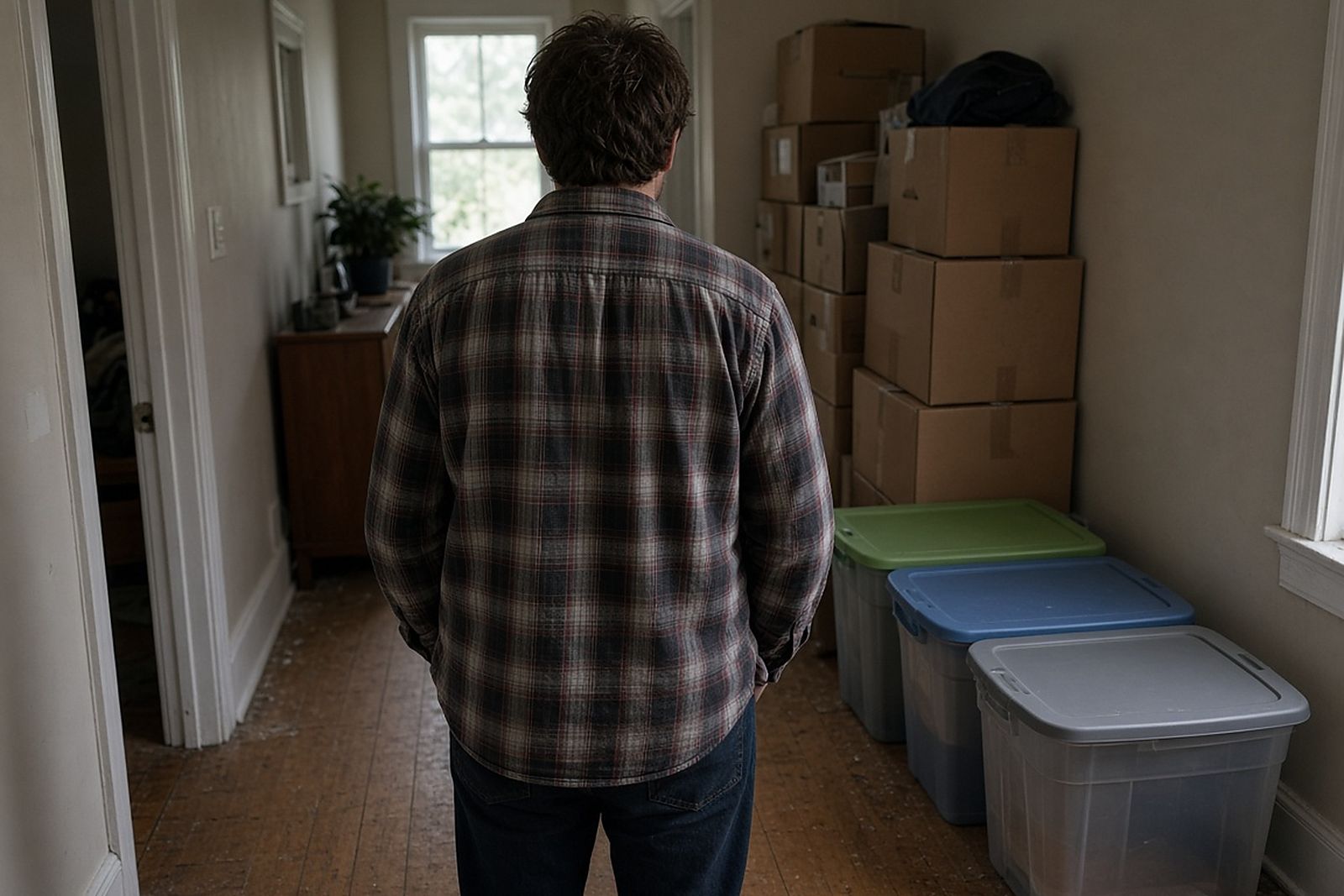
Person seen from behind in a hallway beside stacked boxes and three colored sorting bins
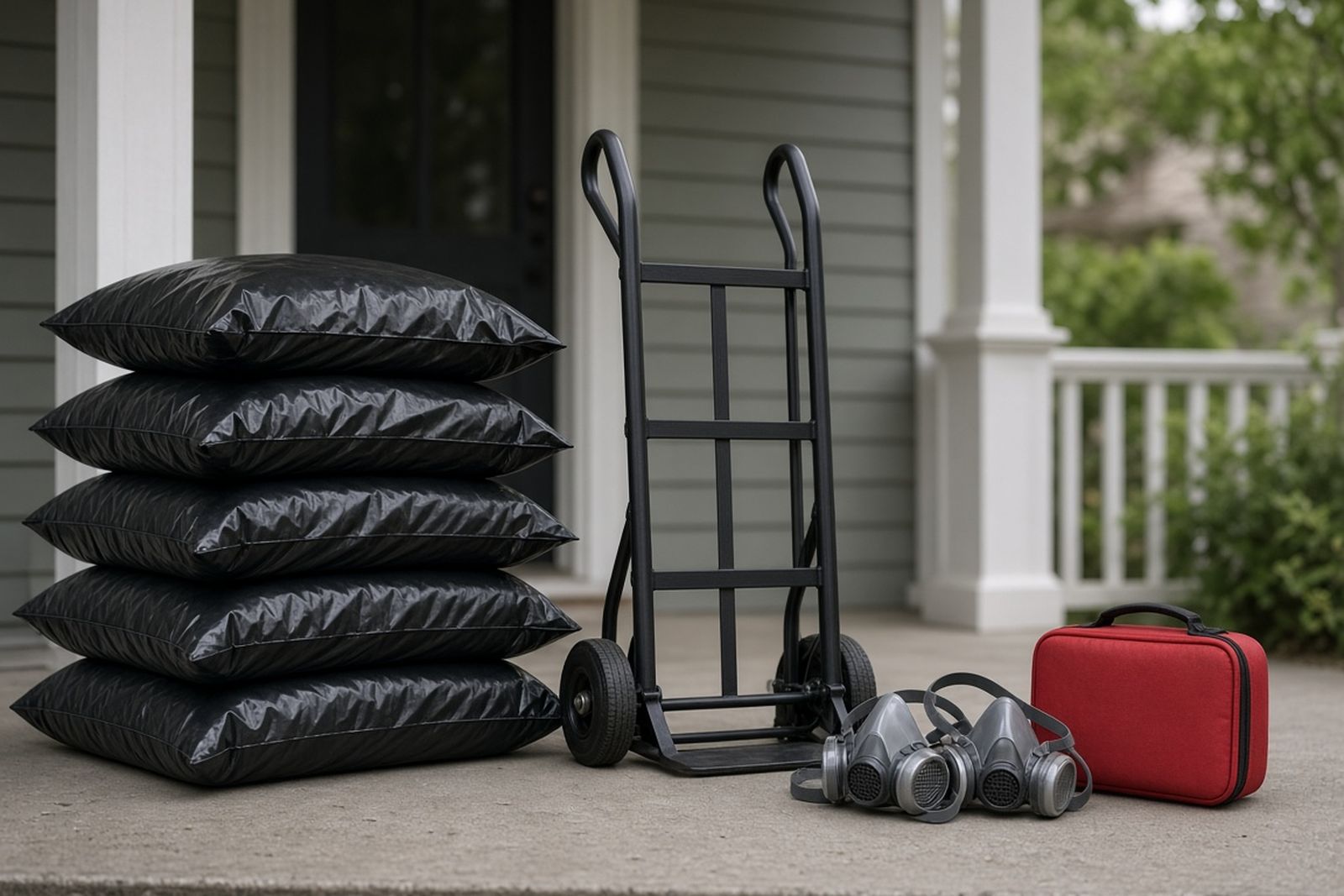
Contractor bags, a hand truck, respirators and a first-aid kit staged on a porch

Facts worth knowing

  • In focus groups with 17 English housing, health and care professionals, participants said forced clear-outs were traumatic for some residents.

    Why it matters: A forced clear-out can do harm, so you may want a company that works at the person's pace where safety allows.

    Source: Haighton et al., 2023

  • In one online survey of 864 people who hoard, 8 to 12% had been evicted or threatened with eviction because of it.

    Why it matters: If you rent, hoarding may put your housing at risk, so starting cleanup before a landlord notice arrives may help.

    Source: Psychiatry Research (Tolin et al.), 2008

  • At one New York City eviction-prevention group, 20% of the 25 clients with hoarding said they had been evicted before.

    Why it matters: Eviction over hoarding does happen, so take your landlord's written warnings seriously and keep copies of them.

    Source: Rodriguez et al., 2012

Tools that help right now

What would you do?

Poll results

Vote to see how other people answered. You can change your answer at any time.

Your experience

If a relative's home had become unsafe, what would be your first step?

Be the first to vote
Process

How much control should the occupant keep over what leaves the home?

Be the first to vote

Need help in Miami?

Send a short message about the property to the follow-up inbox. A coordinator can reply by email with next steps.

Your request is sent to the follow-up inbox. A coordinator can reply by email.

If anyone is hurt or in danger, call 911 first.