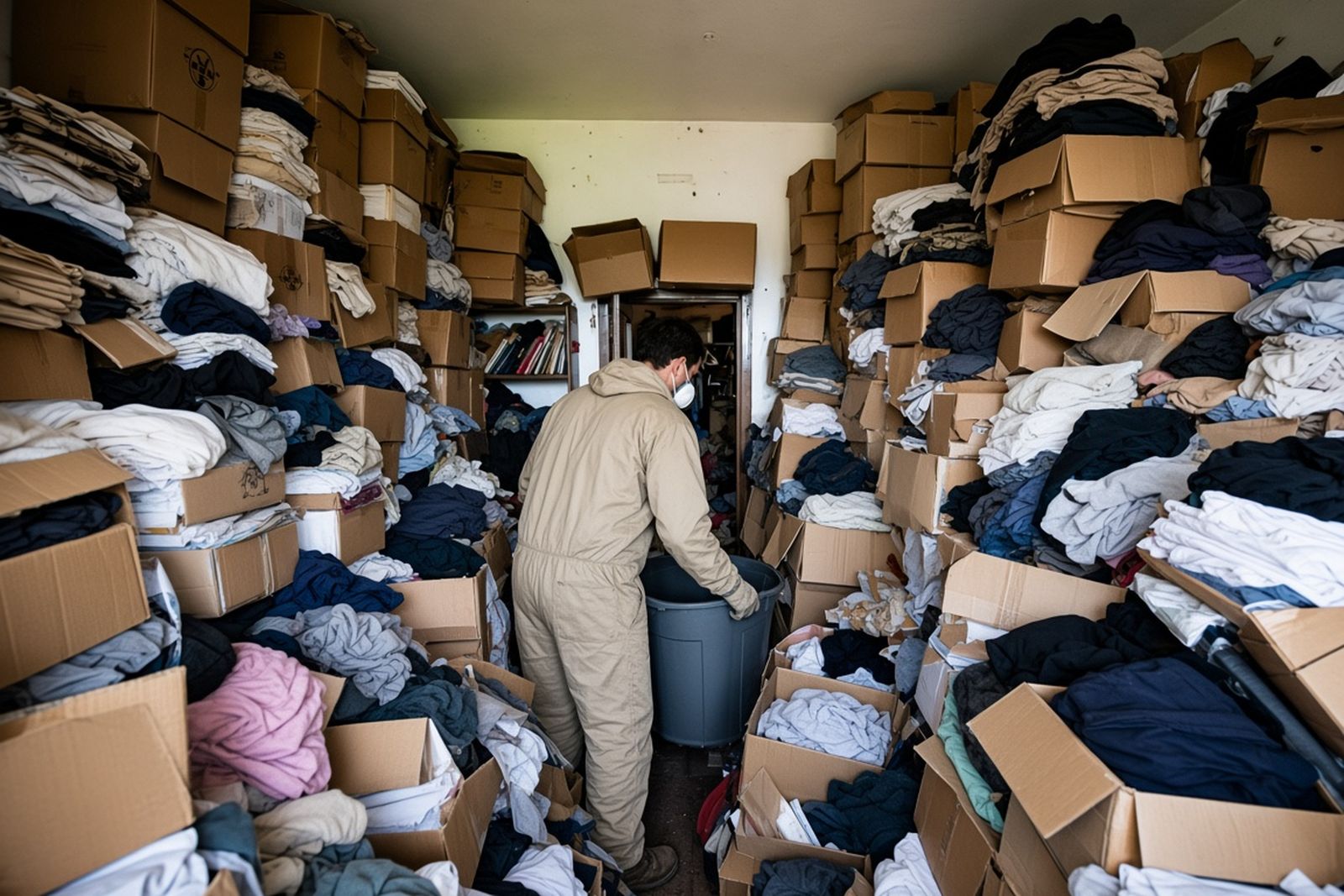
With mansions facing the Atlantic and staff wings on the Lake Worth Lagoon side, every bag from your home has to work around traffic on the Flagler and Royal Park bridges. There are gated entrances along the Intracoastal, and some cottage lofts are still slept in. Piles can seal off a back bedroom while the ocean lawn looks fine for a listing. Salt air and subtropical damp swell cardboard and pit hardware once piles leave the walls. Event weekends on Worth Avenue wipe out legal staging space on the roads onto the island. Expect the schedule to follow the bridges.
The state health department's Palm Beach County office is your local contact for sanitation questions. County pages add property background that trustees expect to see. Agencies don't label anyone in your household, and they don't run a keep-or-let-go booth. A house steward's key ring doesn't give anyone the power to discard. That power belongs to the trustee or owner, in writing. If your relative still lives in the house, the letter should start with what they want.
Owners up north, sibling trustees, and seasonal house stewards often disagree about boating trophies, guest linens, and decades of ledgers in the den. On the island, your work moves in modest daily amounts, timed to quieter bridge hours. Ask for review trays that stay cool and dry until the cardboard goes out to your coral gravel. Roof rats are common here, so their droppings are soaked before cleanup. After your bags leave, pest-proofing and work on clammy rooms are booked as later jobs.
On the island, the bridges and the season shape every plan you make. Trucks reach Palm Beach over just a few bridges, and winter traffic is heavy. Many estates are closed for months, so humidity can build in shuttered rooms before anyone notices. Town rules on contractor hours, where bins can go, and landscaping can be strict. Ask the Town of Palm Beach before you book a bin. Write the access limits, the seasonal timing, and any association rules into your property file.