What's different on day one between a South End tower and a North Stamford ranch?
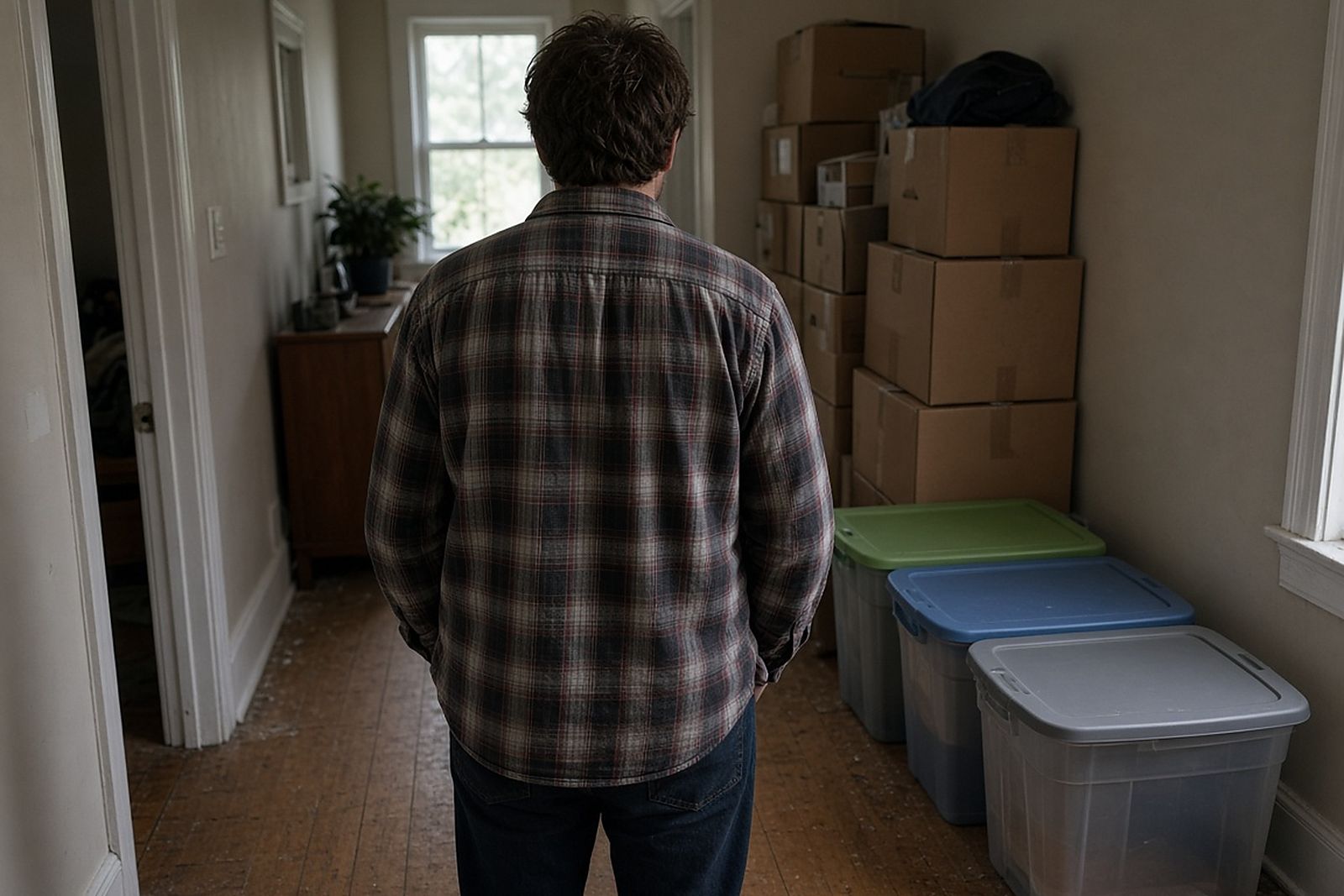
The first trouble spot is different. In a tower, it's the shared space: the freight elevator, the stairs, and the trash room. At a ranch, it's the narrow driveway and the chemicals in the garage. In both, your bedrooms get a clear way out before anyone digs into piles. A tower needs an elevator booking and padded landings. At a house, the dumpster has to fit the driveway. Unsorted bags should never sit on stairs that others use to get out.
Our closing is coming up. Can the managing agent just clear the unit?
Usually not, unless written papers give the agent that power. Agents often control access, elevators, and work hours. The right to discard still comes from the owner, the shareholder, a landlord with legal rights, a trustee, or a person appointed by a court. Things your family disagrees about go into review crates. Pills and IDs are packed first, whatever else is undecided. If the papers are unclear, leave the disputed items alone until someone with authority answers.
What will our condo board want to see when the cleanup is done?
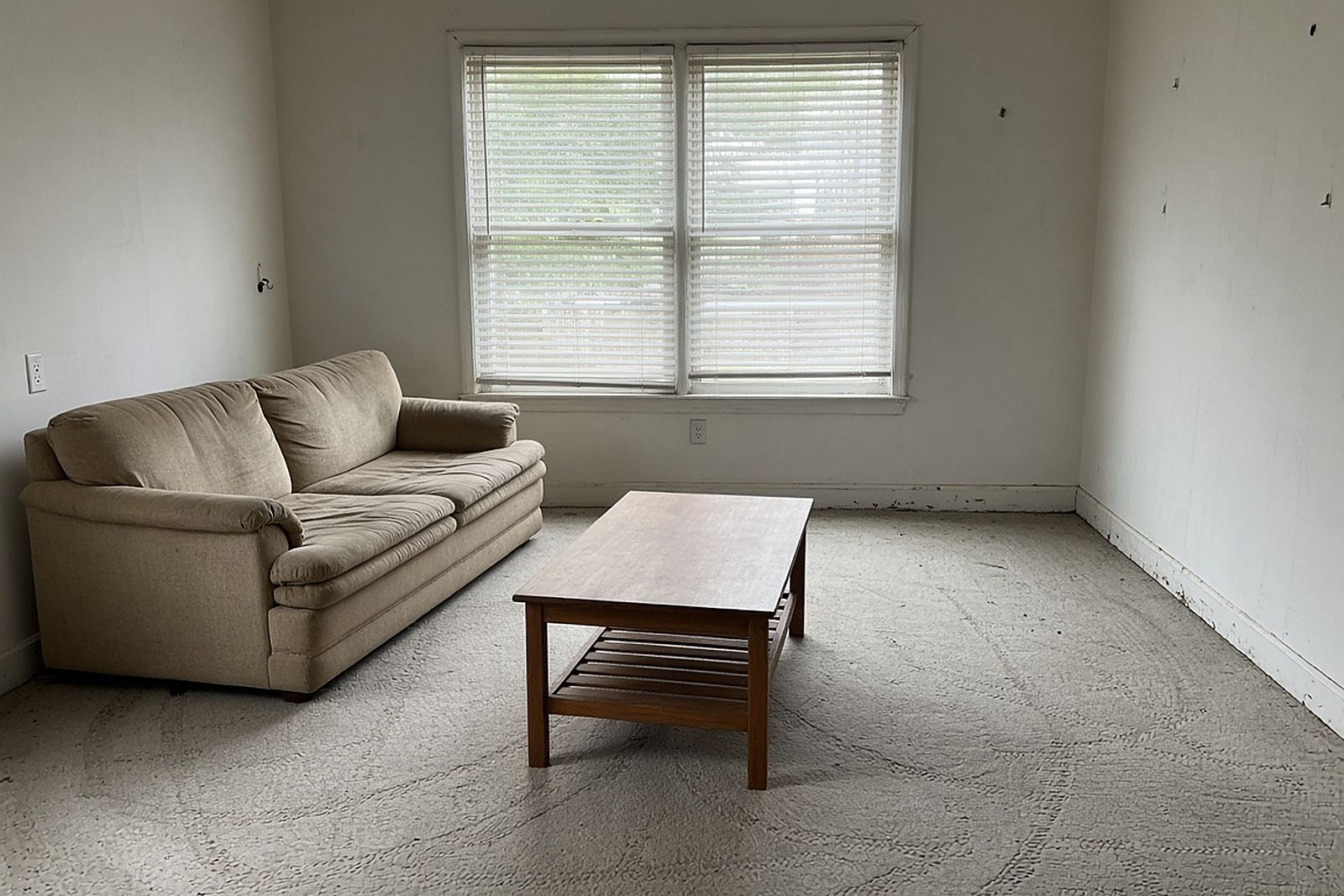
Most boards in downtown and Harbor Point towers want proof that the building was protected and the unit is safe. That usually means photos of the hallway and elevator covers, and before and after photos of the unit's exits. They may also ask for the owner's signed approval, a disposal record, and a list of repairs still needed. Leave out personal details about the person who lives there. You and the managing agent should each keep a copy.
What about the storage cage downstairs?
Have it checked on its own. Tower storage cages and suburban garages both tend to gather spray cans, paint, and gas, and those must stay out of the clothing bags. Pests can also travel from a cage to your unit through the halls. Ask the crew to list chemicals apart from the things you're giving away. The halls need the same protection during a cage cleanout as they get when bags leave your unit.
We're worried. What can the Stamford health department's website tell us?
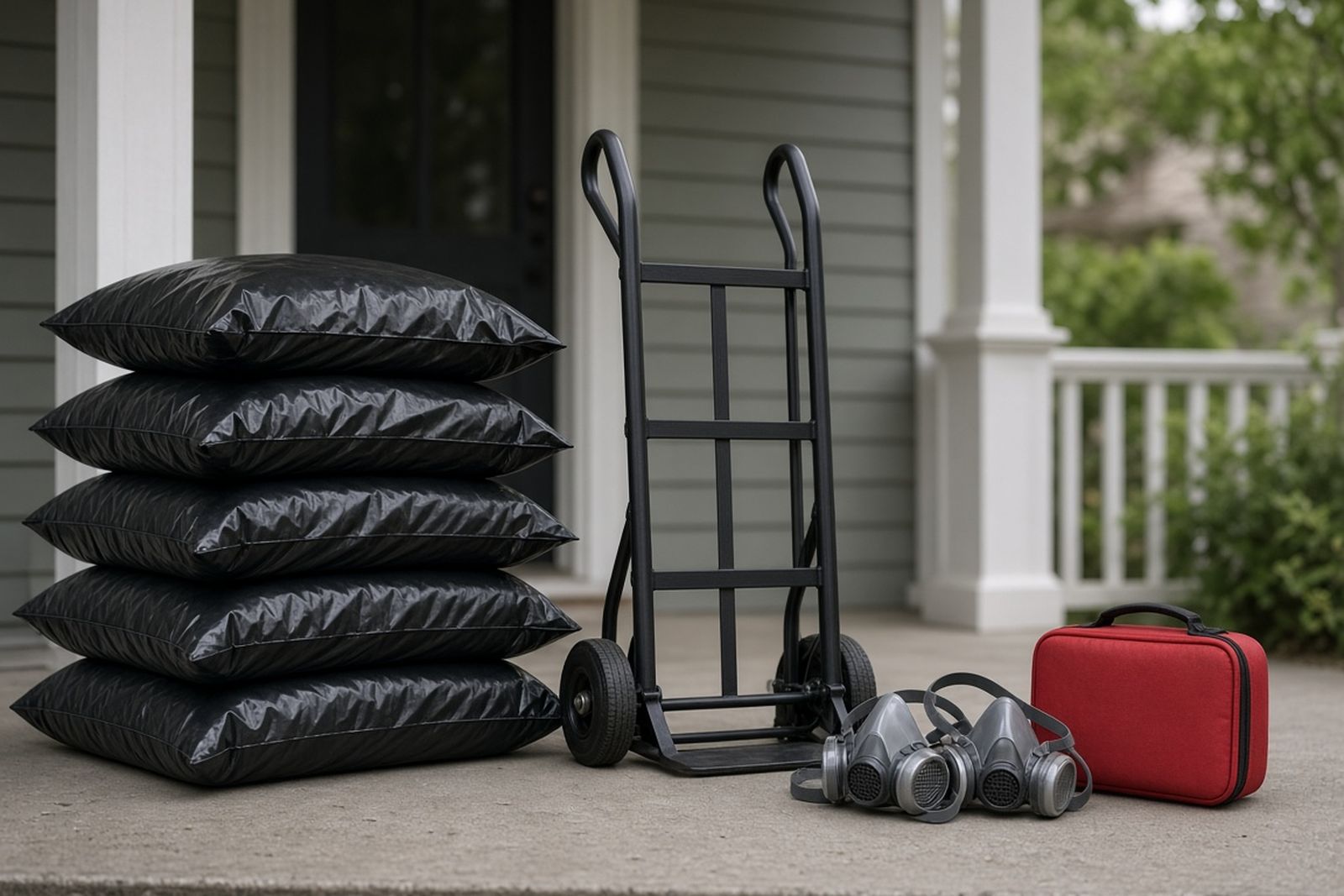
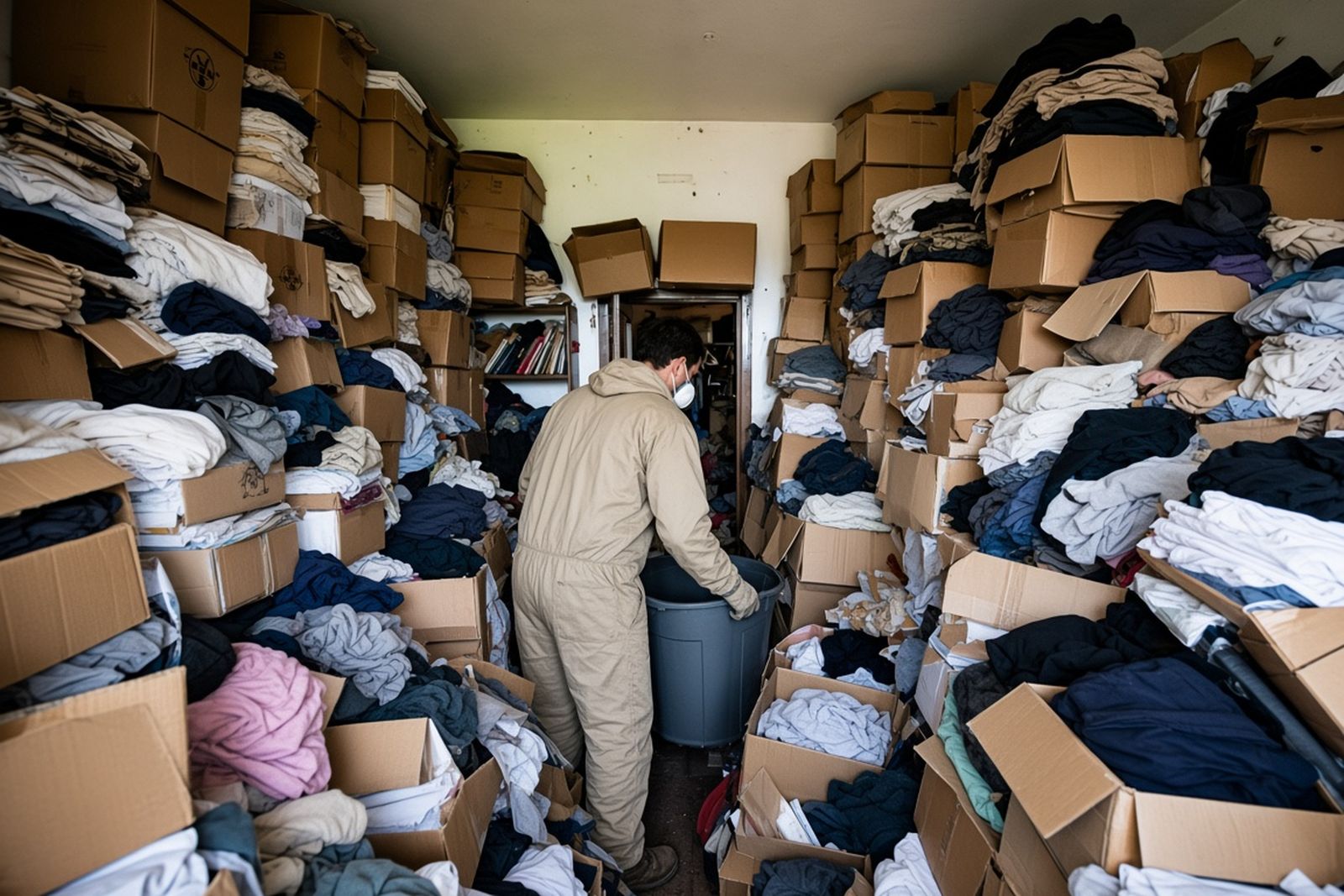
It explains what's expected for cleanliness in a home. It doesn't give anyone the right to throw out your relative's things. Start with the bedroom routes and the space around the baseboard heaters. Photograph the progress, and box anything your family disagrees about. One rushed weekend without gloves or masks tends to cause injuries and lose papers your relative needs to keep their housing. Counseling or treatment is a separate talk with their own care provider.
How does winter change a cleanup in Stamford?
Snow and ice make North Stamford driveways and downtown sidewalks slick during hauling. Ask the crew to clear and salt the walkways before loading, and to keep the floors inside dry with mats. In a tower, staff may limit the freight elevator during a storm. Heavy snow on a dumpster adds weight and can delay pickup. Plan your big loading days around the forecast. On stormy days, indoor work like sorting and opening exits can keep going.
I rent in Stamford and my landlord raised concerns about my apartment. What should I do?
Ask for the concerns in writing first. Then work on the safety items, like blocked exits and pests, before anything else. Share dated photos of your progress with the building manager. If you're handed formal papers, a Connecticut legal aid program can walk you through them. You don't have to do the talking alone, either. A trusted friend or relative can sit in when you speak with management, which often lowers the stress.