Direct answer
What should a property decision-maker know in Alexandria, VA?
Alexandria methamphetamine residue work spans historic Old Town row houses and Potomac waterfront apartments under the same Virginia VDH manufacturing-site guidelines—including the 1.5 µg/100 cm² surface target—and § 55.1-708 disclosure. Alley staging, party-wall plaster, and City Health Department context shape logistics that differ from Arlington County corridor towers.
This Alexandria, VA page is an educational meth lab cleanup planning guide. It does not claim a brick-and-mortar office, local crew roster, or promised response time in Alexandria.
Editorial guide · Biohazard Remediation NetworkUpdated 2026-07-22Location focus: Alexandria, VA
Local planning context
Alexandria is an independent Virginia city combining Old Town row houses, mid-century walk-ups, and newer Potomac waterfront buildings inside the Washington DC metro. Residue cases may involve compact historic interiors with porous plaster and wood, or larger multi-unit buildings with shared corridors. Virginia law (§ 32.1-11.7) requires Board of Health guidelines for cleanup and certification to a post-cleanup target. VDH’s August 6, 2025 guidelines set the health-based methamphetamine surface standard at 1.5 µg/100 cm² and note that those guidelines do not themselves have the force of law. Code of Virginia § 55.1-708 imposes purchaser disclosure when an owner knows of prior manufacture and guideline cleanup has not been completed. Those authorities—not smell—frame Alexandria manufacturing-site clearance conversations.
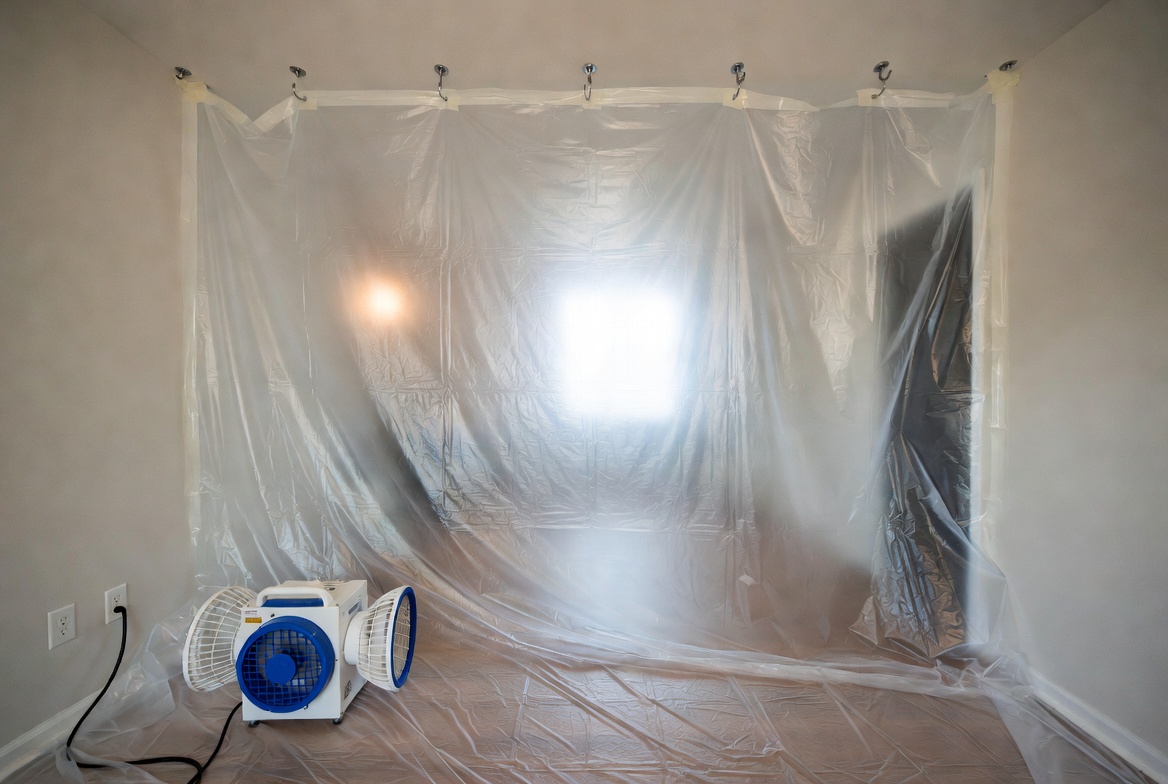
Historic-district and Old Town street geometry change logistics: narrow alleys, limited truck staging, and party-wall renovations affect how porous materials leave the site and how containment is held against neighboring homes. The City of Alexandria Health Department is the local public-health contact for municipal questions after a scene is stable. Hazardous-waste characterization still applies when chemically contaminated debris leaves the property. Distinguish illicit manufacturing from use-only smoking: disclosure statute language centers on manufacture, while use-only residue can still impregnate soft goods and HVAC dust and should be sampled before re-occupancy. Cross-contamination risk is acute when row-house debris moves uncovered past party walls or when waterfront elevator buildings stage soft goods in open lobbies.
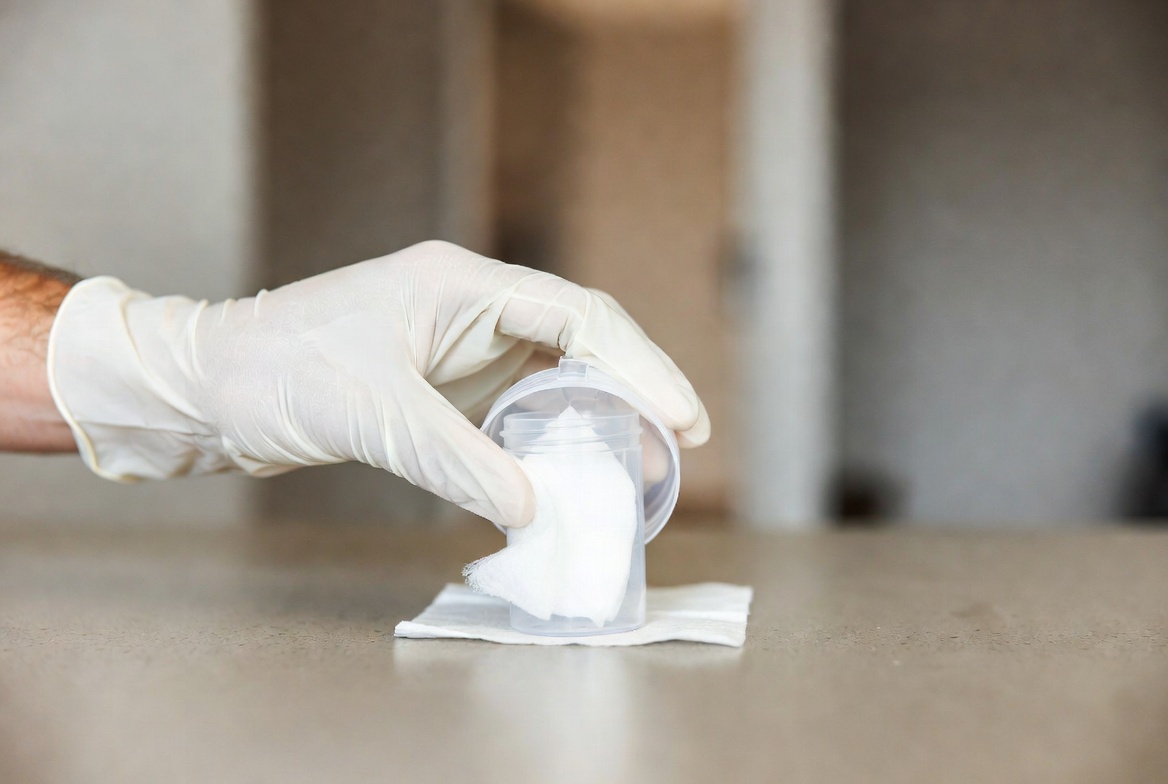
DC-metro transactions expect paperwork. Align certification sampling with the VDH 1.5 µg/100 cm² target for manufacturing-site cleanups, keep maps and lab PDFs, and prepare disclosure forms when required. Do not encapsulate residue with paint before sampling strategy is set. Children should not return until post-cleanup results support re-entry under the guidelines’ target. Treat VDH figures as official guidance used for certification—not as a freestanding criminal penalty schedule.