What meth target does Virginia set after cleanup for my Arlington unit?
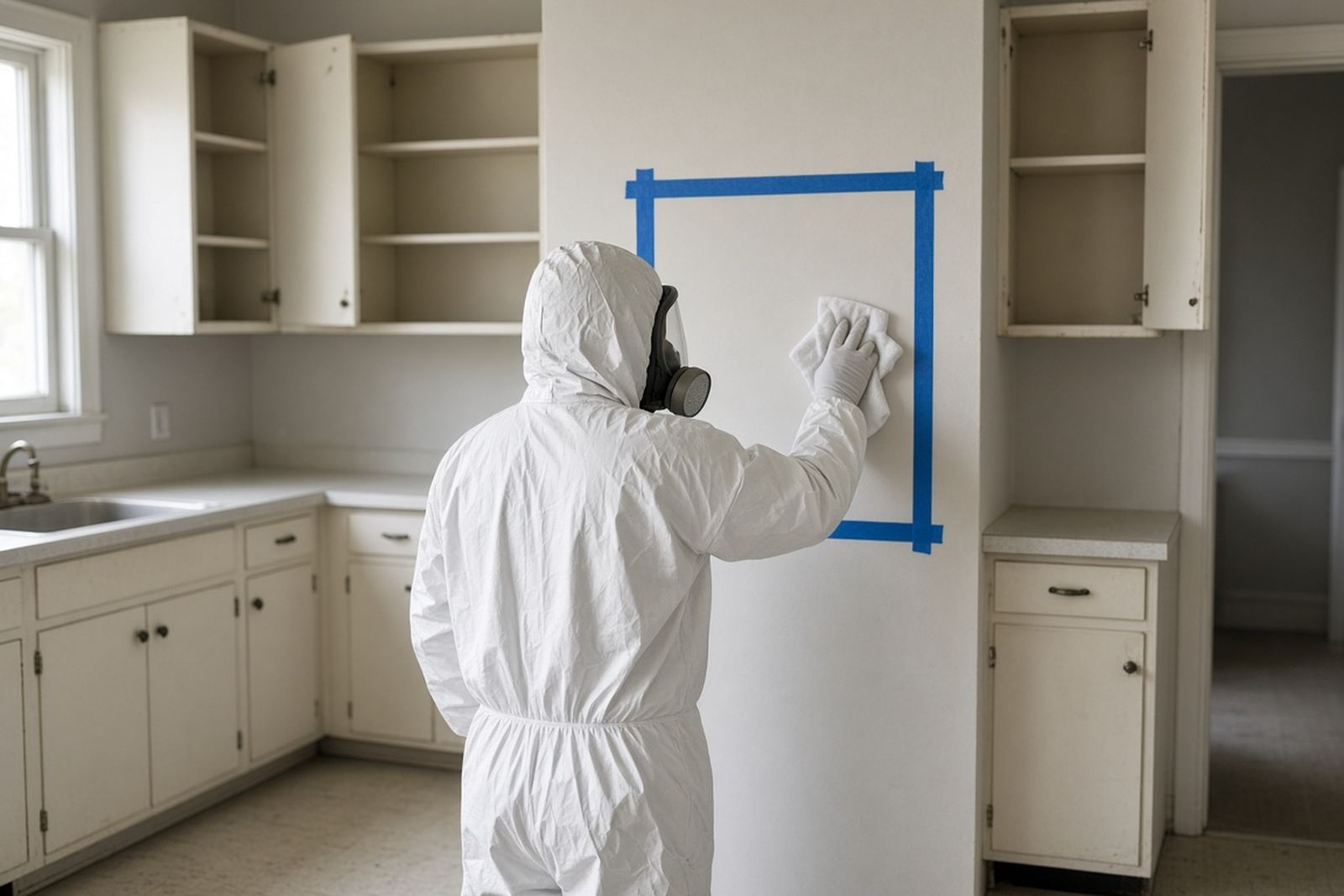
The target is 1.5 micrograms per 100 square centimeters (µg/100 cm²) of meth left on surfaces. It comes from VDH's cleanup and certification guidelines for buildings once used to make meth, dated August 6, 2025. Code of Virginia § 32.1-11.7 calls for guidelines that certify levels are at or below the target after cleanup. VDH calls them guidance, meaning they do not carry legal force by themselves. Still, they are the Board's official benchmark. Keep mapped lab results with any certification forms in your condo or rental file.
When must I disclose that meth was once made in my Arlington home?
You must disclose when you truly know two things. First, the property was once used to make meth. Second, it was not cleaned up under the § 32.1-11.7 guidelines and the license rules the law names. Code of Virginia § 55.1-708 then requires a written notice to the buyer, on the Real Estate Board form. If cleanup and certification under the guidelines are done, the disclosure question changes. Check where you stand with a lawyer, and keep the VDH-based certification file.
Meth was only smoked in my unit. Does it follow the same certification path?
No. VDH's guidelines and § 32.1-11.7 are written for buildings once used to make meth, and the disclosure trigger in § 55.1-708 is about past meth making. Smoking alone can still coat surfaces, soft goods, and dust in the heating, cooling, or fan-coil system. So you should still test and make careful choices about soft materials. Do not claim meth lab certification if meth was never made there. If signs of meth making show up, switch to the VDH cleanup and certification path for meth labs.
How should the elevators and shafts be controlled in my high-rise?
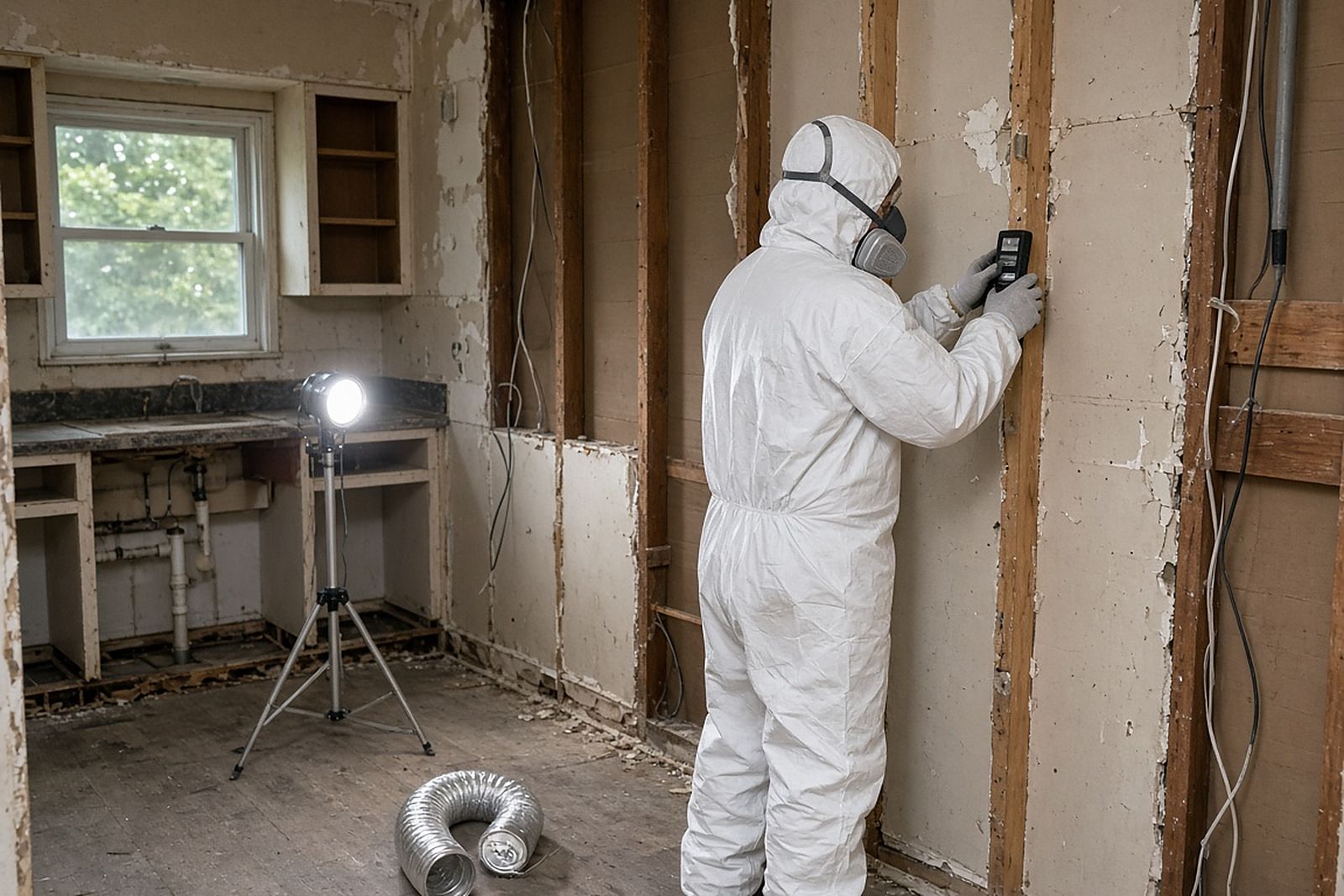
Start by finding out if your unit's air system stands alone or ties into equipment for the whole floor. Fans are turned off during tear-out, filters are replaced, and the returns or fan-coil cabinets are checked. Hallway doors are sealed. Debris moves through elevators and loading docks only in sealed containers. Shafts and trash rooms can spread dust if they stay open to the work area. Photos of lobby protection help your board and buyers see the controls.
What papers make my Arlington cleanup file complete?
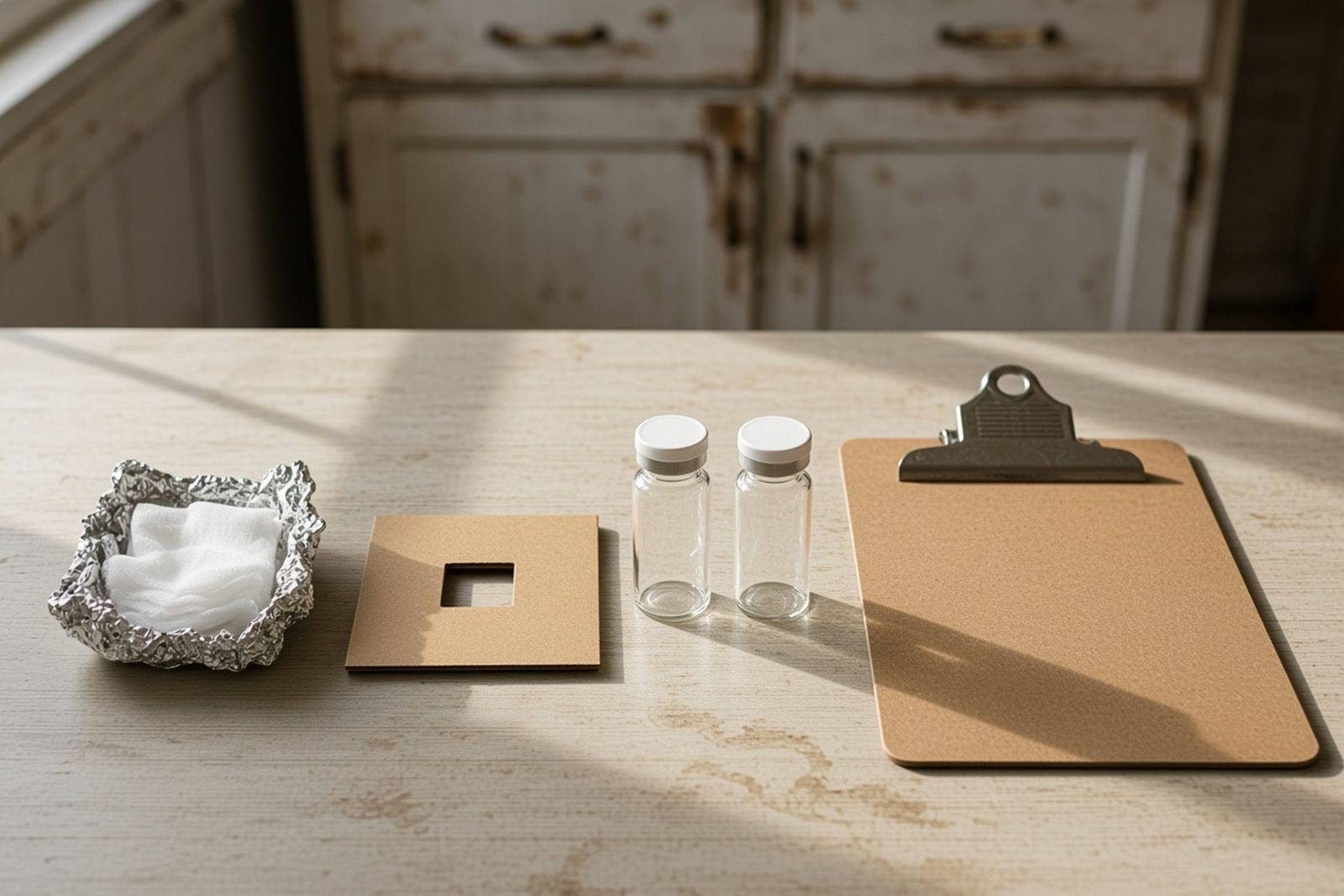
The heart of the file is the accredited lab sheets showing 1.5 µg/100 cm² or less, plus the certification paperwork VDH lays out. Around that, keep the checklist the crew worked from, their notes, a list of what was torn out, and the waste records. Add fan-coil or heating and cooling notes and the chain-of-custody forms that track each sample. For a sale, keep § 55.1-708 form records if disclosure was required. Maps of sample spots are key for condo packets.
I rent a garden apartment. What should I know about residue from the unit next door?
Ask management whether nearby units were tested, and ask for the results in writing. Arlington's older garden-style complexes often share attics, basement laundry rooms, and stairwells between units. If a neighbor smoked or cooked meth in their apartment, dust can travel through those shared spaces. If your unit was not tested and you are worried, especially with young children, ask whether testing can be done first. Arlington County's public health office can answer general health questions as a neutral contact.
How does fast turnover near Metro affect my cleanup schedule?
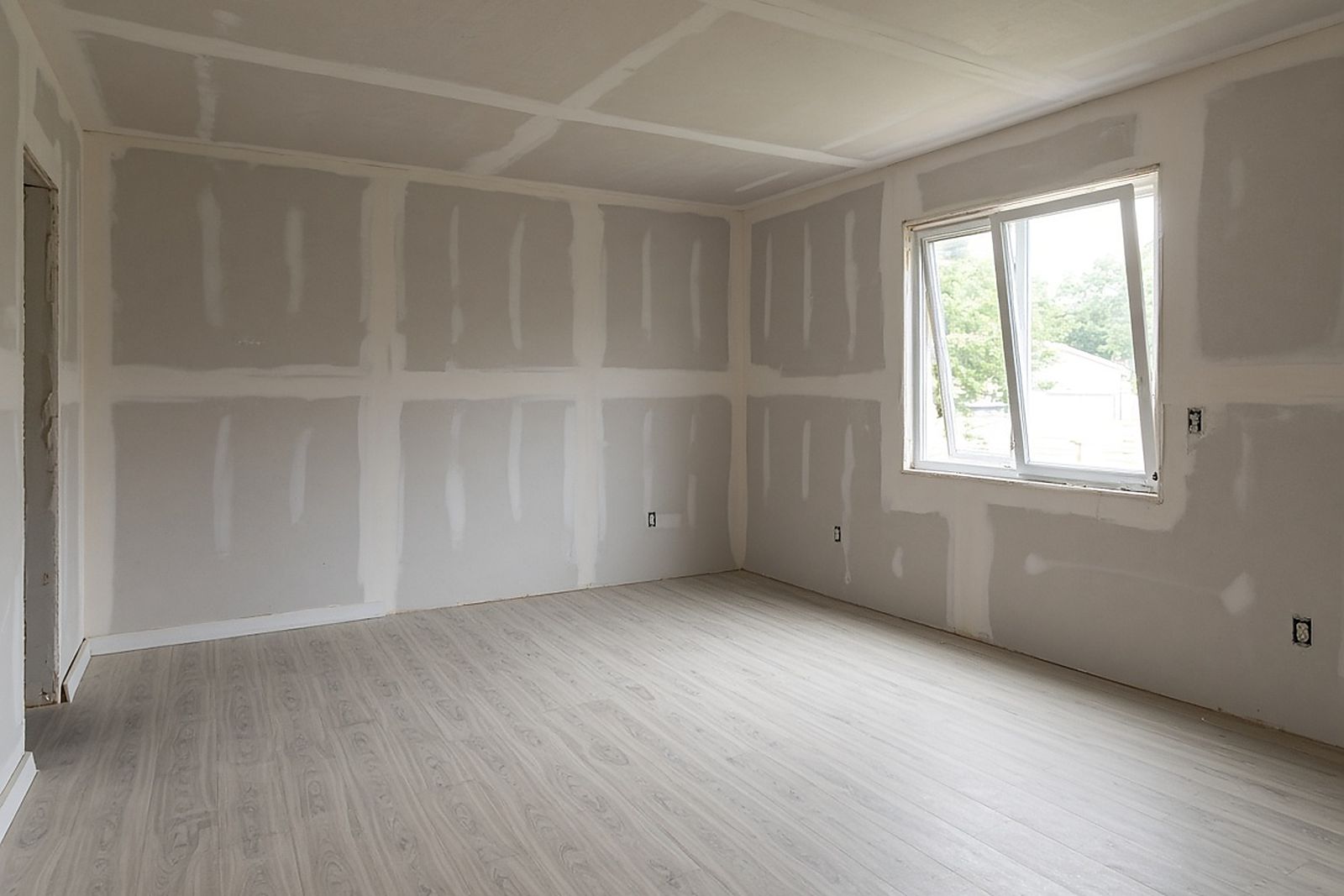
It tempts you to rush, and rushing usually backfires. Units along the Rosslyn-Ballston and Crystal City corridors turn over fast, and owners feel pushed to relist quickly. But painting before testing can hide residue. A failed wipe test after new tenants move in is far more disruptive than a short delay. Leave time for lab results and at least one possible retest. Book elevators and loading docks early, since high-rise managers often need advance notice.