Direct answer
What should a property decision-maker know in Beverly Hills, CA?
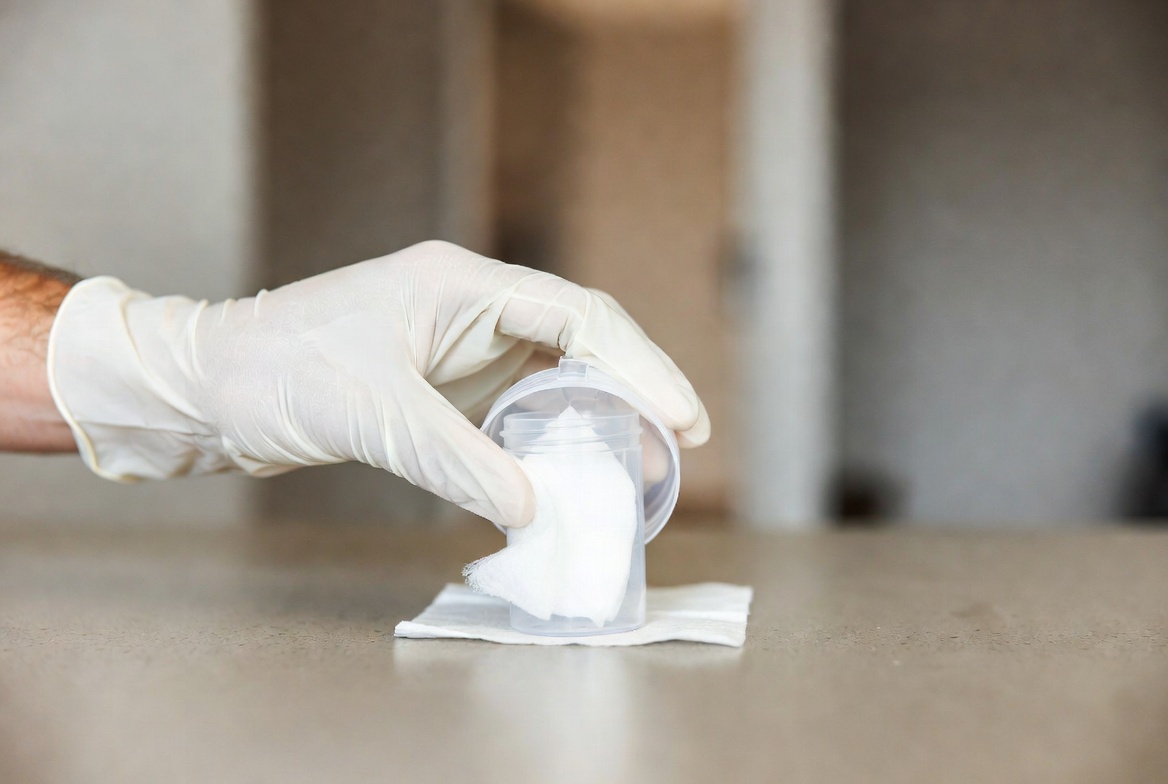
Beverly Hills methamphetamine residue work is an estate-management and escrow-documentation problem under California Health and Safety Code section 25400.16. Gate-house logistics, staff-wing inventories, and insurer riders demand accredited wipe results for methamphetamine laboratory activity at ≤1.5 µg/100 cm²—and below-detection fentanyl results when that laboratory chemistry applies—rather than fragrance or a rushed staging reset.
This Beverly Hills, CA page is an educational meth lab cleanup planning guide. It does not claim a brick-and-mortar office, local crew roster, or promised response time in Beverly Hills.
Editorial guide · Biohazard Remediation NetworkUpdated 2026-07-22Location focus: Beverly Hills, CA
Local planning context
Westside gated compounds often include chauffeur courts, staff suites above garages, screening rooms, and wine cellars that never appear in listing photos. Residue discoveries tend to surface during probate inventories, after a vacant staff suite shows smoking debris, or when an environmental consultant hired mid-escrow asks for wipe data before removing contingencies. Under Health and Safety Code section 25400.16, methamphetamine laboratory-activity contamination is safe for human occupancy for purposes of that chapter only when indoor-surface methamphetamine is ≤1.5 µg/100 cm²; lead and mercury add-ons apply when those metals were part of the cook chemistry. Fentanyl laboratory-activity contamination is safe for occupancy under the chapter only when indoor-surface fentanyl is below the detection level until a state or federal health-based remediation standard is adopted. Celebrity-privacy preferences do not rewrite those statutory benchmarks.
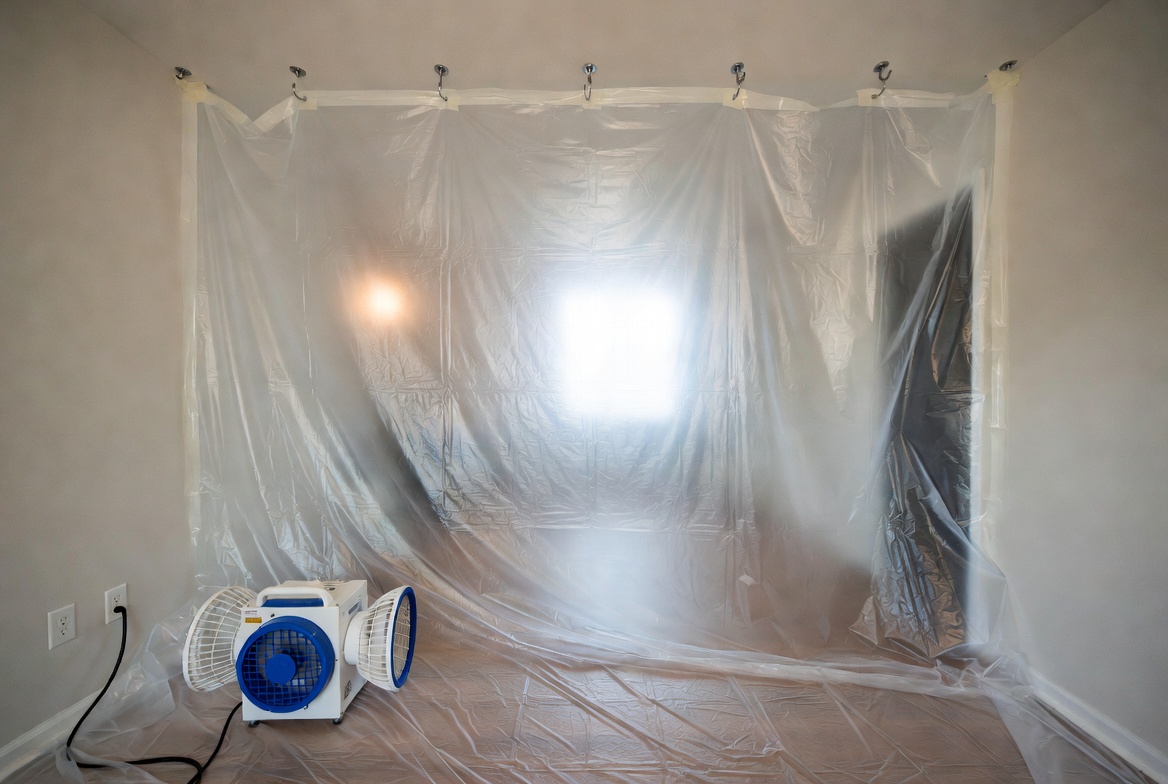
Los Angeles County Department of Public Health anchors local health-officer questions after law enforcement notifies the county pathway. DTSC’s Illegal Drug Lab Removal Program clears bulk precursors and solvents found during raids; millwork, draperies, and duct dust remain the owner’s sampling-and-remediation file. Illicit manufacturing leaves etched glassware, solvent cans, and stained sinks that expand hazardous-waste profiling. Use-only smoking still loads velvet upholstery, thick wool carpets, and return grilles inside sealed luxury rooms. Tracking risk spikes when house staff carry laundry baskets from a contaminated suite through a marble foyer without sealed bags.
Escrow culture on the Westside is rider-heavy: environmental addenda, insurer questionnaires, and estate-manager memos circulate under nondisclosure. Porous finishes fail casual washing. Do not authorize open-house photography until post-remediation laboratory comparisons to the applicable HSC 25400.16 chemistry exist. Keep the narrative honest about manufacture versus use-only findings so counsel can disclose accurately.