Coral Gables, FL

Meth Lab Cleanup in Coral Gables, FL: Mediterranean Plaster, Courtyard Villas, and Wipe Maps

What to do, who to contact, and what to ask in Coral Gables.

Meth residue in a Coral Gables villa or rental? Florida has no clear state number. See how old plaster, tile attics and lab results shape the cleanup.

Get an email reply about meth lab cleanup

Send a short message to the follow-up inbox. A coordinator can reply by email. This form does not send emergency help; call 911 first if anyone is in danger.

Tell us what you need help with. Share a short description; please leave out medical details, access codes, and other sensitive information.

A request does not confirm a booking. For immediate danger, contact local emergency services.

Or email info@propertydeconguide.com

The short answer for Coral Gables, FL

If your Coral Gables villa or rental may have meth residue, do not wash or repaint the plaster yet. Ask for wipe tests that cover the plaster rooms, attic and cooling returns. Florida has no clear state meth number, so your landlord or sale packet rests on wipe goals written for your job.

What to do, step by step

  1. 1

    Have the villa surveyed and a plaster-aware plan written

    Ask the tester to photograph your arched rooms and any upstairs flats you rent out. The signs of cooking should be listed apart from signs of smoking only. Your wipe plan comes next. It names the test methods and detection limits and marks each spot on your floor plan. It should include the plaster spots that people touch often. An accredited lab and custody forms are a must. Do not let any plaster be patched or painted until that plan is written and you have agreed to it.

  2. 2

    Protect the historic finishes while soft materials come out

    A good crew seals the unit being worked on off from your fountain court and double-bags all debris. Soft, soaking materials come out when they cannot be washed well without harming historic hard finishes worth saving. Hard surfaces that stay are washed with detergent. The crew should use HEPA filters, which are air filters that trap fine dust. Nobody should dry sweep, since that throws grit into the air and into the plaster arches.

  3. 3

    Ask how the tile attic and coils are handled

    Before any of your plaster comes down, the air handler should be shut off or closed up. Attic openings that link the upstairs flats to the courtyard spaces should be sealed. The crew’s safety plan for plaster work should cover solvents and fine dust. In these Mediterranean homes, coils and attic paths are among the top reasons wipes fail. So ask that hard surfaces near the attic be tested afterward. Do not run the cooling to dry plaster while the attic still holds residue.

  4. 4

    Keep a packet for your tenants, buyers and files

    Ask for the plaster-room wipe results, along with the custody forms and waste records. Add coil notes, attic photos and a short account of cooking versus smoking. A plaster room that failed needs a second test, and you keep the two reports together. The results should be labeled as findings for your one address. Keep the packet on file for future disclosure and any later sale of the villa. It also lets you answer a new tenant’s questions with facts.

What cleanup is like in Coral Gables

Coral Gables is known for Mediterranean Revival courtyard villas, arched plaster rooms and small upstairs rentals near the university. Plaster is soft and soaks things up, so these homes trap fine dust while the cooling units run through storm watches. You may be facing this after a vacant unit was found, during a sale review or after a police release. Your villa falls into the same gap as the rest of Florida. Unlike California, with its section 25400.16, Florida sets no meth figure for declaring a home fit to live in. So settle your pass level in writing, working with the hygienist and a lab that holds accreditation.

Coral-rock foundations, large tile-roof attics and fountain courts that neighbors can see give residue places to hide. They also limit where the crew can stage, which can add days to your job. Soft plaster and old trim often do not come clean with a quick wash, so you should expect talk about what must be removed from your home. DEA guides explain the dangers of a cook. Cooking solvents mean more waste to sort and test. Even without a cook, smoke residue works into your rugs, cushions and the return grilles of a shuttered courtyard home.

Historic views along Miracle Mile and the city’s design review rules frown on dumpsters that block coral-rock fronts. Ask the crew to stage sealed debris in the shade of your porte-cochère, away from the courtyard fountain. You can save tile and wrought iron when the wipe data shows they can stay. But a clean result should never be traded for looks. Sales stall when the only proof is a paint bill, and Miami-Dade buyers will likely want your mapped lab reports before they commit.

The street outside your villa matters too. Banyan roots lift the sidewalks near older entries, and a roll-off dumpster placed there could crush irrigation lines and historic curb tiles. Quiet nylon sleds work better than metal dumpsters for moving plaster debris past the fountains. University move-in weekends jam the Alhambra corridors, so ask for sealed load-outs at midweek. Neighbors who care about design review may photograph every tote, which is one more reason to use closed containers. Keep the wrought-iron railings when wipe data allows, and replace only the soft plaster that failed.
What to expect for your type of home

  • Courtyard villas: Ask that courtyard rooms, often-touched plaster spots, baths, bedrooms and cooling return grilles go on the sample map. Old plaster holds residue in places a quick look would miss.
  • Older plaster homes: Plan to pay for removing carpets and padded furniture if early wipes or stains show residue. Ask for that price before the work is booked, not after.
  • Villas with upstairs flats: Ask how the doors to the fountain court will be protected while items are bagged out from upstairs. Your tenants and neighbors use that court every day.
  • Homes going up for sale: Expect Miami-Dade buyers to ask for mapped lab reports. Florida’s lack of a state microgram law will not stop them from asking, so keep your file close.

Papers and records to keep

  • Pictures and notes on each courtyard room, showing signs of a cook or only of smoking
  • A floor-plan sample map that covers the plaster rooms and return vents
  • Accredited lab reports, with custody forms, for samples from plaster areas
  • A list of plaster and soft materials torn out, with the waste papers
  • Any letters from Miami-Dade, FDEP or DOH about the villa, if issued
  • Your villa disclosure packet, with the final lab results inside

Local offices and official help

Common questions in Coral Gables

Does a historic Mediterranean villa get a special Florida meth number?

No. Miami-Dade courtyard homes are treated the same as the rest of the state. Florida has no clear state law that sets a meth number for moving back in, like California Health and Safety Code section 25400.16. EPA’s guidance is voluntary, so it gives no federal number either. Lock in written goals for your job, with sample maps that account for plaster and testing by an accredited lab.

Can I keep failed plaster in place to protect the look of the house?

No. You can save wrought iron or tile when wipe data supports it. But plaster that failed should not stay just to keep the front looking nice. Your written pass level comes before looks, and design review does not change that. Ask the company to write down what was saved and what was thrown out. That way a buyer understands the tradeoffs made with the historic finishes.

Where can a dumpster go on my street?

Often nowhere close, so plan on smaller containers. Raised banyan roots and historic curb tiles make heavy dumpsters risky. Nylon sleds and sealed totes staged in the shade of your porte-cochère work better. University move-in weekends jam the Alhambra corridors, so pick midweek load-outs. Neighbors often take photos of the work. Containers they cannot see into help you avoid conflict.

Why does the tile-roof attic need to be tested after cleanup?

Because attic dust can undo the work downstairs. Large tile-roof attics collect fine dust, and when the air handler starts again, the return vents pull that dust into your rooms. Ask that hard surfaces near the attic and the coil returns be added to the maps used after cleanup. Running the cooling to dry plaster while the attic still holds residue just spreads it back into the arched rooms.

I rent to students near the university. What packet should I keep?

Keep the written wipe plan and the custody forms. Lab reports listing detection limits go in too. Add the plaster-room maps, lists of soft items thrown out and waste papers. Include attic and coil notes and a short account of cooking versus smoking. Label the results as findings for that one address, since Florida has no state meth number to cite. A full packet lets you answer the next tenant honestly.

Can I keep my terrazzo, Cuban tile or Dade County pine floors?

Often, but test first. Many Coral Gables homes have original terrazzo, Cuban cement tile or Dade County pine floors. Terrazzo and sealed tile often clean well with detergent. Cement tile that soaks things up and unsealed pine can hold residue. Ask for these floors to be tested, then cleaned in a small area and retested before you decide. Replacing historic tile costs a lot and may need custom matching.

Workers found signs of drug use during my renovation. What should I do?

Stop work in that area and seal it off. Sometimes workers find signs of past drug use or a lab while opening walls or pulling out cabinets. Set up an assessment before going on, and tell your general contractor so crews do not spread dust through the house. Test results will show whether the remodel plan needs to grow. Keep these findings apart from normal remodel and permit records, so the history is easy to follow.

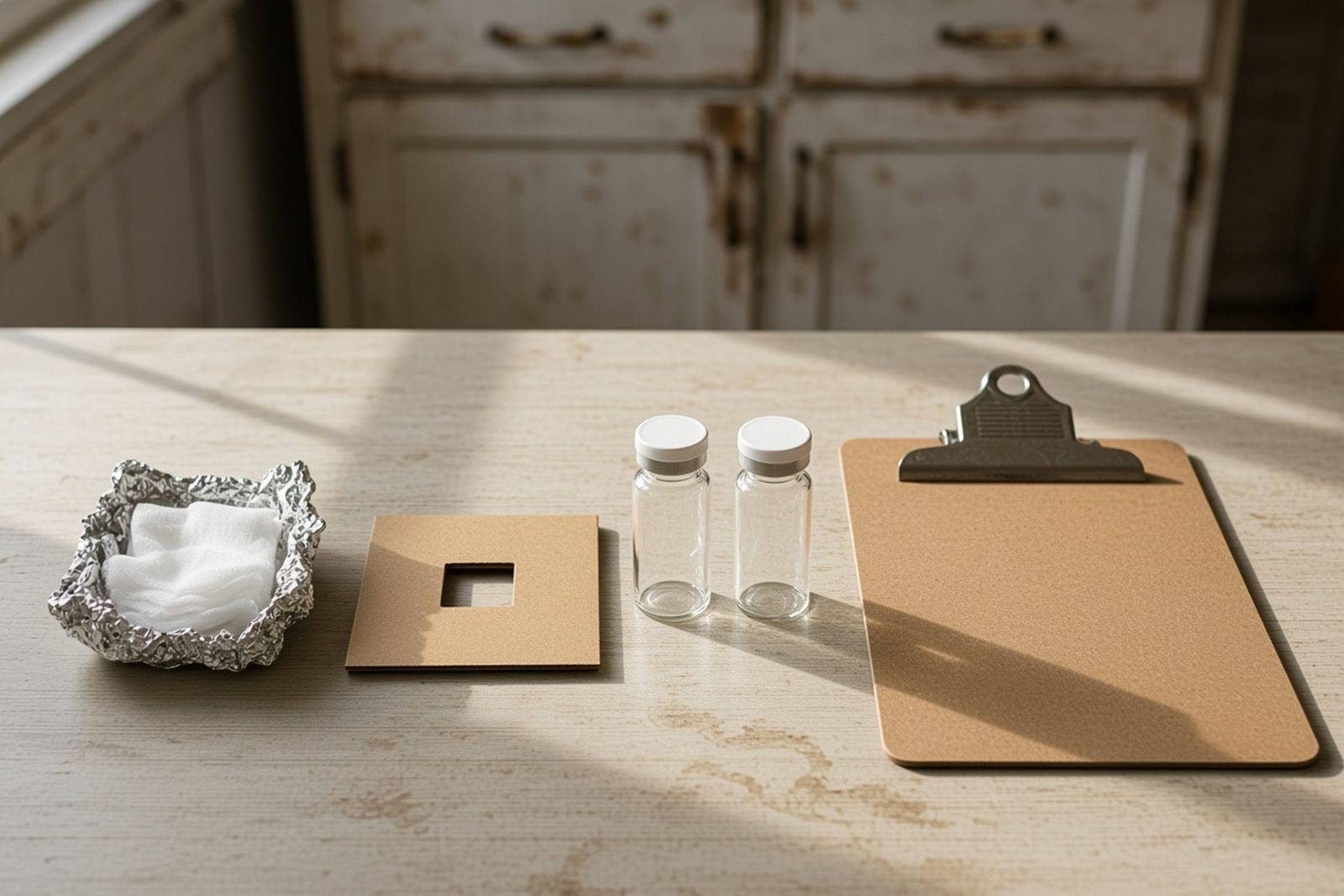
Wipe-sampling supplies on a counter: gauze in foil, a sampling template, vials and a clipboard
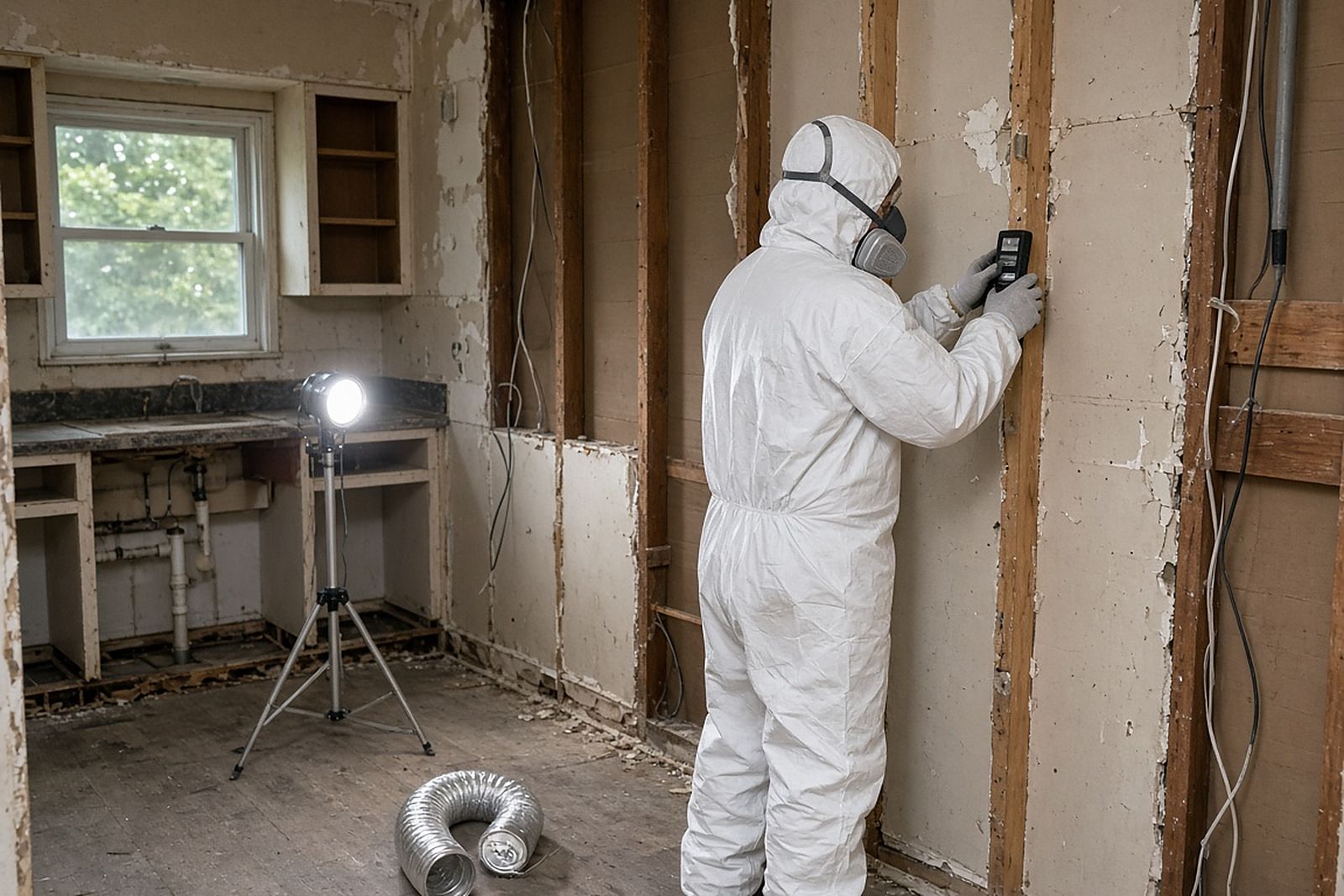
Technician in a respirator checking exposed studs in a gutted kitchen with a work light and duct

Facts worth knowing

  • In one Australian home tested years after suspected meth making, the ceiling insulation contained meth.

    Why it matters: Ask your cleanup company whether insulation will be tested or removed, not just walls and floors.

    Source: Wright et al., 2019

  • In 25 selected case studies of homes with meth residue, residents reported sleep problems during the time they were exposed.

    Why it matters: If your household has unexplained sleep trouble in a home with a possible meth history, tell your doctor and consider testing.

    Source: Wright et al., 2020

  • In tests involving two properties, materials contaminated with meth released the drug into the air.

    Why it matters: Leaving contaminated materials in place may keep putting residue in the air you breathe; ask about removing them.

    Source: Wright et al., 2021

Tools that help right now

What would you do?

Poll results

Vote to see how other people answered. You can change your answer at any time.

Your experience

If a house you wanted had a documented lab cleanup that passed clearance, what would you most likely do?

Be the first to vote
Industry

Which factor would you weigh most when choosing a meth cleanup contractor?

Be the first to vote

Need help in Coral Gables?

Send a short message about the property to the follow-up inbox. A coordinator can reply by email with next steps.

Your request is sent to the follow-up inbox. A coordinator can reply by email.

If anyone is hurt or in danger, call 911 first.