Palm Beach, FL

Meth Lab Cleanup in Palm Beach, FL: Drawbridge Timing, Ocean-to-Lake Compounds, and Trustee Files

What to do, who to contact, and what to ask in Palm Beach.

Meth residue on a Palm Beach compound? Florida has no easy-to-cite state number. See how bridge timing, salt air and lab files affect your plans.

Get an email reply about meth lab cleanup

Send a short message to the follow-up inbox. A coordinator can reply by email. This form does not send emergency help; call 911 first if anyone is in danger.

Tell us what you need help with. Share a short description; please leave out medical details, access codes, and other sensitive information.

A request does not confirm a booking. For immediate danger, contact local emergency services.

Or email info@propertydeconguide.com

The short answer for Palm Beach, FL

If a staff cottage, pavilion or the main house on your Palm Beach property may have meth residue, ask your house manager to secure it and not clean anything. Island owners cannot easily cite any Florida statewide meth number for reentry. So your trust binder rests on a wipe standard written for your address and lab results for each building.

What to do, step by step

  1. 1

    Tour every building and get standards written for your address

    Tour each air-conditioned building with your trustee or house manager, and bring the tester along. Ask for a pass standard written for your address alone, since no current Florida statewide meth number is cited. The EPA’s voluntary guide can help decide what happens first across the compound. Keep brokers from photographing the compound until the testing plan is signed. If the home is in escrow, tell your lawyer the testing dates so the timeline is realistic.

  2. 2

    Have the cottage sealed and its contents listed

    A good crew puts up barriers so residue does not travel from a staff cottage into your main house. Each cottage, pavilion and wing gets its own contents list, so you can trace every item that left. If a cottage shows signs of cooking, the island’s waste rules mean that waste is sorted apart from household items. Ask for the list of soft items before they leave. Also ask which drawbridge opening the crew plans to use for the bins.

  3. 3

    Keep each outbuilding’s cooling system off

    Each cottage and pool house may have a cooling system of its own, and each should stay off during tear-out. Ask for notes on the filters and coil access for every system. Tools should be cleaned before anyone walks from a cottage or pool house into your clean rooms. On ocean-to-lake lots, dust tracked between buildings is a main reason jobs fail. If household staff are working nearby, ask the crew to show them which paths to stay off.

  4. 4

    Build a trust binder that is honest about Florida’s rules

    If a wipe fails in a cottage, that room goes back for more washing or removal, then a retest. Ask that the binder state plainly that no Florida statewide meth number for moving back in is cited. Your results are proof for your address only. A scent system in the compound cannot answer an environmental question. Add the bridge and flood-gate logs and the grate photos. Keep the binder with the trust records for any later sale.

What cleanup is like in Palm Beach

Ocean-to-lake compounds on the island pair a main house with a pool pavilion or staff cottage, and listings rarely show these side buildings. You may learn of residue during a trust inventory, or when a staff cottage shut for the winter reveals smoking debris. Your lawyer may also want wipe data before a listing along the Flagler corridor. The island follows Florida, and Florida offers no statewide meth rule for moving back in that is easy to quote. There is nothing like California’s section 25400.16. So have wipe standards set for your address with an accredited lab, and do not let anyone hand you a statewide figure.

Getting waste off the island takes planning. Drawbridges that open, tidal flood gates and Worth Avenue parade dates decide when sealed bins may cross to the mainland. FDEP oversees how chemically tainted waste is sorted. Florida DOH and county health offices look at health exposure questions once residue is found, and DEA guides explain the dangers of cooking meth. Making meth widens the waste review and your costs. Smoking alone still soaks rattan cushions and the marble dust in air returns inside sealed guest rooms. Salt spray also eats at coil fins while cottage shutters stay closed for weeks.

Salt air and year-round cooling keep your AC drip pans part of the residue question. Palm Beach trust closings stall when the only proof is a painter’s bill. No Florida microgram figure exists for you to cite, so your records do the work. Keep notes of what was wiped, removed and retested in each island building. When bags must leave the island, ask that they travel along service lanes, away from the formal rooms that face the ocean. That protects the clean rooms and keeps the job out of sight from the lake trail.

Space and timing are tight on the island. Narrow fire lanes and beach-club valet lines leave little room for staging at midday. Morning drawbridge openings are best for convoys of sealed bins, which can reach mainland transfer stations before the Worth Avenue lunch rush. Staff cottages with old jalousie windows trap cigarette ash in the window tracks, and mopping misses it. Ask for photos of every drain grate near the lake trail, to show your trustees that rinse water never ran into storm ditches. Brokers often hold photos until cottage wipe results come in, so build that delay into your escrow timeline.
What to expect for your type of home

  • Ocean-to-lake compounds: Ask for a list of every heated and cooled building first, including the main house, pavilion and staff cottage. Wipe spots should be placed only after that list is agreed.
  • Trust-owned island homes: Have a lab pass standard written for your address. Island owners have no present Florida meth reentry law that is simple to point to in a sale.
  • Staff cottages: Ask that kitchens, baths, cottage bedrooms and cooling returns all be sampled. Testing only the room with visible debris can leave the rest of the cottage in doubt.
  • Furnished cottages: Set aside money to throw out cottage soft items if early tests come back high. Ask which pieces the company would try to save before you approve the list.
  • Lakeside lots: Ask the crew to plan bridge and service-lane load-outs ahead of time. Bags should not sit on the edges of the lake trail, where walkers and neighbors pass.

Papers and records to keep

  • Compound map marking the wipe spots in each building, from ocean to lake
  • Soft items removed from each cottage and the main house, with where they went
  • Notes on the cooling filters and coil access for each system affected
  • Notes on drawbridge times and tidal flood-gate timing for each load
  • Photos of how bins were staged on the bridge route or service lanes
  • County health, FDEP or DOH letters about the compound, should there be any
  • Your island trust binder, which keeps the final lab pages

Local offices and official help

Common questions in Palm Beach

Is there a Florida meth wipe law my trustees can quote for the compound?

No Florida meth clearance number is given here. Florida has nothing like California’s lab-activity standard written into law, and EPA’s voluntary guidelines set no federal microgram value for ocean-to-lake homes. So your trustees set a pass standard for the address, using an accredited lab and maps labeled by cottage. Be careful with any firm that talks about an “island standard.” The lab file is what a buyer’s lawyer will want to read.

Will a parade or event day on Worth Avenue delay the haul?

It can. Parade dates and beach-club valet lines leave little room for staging at midday. Morning drawbridge openings are best for runs to mainland transfer stations before lunch traffic. If the crew misses those times, bins end up sitting in fire lanes. Ask the company to check the calendar before it sets your dates. Ask also for photos of every grate near the lake trail, showing that rinse water never ran into storm ditches.

Why does the tester want to check the old jalousie windows in the staff cottage?

Old jalousie window parts trap ash and fine dust, and mopping the marble floors misses it. So the window tracks and cottage air returns belong on your wipe maps. A cottage closed for winter can hold heavy residue even when the main house looks clean. Testing each building on its own protects your escrow along the Flagler corridor. It also tells you whether the cottage alone needs work.

Can my broker take listing photos before the cottage results are in?

No, it is better to wait. Brokers along the Flagler corridor often hold off on photos until cottage lab results exist. Listing photos taken too soon suggest the home is ready when the lab file cannot back that up. Hold your marketing until the address pass standard is met and any retests come back clear. Build that pause into your escrow timeline, so nobody is surprised by it.

What should my trustee binder hold for an island property?

Include the address pass standard and maps labeled by building. Add chain-of-custody forms, which track each sample, and the lab reports. Put in the cottage discard lists, waste paperwork and coil notes. Add logs of drawbridge and tidal flood-gate times, plus photos of grates near the lake trail. End with a note on whether meth was made or only used. The binder should say the results are proof for your address, with no Florida statewide meth law behind them.

Our home has carved wood and pecky cypress ceilings. Can they be saved?

Possibly, with the right help. Many Palm Beach homes have Mediterranean Revival details, such as carved wood, pecky cypress ceilings and plaster smoothed by hand. These surfaces cost a lot to replace and can be hard to clean. A conservator, who cares for old and fine materials, can suggest safe ways to clean them. If something must be replaced, have the reason written down for the trust and any future buyer.

Residue was found while we are up north for the summer. What should we do?

Have your house manager or caretaker secure the home, and ask them not to clean anything. Many island residents spend summers away, so this can be handled from afar. Set up a testing visit and have photos and results sent to you. Decide what work to do with your trustee or your lawyer. Keep household staff informed with respect. Aim to finish the final wipes before you come back for the season.

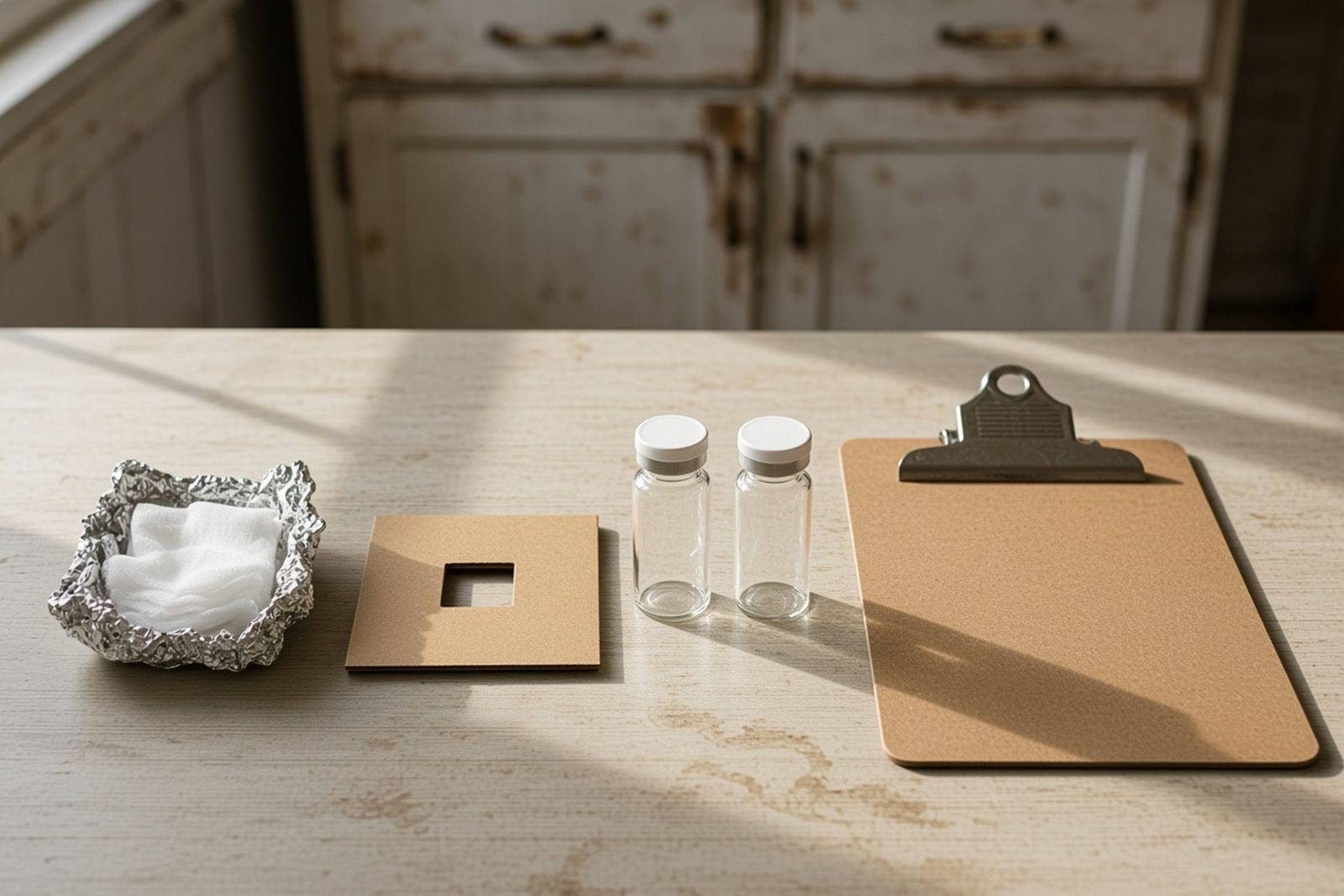
Wipe-sampling supplies on a counter: gauze in foil, a sampling template, vials and a clipboard
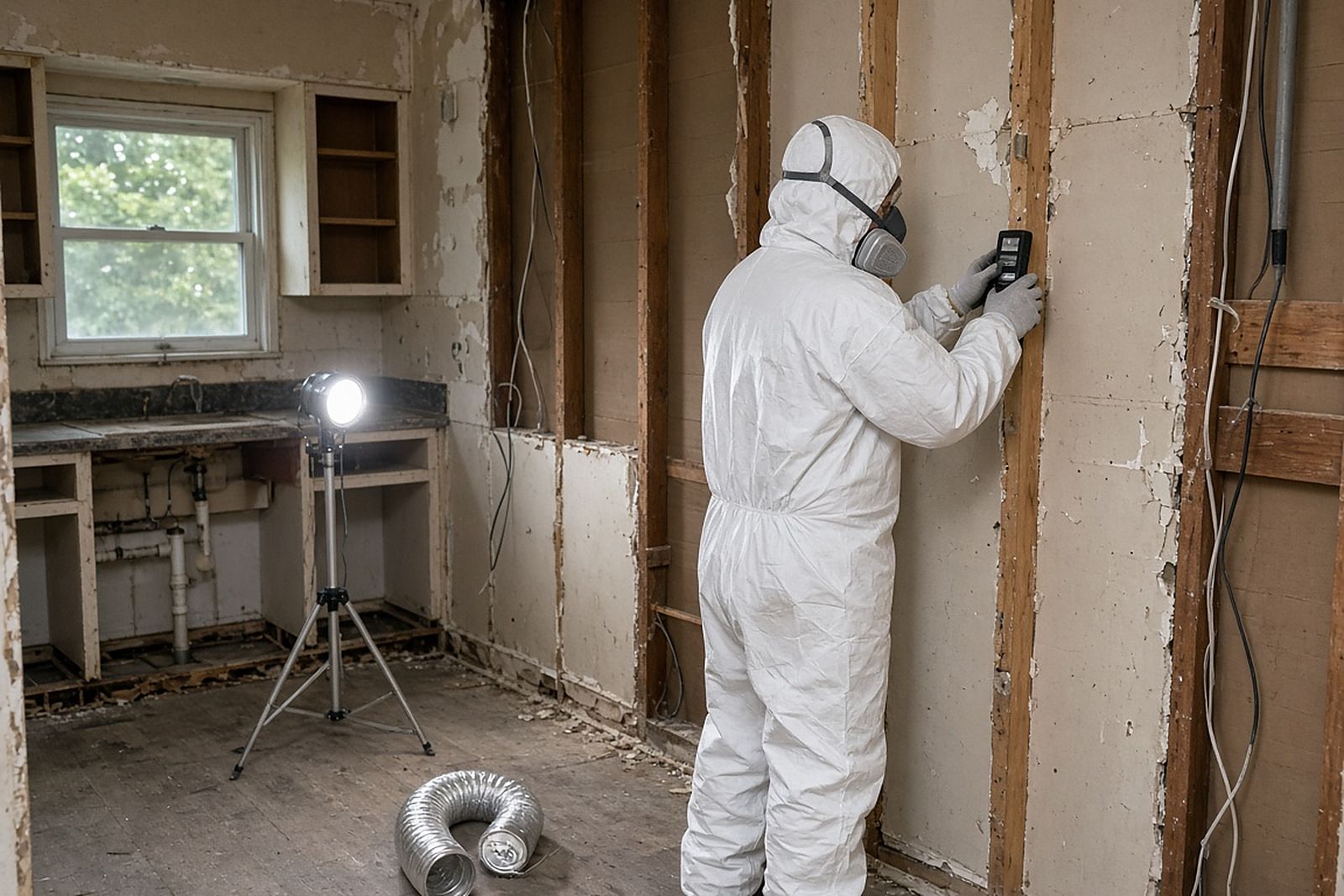
Technician in a respirator checking exposed studs in a gutted kitchen with a work light and duct

Facts worth knowing

  • In one Australian home, belongings brought in after the suspected meth making had ended still became contaminated.

    Why it matters: Moving your things into a home that has not been cleaned may contaminate them, so ask for test results first.

    Source: Wright et al., 2019

  • In 25 selected case studies covering 63 people, residents of meth-contaminated homes reported breathing, skin and eye complaints.

    Why it matters: If you notice these symptoms in a home with a meth history, see a doctor and mention the possible exposure.

    Source: Wright et al., 2020

  • In tests involving two properties, materials contaminated with meth released the drug into the air.

    Why it matters: Leaving contaminated materials in place may keep putting residue in the air you breathe; ask about removing them.

    Source: Wright et al., 2021

Tools that help right now

What would you do?

Poll results

Vote to see how other people answered. You can change your answer at any time.

Your experience

If a house you wanted had a documented lab cleanup that passed clearance, what would you most likely do?

Be the first to vote
Industry

Which factor would you weigh most when choosing a meth cleanup contractor?

Be the first to vote

Need help in Palm Beach?

Send a short message about the property to the follow-up inbox. A coordinator can reply by email with next steps.

Your request is sent to the follow-up inbox. A coordinator can reply by email.

If anyone is hurt or in danger, call 911 first.