Direct answer
What should a property decision-maker know in Darien, CT?
Darien methamphetamine residue work sits under Connecticut DPH cleanup guidelines—including the below / less than 0.1 µg/100 cm² methamphetamine cleanup target—as guidance/protocol posture rather than a universal residential statute. Commuter-rail colonials, waterfront enclaves, and school-district turnovers still need wipe plans, porous decisions, and honest manufacture-versus-use files.
This Darien, CT page is an educational meth lab cleanup planning guide. It does not claim a brick-and-mortar office, local crew roster, or promised response time in Darien.
Editorial guide · Biohazard Remediation NetworkUpdated 2026-07-22Location focus: Darien, CT
Local planning context
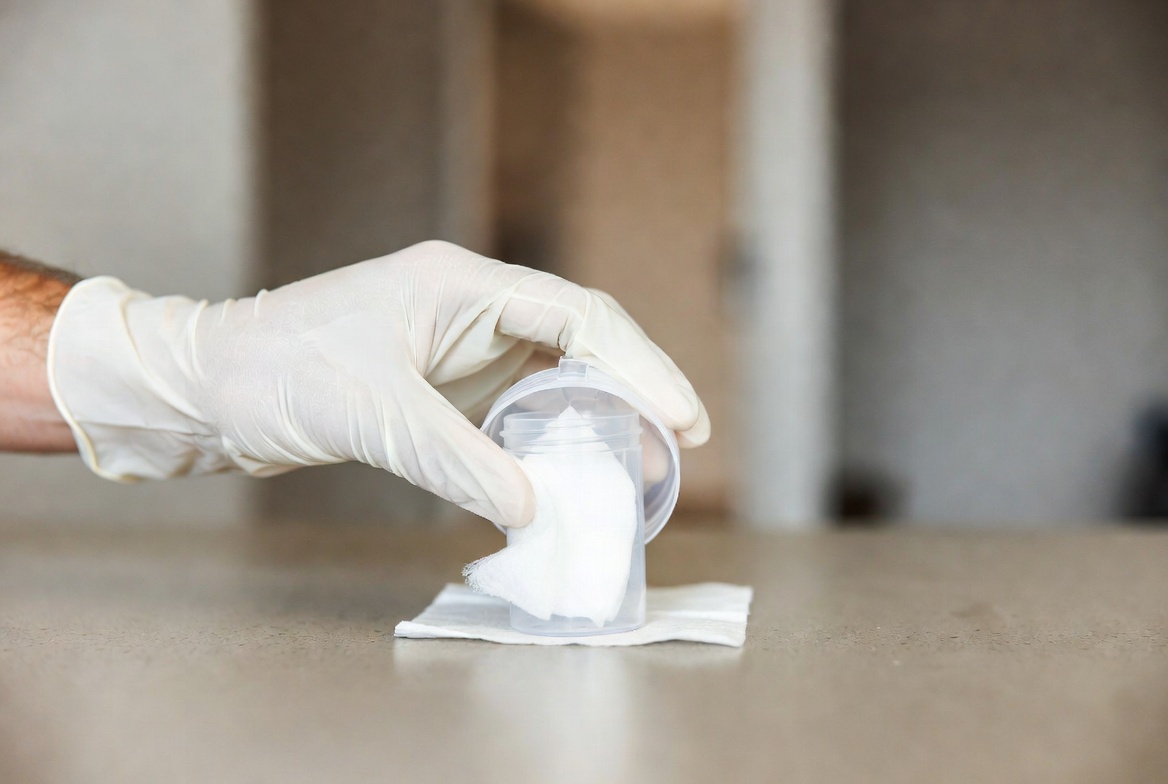
This New Haven Line suburb pairs inland colonial neighborhoods with tighter waterfront lanes in places such as Tokeneke and Noroton, where curb staging windows are short and neighbor sightlines are close. Meth residue questions typically arise after a vacant rental shows heavy use debris, after a buyer’s due-diligence wipe request, or when law enforcement leaves a scene with cooking indicators. Connecticut Department of Public Health’s Guidelines for the Cleanup of Connecticut Methamphetamine Labs publish a cleanup target of below / less than 0.1 µg/100 cm² for methamphetamine and note there is no statewide law requiring clan-lab cleanup in ordinary residences—while licensed facilities or a commissioner-determined public health threat can change authority. Owners should cite the guideline target without pretending every house is under an automatic statewide order.
Connecticut DEEP hazardous-waste concepts may apply when chemically contaminated debris leaves the lot. EPA voluntary guidelines can structure sequencing questions but do not replace CT DPH’s published target. Manufacturing indicators—solvent containers, stained fixtures, process wastes—expand waste profiling; use-only smoking can still load carpet, unfinished basement wood, and forced-air returns typical of mid-century colonials. Cross-contamination risk rises when soft goods are carried through attached garages into clean kitchens or when ordinary shop vacuums aerosolize basement dust into living floors.
School-district and Metro-North commuting households often push for fast re-occupancy after a vacant-unit discovery, but cosmetic paint cycles do not meet a laboratory target. Summer humidity and winter closed envelopes both concentrate odor that is not clearance. Keep sampling maps, chain-of-custody, and a clear statement of guideline versus order posture in the property file so lenders and buyers see what was measured.