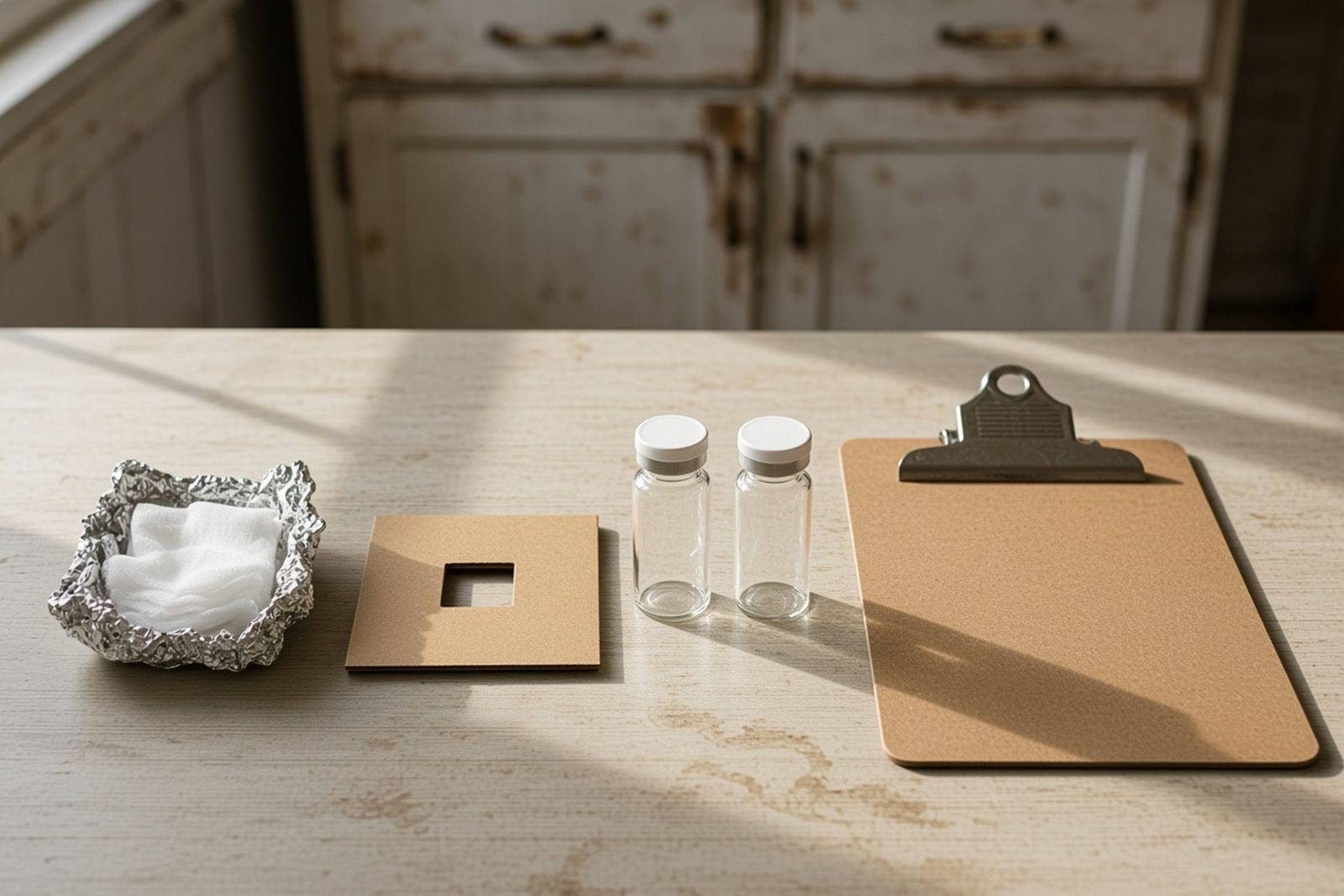
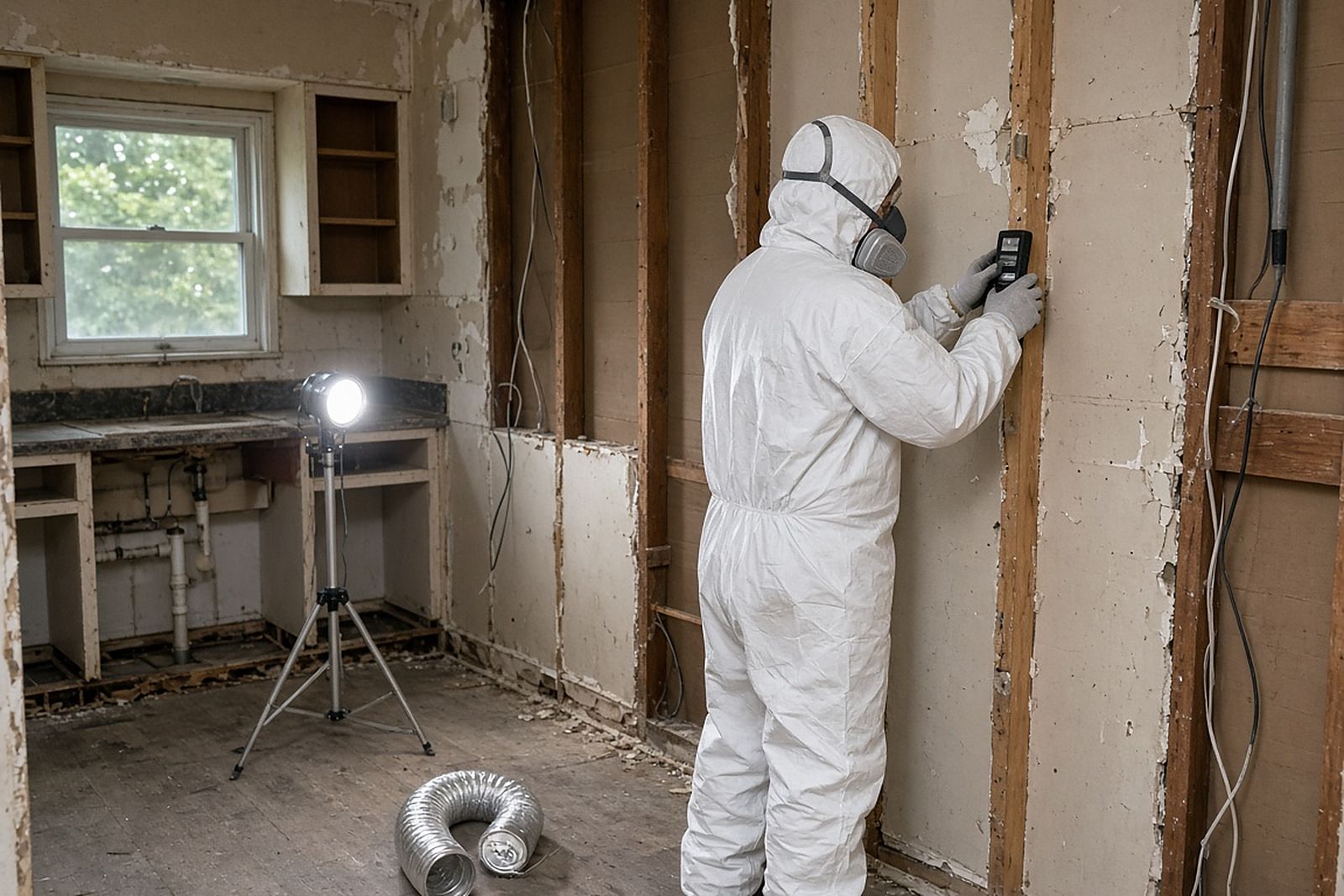
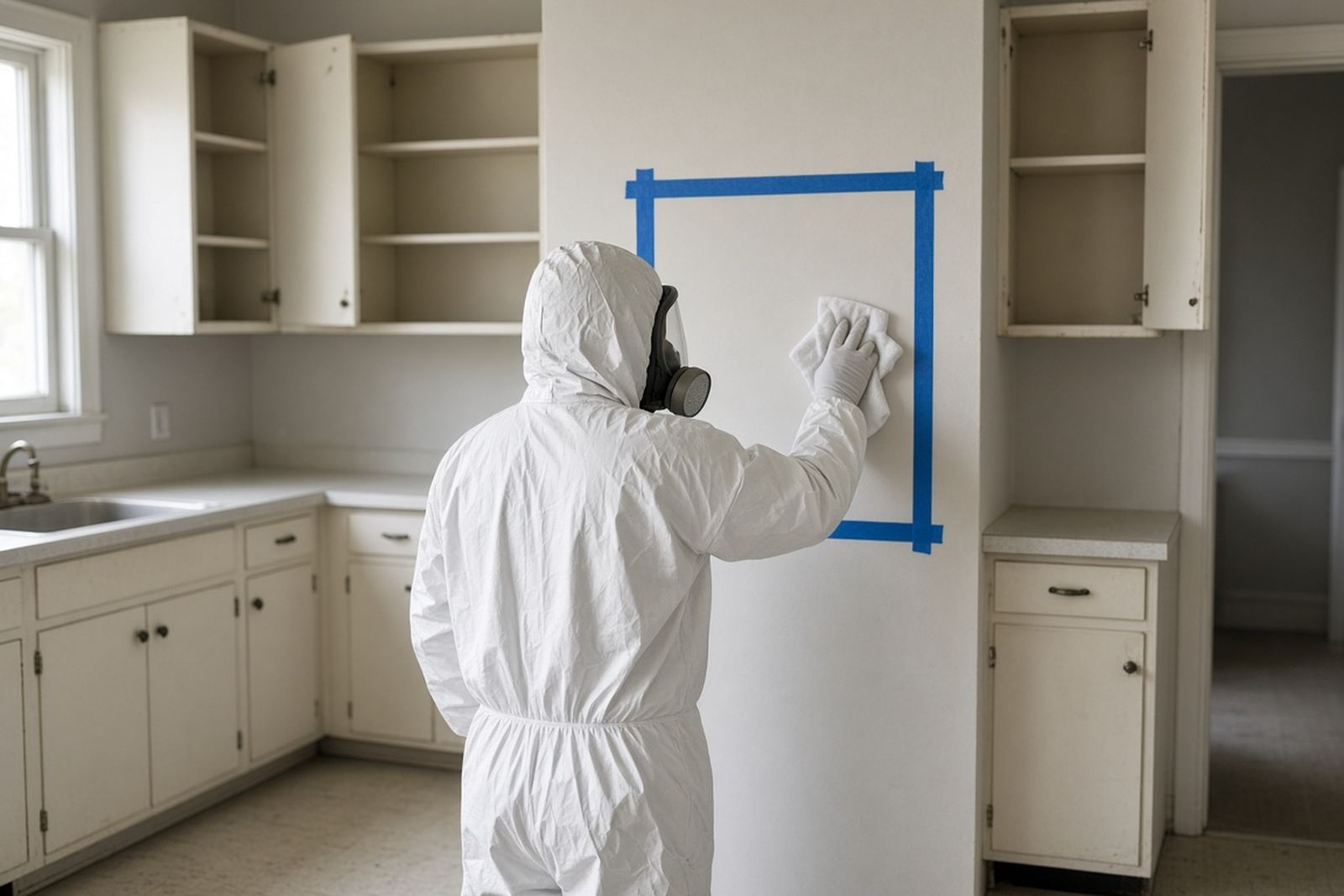
Orlando mixes plain apartments with heavily furnished short-stay and worker rentals. Your residue problem may flare up during a fast guest changeover or after police activity. For Orange County rentals, no current Florida law gives an easy statewide meth figure for guests to return. You won't find a rule to match California's Health and Safety Code section 25400.16. EPA's voluntary guidelines describe wipe and cleanup methods, but they do not create federal limits that can be enforced. So have your rental's pass standard put in writing. Work it out with testing experts and labs, plus any lender, booking site, buyer, or agency with its own rules.
The Florida Department of Environmental Protection and Florida Department of Health environmental programs are your state contacts for hazardous waste and health exposure questions. Orange County environmental health desks are the handy local place to start. DEA drug lab materials explain the dangers of making meth. Keep two cases apart. A cook site in a guest suite tends to leave solvents, raw chemicals, stained fixtures, and process waste. Smoking only still soaks into mattresses, sofas, drapes, and AC dust inside closed guest suites. Making meth widens the waste review. Smoking only still needs wipe proof before your calendar opens again.
Orlando's usual mistake is moving at business speed. Bare mattresses in elevators, shared laundry carts, and same-day restocking can spread residue to hallways and nearby suites before any lab results exist. The soft furnishings that make your listing look good are the very items that trap residue. Booking sites and owners may want lab packets, even with no state number in the law. Paint, ozone, and air fresheners never replace mapped wipe tests. Keep your turnover files honest about known residue and the testing that was done. It protects your next guests, and it protects you.