Direct answer
What should a property decision-maker know in Tampa, FL?
Hillsborough County methamphetamine residue jobs in Tampa Bay bungalows and garden courts proceed without a readily citable Florida statewide numeric meth reoccupancy statute. Storm-shuttered vacancies, crawlspace migration, salt-air coil loading, FDEP/Florida DOH hazardous-waste context, and EPA voluntary technical framing—not invented microgram rules—shape honest turnover evidence.
This Tampa, FL page is an educational meth lab cleanup planning guide. It does not claim a brick-and-mortar office, local crew roster, or promised response time in Tampa.
Editorial guide · Biohazard Remediation NetworkUpdated 2026-07-22Location focus: Tampa, FL
Local planning context
Tampa Bay bungalows with crawlspaces, Westshore garden courts, and Seminole Heights duplex halves often sit sealed behind hurricane shutters for weeks, concentrating indoor dust while cooling equipment still cycles. Residue questions follow vacant-unit discoveries, foreclosure cleanouts, or law-enforcement releases. Florida does not currently maintain a readily citable statewide quantitative methamphetamine reoccupancy statute analogous to California Health and Safety Code section 25400.16; archival quarantine bills are not current numeric clearance law here. EPA’s Voluntary Guidelines for Methamphetamine and Fentanyl Laboratory Cleanup describe technical wipe and washing practices without imposing a federal microgram mandate on Hillsborough housing. Owners should negotiate written, address-specific acceptance with the hygienist, accredited laboratory, and any lender or purchaser asserting requirements.
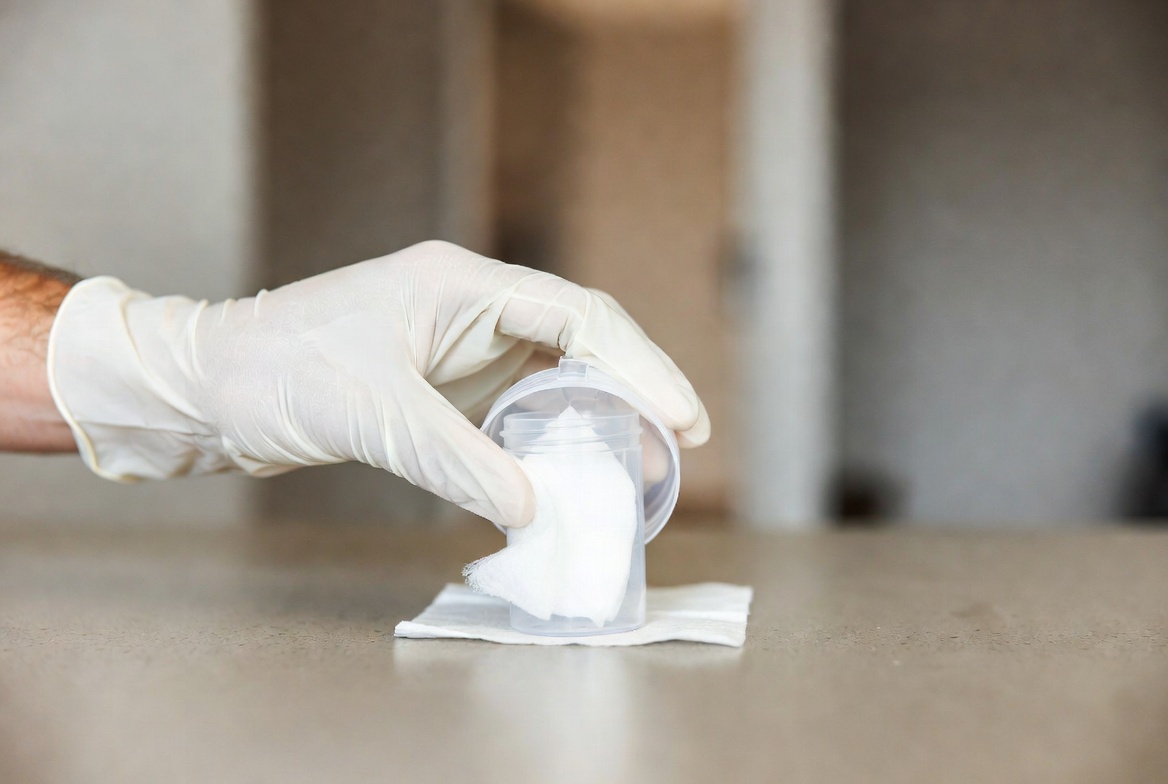
Florida Department of Environmental Protection stewards hazardous-waste programs; Florida Department of Health environmental staff evaluate exposure questions at contaminated sites. Hillsborough County environmental-health desks are practical first calls after discovery. DEA clandestine laboratory primers explain manufacturing hazards. Separate illicit manufacturing—solvents, precursors, etched plumbing, process wastes—from smoking-only loading that still impregnates carpet, upholstery, and return grilles inside shuttered bungalows. Manufacturing widens waste profiling; smoking-only still needs wipe proof before the next household arrives.
Crawl hatches, jalousie-era renovations, and open garden-court walkways create migration routes unlike inland tourist furnishings problems. Gulf-side salt air keeps coils and condensate pans in the residue conversation year-round. Closings stall when sellers hand over paint invoices alone. Never invent a Florida clearance microgram; archive what was wiped, demolished, and retested. Keep disclosure tied to measured conditions.