San Francisco, CA

Meth Lab Cleanup in San Francisco, CA: Vertical Pathways, Shared Walls, and State Clearance

What to do, who to contact, and what to ask in San Francisco.

Meth residue in a San Francisco flat, TIC, or in-law unit? See the state limits, how to protect shared stairs and neighbors, and the records to keep.

Get an email reply about meth lab cleanup

Send a short message to the follow-up inbox. A coordinator can reply by email. This form does not send emergency help; call 911 first if anyone is in danger.

Tell us what you need help with. Share a short description; please leave out medical details, access codes, and other sensitive information.

A request does not confirm a booking. For immediate danger, contact local emergency services.

Or email info@propertydeconguide.com

The short answer for San Francisco, CA

If a San Francisco flat or in-law unit you own has a meth history, close it off and protect the shared stairs before anything is carried out. California Health and Safety Code section 25400.16 sets when a home is safe to live in again. Wipe results from an accredited lab are your proof. Fogging away the odor does not count.

What to do, step by step

  1. 1

    Have an expert write the wipe plan before turnover

    Before anyone touches the flat, have an industrial hygienist, a trained chemical-safety expert, draft the wipe plan. Ask them to sort signs of cooking from smoking debris floor by floor and to photograph each room. The pass marks come from HSC 25400.16 for the chemicals involved. Check for any orders from the local health officer. If nearby units share returns or shafts with yours, ask the hygienist to write down whether the check will reach past your flat. Hold off on listing photos and repairs until this plan is in your hands.

  2. 2

    Make sure the stairs, halls, and light wells are protected

    A good crew seals the flat and covers the shared stair and any lobby. Debris is bagged inside the unit before it heads down narrow Victorian stairwells. Soft materials that cannot be washed down to 1.5 µg/100 cm² are removed. Hard surfaces are scrubbed with detergent, and a HEPA vacuum, with its very fine filter, picks up what is left. Ask them never to dry-sweep, since floor gaps and shared wall chases lead straight to your neighbors. When cooking chemicals were present, the flat's waste is checked under California hazardous-waste rules.

  3. 3

    Find out how your flat is heated

    Tell the company if the unit has wall heaters or forced air, or if it ties into a larger building system. If you are not sure, ask your property manager. Expect new filters, and a cleaning of whatever returns the crew can get to. The building's furnace or your wall heater stays off while tear-out runs, so plan for a cold flat on those days. Tools and protective gear are cleaned before they leave the sealed work area. Ask how the crew will keep dust out of any shaft that serves the flats above and below you.

  4. 4

    Collect the clearance records for your unit file

    Ask for wipe results on a map, compared to the HSC 25400.16 limits that apply. The file should include chain-of-custody forms, waste records, photos, and a write-up on whether the flat was a cooking site or use-only. Failed spots lead to more work and more tests, so allow time for that. Keep everything with the unit file for future disclosure to tenants, your HOA, or a buyer. In a flat left empty during fog season, a better smell alone is no reason to reopen.

What cleanup is like in San Francisco

San Francisco housing is dense. Victorian and Edwardian flats, soft-story buildings, tenancies-in-common, and in-law units all leave tight paths for residue to travel. Your case may begin when an empty flat shows heavy drug-use debris, or when signs of cooking are found in a basement room. It may also begin when a buyer's review calls for wipe testing. Cool marine air and closed windows can trap odors, but odor is still not clearance. Because your walls, stairs, and shafts are shared, what happens in one unit can reach the people next door. That is why the plan here starts with the building, not just the room.

The San Francisco Department of Public Health is the city's public-health agency. Contact it to ask how local health-officer steps fit with state Chapter 6.9.1 after police give notice. DTSC removes bulk hazardous chemicals found through police channels. Cleaning and testing the residue on your plaster, soft goods, and ducts still falls to you as owner. Tell the company if you think meth was cooked in the flat or only smoked there, since the two are handled differently. The risk of spread is higher when debris moves through shared stairwells, light wells, or trash rooms without sealed bags.

Rent-turnover pressure and the work of moving things up and down stairs make shortcuts tempting. Try not to give in. Old plaster and other soft historic finishes often won't wash down to a passing result, so some may have to come out. Shared walls and shafts mean the flats next door may need a check if fumes or heavy smoking reached shared paths. Ask for a written testing map. Make sure your unit is closed off and the common areas are protected before work starts. Keep a file ready for disclosure, so you can answer a tenant or buyer with facts.

What to expect for your type of home

  • Flats that share light wells and back stairs: Before any bag leaves, ask the company to trace how the light wells, garbage room, and back stairs connect. That keeps your neighbors from being exposed.
  • Units with signs of cooking: Point out anything that looks like cooking gear, apart from use-only debris. The hazardous-waste review should match what was really there.
  • Buildings with a property manager: Agree on which stair carries debris and at what hours. Nothing dirty should cross a clean landing uncovered, and your manager can help enforce that.
  • Flats being turned over or sold: Build your file around HSC 25400.16. Meth must be 1.5 µg/100 cm² or less. Until a health-based standard is adopted, the flat's fentanyl wipes must come back below detection. Paint alone is not clearance.

Papers and records to keep

  • Photos of the scene and a list of cooking versus use-only signs
  • Any order or posting papers from the local health officer
  • A wipe map for each floor of the flat, before and after cleanup
  • Lab reports for the flat, with signed sample-handling forms, measured against HSC 25400.16
  • Photos of the sealed work area and the hall covers along shared paths
  • A list of soft items taken out of the flat, with waste or shipping papers
  • Notes on heater filters and equipment access, kept with your unit file

Local offices and official help

Common questions in San Francisco

Does San Francisco set its own meth wipe number, separate from California law?

No. State law, not the city, sets the mark for a flat after meth lab activity: 1.5 micrograms per 100 square centimeters or less on indoor surfaces. Extra lead and mercury limits apply when the cook calls for them. If a flat held a fentanyl lab, its wipes must show fentanyl below detection, and you should expect that rule to hold until a health-based standard is adopted. Your proof is a set of accredited wipes plotted on each floor of the building's plan.

How does living in a multi-unit building change the cleanup?

It adds many more paths for residue. These include stairwells, elevators, trash rooms, shared basements, light wells, and the units next door through walls and shafts. In a San Francisco flat, residue travels when soft goods go down the shared stair uncovered, or when a household vacuum blows dust into the hall. So sealing the work area and bagging are part of the chemical plan. Ask your property manager for a staging schedule that keeps the shared stair and lobby clean.

Should my neighbors' units be tested after a basement cook?

Maybe. Cooking fumes and heavy dust can travel through shafts, soft-story openings, and shared equipment spaces. Ask for a written plan that weighs how likely each path is. It should not assume walls alone kept everything in. Keep a plain, non-graphic record of what you told tenants downstairs and next door about access dates and testing. Rushing a cosmetic turnover of one unit while shared paths are still loaded can undercut clearance testing for the whole stack.

How is a cook in my flat different from someone only smoking there?

A cook leaves process chemicals, and smoking does not. Drug-making sites often leave solvents, acids, bases, stained plumbing, ingredient packaging, and equipment. These drive a hazardous-waste review and wider testing, which may include lead or mercury when those compounds were used. Use-only sites may lack those chemicals. Yet after long smoking in a sealed flat, they can still show meth on wipes from plaster, soft goods, and HVAC dust. Start with the visible signs and a testing plan that fits the case.

What should I keep as a landlord before re-renting after meth residue?

Keep the whole trail. That means any health-officer orders, the cleanup work plan, photos, and a list of soft items removed. Add waste shipping records, chain-of-custody forms, and accredited lab reports with numbers compared to HSC 25400.16, plus any final closure letters. Have sample points mapped on a floor plan. In a San Francisco flat, fresh paint before testing can trap residue under the finish and make later wipes harder to read. Ask a lawyer about disclosure timing for your own lease papers.

Do San Francisco's fog and cool summers affect residue work?

Yes, mostly by slowing the drying. San Francisco's cool, damp weather keeps windows closed and heat running much of the year. That holds residue indoors and inside wall heaters or older gravity furnaces. Mild temperatures make work in protective gear easier than in hotter parts of the state. But drying after washing can be slow in foggy neighborhoods like the Sunset and Richmond. Allow extra time between washing and final testing. A good crew uses dehumidifiers, not open windows, to speed drying.

I co-own a TIC building. What should we do when one unit has residue?

Start with your TIC agreement and get everything in writing. In a tenancy-in-common building, each owner holds a share of the whole property, so a problem in one unit often touches shared areas and group choices. Check how repairs and shared costs are split. Agree in writing on what work will be done, the testing plan, and who pays before work starts. Put shared stairs, laundry, and the basement on the testing map. Keeping every owner informed cuts down on disputes and helps when any unit is later sold.
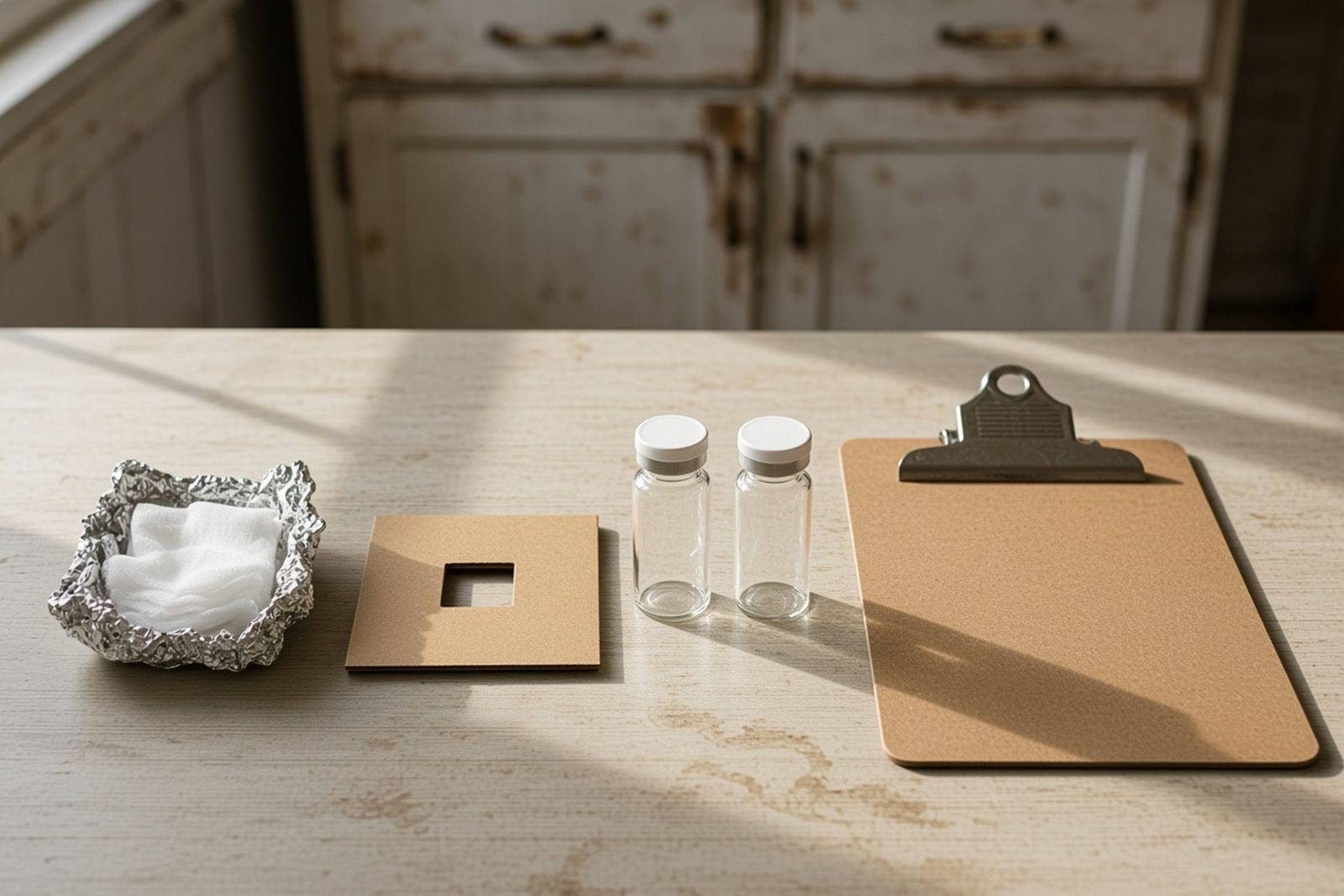
Wipe-sampling supplies on a counter: gauze in foil, a sampling template, vials and a clipboard
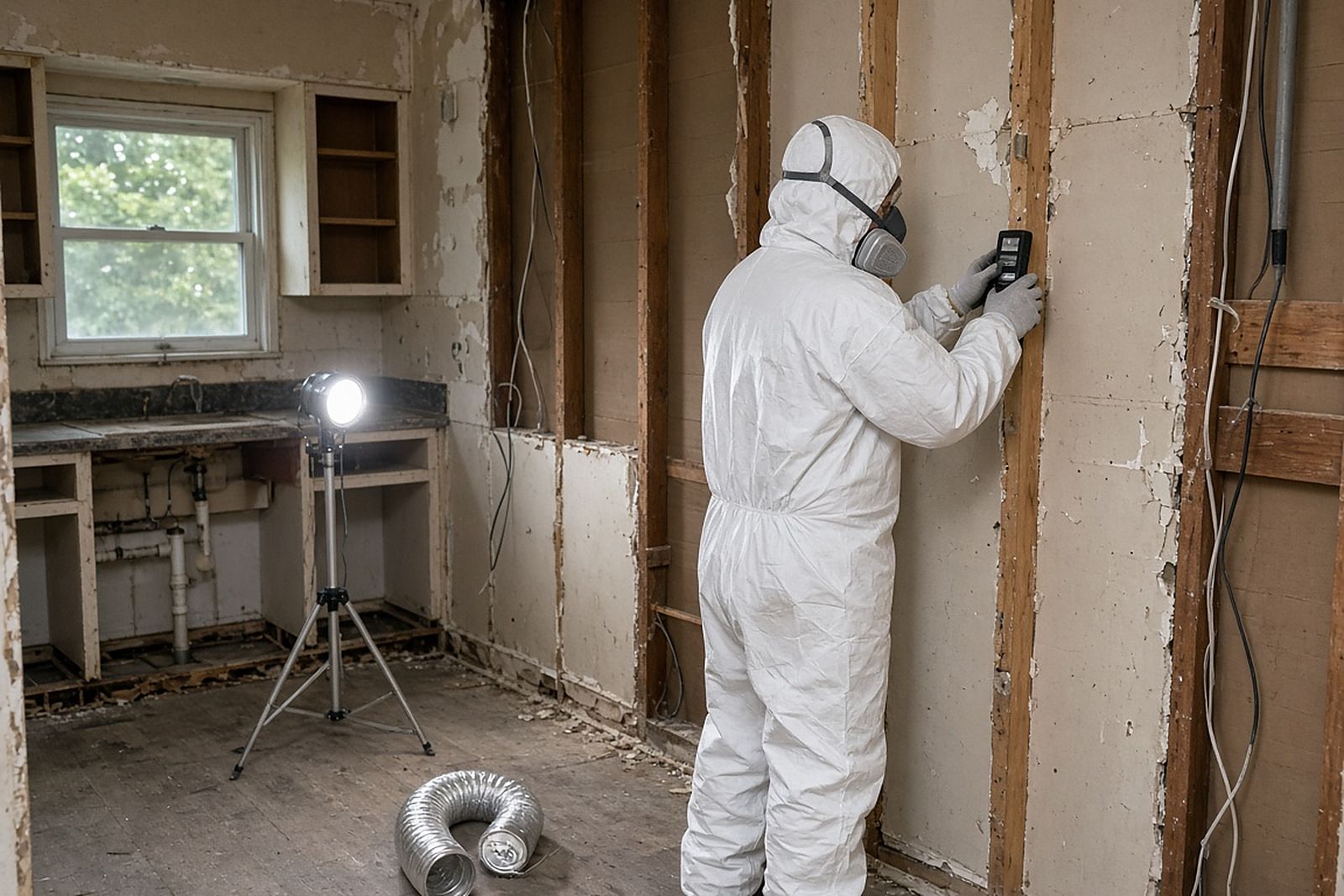
Technician in a respirator checking exposed studs in a gutted kitchen with a work light and duct

Facts worth knowing

  • A study of 63 people in 25 Australian homes contaminated by meth making or use found sleep, behavior, breathing, skin and eye problems and headaches.

    Why it matters: If you have these symptoms in a home with a drug history, ask about testing; homes where meth was only used caused problems too.

    Source: Toxics (Wright et al.), 2020

  • As of March 2013, 25 states required or recommended cleaning former meth labs to set limits, ranging from 0.05 to 1.5 micrograms of meth per 100 square centimeters.

    Why it matters: "Clean" means different things in different states, so ask which limit applies to your property and get test results showing it was met.

    Source: Ohio Department of Health, 2016

  • A federal review found the most common state limit for meth left on surfaces after cleanup is 0.1 micrograms per 100 square centimeters.

    Why it matters: Compare the numbers on your after-cleanup test report with this limit or with your own state's limit.

    Source: NIOSH (CDC), 2020

Tools that help right now

What would you do?

Poll results

Vote to see how other people answered. You can change your answer at any time.

Your experience

If a house you wanted had a documented lab cleanup that passed clearance, what would you most likely do?

Be the first to vote
Industry

Which factor would you weigh most when choosing a meth cleanup contractor?

Be the first to vote

Need help in San Francisco?

Send a short message about the property to the follow-up inbox. A coordinator can reply by email with next steps.

Your request is sent to the follow-up inbox. A coordinator can reply by email.

If anyone is hurt or in danger, call 911 first.