Direct answer
What should a property decision-maker know in San Jose, CA?
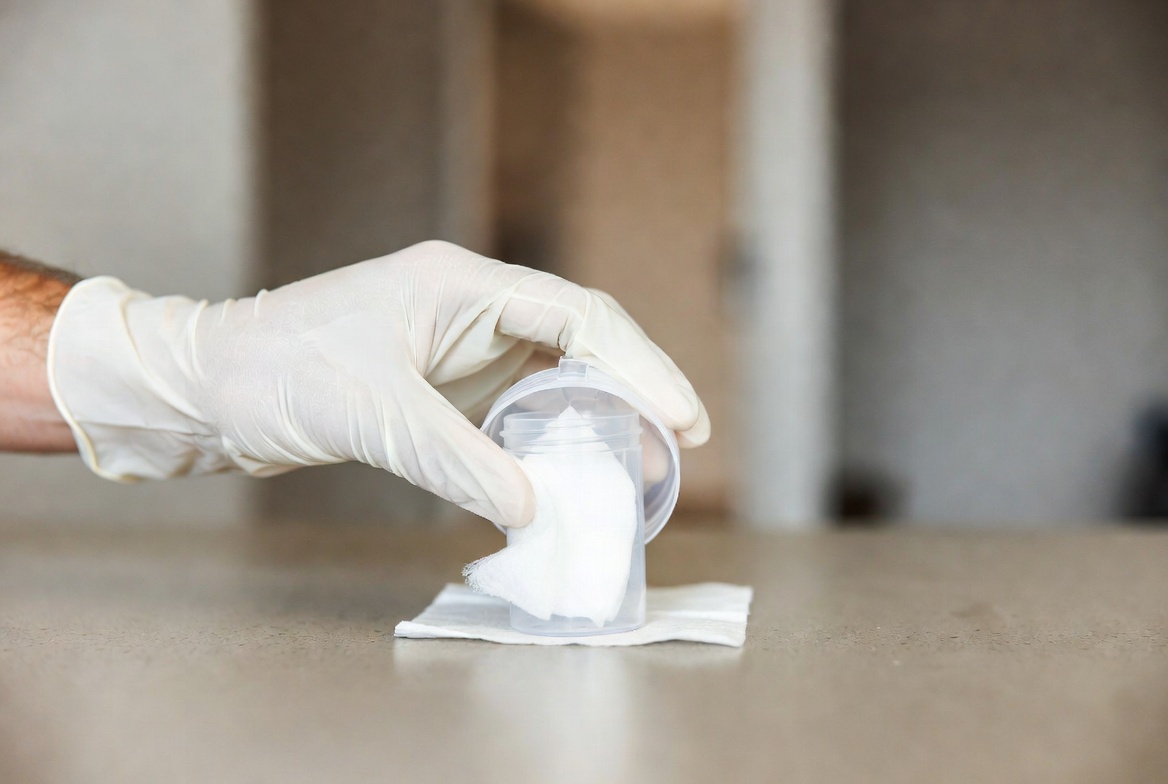
San Jose methamphetamine residue projects sit under California’s statutory reoccupancy standard and Bay Area multi-unit realities—shared HVAC, townhome stacks, and high-stakes rental turnovers. Wipe sampling, porous removal, and documented clearance against Health and Safety Code section 25400.16 matter more than cosmetic resets in Santa Clara County housing.
This San Jose, CA page is an educational meth lab cleanup planning guide. It does not claim a brick-and-mortar office, local crew roster, or promised response time in San Jose.
Editorial guide · Biohazard Remediation NetworkUpdated 2026-07-22Location focus: San Jose, CA
Local planning context
San Jose is a large South Bay city with dense apartments, townhomes, older bungalows, and employer-driven rentals across the San Francisco Bay Area metro. Meth residue cases here often appear in high-turnover units, storage-adjacent rooms, or properties where manufacturing indicators were found after a vacancy. California Health and Safety Code section 25400.16 sets the indoor-surface methamphetamine reoccupancy criterion for laboratory-activity contamination at less than or equal to 1.5 micrograms per 100 square centimeters, with additional lead and mercury criteria when those compounds were used in the lab process. For fentanyl laboratory contamination, the same section requires indoor-surface fentanyl below the detection level until a state or federal agency adopts a health-based target remediation standard for fentanyl—so the methamphetamine 1.5 µg/100 cm² criterion is not a universal lab-chemistry clearance number. Bay Area transaction pressure does not change those statutory criteria: lenders and buyers still need accredited wipe data, not staged photos of new paint.
Santa Clara County Environmental Health is the local public-health contact many owners use when asking how posting, assessment, and remediation orders apply after law enforcement notifies the health officer. DTSC handles bulk hazardous-substance removal requested through law-enforcement channels; residual contamination on building materials remains a property-owner remediation and sampling problem. Distinguish illicit manufacturing from use-only smoking contamination. Manufacturing expands precursor/solvent waste and may add lead or mercury sampling; heavy use alone can still impregnate carpets, soft goods, and duct dust in tightly sealed Bay Area units. Cross-contamination risk rises in stacked townhomes and corridor apartments when crews move debris through shared hallways without containment.
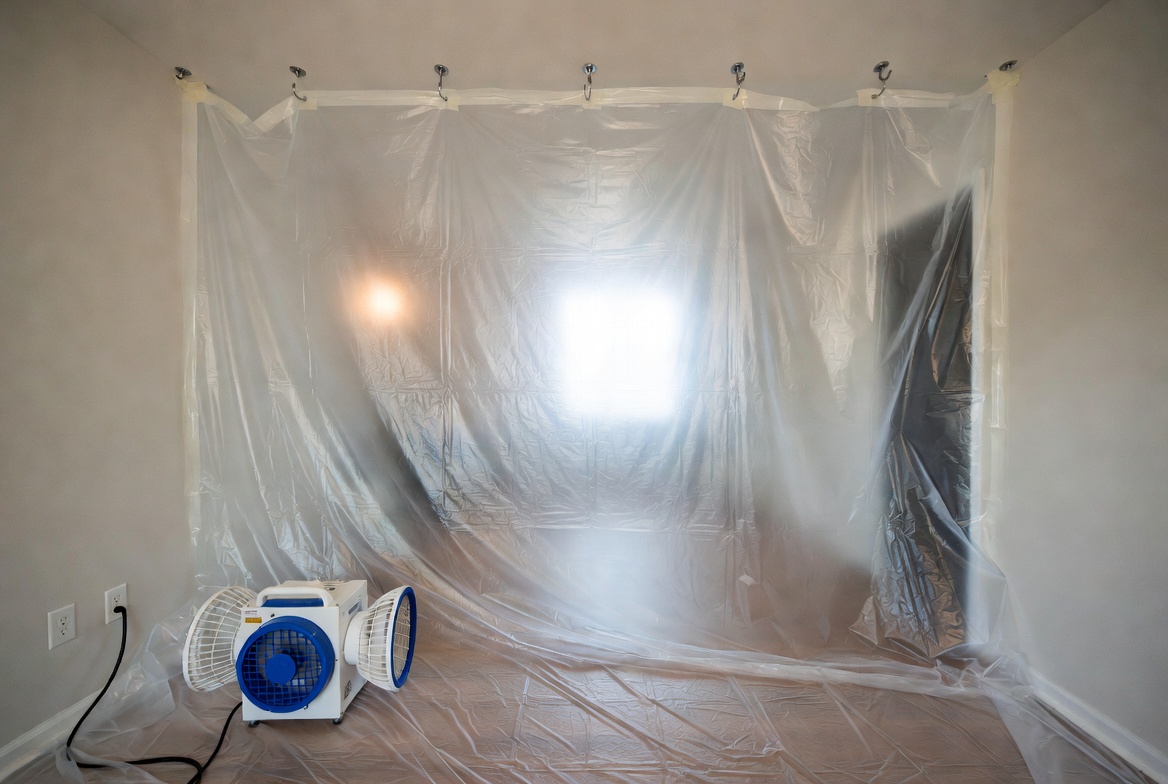
San Jose’s housing mix means HVAC and porous materials deserve early attention. Many complexes use centralized or multi-zone systems that can move particulate between rooms if fans run during demolition. Higher median incomes and competitive rentals increase incentive to rush turnovers—exactly when shortcuts fail clearance. Plan a written sampling map before washing, isolate the unit, and keep a disclosure-ready file. Do not claim California clearance without laboratory results compared to the statutory criteria.