Direct answer
What should a property decision-maker know in Stamford, CT?
Stamford methamphetamine residue planning should follow Connecticut Department of Public Health cleanup guidelines—including the published below / less than 0.1 µg/100 cm² methamphetamine cleanup target—while recognizing those guidelines are not a blanket statewide residential mandate. Sampling plans, HVAC/porous decisions, and disclosure-ready lab files still matter in this New York City metro Connecticut city.
This Stamford, CT page is an educational meth lab cleanup planning guide. It does not claim a brick-and-mortar office, local crew roster, or promised response time in Stamford.
Editorial guide · Biohazard Remediation NetworkUpdated 2026-07-22Location focus: Stamford, CT
Local planning context
Stamford is a coastal Connecticut city in the New York City metro with a mix of apartments, condominiums, and single-family neighborhoods tied to regional employment. Meth residue issues appear after law-enforcement seizures, vacant-unit discoveries, or buyer due diligence. Connecticut Department of Public Health’s Guidelines for the Cleanup of Connecticut Methamphetamine Labs state that the cleanup target used in Connecticut is the detection-limit approach of below / less than 0.1 µg/100 cm² for methamphetamine, and they note there is no statewide law that requires cleanup of clan labs in ordinary residential settings—though licensed facilities or a commissioner-determined public health threat can change authority. Owners should read the guidelines as the official state technical target while confirming whether any order or facility license applies to the specific Stamford address.
Connecticut Department of Energy and Environmental Protection (DEEP) hazardous-waste rules may apply when chemically contaminated materials leave the property. EPA voluntary guidelines provide additional technical sequencing but do not override CT DPH’s published target. Distinguish illicit manufacturing from use-only contamination: manufacturing brings solvent and precursor wastes; smoking residue alone can still load carpets, soft goods, and HVAC dust in closed suburban and urban units. Cross-contamination risk rises in multi-family buildings along the I-95 corridor housing stock when debris moves through shared halls.
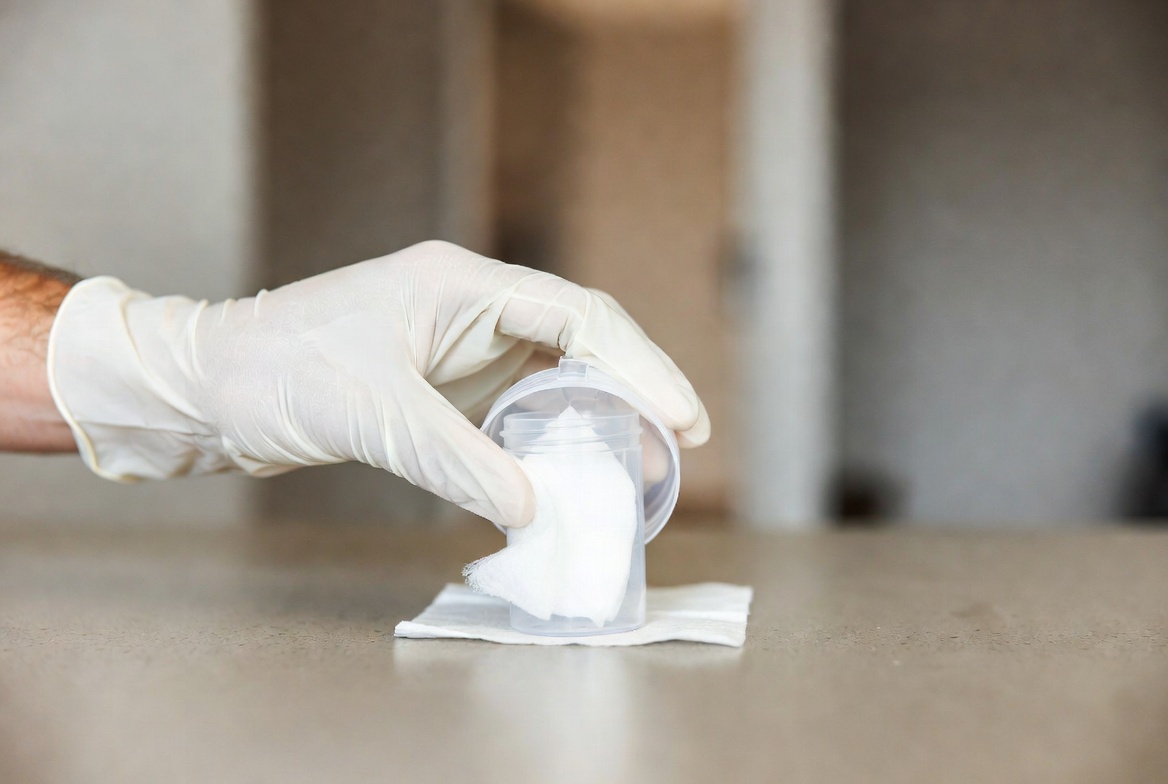
Stamford property transactions often involve New York metro buyers and lenders accustomed to environmental paperwork. Even where cleanup is guideline-driven rather than universally mandated, wipe sampling against the CT DPH below / less than 0.1 µg/100 cm² target is the clearest way to show work met the state’s published cleanup goal. Porous materials and HVAC need early decisions. Do not equate odor control with meeting the guideline target.