Crime Scene Cleanup: Industry Insights
How crime scene cleanup companies work, how homes and businesses differ, and what new tools can and cannot do.
Industry posts explain how the crime scene cleanup trade works behind the storefront. Articles look at the difference between local owner-run firms and national networks that pass calls to partner companies. They show how hiring out work affects who actually shows up. They explain how companies work with medical waste haulers and treatment sites. You will also read about training standards and ways to check the work. One example is a quick swab test that shows leftover organic residue (it does not detect germs). And you will read about changes in how insurers and property managers approach trauma cleanup.
Get an email reply about crime scene cleanup
Send a short message to the follow-up inbox. A coordinator can reply by email. This form does not send emergency help; call 911 first if anyone is in danger.
This background helps you make sense of what a company tells you on the phone. A call center may answer under a national brand while a small local team does the job. That setup can be fine or a problem, depending on who is held responsible. Knowing how referrals, ads, and waste partners work makes it easier to ask who is responsible for the result. It also helps you judge if the setup behind the name serves your interests.
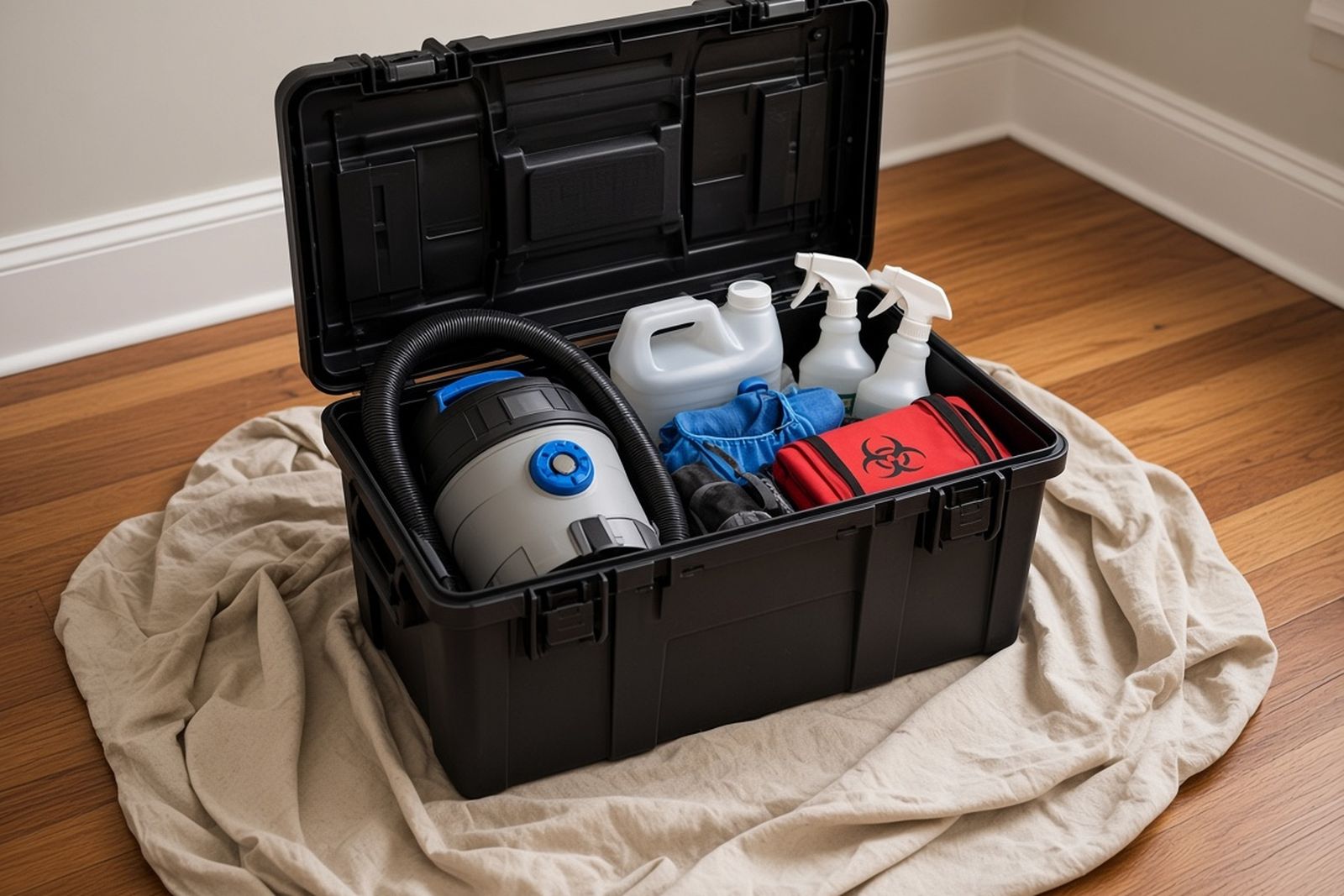
How Crime Scene Cleanup Practice Has Changed
How crime scene cleanup grew from families scrubbing floors into careful, recorded work shaped by OSHA rules, EPA disinfectant lists and victim compensation.
Crime scene cleanup once fell to families, landlords or janitors with household supplies. Then people learned more about disease carried in blood. OSHA's bloodborne pathogens standard, EPA-registered disinfectants, better protective gear and state victim compensation programs followed. Together they slowly made it a specialized field. Today you can expect a written work plan, checked disinfection, proper waste handling and privacy. There is still no single national license.
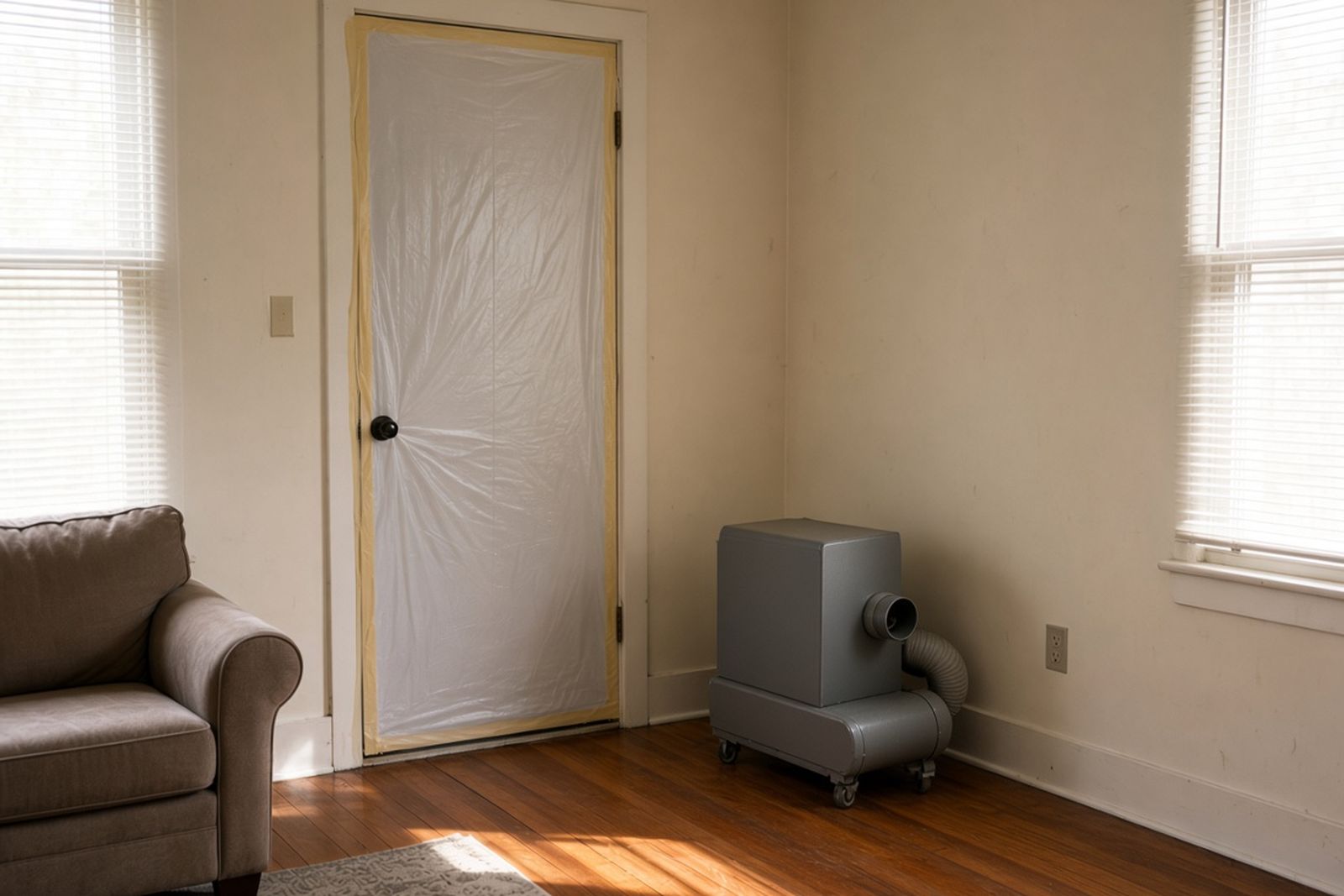
Crime Scene Cleanup for Property Managers: What You Need to Know
What you need to do as a property manager after a crime. Wait for the police release, protect tenants and neighbors, get a written work plan, check vendors and keep good records.
After a crime in a unit or common area, wait for the police release. Then lock the space, protect other residents and hire a qualified cleanup company under a written work plan. Keep the tenant or estate informed and record every step. Tell your insurer and the owner promptly. Check local rules before you touch belongings or rent the unit again.
Crime Scene Cleanup Planning Example: Building a Defensible Scope
A fictional crime scene, followed from police release to the final report. See how each line of a cleanup work plan is explained, priced and recorded.
A good cleanup work plan ties every line to something the crew saw. That means where blood traveled, what soaked it up, what residue police left and how each area will be checked. The fictional home below goes from police release through inspection, material choices, approved changes and the final report. It can help you know a well-built plan when a company hands you one.
Commercial vs Residential Crime Scene Cleanup
How crime scene cleanup differs in a home and in a store, office, hotel or restaurant. Who signs, what staff need, when you can reopen and what paperwork to keep.
The cleaning itself is the same in a home and a business. Almost everything around it differs. A home job centers on your household, your belongings and feeling safe again. A business job adds employees who may have been exposed, customers and tenants, and pressure to reopen. It also adds larger building systems, health department or landlord rules, and more people who need paperwork.
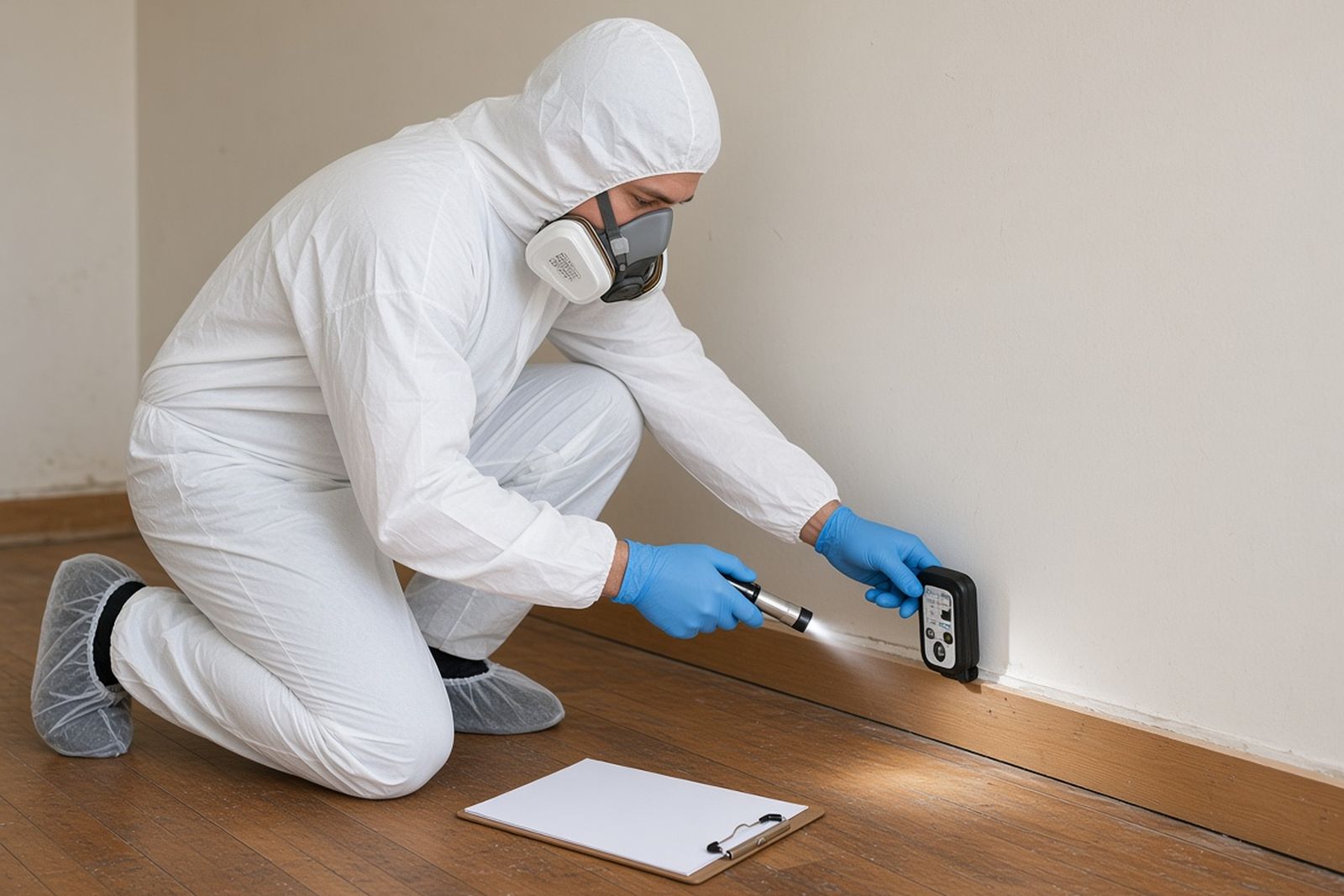
Environmental Responsibility in Crime Scene Cleanup
How a crime scene cleanup can protect both people and nature. A good crew removes only what it must, sorts waste, uses chemicals with care and keeps rinse water out of drains.
A responsible cleanup never trades safety for being green. It removes only what is truly soiled and keeps regulated biohazard waste apart from ordinary debris. It uses registered products the way their labels direct. It keeps rinse water and residue out of storm drains, controls fingerprint powder and records where every bag went. Ask each company how it does these things at your property.
Facts worth knowing
In a UK survey of adults bereaved in 2020, 56% of those who sought help from bereavement services had trouble getting it.
Why it matters: Support can be hard to reach, so you may need to ask more than once or try more than one service.
In interviews with 18 people in Germany who lost someone to suicide, some said others with a similar loss understood them without long explanations.
Why it matters: If explaining yourself is tiring, you may find a suicide-loss support group easier than talking with people who have not been through it.
In interviews with 15 grieving German adults, some valued company that came with no pressure to talk.
Why it matters: If you are supporting someone, you may help just by sitting with them; you do not have to find the right words.
Industry Insights: common questions
Why does the company that answered my call differ from the one that arrived?
Some brands work as referral networks or franchises. They pass jobs to partner companies in your area. That is not always a problem. But you should know who holds the contract, who carries the insurance, and who answers for the quality of the work. Ask for the legal name of the company doing the job before workers begin.
What is a quick swab test for residue, and does every company use it?
This is a quick swab test that shows leftover organic residue on a surface. A small handheld meter reads the swab and gives a rough sign of how clean the surface is. Many crime scene companies use it on hard surfaces after disinfecting. It does not detect germs or name any specific one. Not every company uses it. Some rely on a close look or other methods. Ask what a company uses and what results it will share.
Is crime scene cleanup becoming more standardized across the industry?
Trade groups and training schools have created courses and best practices. More property managers and insurers now ask for written proof that the work was checked. Even so, oversight still varies widely by place, and no single credential covers the whole field. Industry posts track these changes. They help you judge which standards mean something when a company mentions them.
Why do some cleanup companies use unmarked vans?
Many companies use plain vehicles to protect families' privacy. A truck with bold biohazard graphics can draw neighbors' attention and add to a family's distress. If privacy matters to you, ask about vehicle markings before booking. Some companies also time arrivals and waste removal to reduce attention. This is a common courtesy in the field rather than a special request.
How do crime scene cleanup companies usually find customers?
Common sources include referrals from police victim services, advocates, insurers, property managers, and funeral homes. Others come from online searches and websites that sell leads to companies. Some companies also market straight to property managers and businesses before anything happens. Knowing this can help you understand who you are really talking to when you call a number from a search result.
Is it common for cleanup companies to work nights and weekends?
Many do, since incidents happen at all hours and some situations cannot wait. Availability varies by company and region, and after-hours work may cost more. Ask whether after-hours service is included or billed differently. If your situation can safely wait until regular hours, you may have more company options and more time to compare.
Do crime scene cleanup technicians get support for the emotional side of the work?
Many companies know the work can take an emotional toll. They offer talks after hard jobs, time off, or access to counseling. Practices vary. Companies that care for their own staff often bring that same care to families. You can ask how the company supports its workers. The answer may tell you something about its culture and how professional it is.
Related community polls
Vote to see how other people answered. You can change your answer at any time.
What was the hardest thing to figure out in the first day after the scene was released?
Which type of incident brought you to this topic?
More on crime scene cleanup
Crime Scene Cleanup services
See what crime scene cleanup covers, from blood and police residue to tear gas and cars, and what the work does not include.
Costs explained
What drives the price, published cost ranges, and how to read a written quote line by line.
Insurance and payment
Which policies may respond, how to document a claim, and what to do if coverage is denied.
Planning tools
Planners, checklists, and guides you can click through for the days after police release a crime scene, each built for this situation.
Community polls
See what other readers think about the choices people face after a crime at their property, from picking a company to what surprised them most.
Knowledge quiz
Test what you know about scene release, sealing off the area, disinfecting, waste, and checking the work, with a short quiz and a plain study guide.
Field guides
Longer step-by-step guides on confirming scene release, working with insurers, reading a cleanup job plan, and keeping people safe while work is underway.
City guides
Find local facts and reach companies by area, with reminders that license and disposal rules vary by state and county.