Short answer
After a crime in a unit or common area, wait for the police release. Then lock the space, protect other residents and hire a qualified cleanup company under a written work plan. Keep the tenant or estate informed and record every step. Tell your insurer and the owner promptly. Check local rules before you touch belongings or rent the unit again.
Your role once police leave
Until investigators formally release the scene, it is not yours to enter or clean. Officers may keep a unit, hallway or parking garage closed for hours or days. During that time they photograph, collect evidence and apply fingerprint powders or test chemicals. Ask the lead investigator for a case number and a contact name. Ask how you will be told clearly when the release happens.
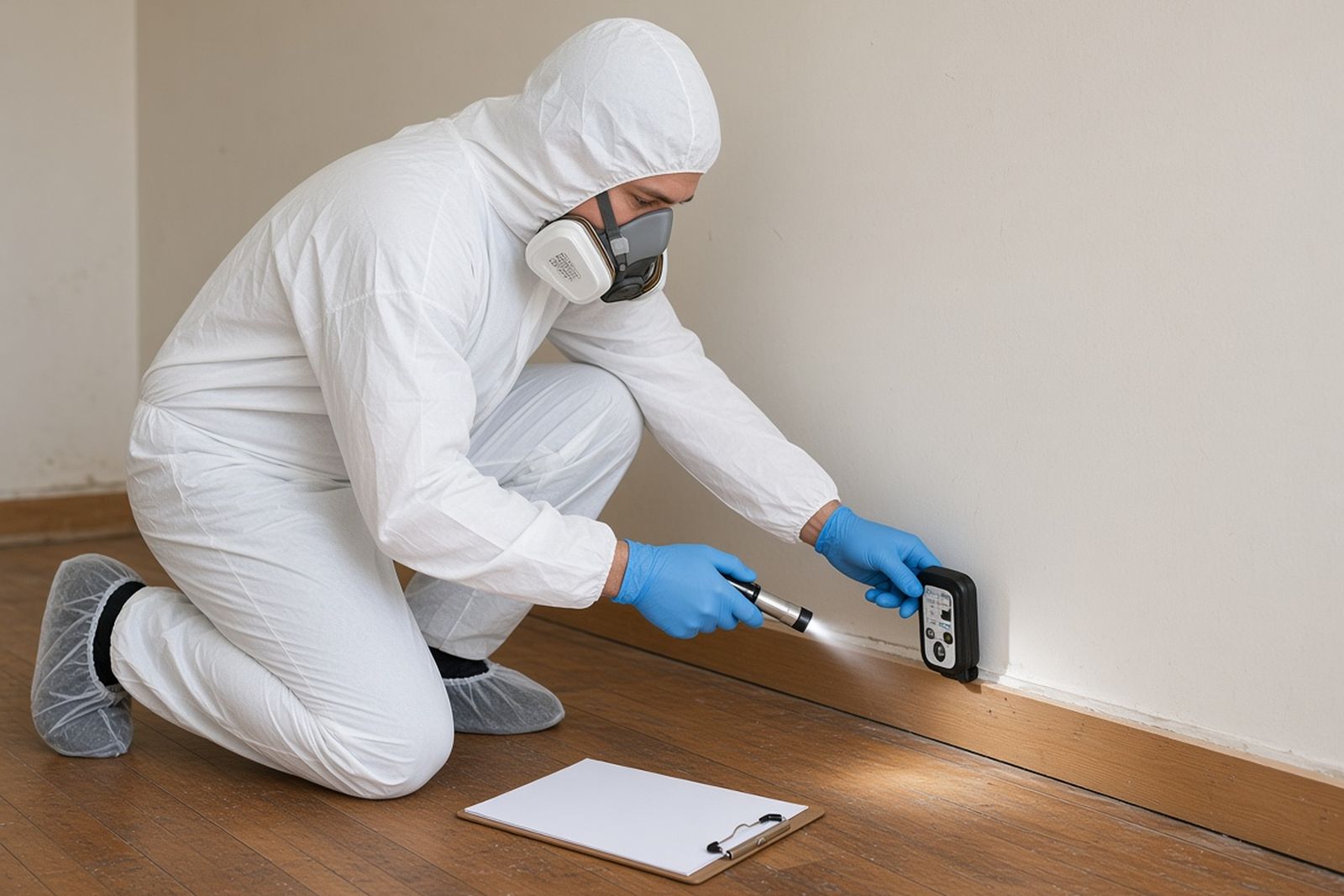
Once the space is released, responsibility shifts to the property side. In a rental, that usually means you, acting for the owner, together with the tenant or the tenant's estate. Your first tasks are practical. Keep the area locked and stop anyone from wandering in. Arrange a professional inspection. Do not send maintenance staff in with a mop.
Maintenance teams are rarely trained or equipped for blood and other body fluids that can carry disease. Asking them to handle it can expose them to germs carried in blood. It can also create workplace safety problems for your company. Your best move is to keep them out of the affected area entirely.
Who should I call first, and in what order?
A short call list you can reuse saves you from making it up during a stressful week. It helps to write this list down before you ever need it. The order below works for most management companies.
The victim or a household member may still be living in the unit. If so, ask where they want to stay while the work is done. Ask whether they want a victim advocate involved. Many police departments and prosecutors' offices can connect residents with advocates. Advocates explain compensation programs and support services.
- The investigating agency, to confirm the release and get the report or case number
- The property owner or asset manager, with a short factual summary
- The property insurer, to open a claim and ask what records it needs
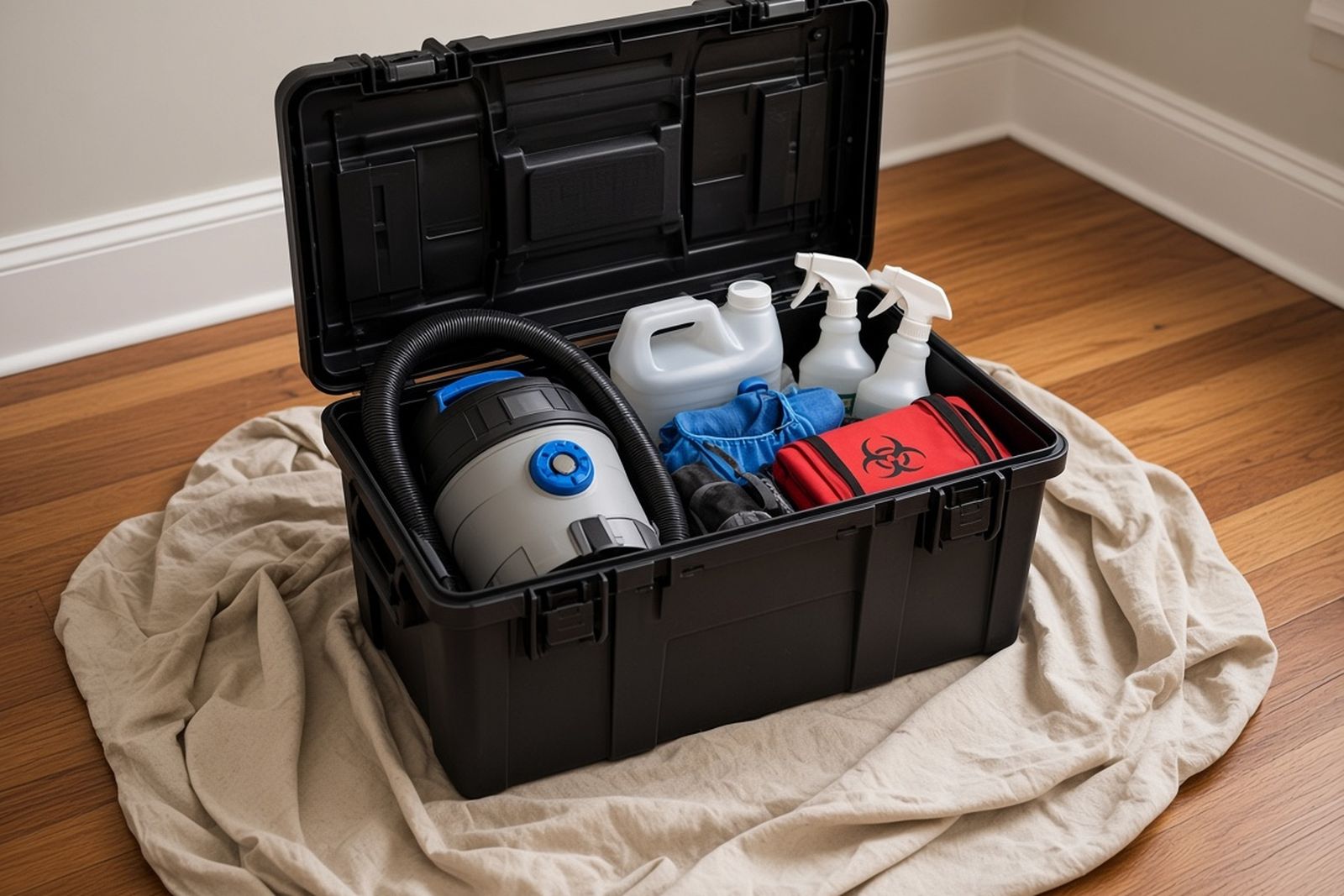
- A qualified crime scene cleanup company, for a visit to the unit and a written work plan
- The tenant, household or estate representative, to talk about access and belongings
- Your attorney or compliance lead, if lease, notice or privacy questions come up
Protecting neighbors and other residents
In apartments, condos and mixed-use buildings, a crime in one unit affects the whole community. Blood can travel through a floor into the ceiling below. Fingerprint powder can drift through a shared air vent. Residents may see officers, tape and vans and start to guess at what happened.
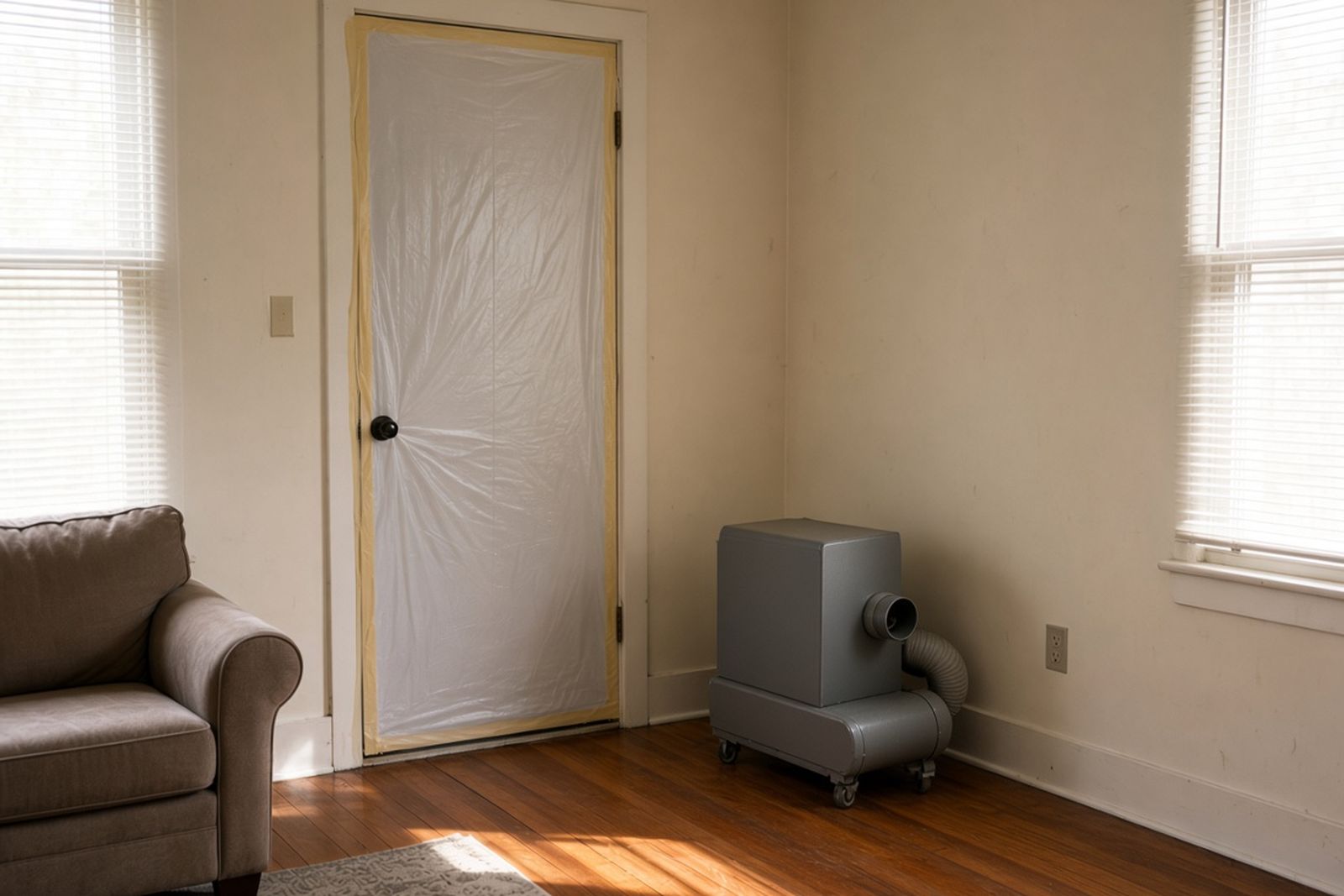
Ask the cleanup company to check the units next door and shared building systems during its inspection. The unit below and any shared ductwork matter most. If the mess crossed into another space, that space needs its own records and its own work plan.
Take care in what you tell residents. A short notice is usually enough. Say that a professional crew will be working in a specific area, and give the dates and the entrance they will use. Do not share names, details of the incident or guesses. Protecting the privacy of the victim and household is both kind and wise.
Think about where the crew will set up equipment and carry out sealed waste. A service entrance or a quieter time of day cuts disruption. It also keeps residents from seeing more than they need to.
What the written work plan should include for a rental unit
A written work plan, often called the work plan, is your protection. It tells the owner, the insurer and the tenant exactly what will be removed and what will be cleaned in place. It also says what will be left for a general contractor. A vague offer such as "biohazard cleanup, whole unit" makes it hard for you to compare bids or defend the invoice later.
Ask for the plan to be set out room by room, with photographs attached. It should also keep blood cleanup apart from police residue. Fingerprint powder and test chemicals behave differently from blood and may need different products and methods.
- Each affected room and surface, with the type of material noted
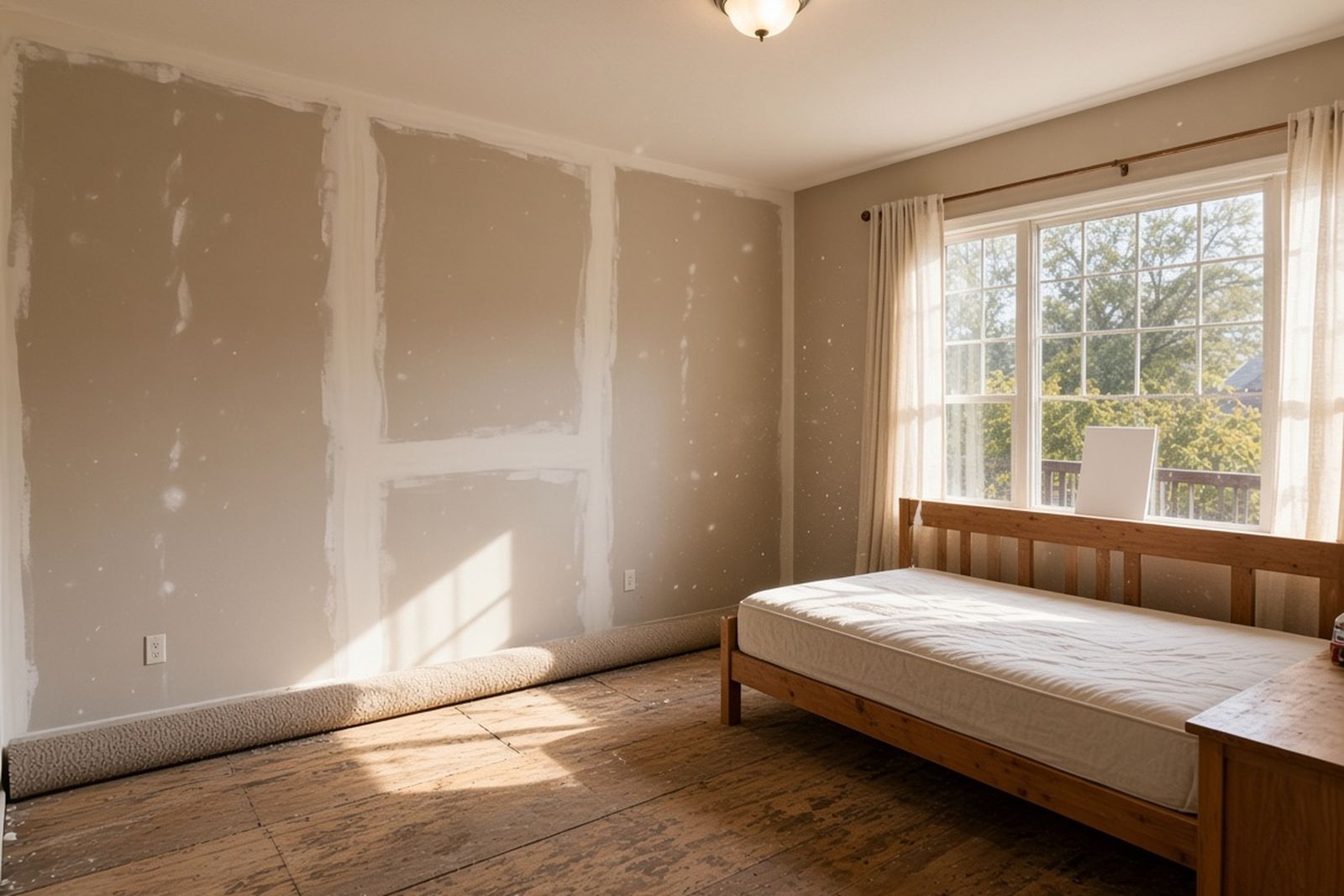
- Materials to be removed, such as carpet and pad, drywall sections or cabinets
- Surfaces to be cleaned and disinfected in place, with the type of product
- How police residue will be treated, including heating and cooling filters and vents
- Checks of nearby units, shared walls and the ceiling below
- Records of how waste is packed, hauled and disposed of
- What is left out, such as painting, new flooring or lock changes
How do I vet a crime scene cleanup company for a portfolio?
If you manage many properties, it pays to check one or two companies before an incident, not after. Look for written programs covering germs carried in blood and breathing protection. Look for proof of employee training and for general liability and pollution coverage. Look for a clear process for waste disposal through a licensed hauler. Ask for sample reports with private details removed.
Ask how they handle buildings with many units and whether they work with property insurers. Ask how they speak with residents who are grieving or frightened. A company that treats your tenant with patience and discretion protects your reputation as well.
Be careful with any company that quotes a price over the phone before seeing the space. Be careful if it pushes you to sign an assignment of benefits on the spot, or promises the insurer will pay. Coverage is the insurer's decision, not the contractor's. Also ask who will be on site. A supervisor who can answer your questions during the job is worth more than a polished sales call that vanishes once you sign. Finally, ask how quickly they send the written work plan after the inspection. The owner and insurer will both want it before approving work. Licensing and registration rules for this work differ widely. Confirm what applies with your county health department or state environmental agency.
Who pays for cleanup in a rental property?
Payment depends on the lease, the owner's property policy and the tenant's renters policy. In many cases it also depends on a state crime victim compensation program. The answer often involves more than one source. Your role is to keep the records in order so each party can review its piece.
Victim compensation programs may pay back eligible victims or their families for cleanup, subject to caps and rules on who qualifies. Each state sets its own limits and conditions. So the tenant or family should confirm the details with their own state program.
Do not tell a tenant that they will or will not be charged until you have reviewed the lease, the policies and local law with the owner. An answer given too early can create conflict that is hard to undo.
Tenant belongings and the lease
Belongings still belong to the tenant, or to the estate if the tenant died. Even when many items are soiled, you usually need permission before you throw anything away. Ask the cleanup company to photograph and list the items it suggests removing. Then get written direction from the tenant or the estate's representative.
Lease questions are sensitive. A victim may want to break the lease and move right away. Some places give survivors of certain crimes specific rights to end a lease early, change locks or receive other protections. Those rules differ from place to place, so check with your attorney before you respond to requests.
Keep the conversation humane. A resident who just lived through violence at home may not be ready to talk about rent, deposits or move-out dates. Offering a single point of contact and a reasonable timeline goes a long way.
Records to keep after the job
Good records protect everyone if questions come up months later. Keep the police case number and release date, the signed work plan and any approved changes. Keep before-and-after photos, waste disposal records, the final invoice and any written direction about belongings. Store them with the unit file and the insurance claim.
Before you rent the unit again, confirm that the crew finished every item on the work plan and that any rebuilding is done. A walk-through with fresh eyes helps you spot anything that still looks or smells wrong. Ideally, bring someone who was not involved in the incident.
Finally, look after your staff. Managers and maintenance workers who responded that night may feel shaken, even if they were not in danger. Encourage them to use employee assistance programs or other support. Meet as a team to talk over what worked and what you would change next time.