Crime Scene Cleanup: Safety
How to stay safe around crime scene cleanup: what not to touch, what protective gear a good crew wears, and when to leave the work to a trained company.
Safety posts focus on keeping you, your family, and anyone else who enters the property out of harm's way. That applies before, during, and after crime scene cleanup. They cover why you should not scrub or bag anything yourself. They explain how sharps, such as broken glass, can hide in soft furniture. They describe what safety gear workers wear and why. They show how sealing off the work area protects rooms that were never affected. You will also read about airing out, pets, and children going back into a space once work is done.
Get an email reply about crime scene cleanup
Send a short message to the follow-up inbox. A coordinator can reply by email. This form does not send emergency help; call 911 first if anyone is in danger.
This group matters because the urge to start cleaning is strong. That is especially true when a loved one's home is involved or a tenant is waiting. Well-meant cleanup can spread contamination to new areas. It can expose you to germs. It can disturb material that an insurer later wants on record. Knowing the specific hazards at a released crime scene lets you choose what to handle and what to leave alone. It also tells you when to step away until trained workers arrive.
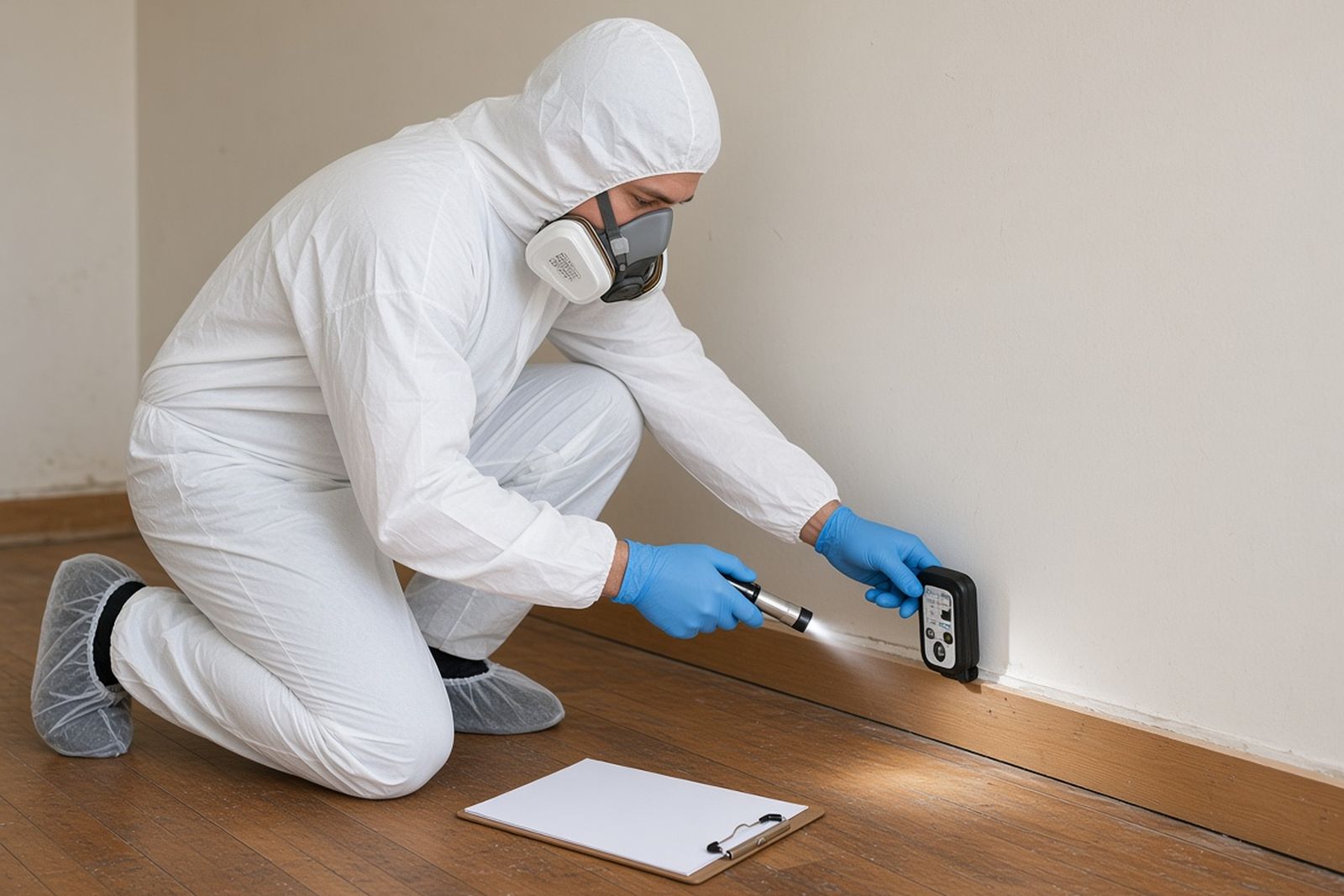
DIY vs Professional Crime Scene Cleanup: The Critical Differences
Where cleaning a crime scene yourself falls short: hidden blood, the risk of disease, chemical mistakes, waste rules, missing paperwork and the emotional cost.
The real difference is not effort. It is training, equipment and records. Trained crews treat all blood as able to carry disease and find what soaked below the surface. They clean first, then keep the disinfectant wet for the time its label requires. They pack waste as regulated material and give you records for insurers and victim compensation. Household cleaning often misses hidden material and puts you at risk. There are safe tasks you can do instead.
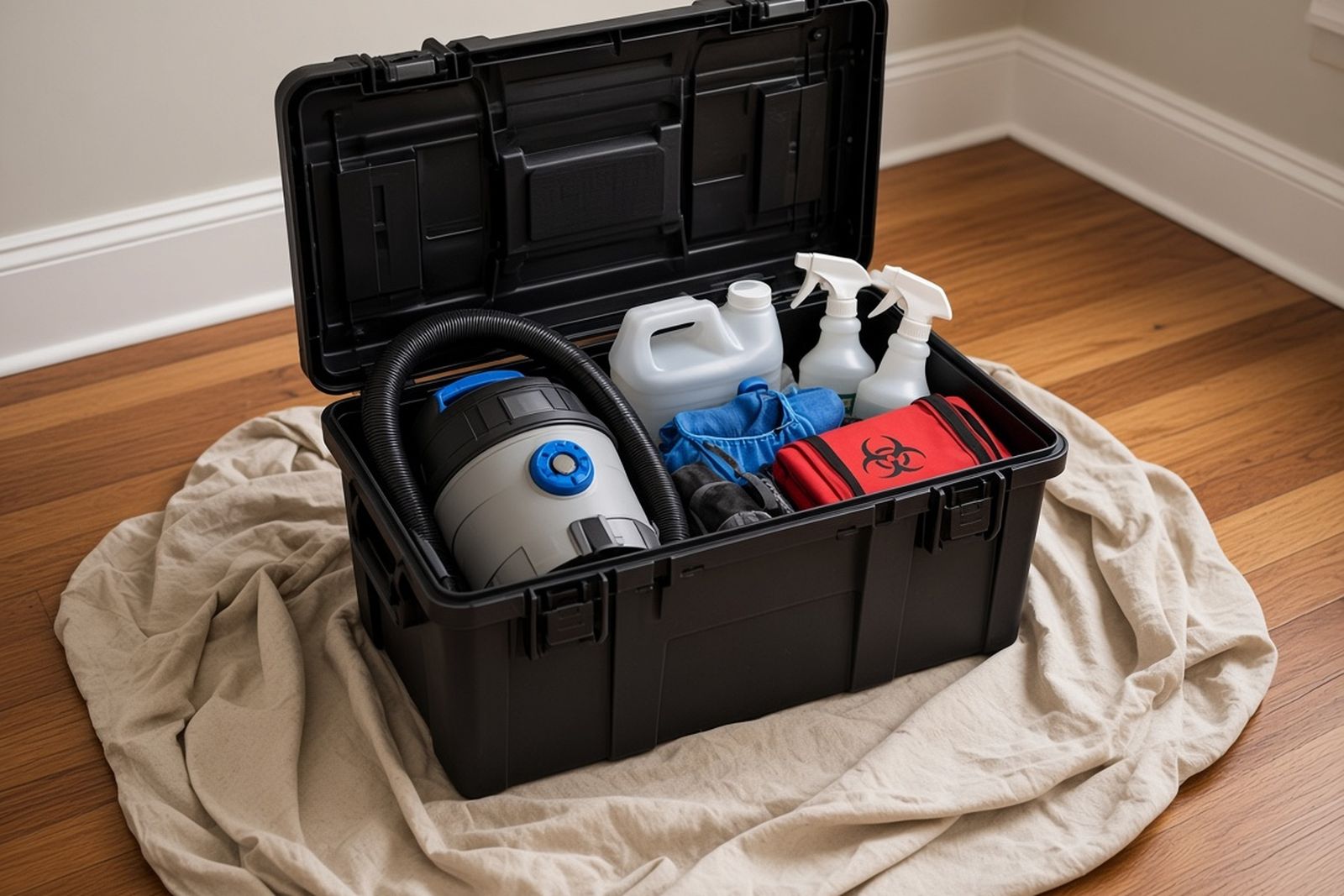
10 Crime Scene Cleanup Safety Risks to Assess Before Work Begins
Ten hazards to check before anyone starts crime scene cleanup at your property. They are germs in blood, sharp objects, hidden blood, chemicals, dust, damage, security, utilities, heat and trauma.
Before cleanup begins, someone should check ten risks. They are germs carried in blood, sharp objects and broken glass, hidden blood, chemical hazards and dust in the air. They also include damage to the building, site security and unexpected items, utility hazards, heat stress in protective gear and emotional strain. A good company finds each risk during its walkthrough. It tells you how it will control each one and writes the plan down before work starts.
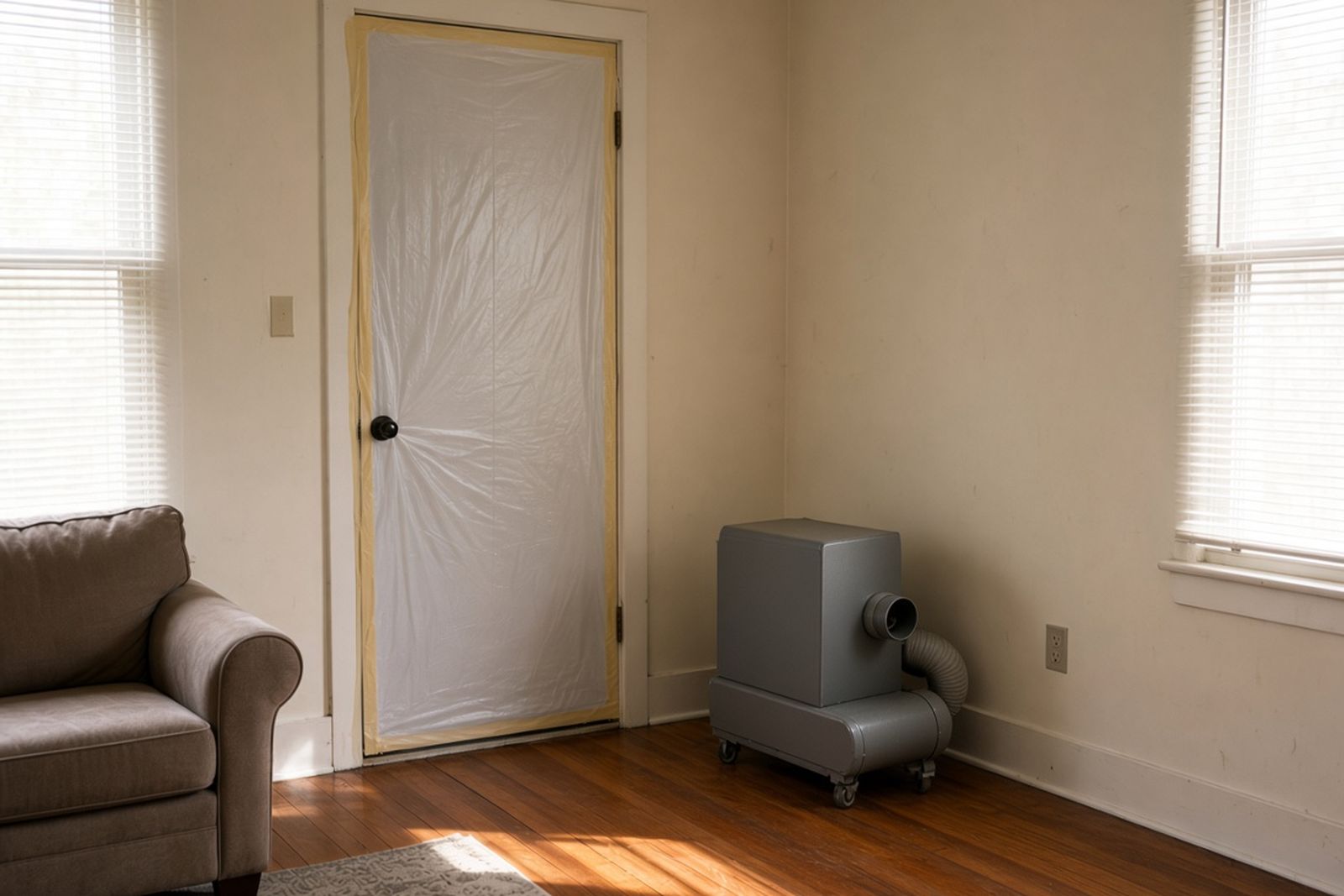
PPE Planning for Crime Scene Cleanup: Start With the Hazard Assessment
Why a cleanup crew's protective gear starts with a written look at the hazards, and how crews match gloves, suits, eye and lung protection to each scene.
A good crew picks its protective gear after looking at your scene, not from a fixed kit. The crew lead checks how much blood there is and which surfaces are involved. The lead looks for needles or broken glass, how well air moves through the space and which chemicals will be used. That review decides the gloves, body coverings, eye and face protection, footwear and whether breathing masks are needed.
Facts worth knowing
The CDC says washing hands with soap cuts the number of people who get sick with diarrhea by 23% to 40%.
Why it matters: Wash your hands with soap after any cleanup or contact with a contaminated area.
In a survey of burglary victims in three English areas, published in 2005, 18% of those who claimed on insurance said it did not cover their loss well enough.
Why it matters: A claim may not pay for everything, so check your policy limits and what it leaves out before you plan around it.
In interviews with 15 grieving German adults, some valued company that came with no pressure to talk.
Why it matters: If you are supporting someone, you may help just by sitting with them; you do not have to find the right words.
Safety: common questions
Is it safe to retrieve personal items before the crime scene is cleaned?
It depends on where the items are and whether they touched affected areas. Items in rooms that were not touched can often be picked up carefully once police have released the property. Anything near where it happened should wait for the company, which can check, clean, or pack it. If you need something right away, such as medicine or an ID, describe where it is. Ask the company to get it for you.
Can household bleach make a crime scene safe enough to reenter?
Household bleach can disinfect some hard surfaces when used the right way. But it does nothing for fluids that have soaked into floors or walls. It can also damage finishes or react with other chemicals. Using it yourself also means handling soiled material without proper protection. The safety articles explain why pros rely on registered products, keep them wet for the time on the label, and remove soaked materials.
When is it safe for children and pets to return after the work is done?
Ask the company to confirm in writing three things. The cleanup and any checks are complete. The disinfectant has dried or been rinsed as its label says. All waste has left the site. Walk the space yourself first. If odors remain or you notice anything unexpected, raise it before bringing sensitive family members back into those rooms.
Can I safely open windows to air out the room before cleanup?
It is generally better to wait. Opening windows or running fans can move fine particles like fingerprint powder and spread odor into other areas. If the room is extremely hot or stuffy and you must enter to open a window, ask the company first. Keep the door to the affected room closed and let the crew decide on ventilation once work begins.
What should I do if a pet walked through the affected area?
Keep the pet away from the area and avoid letting it lick its paws or fur if you can. Put on gloves, gently wipe its paws with soap and water and wash your hands afterward. Call a veterinarian for advice, especially if you notice anything unusual. Tell the company which paths the pet took so they can check those areas too.
Are there safety risks after the cleanup is finished?
If the work was done properly and checked, the space should be safe for normal use. Any risks left are usually about repairs, such as bare subfloor or wiring after materials were removed. Follow the company's advice about when to walk on floors or use rooms. If something looks unfinished or unsafe, ask the company or your repair contractor before you use the area.
How do I protect visitors or contractors who come to the property before cleanup?
Keep the affected area closed and clearly marked with a simple sign. Tell anyone visiting, such as an insurance adjuster or a repair estimator, which areas to avoid. Ask them to wait for the company's assessment before entering. If someone must enter, the company can advise on protective equipment. Keep a note of who visited and why.
Related community polls
Vote to see how other people answered. You can change your answer at any time.
What was the hardest thing to figure out in the first day after the scene was released?
Which type of incident brought you to this topic?
More on crime scene cleanup
Crime Scene Cleanup services
See what crime scene cleanup covers, from blood and police residue to tear gas and cars, and what the work does not include.
Costs explained
What drives the price, published cost ranges, and how to read a written quote line by line.
Insurance and payment
Which policies may respond, how to document a claim, and what to do if coverage is denied.
Planning tools
Planners, checklists, and guides you can click through for the days after police release a crime scene, each built for this situation.
Community polls
See what other readers think about the choices people face after a crime at their property, from picking a company to what surprised them most.
Knowledge quiz
Test what you know about scene release, sealing off the area, disinfecting, waste, and checking the work, with a short quiz and a plain study guide.
Field guides
Longer step-by-step guides on confirming scene release, working with insurers, reading a cleanup job plan, and keeping people safe while work is underway.
City guides
Find local facts and reach companies by area, with reminders that license and disposal rules vary by state and county.