Short answer
The real difference is not effort. It is training, equipment and records. Trained crews treat all blood as able to carry disease and find what soaked below the surface. They clean first, then keep the disinfectant wet for the time its label requires. They pack waste as regulated material and give you records for insurers and victim compensation. Household cleaning often misses hidden material and puts you at risk. There are safe tasks you can do instead.
Why cleaning it yourself is tempting
After a violent crime at home or at work, the urge to erase what happened can be overwhelming. You may want the room to look normal before children come home. You may worry about cost. You may feel that letting strangers into your space would be one more violation. All of these reactions make sense.
It can also feel like a small task you can control at a time when very little feels under your control. Grabbing a bucket and gloves is an understandable way to push back against feeling helpless.
Nobody should judge you for that impulse. What helps is knowing the practical differences between household cleaning and professional crime scene cleanup. Then you can make an informed choice. And if you decide to hire help, you will know what to expect from it.
Is it even allowed to clean before police are done?
No. Until police release the scene, cleaning can disturb evidence and may get in the way of the investigation. Even small actions can matter, such as wiping a door handle or throwing away a towel. If you are not sure the scene has been released, ask the responding agency before you touch anything.
Once the scene is released, the decision is yours, within any lease, association or employer rules. That is when the comparison below starts to matter.
Businesses face the same rule. If a crime happened in your store, office or rental unit, wait for the release too. Keep employees out of the affected area until a qualified crew has finished. Asking staff to clean up may expose them to germs carried in blood. They would not have the training and gear their employer is expected to provide.
Pathogens and sharps
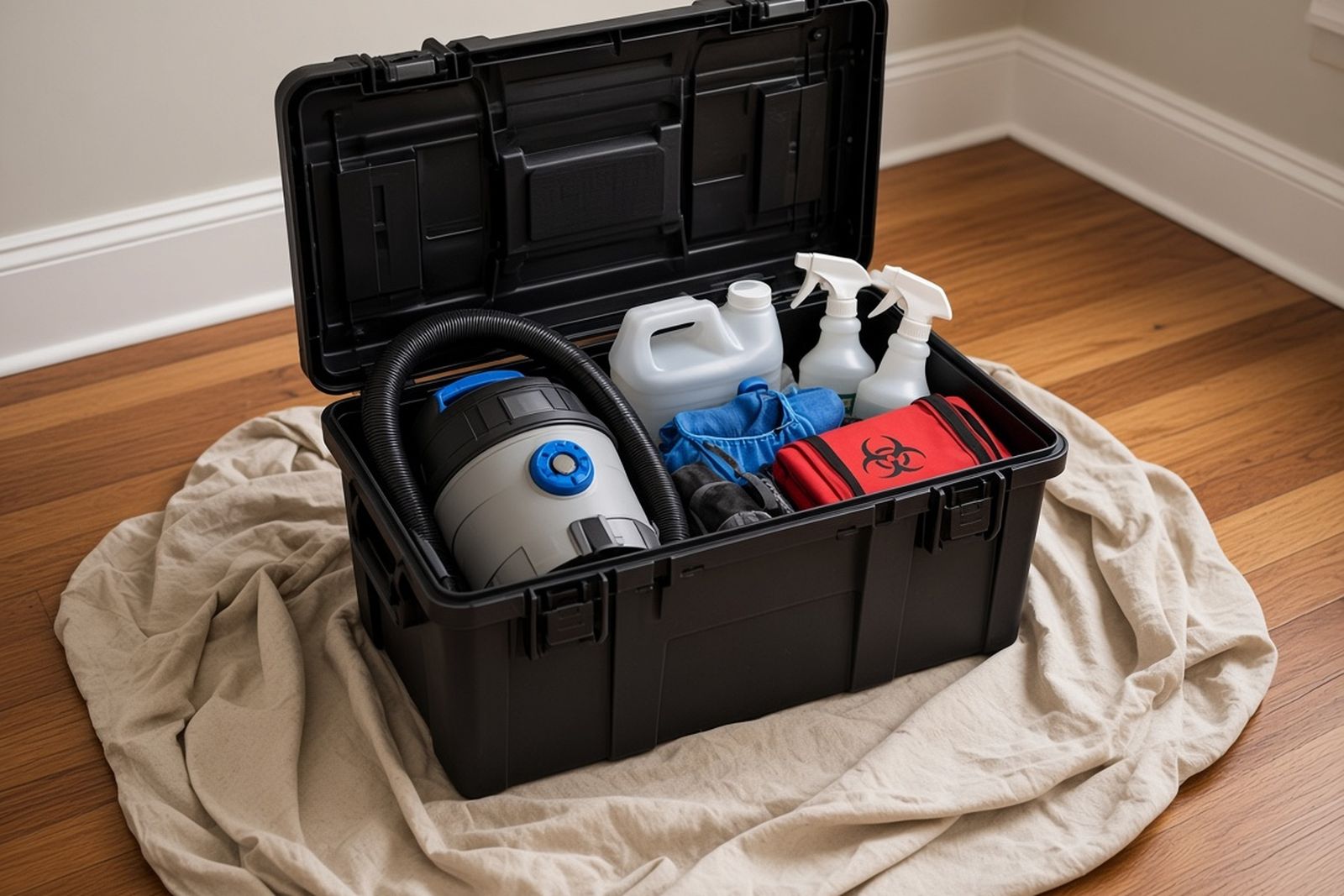
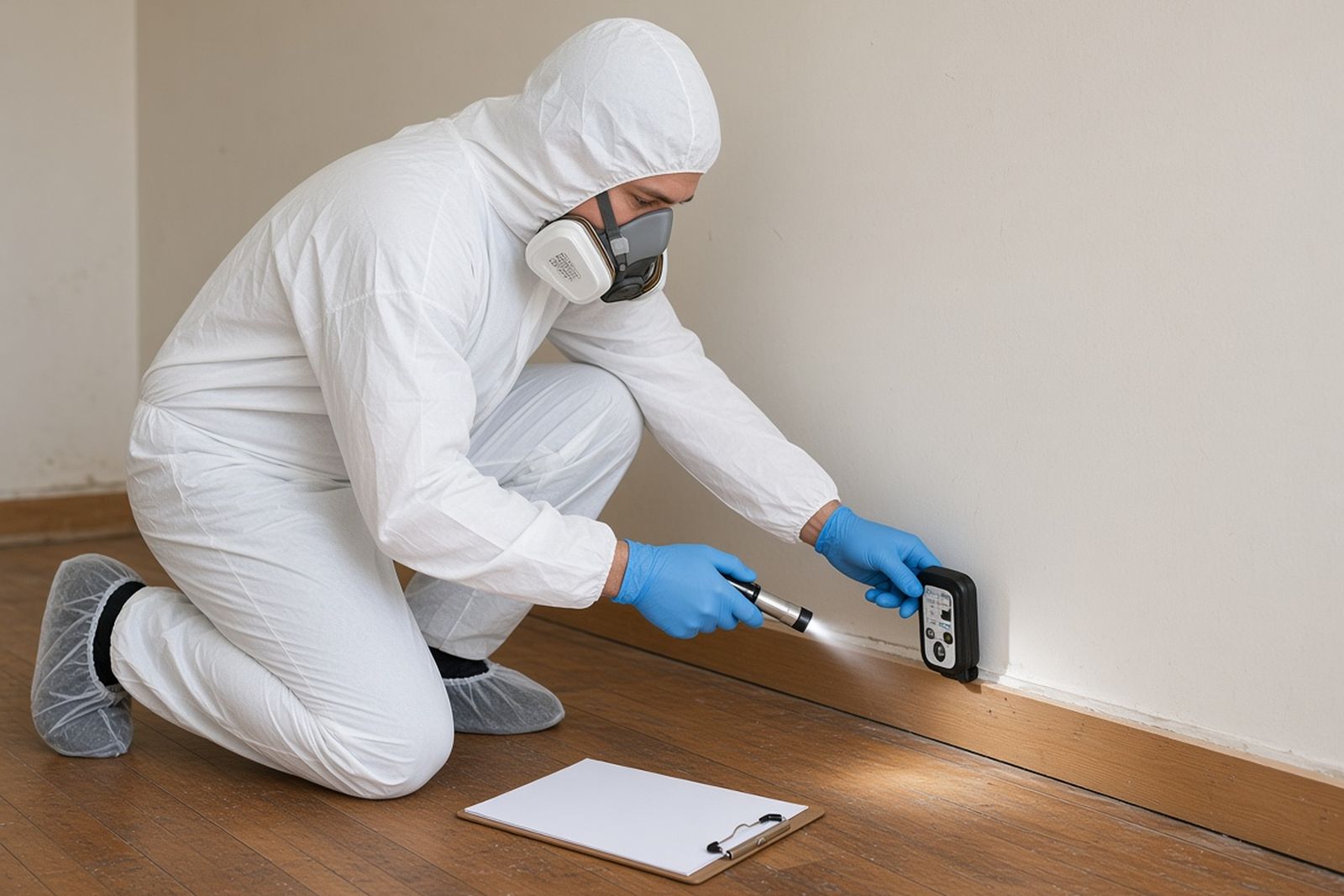
The most serious risk is bloodborne pathogens, the germs carried in blood. Blood can carry hepatitis B, hepatitis C and HIV, and dried blood is still a hazard. Trained crews follow universal precautions, which means they treat all blood as if it could carry disease. They wear fluid-resistant suits, eye protection and two layers of gloves. They add respirators, which are fitted breathing masks, when fine spray or dust is likely. Household gloves and a dust mask do not protect you the same way. That is especially true when scrubbing or pulling up carpet sends particles into the air.
Sharp objects add another risk. Think of broken glass from forced entry, damaged fixtures and, at some scenes, discarded needles. These can cut through ordinary gloves.
Chemicals, air and the full list of risks
Chemical mistakes are common too. Mixing bleach with ammonia-based or acidic cleaners releases harmful gases. Bleach on the wrong surface can damage the finish without making the area safe. Trained crews choose EPA-registered disinfectants labeled for bloodborne pathogens. They follow the label for how much water to add and how long the surface must stay wet.
Air is easy to forget. If you run a household vacuum over dried material, it can blow fine particles back into the room and into the vacuum itself. The vacuum then carries that material to every room you use it in afterward. Trained crews use machines with HEPA filters, which trap very fine particles. They bag the used filters as waste.
- Exposure to germs carried in blood through cuts, eyes or mouth
- Cuts from glass, splintered wood or needles
- Harmful fumes from mixing household chemicals
- Carrying the mess into clean rooms on shoes and tools
- Lasting distress from repeated close contact with the scene
Why does a DIY job often look clean but is not?
What you can see is usually a small part of what is there. Blood runs downward and wicks into carpet pad, subfloor, grout, wood seams and the back of baseboards. Fine droplets can land on ceilings, lampshades and the undersides of furniture. Traces are often carried along hallways and stairs by people moving through the space.
Surface cleaning removes what is on top. It does not reach what soaked in. That is why many do-it-yourself efforts are followed by stains that return or an odor that will not leave. Sometimes material turns up under a rug weeks later.
Order matters as well. Disinfectants lose much of their strength when a surface is still coated in blood or other organic matter. So trained crews remove the bulk of the material first. Next they clean with a detergent or enzyme product. Only then do they disinfect. If you spray a disinfectant on a stain and wipe it off quickly, you skip two things: the cleaning step and the wet time the label requires.
Police residue is another trap. Fingerprint powder smears when you wipe it with a wet cloth. It spreads a gray film across paint and grout that is harder to remove than the powder was. Trained crews lift loose powder first with soft brushes or HEPA vacuums. Then they clean with products suited to each finish. They often go room by room, because powder is often applied well outside the main area.
Where the waste goes
Materials soaked with blood, such as carpet, cushions, towels and cleaning cloths, are generally treated as regulated waste in professional work. They are packed in labeled containers and taken to a permitted facility. Records show where they went.
Putting these materials in your household trash can create risks for sanitation workers and may conflict with local rules. What counts as regulated waste, and how it must be handled, differs from place to place. Your county health department or state environmental agency can tell you what applies to you.
Tools raise the same question. Mops, sponges, brushes and buckets used on the scene can hold blood in their fibers and cracks. Trained crews either dispose of them as waste or clean and disinfect them under a written procedure. If you put them back in the kitchen closet, you risk spreading material to places that were never affected.
Does doing it yourself actually save money?
Sometimes it seems cheaper at first, but hidden costs are common. Blood you missed may lead to a second, larger cleanup. Finishes damaged by harsh chemicals may need repair. Throwing out items that could have been saved adds the cost of replacing them.
Paperwork matters too. Insurers and victim compensation programs often want itemized invoices, photos and disposal records. Some programs pay back cleanup expenses directly, up to a cap that each state sets. If you do the job yourself, you may have little to submit.
Before you decide based on cost, ask your insurer and a victim advocate what might be covered. You may find that professional help costs you less out of pocket than you feared.
One DIY cleanup, then a professional one
One illustrative case shows how this tends to unfold. After a domestic assault in a rented apartment, a young man is treated at a hospital and sent home. Once police release the apartment, his roommate decides to clean the living room himself to save money.
He scrubs the spots he can see on the laminate floor and a wall with a bleach solution. He throws a stained throw rug and cushions into the building's dumpster and opens the windows. The room looks better. A week later, a sour odor builds near the couch. A dark line appears along the seams of the laminate.
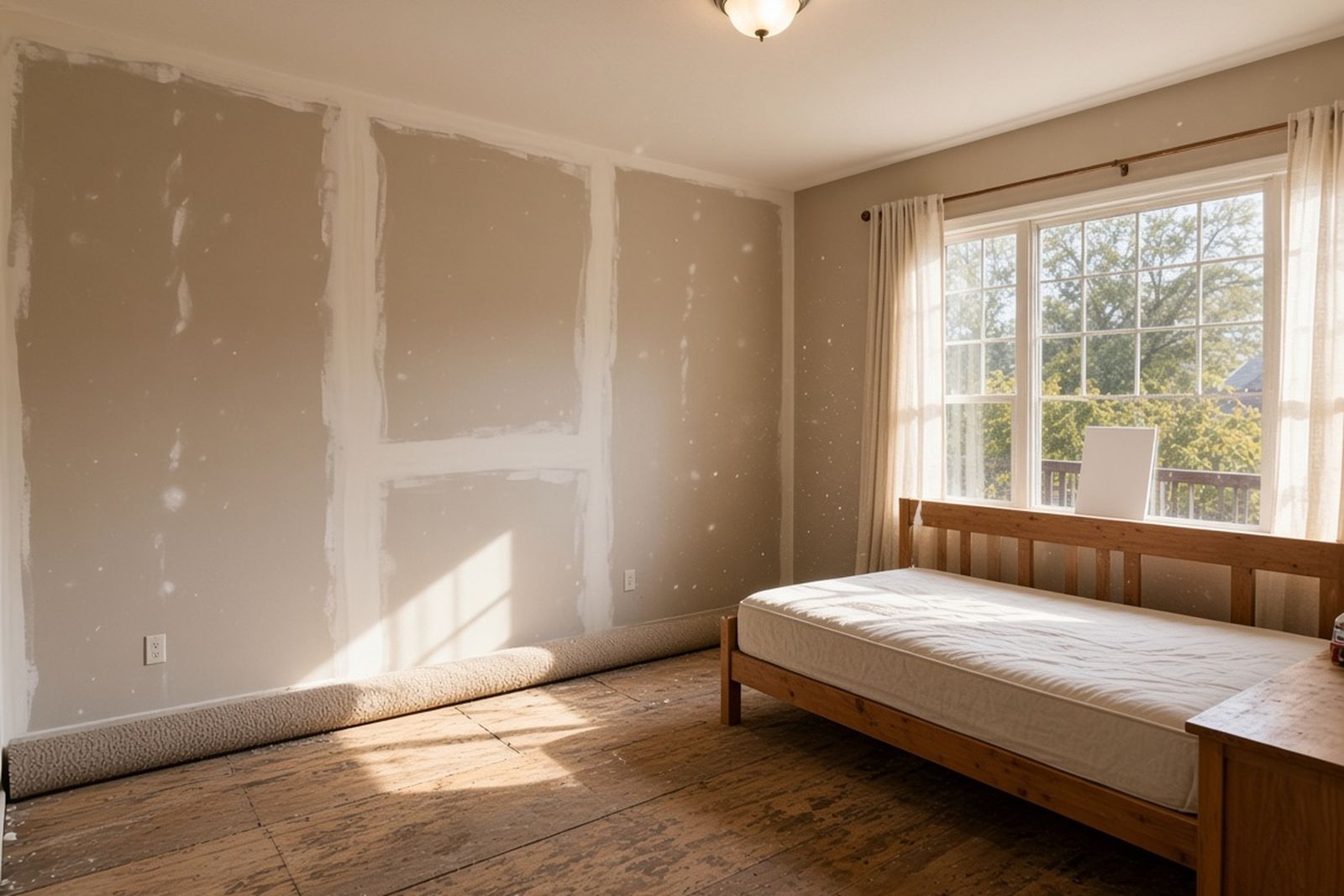
The landlord calls a professional cleanup company. The worker finds that fluid seeped between the laminate planks into the layer beneath. Droplets on the lower edge of the couch and a bookshelf were never cleaned. The bleach has also dulled the laminate finish. The crew removes several planks and the layer beneath them. They clean and disinfect the subfloor, the couch frame and the bookshelf. They provide the records the landlord requires.
The roommate ends up paying for part of the flooring repair. He has no invoice to submit to a compensation program for his own cleaning time. The roommates are not real people. But the pattern of hidden spread and extra cost is common.
The emotional difference
Cleaning a scene where someone you know was hurt is not like cleaning a spill. Close, repeated contact with the details of a violent event can stay with you. Crime affects people long after the event itself. Cleaning up after violence adds a heavy burden of its own.
Professional crews are trained for this work and wear protective gear. They often have support systems of their own. Handing the physical task to them lets you focus on your recovery, the investigation and the people who rely on you.
What you can safely do yourself
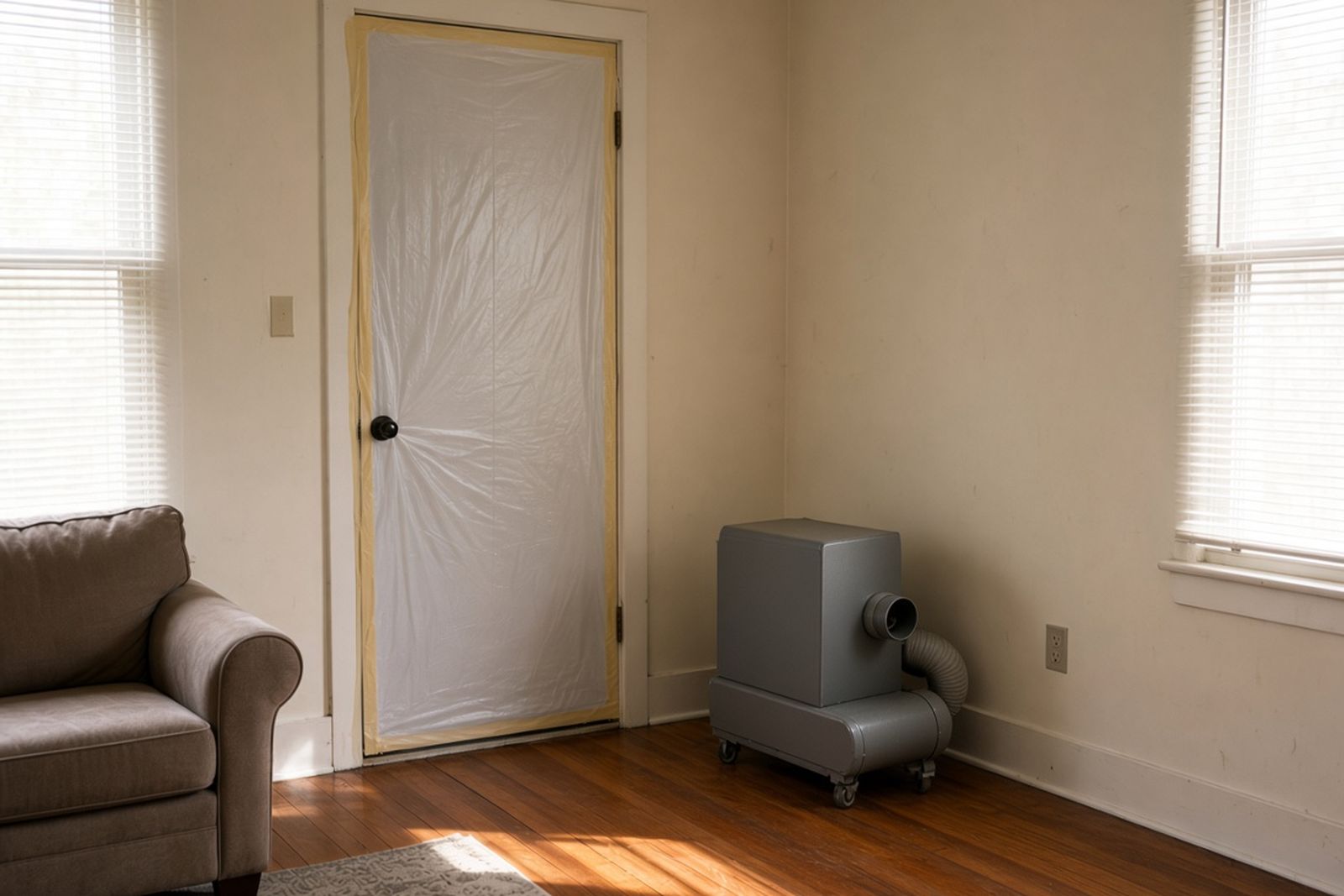
There are useful, safe tasks you can take on without touching the affected area. Keep the door to the room closed, and keep children and pets away. Photograph the space from the doorway for your records. Call your insurer and ask about coverage. Contact a victim advocate about compensation programs. Make a list of the belongings you want saved.
You can also handle the conversations. Gather estimates. Ask each company which products it uses and how it handles waste. Ask how it records wet time and how it checks the finished work. Choosing a qualified company is itself an important act of care for your home and your family.
If you have already cleaned part of the area, please do not be hard on yourself. Stop and wash any exposed skin well. Bag the tools and cloths you used, and tell the cleanup company what you did. If you were cut or splashed, call a doctor or urgent care clinic for advice about possible exposure.