Short answer
A good crew picks its protective gear after looking at your scene, not from a fixed kit. The crew lead checks how much blood there is and which surfaces are involved. The lead looks for needles or broken glass, how well air moves through the space and which chemicals will be used. That review decides the gloves, body coverings, eye and face protection, footwear and whether breathing masks are needed.
Why doesn't every crime scene call for the same gear?
Crime scenes vary a great deal. One job might be a few drops of blood on a tile entryway after a burglary. Another might follow an assault that spread blood across carpet, furniture and walls in several rooms. A third might be in a vehicle, a stairwell or a restaurant kitchen.
A single, fixed kit would protect workers too little at the harder scenes. At the simpler ones it would waste time and materials. That is why a professional crew begins every job by looking at what is really there and choosing protection to match. You may hear this gear called PPE, short for personal protective equipment.
OSHA's general PPE standard, 29 CFR 1910.132, makes this approach a rule. It requires employers to check the workplace for hazards and choose gear that protects against them. They must confirm the check in writing and train workers to use the gear properly. For a crime scene cleanup company, your address is in effect a new workplace.
The hazard walkthrough
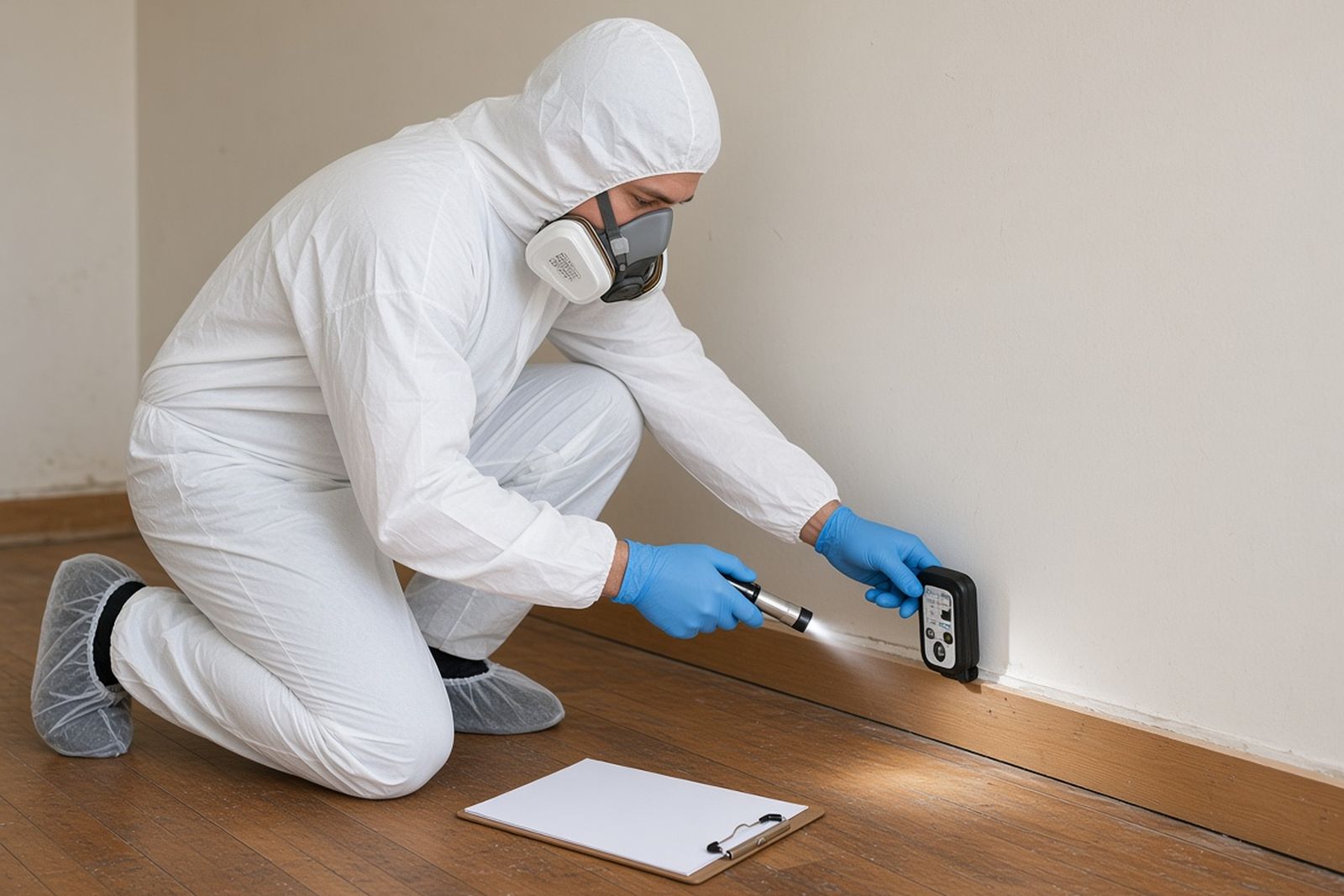
A careful review happens before anyone starts cleaning. The crew lead walks your scene, often with a flashlight and notepad, and writes down what the team will face. Police should have released the property first. A good lead confirms that before going in.
The questions are practical. How much blood or other body fluid is present, and how far has it traveled? Is it wet or dried? Which surfaces are involved, and do they soak up liquid or not? Are there sharp objects, such as broken glass, damaged metal or needles? How well does air move through the space? Will materials need to be cut out, which releases dust? Which disinfectants and cleaners will be used, and how small is the space?
What the assessment covers
The lead also thinks about people outside the work area. That includes your neighbors in a shared hallway, your pets and family members who may arrive without warning. All of them affect where the crew sets up its barriers and where it places bagged waste.
- How much blood or body fluid there is and how far it spread
- The kinds of surfaces, from sealed tile to carpet and couch fabric
- Sharp and broken objects
- Airflow, room size and temperature
- Any planned tearing out or removal of materials
- The chemicals to be used and their label warnings
- The routes for carrying soiled items out of your property
Gloves and hand hygiene
Hands touch the mess most directly, so the choice of glove matters. Many crews wear two pairs: a close-fitting inner nitrile glove under a sturdier outer glove. When broken glass or other sharp objects are present, a cut-resistant layer goes on top. You should see outer gloves changed often, especially when a worker moves from a dirty area to a clean one.
Hand washing still matters under all of this. Workers wash their hands after taking off the inner gloves, even when the gloves look whole. Tiny tears are easy to miss during heavy work.
Body coverings and footwear
Body coverings range from fluid-resistant coveralls to heavier suits that liquid cannot pass through. The choice depends on how much wet material the crew expects to handle at your scene. Hoods protect hair and the back of the neck. Seams are often taped at the wrists and ankles so fluid cannot slip underneath.
Feet need protection too. Throwaway boot covers keep the mess from being tracked through your home. Chemical-resistant boots may be used where your floors are soaked or disinfectant will pool.
When do eyes, face and lungs need extra protection?
Splashes can happen when soaked materials are lifted, when surfaces are scrubbed or when disinfectant is sprayed. Safety glasses may be enough for light work. Goggles or a full face shield are common whenever splashing is possible.
Breathing protection depends on the air. Cutting drywall or carpet releases particles. Strong disinfectants in a small bathroom or closet can irritate the lungs. In those cases, crews may wear respirators, which are fitted breathing masks. These cover half the face or the whole face and use filters chosen for the hazards at hand. Under OSHA's breathing protection standard, tight-fitting respirators require a written program, a medical check and fit testing.
A full-face respirator also protects the eyes and face. That makes the kit simpler in rooms where both splashes and particles in the air are likely.
Why dried blood still calls for full protection
You may assume that once blood has dried, the danger is gone. The science does not support that. CDC's clinical overview of hepatitis B, updated in 2024, states that hepatitis B virus remains infectious for at least 7 days on environmental surfaces.
Crime scenes are often released days after the event, especially when an investigation takes time. By then the stains may look old and harmless to you. Trained crews treat them exactly as they would treat fresh blood. Scraping, cutting or scrubbing dried material can release particles and put workers in contact with it.
This is also why crews follow universal precautions. That means treating all blood as able to spread disease, no matter whose it is. It is one steady rule applied to every scene, not a judgment about you or anyone involved.
PPE choices in one kitchen
Here is how the review drives choices in one illustrative apartment. A tenant in a small apartment is assaulted in the kitchen and survives after a hospital stay. Police release the unit two days later. The landlord hires a cleanup company before the tenant returns.
The crew lead's notes list dried blood on vinyl flooring and cabinet fronts, with some soaked into a fabric chair cushion. There is a broken drinking glass under the table and spatter on a painted wall. The kitchen is small, with one window and a range hood that vents into the room.
Based on those findings, workers wear nitrile inner gloves with cut-resistant outer gloves for the glass work. Then they switch to chemical-resistant outer gloves for scrubbing. They wear fluid-resistant coveralls with hoods and boot covers. Disinfectant will be used in a tight space, and one worker will remove a section of damaged baseboard. So both wear fit-tested half-face respirators with combination filters. Goggles protect their eyes the whole time.
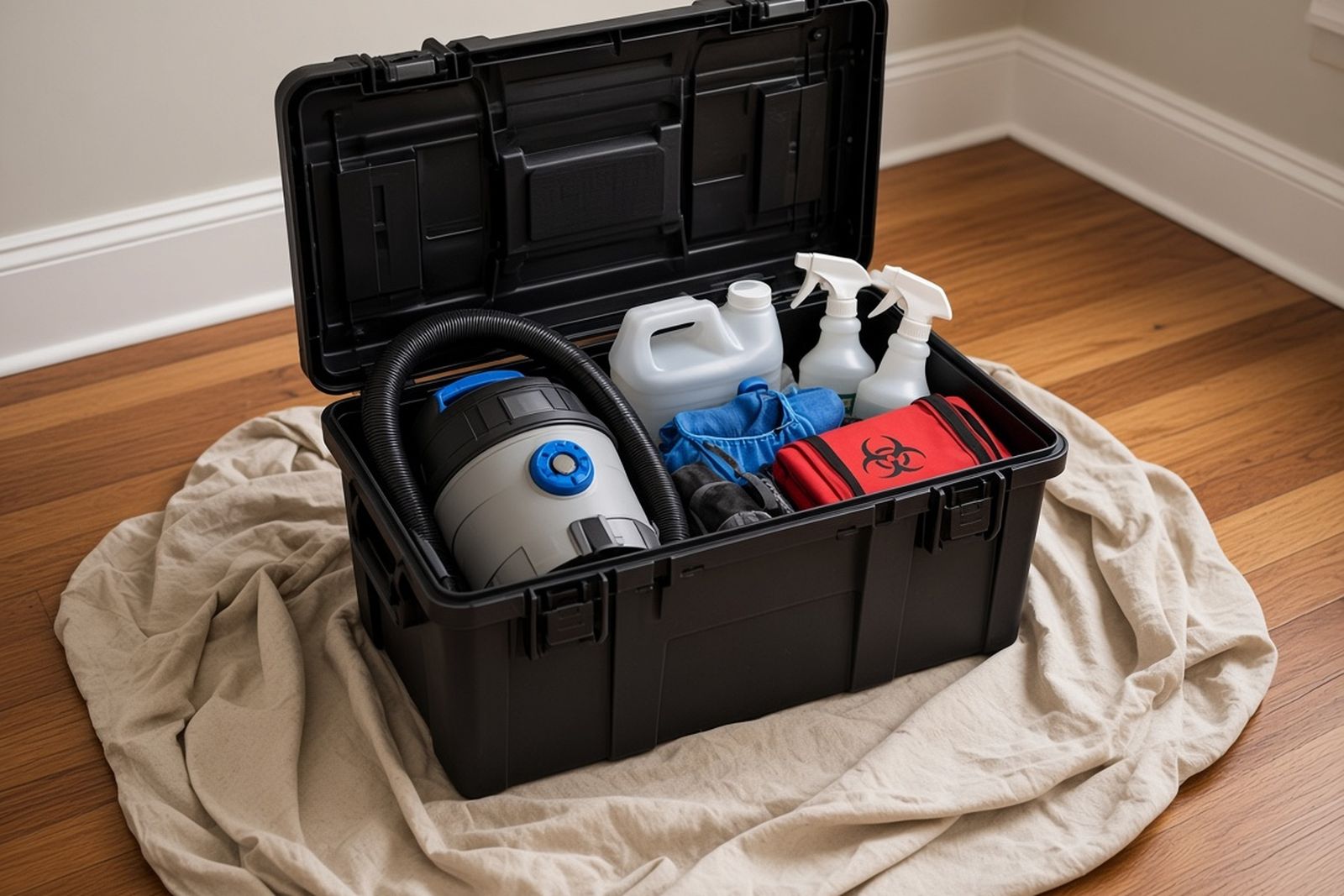
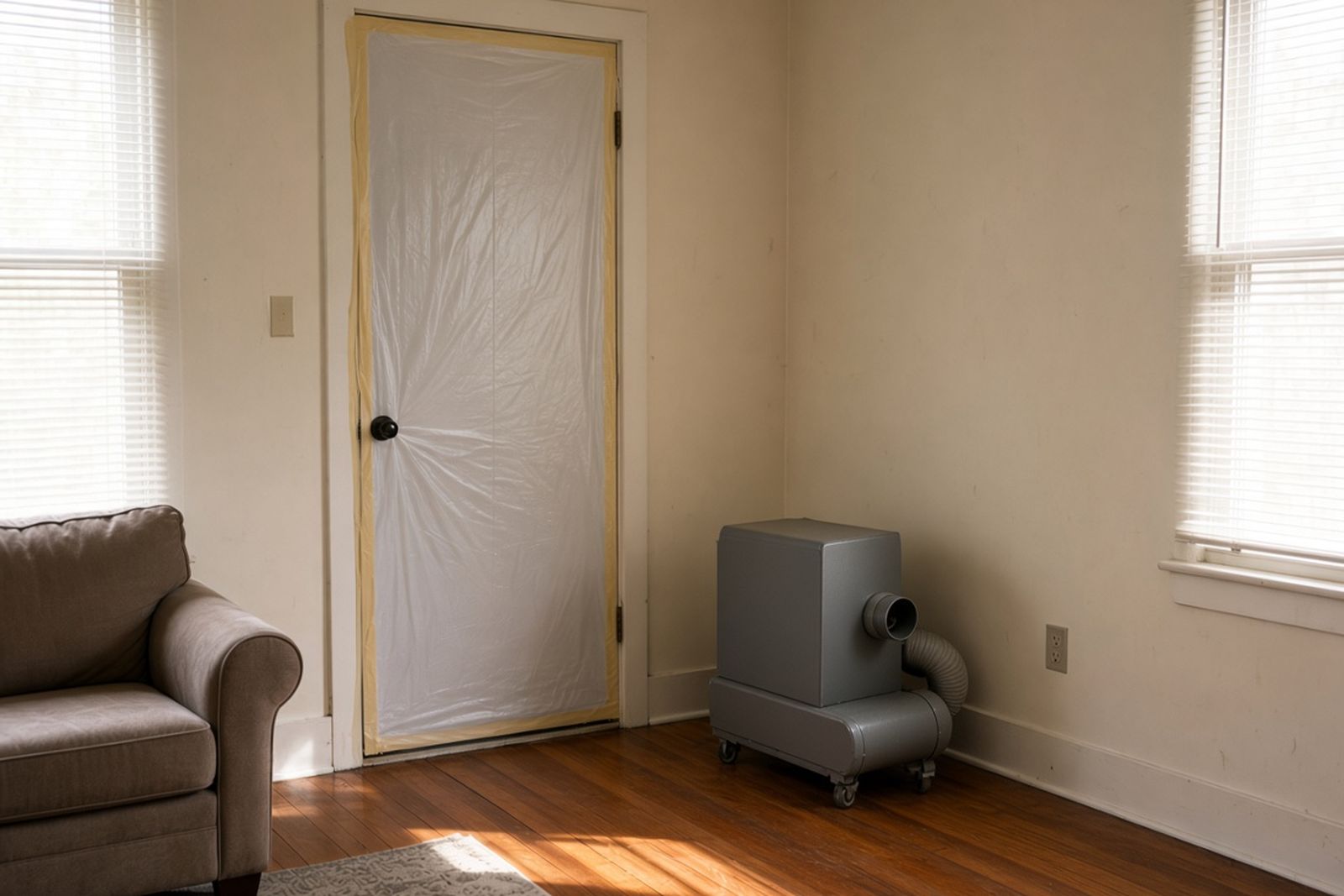
The crew sets up a clean zone at the apartment door. There they take off gear in a set order, bag it and seal it as regulated waste. The chair cushion, glass and baseboard section are packed separately. The apartment and tenant are an illustration, not a real job.
Putting on and taking off PPE safely
Wearing the right gear is only half the job. Taking it off without getting the mess on skin or clothing is just as important. Crews follow a set order and usually set up a separate area near your exit for this purpose.
A common approach is to remove the dirtiest items first, such as outer gloves and boot covers. Next comes the suit, rolled inside out. Then come eye protection and the respirator, and last the inner gloves, followed by hand washing. Each item goes straight into a labeled bag.
The employer pays for this gear. OSHA's 2008 PPE rule states that since February 13, 2008, it has required employers to provide required personal protective equipment at no cost to employees. That rule encourages crews to change gloves and suits as often as the work demands. They do not have to stretch a single set too far.
What happens when the scene turns out worse than it looked?
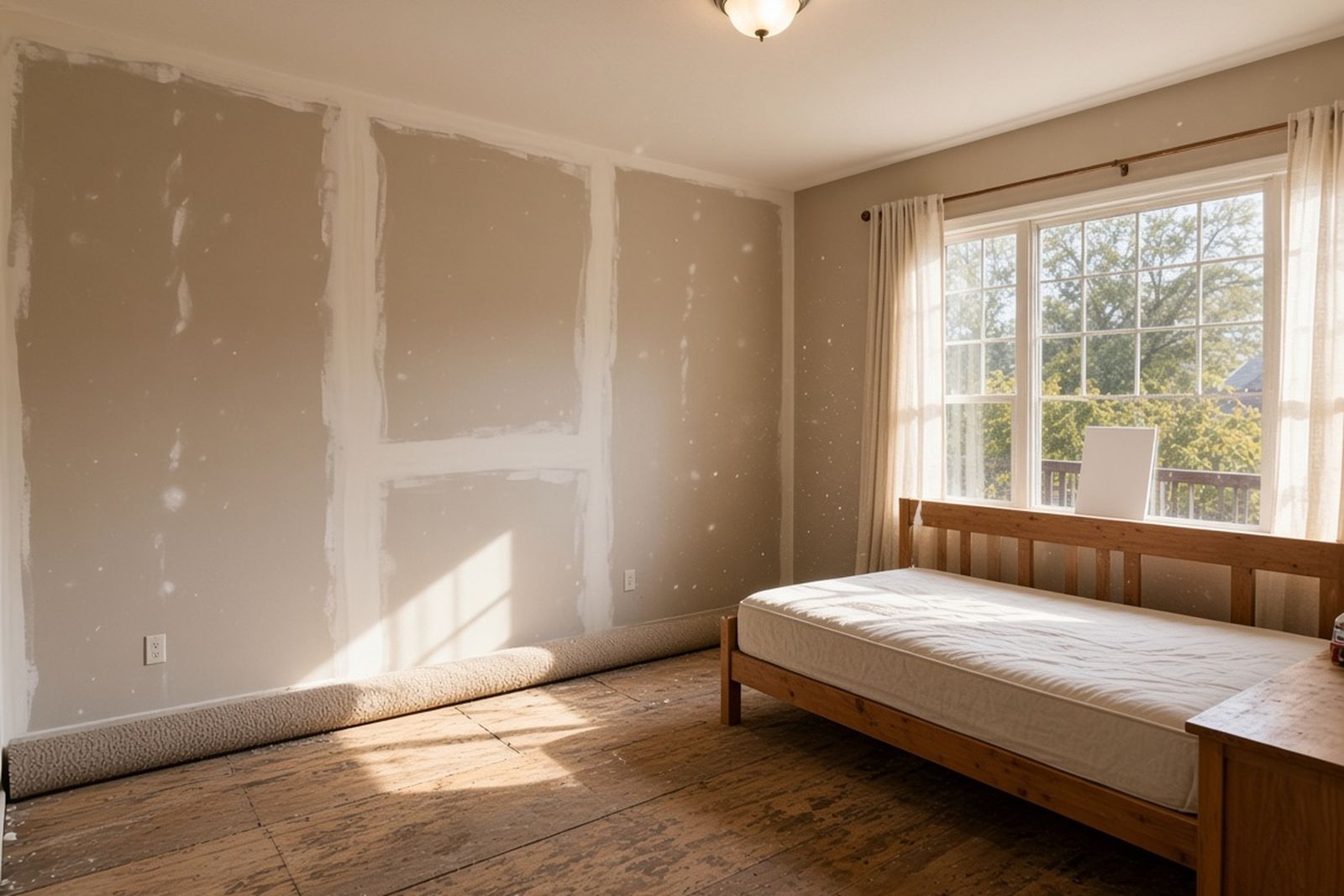
The review is not frozen once it is written. When workers lift a rug, pull back carpet or move a couch, they sometimes find that blood reached farther than you or anyone could see from above. The padding may be soaked, the subfloor may be stained or a second area may appear behind furniture.
When that happens, a careful crew lead pauses and updates the review. The team may add a heavier suit layer or switch to a respirator because materials now have to be torn out. It may bring in more barriers. A good crew will never simply push on with gear chosen for a smaller job.
The change should also reach you. A good company explains what it found, how it affects the plan and whether it changes the written work plan, before it continues. Surprises are common in this field. Silence about them is not acceptable.
How can you tell whether a crew plans its PPE carefully?
You do not have to know glove materials or filter colors. A few direct questions will tell you whether a company plans its gear with thought or grabs whatever is in the truck.
A good company will welcome your questions. Protective gear is what lets a crew work carefully and keep the mess from spreading through your property. It helps leave your space safe for the people who will use it next.
- Do you write up the hazards before you choose protective gear?
- How will you protect workers from broken glass or other sharp objects?
- Will anyone wear a respirator, and are they fit tested?
- Where will the crew put on and take off gear, and how is it disposed of?
- How will you keep the mess from spreading to my other rooms?