Field guide
Crime Scene Cleanup: Healthcare Facility Guide
Plan for a crime scene in your health care site. Learn about police release, germ control, patient care, staff safety, cleanup, and reopening rooms.
Who this is for: Hospital and clinic incident leaders and infection control teams who must manage a crime scene inside a care site.
Updated 2026-08-02. Rules differ by state and city, so check the details with your local authority.
Ask about your situation
Your request is sent to the follow-up inbox. A coordinator can reply by email. Not for emergencies; call 911 first if anyone is in danger.
In short
The short answer
When a crime scene happens in your hospital, clinic, surgery center, mental health unit, or other care site, you face two handoffs. The police or other officials release the scene, but your site still owns patients, staff, care, privacy, germ control, utilities, and room readiness. Once you have a clear release, keep any evidence limits in place. Then map how staff, patients, responders, gear, linen, drugs, waste, air, and water move. Infection control, worker safety, facilities, care leaders, security, and the cleanup lead each sign off on their own part of the plan. A cleanup company’s final report alone does not return a care room to use.
Run the emergency through the site’s incident plan
Your emergency plan comes first, before anyone thinks about cleanup. If there is active violence, a medical crisis, fire, unknown chemicals, or another threat, start that plan and follow what the police and first responders tell you. Your staff should use the site’s emergency plan too. They should not go in to grab a drug cart, silence a machine, move a patient’s things, clean a spill, change the air flow, or take photos. Keep patients and visitors away from the scene while you keep exits, care routes, and fire gear clear. Make sure responders can get in, and tell them about known hazards. These include medical gas, imaging, lab, pharmacy, and radiation risks, as well as mental health and utility risks.
You will make faster, safer choices if you name the people who lead each role. You need a contact for the police, an incident leader, a care leader, someone from infection control, and someone for staff safety. Add leads for cleaning staff, facilities and utilities, and security. Add a privacy or records lead, a risk manager, a cleanup coordinator, and the owner of the space. Track where your patients and staff went, but do not share names widely. Your work messages should explain where care moved, where staff should report, and any access and service changes. Leave out graphic details, rumors, medical facts, and police details that people do not need.
Turn the police release into a careful clinical handoff
A police release tells you what you may enter, so you should record it with care. Write down who released the scene, and the date and time. List the exact room, bed space, hallway, and restroom that were released. Do the same for equipment, vehicles, records, drugs, lab samples, and personal things. Also list each item or place that is still off limits, because police leaving does not mean all they looked at is released. Mark the official boundary on a plan that only the right people can see, and keep it separate from your own check area and cleanup area. Your security team should log who went in and when. They should also log keys, badges, escorts, and any emergency changes made before the handoff.
You also need to decide who has the final say for each thing. That includes the building, a leased unit, medical gear, patient property, staff, evidence, medical records, and pharmacy stock. It also includes lab samples, waste, cutting into walls or floors, bills, reports, repairs, and reopening. Infection control guides your choices about rooms and patient care. But it does not replace the police, facilities engineering, worker safety, or the property owner. A good cleanup company does not decide what counts as evidence, where patients go, or what private facts to share. It does not decide staff discipline, when medical gear is released, or if a room is fit for care.
Map how people and things move through care areas
After release, you check what you can see and what may be hidden. Look at floors, baseboards, walls, cabinets, fabric seats, mattresses, privacy curtains, ceilings, and utilities. Check drains, sinks and toilets, air ducts, and medical gas outlets. Check the wall panels behind beds, nurse stations, gear, devices, elevators, and service areas. Then map how people moved, including your staff, patients, visitors, responders, transport staff, and cleaning staff. Map how linen, waste, meals, drugs, lab samples, and rolling gear moved too. Note what was moved before the area was closed and where it went. That includes stretchers, wheelchairs, carts, pumps, monitors, and cleaning tools.
Shared systems call for narrow questions, so that you neither miss a real path nor close more of your site than you need to. These systems include air, water, and vacuum lines, tube systems, drains, supplies, and transport routes. Do not assume the whole building is affected. Find out if there was real contact, and if there is a likely path through liquid, air, service lines, gear, or foot traffic. Decide what expert checks would answer the question. Leave these systems as they are until your facilities and infection control teams approve changes. Nearby care areas may need short-term controls while the check goes on. But a shared wall, a smell, or a shared hallway alone does not prove every linked space is affected.
Line up the cleanup work with staff safety and germ control plans
Knowing clinical work does not make your staff ready for this kind of cleanup. Each employer must look at how its own workers may be exposed on the job. OSHA’s Bloodborne Pathogens rule covers work contact with blood and other body fluids that can carry disease. OSHA has explained how it applies to contract workers who clean blood after certain crime scenes. This holds for your nurses, aides, techs, security, and cleaning staff. So you set rules for who can enter, and you plan equipment, safe work habits, and what protective gear to wear. You plan how to handle needles and sharp items, hand washing, and how to clean people and tools. Where they apply, you cover shots and follow-up after an exposure. Include training, records, breathing protection, and chemical safety notices.
Before work starts, you should review how the cleanup company’s work fits with your patients and your own safety steps. Look at their plastic barriers, entry, products, equipment, waste route, emergency steps, and work habits. Ask for a clean staging area and controlled transport. Think about air pressure in the room, doors, elevators, and service routes, without upsetting the air flow that patient care requires. Check any subcontractors and what each role covers. A protective suit, a fog of disinfectant, or a claim of “hospital grade” does not prove the work fits your infection risk review. It also does not prove it is safe for every device and surface.
Keep room surfaces apart from medical gear and private records
Each material and built part of the room needs one written choice, which gives you a clear record to stand on. It may be cleaned, removed, opened up, kept, set aside, or sent to an expert. Products must follow their current EPA-approved labels. The label sets the germ, surface, mix rate, how long the product must stay wet, how to apply it, and the safety steps. A good company first removes soaked or heavy material. Then it checks seams, holes, undersides, soft layers, joints where walls meet floors, and hidden spots that can hold fluid. Only then does it rely on surface cleaning. Scent, paint, routine room cleaning words, or one test reading are not enough for you to accept. You need a map of what was seen and a clear, agreed finish line for the job.
Your reusable medical devices follow a different path from room surfaces. They must be handled by the maker’s instructions and by your site’s own steps for device cleaning, biomedical engineering, and infection control. The cleanup company should not make up its own way to clean devices. Keep these groups apart: drugs, controlled drugs, lab samples, sterile supplies, and food. Also keep apart linen, patient things, staff things, evidence, and private health or security records. For each item, you record what it is, who has authority over it, its condition, who holds it, and where it is stored. Note any expert review, its release, and its final outcome. Your care or quality leaders get the cleanup facts, and then they decide if stock and devices can go back into use.
Plan waste, repairs, and ongoing care with set checkpoints
Waste from the room is not all one kind, and sorting it protects your clean routes. Sharps stay apart, and so does material with blood or other body fluids that can carry disease. Drug and chemical waste stay apart as well. Regulated medical waste is treated under the rules that apply. Linen, reusable gear, building debris, waste water, and everyday items are also kept apart. You decide on the containers, the route inside the building, which elevators to use, and staging. You also decide on the hauler, the end site, and the paperwork that must come back. Do not let evidence, drugs, or chemicals get mixed into cleanup waste, and protect your clean supply routes and patient routes. Your cleaning and waste leaders should confirm each waste type. Do not assume every item from the room goes in a red bag.
You still have patients to treat, so plan how care keeps going while the room is closed. Find other beds or rooms, and plan for isolation space, staff assignments, and emergency access. Plan routes for drugs and lab samples, and for sterile supplies, tests, food, linen, waste, and services that depend on the room. Set a checkpoint while walls, floors, and cabinets are still open, before they or new equipment cover up the cleanup proof. After that, rebuilding covers structure, utilities, medical gas, air balance, plumbing, and fire safety. It also covers access for people with disabilities, permits, finishes, and device setup. Make sure approved surfaces are protected from building dust, water, foot traffic, and chemicals that do not mix well.
Reopen the space with care and facilities sign-off
Your final file should match up all the records, so that anyone who reviews it later can follow what happened. Start with the official release, the entry log, and the path check. Add the plan and any changes, materials, products, devices, linen, drugs, lab samples, and personal things. Add worker safety steps, waste, photos, and inspection. Note the limits of any testing, places no one could reach, system work, and repairs. A look around, a smell check, a receipt, or a warranty answers only a narrow question. The same goes for a quick swab test that shows leftover organic residue, which does not detect germs. Note any spaces left out, limits still in place, and open items, and name who owns each next step.
Before care starts again in the space, you have several things to confirm. Confirm any police limits are cleared, infection control has reviewed the space, and your cleaning team is ready. Check utilities, required air pressure, plumbing, medical gas, fire safety, and access for people with disabilities. Make sure equipment and devices are released. Check supplies, housekeeping, emergency response, security, staffing, and any changes to care routes. Record the care, facilities, infection control, and property approvals your policy requires. Brief the next teams without sharing extra personal details. If new evidence or a system problem shows up, close that area again and check it once more.
What to do in each case
In health care, police, clinical, worker safety, technical, and property sign-offs stay separate.
| Decision | Proof | Who decides |
|---|---|---|
| Emergency and scene | Responder orders, the boundary, and logs of entry and patient moves | Police or other officials and the incident leader |
| Care routes | Map of how people moved, plus systems, gear, linen, waste, and supplies | Infection control and care leaders |
| Worker safety | Each employer’s exposure review, safety steps, training, and response | Each employer |
| Materials and gear | Choices for each part, device instructions, item lists, and custody | Cleanup, facilities, biomedical, and quality leads |
| Repairs and utilities | Review while walls and floors are open, system tests, and inspections | Facilities and building owners |
| Return to care | Final file, infection review, staffing, supplies, and approvals | Site leaders with the right authority |
Checklist
- 1Start emergency response for any threat right now.
- 2Move care elsewhere using your site’s incident plan.
- 3Write down the exact police release and any evidence limits.
- 4Control badges, keys, escorts, devices, and records.
- 5Map how patients, staff, gear, linen, waste, air, and water moved.
- 6Assign roles for infection control, safety, care, facilities, and property.
- 7Keep clinical and cleaning staff out of cleanup unless they are assigned.
- 8Ask the cleanup company to follow EPA labels and the maker’s device instructions.
- 9Keep custody of drugs, samples, devices, property, and evidence separate.
- 10Set waste types and protected service routes.
- 11Keep backup care space outside the closed area.
- 12Check walls and floors while they are still open, before repairs.
- 13Check utilities, air pressure, gear, supplies, and emergency systems.
- 14Record site approvals before the room is used for care again.
Common questions
Can our cleaning staff do the cleanup?
Only if you, as the employer, have reviewed the exact tasks first and your program meets the rules that apply. That covers training, exposure controls, protective gear, sharp items, breathing protection, and chemical needs. It also covers cleaning of people and tools, shots, follow-up after an exposure, waste, and records. Routine deep cleaning of a room is not the same as crime scene cleanup. Decide where your cleaning staff stop and expert cleanup starts. Then keep staff and patients away from the work route.
Does infection control release the room?
Not by itself. Infection control is a key reviewer, but it usually does not control everything. Others decide the official release, evidence, worker safety, structure, utilities, devices, property, and care. Follow your site’s written list of who decides what. Pair the official release and the cleanup report with other checks. These include infection control, cleaning staff, facilities, and biomedical checks, along with fire safety, staffing, supplies, and security. Record each approval you need, and do not rely on one spoken okay.
Can nearby patient rooms stay open?
They may, if the facts support keeping them apart. Look at any police limits, the paths you found, air flow, room pressure, and shared services. Look at how staff and gear move, privacy, and emergency access. Set up controlled routes and watch conditions. Being close by or sharing a hallway does not prove a room is affected, but the need for beds does not prove a room is safe either. Write down why a nearby room stays open and which controls apply. Also write down what new facts would mean moving patients or checking again.
How are reusable medical devices handled?
They are set aside until the right people decide. First identify the device and whether it is evidence. Note what it touched, where it was, where it moved, what it is made of, and any parts you cannot reach. Check the maker’s instructions and your device cleaning policy. Biomedical engineering, infection control, the unit that owns it, and any other required roles then decide if and how it can be cleaned and tested. A cleanup company can give records of its condition. It should not make up a method, use a chemical that could harm the device, or put the device back into patient use.
What goes in the final health care file?
Include release and entry records, the path map, and the plan with any changes. Add materials, products, who held each piece of gear and device, and what happened to drugs and lab samples. Add linen, personal things, staff safety steps, waste, inspections, and testing with its limits. Add repairs, utilities, and air pressure or system checks. Include any limits still in place and your site’s approvals. Keep patient, staff, evidence, medical, and graphic records under their own access rules, and do not copy all of it into a cleanup company’s report.
How should patient privacy be protected in cleanup records?
Keep patient names, clinical details, and incident narratives out of contractor scopes, photographs, invoices, and work orders unless a specific task requires them. Describe spaces by room number and function, not by who was treated there. Ask the remediation provider to follow your privacy rules for photos and file sharing. Store the full closeout in a controlled location, and give each department only the parts it needs.
Can clinical supplies stored in the room be used?
Pull every supply that was in the boundary or moved through it out of use until it's assessed, even if the packaging looks intact. Sterile items, open stock, and linens all need their own decisions. Supply chain and infection prevention should decide what's discarded, what's returned to vendors, and what's inspected, based on packaging integrity and manufacturer instructions. Restock the room with fresh supplies after the space is accepted.
Sources
These official sources back up the safety and process points above. Use them when you talk with your local office or a cleanup company.
Use this guide with the planning tools
Open the DIY risk check to check whether your situation is one where professional help is the safer choice. When you are ready to compare providers, the vetting checklist turns the questions in this guide into a list you can send.
Related articles
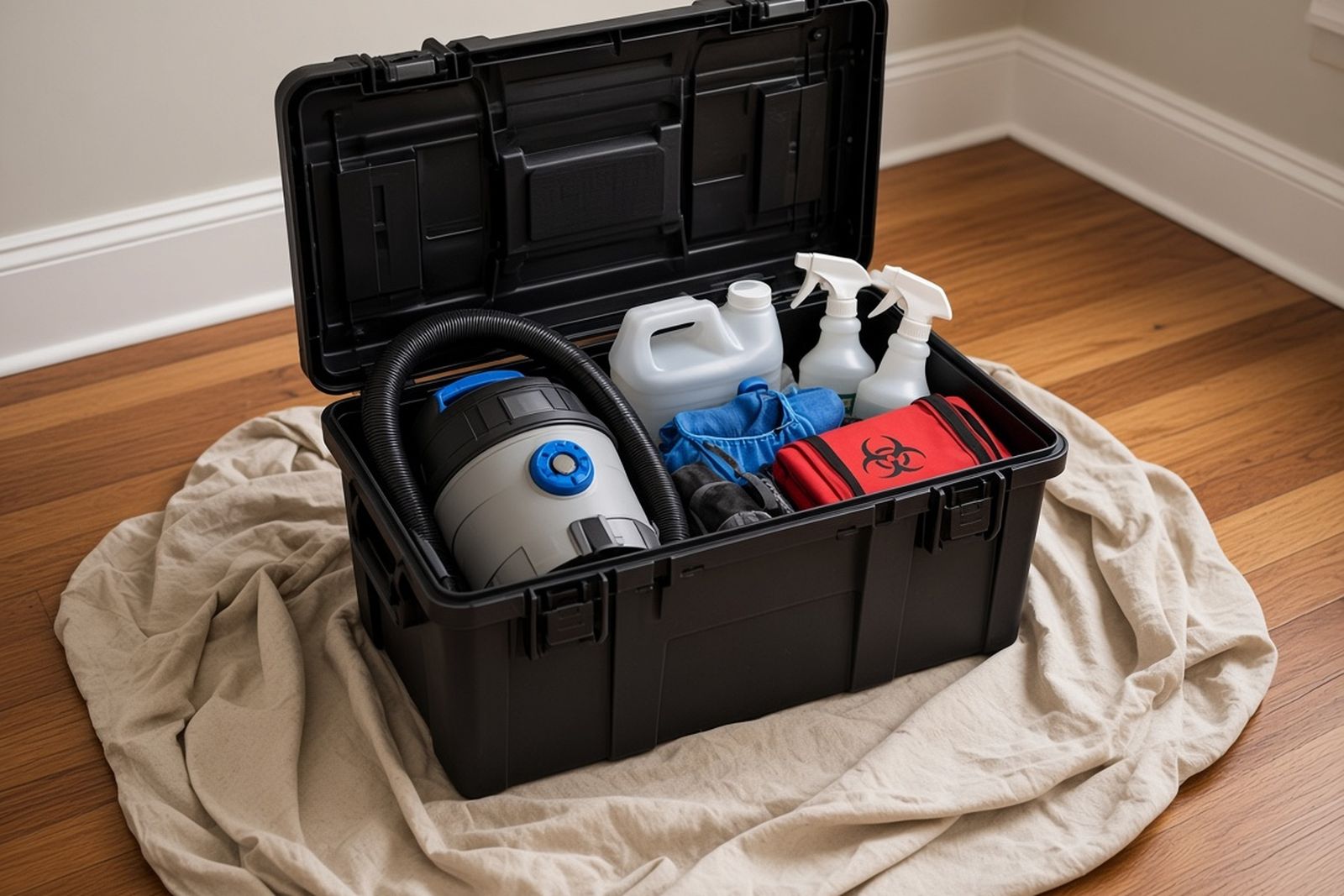 How to Evaluate Equipment Proposed for Crime Scene CleanupFor each item on the list, ask what it does, why your scene needs it and how its use will be recorded. Protective gear should match the hazards. Disinfectants should be EPA-registered for germs carried in blood and used as the label directs. Air filtering should fit the work, and the tools used for final checks should leave you with records. Be wary of equipment that is vague, excessive or unexplained.
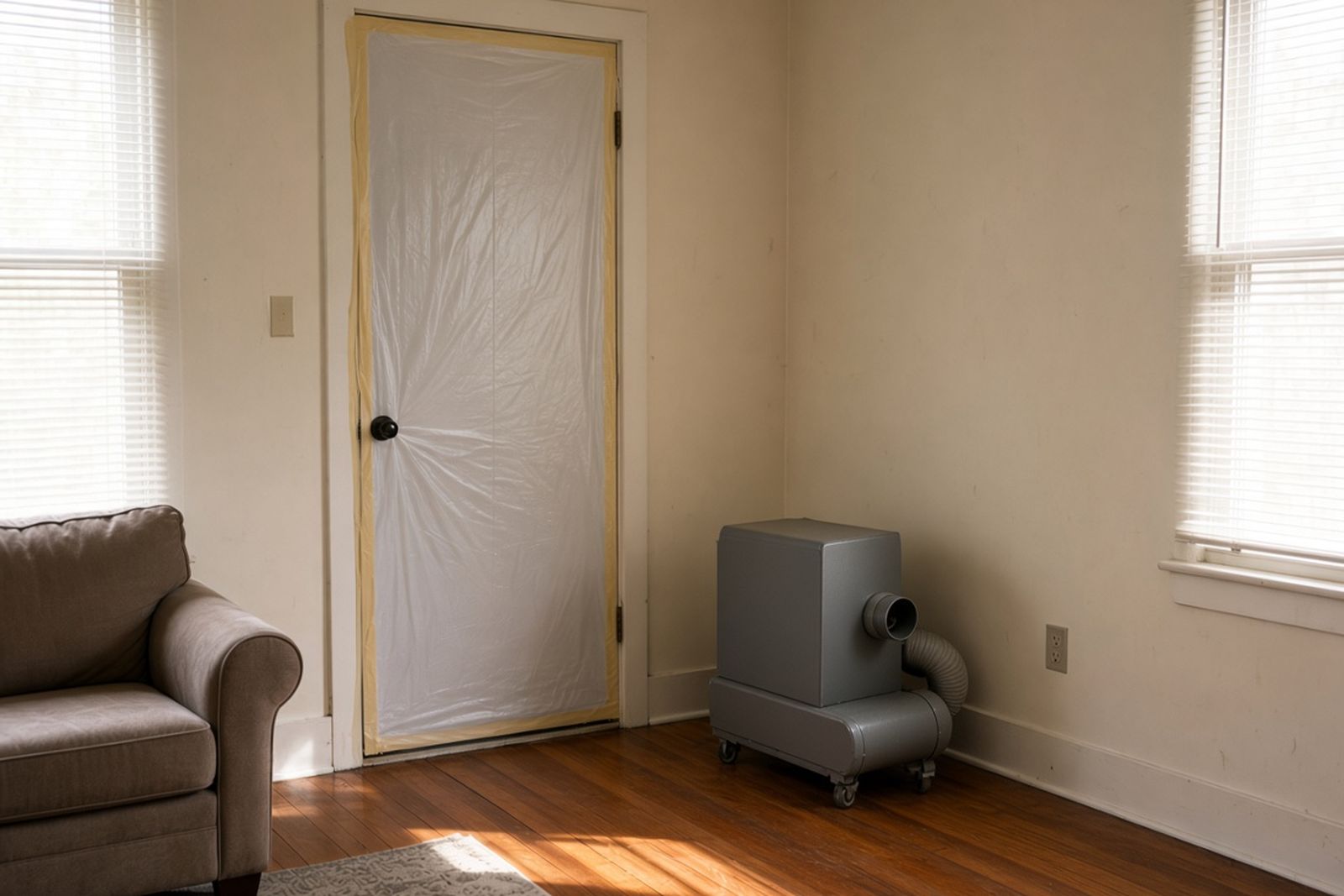 10 Crime Scene Cleanup Safety Risks to Assess Before Work BeginsBefore cleanup begins, someone should check ten risks. They are germs carried in blood, sharp objects and broken glass, hidden blood, chemical hazards and dust in the air. They also include damage to the building, site security and unexpected items, utility hazards, heat stress in protective gear and emotional strain. A good company finds each risk during its walkthrough. It tells you how it will control each one and writes the plan down before work starts.OSHA Regulations and Crime Scene CleanupOSHA rules apply to employers, not to you as a property owner. For crime scene cleanup, the key federal rule is the Bloodborne Pathogens Standard. It requires a written exposure control plan, training, an offer of hepatitis B vaccine, protective gear and records. Rules on breathing protection, general protective gear and chemical hazards also apply. You can ask a company to show how it meets each one before work begins.
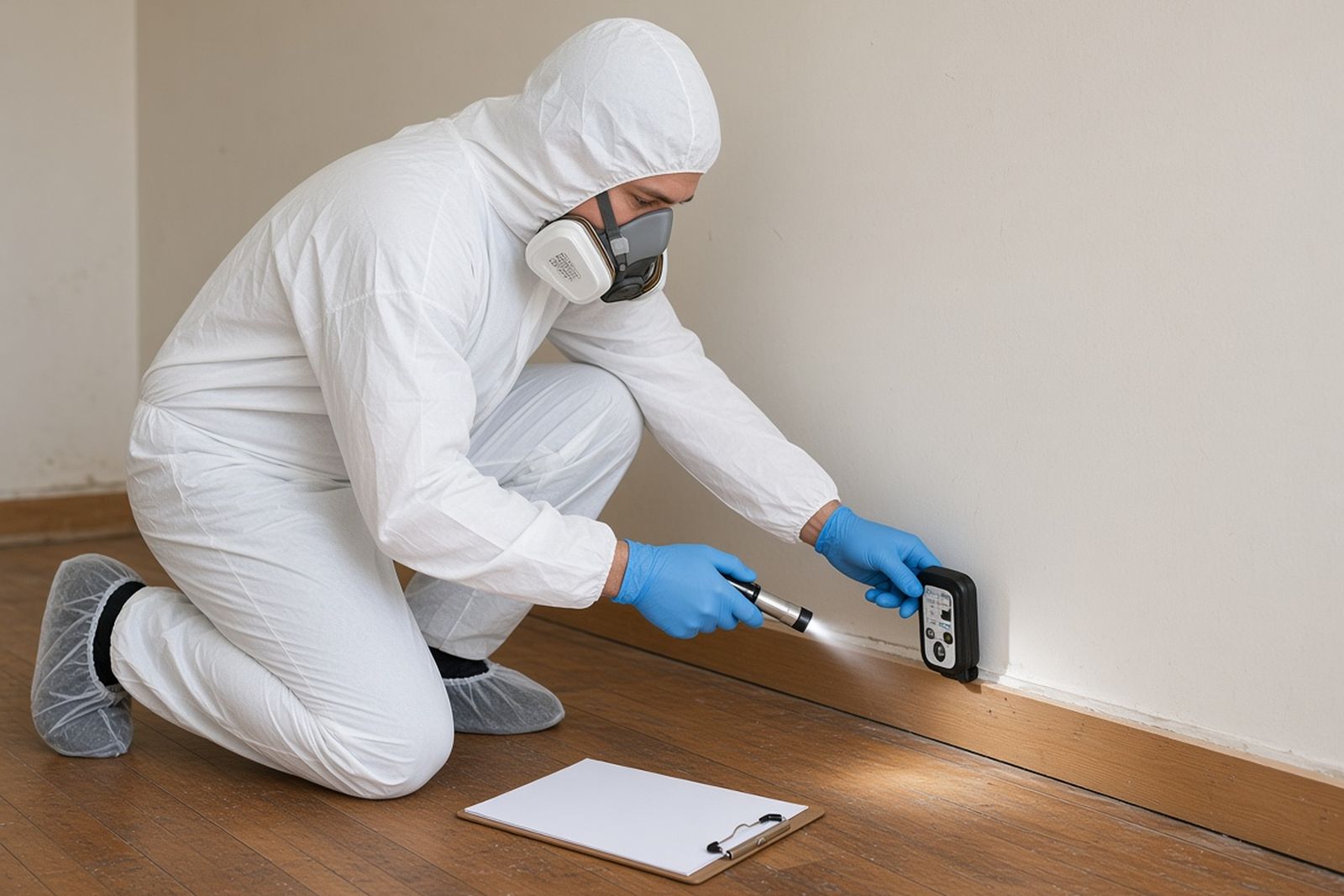 Red Flags When Hiring Crime Scene Cleanup ServicesThe biggest red flags are companies that approach you uninvited, hint that they work for the police, or promise that victim compensation or insurance will pay. Watch for quotes given without seeing the scene and plans that ignore fingerprint powder and forced-entry damage. Be wary if a company cannot show where regulated waste will go. A company you can trust waits for the police release, puts its work plan in writing and protects your privacy.When ATP Testing Helps—and When It Does Not—in Crime Scene CleanupThis quick swab test checks hard, sealed surfaces for leftover organic residue after blood has been removed. It does not detect germs carried in blood or prove that disinfection worked. It does not check for fingerprint powder or police test chemicals. It cannot see inside carpet, drywall or subfloor. Treat the readings as one piece of evidence inside a written plan for checking the work, not as a certificate of safety.How to Evaluate Technology Used in Crime Scene CleanupTo judge any tool, ask what problem it solves and whether it supports hand cleaning or claims to replace it. Ask what the product label or maker says, what its limits are and how the results will be recorded. Useful tools include HEPA air filters, moisture meters, sprayers used after cleaning and digital reports. No device makes up for removing blood and soiled materials by hand.