Field guide
Crime Scene Cleanup: Hotel and Guest-Room Guide
Plan for a crime scene in a hotel room. Learn about police release, guest privacy, closing the room, staff safety, belongings, cleanup, and reopening.
Who this is for: Hotel owners, general managers, and security leads who must handle a crime scene in a guest room and reopen the room.
Updated 2026-08-01. Rules differ by state and city, so check the details with your local authority.
Ask about your situation
Your request is sent to the follow-up inbox. A coordinator can reply by email. Not for emergencies; call 911 first if anyone is in danger.
In short
The short answer
Treat a crime scene in your hotel as a police-controlled room and a hotel-wide job. Call emergency services right away for any danger, and save key card and access records. Keep staff and vendors out until police release the room, the guest’s things, and any needed shared areas. After release, name the property signer and map the room, connecting doors, hallways, elevators, laundry, carts, air ducts, plumbing, belongings, and responder routes. Hire a trained cleanup company with a written plan for each material, and protect guest privacy by sharing little. Rent the room only after cleanup proof, building systems, repairs, security, housekeeping, and manager sign-off are each written down.
Start emergency, security, and privacy roles at the same time
In the first hour, your hotel’s job is to help safely, not to run its own investigation. If there is violence, a medical crisis, fire, unknown chemicals, building damage, or an active threat, call emergency services and follow their instructions. Your security team should protect lawful access and keep staff and guests away. They should not go in to check details, move things, open windows, or clean. Save your key card records and master key use. Save any related camera video, incident logs, guest sign-in details, and what responders told you. Only the right people should see these.
You will keep control of the event if you name the people who lead each role. You need an incident leader, a contact for the police, a lead for guest messages, and a person who can make property choices. Add an engineering lead, an insurance contact, and someone to keep the records. Ask your team to use calm, plain words like “closed room,” “police response,” or “approved property work.” Your other guests may need a new route, a room change, or a service notice. They do not need names, the cause, photos, or rumors. Share only what each role needs. That applies to radios, group texts, housekeeping boards, vendor tickets, and franchise systems.
Write down exactly what the police release
A release may cover one room but leave out some things, so you need the details in writing. It may leave out belongings, a bathroom, or a connecting room. It may leave out a car, part of a hallway, digital records, or an item kept as evidence. Write down who released the scene, and the date and time. Note the exact boundary, items still held back, and any ongoing instructions. Police leaving the floor does not mean every hotel choice is released. Ask politely if something is unclear to you. Do not let pressure to fill rooms push your staff or contractors across a boundary.
Next, find out who can approve work on the property, because you may not control all of it. Your hotel may control finishes, locks, air systems, plumbing, furniture, and daily operations. But a guest, an estate, an insurer, or the police may control personal things or records. Name who signs for the room check, for cutting into walls or floors, and for belongings, changes, and bills. Name who signs the final report and the room turnover. A good cleanup company does not decide who owns things. It does not decide what is evidence, what to tell guests, or what must legally be kept. Send any disputed choice to the right official or a qualified adviser.
Map the room and every path through the hotel
After release, the check starts in the room and then follows every path out of it. In the room, look at the bed frame, mattress, sheets, fabric seats, carpet and pad, floor seams, baseboards, and walls. Look at the bathroom, drains, cabinets, minibar, and electronics. Check the room’s heating and cooling unit or ducts, the connecting door, the balcony, the service shaft, and belongings. Then widen your map. Include the paths responders and staff used, carts, elevators, stairs, ice or vending areas, service halls, laundry, and waste storage. Add loading areas and any short-term staging spots. Mark what had clear contact, what may have had some transfer, and what was protected during the response.
You do not need to call nearby rooms affected just because they share a wall, a duct, or a smell. Look for a likely path through liquid, foot traffic, air, pests, or service lines, and then decide what the check should answer. Your engineering team may need to review air zones, pipe openings, air pressure, or fire systems. Your staff may have moved linens, carts, keys, or guest items before the room was closed. If so, write down the route and set those things aside to be checked. Do not quietly put that gear back into use.
Protect staff and keep each team to the work it knows
Your housekeeping, engineering, and security staff should not handle affected material just because cleaning is part of their job. The same goes for bell, laundry, and waste staff. As the employer, you must review how workers could be exposed on the job and which rules apply. OSHA’s Bloodborne Pathogens rule covers workers who may touch blood on the job. OSHA has also spoken to contract workers who clean blood after crime scenes. Your site rules should cover who can enter, how to handle needles and sharp items, protective gear, hand washing, and moving tools. They should cover cleaning of people and tools, what to do after an exposure, and how to protect shared routes.
Each job should go to people trained for it, and your own staff stay outside the work zone. Using breathing masks can require a separate employer program. Chemical products need safety notices and must be used as the label says. A vendor’s protective suit does not protect your staff outside the work zone. Trained people should handle cleanup, security, air systems, plumbing, and electrical work. The same is true for laundry, special care for belongings, waste, and rebuilding. Ask vendors to name their subcontractors and show insurance. Require sign-in, key control, and daily room security. Keep an emergency path that never blocks fire exits or alarm access.
Write a cleanup plan for this room’s materials, belongings, and waste
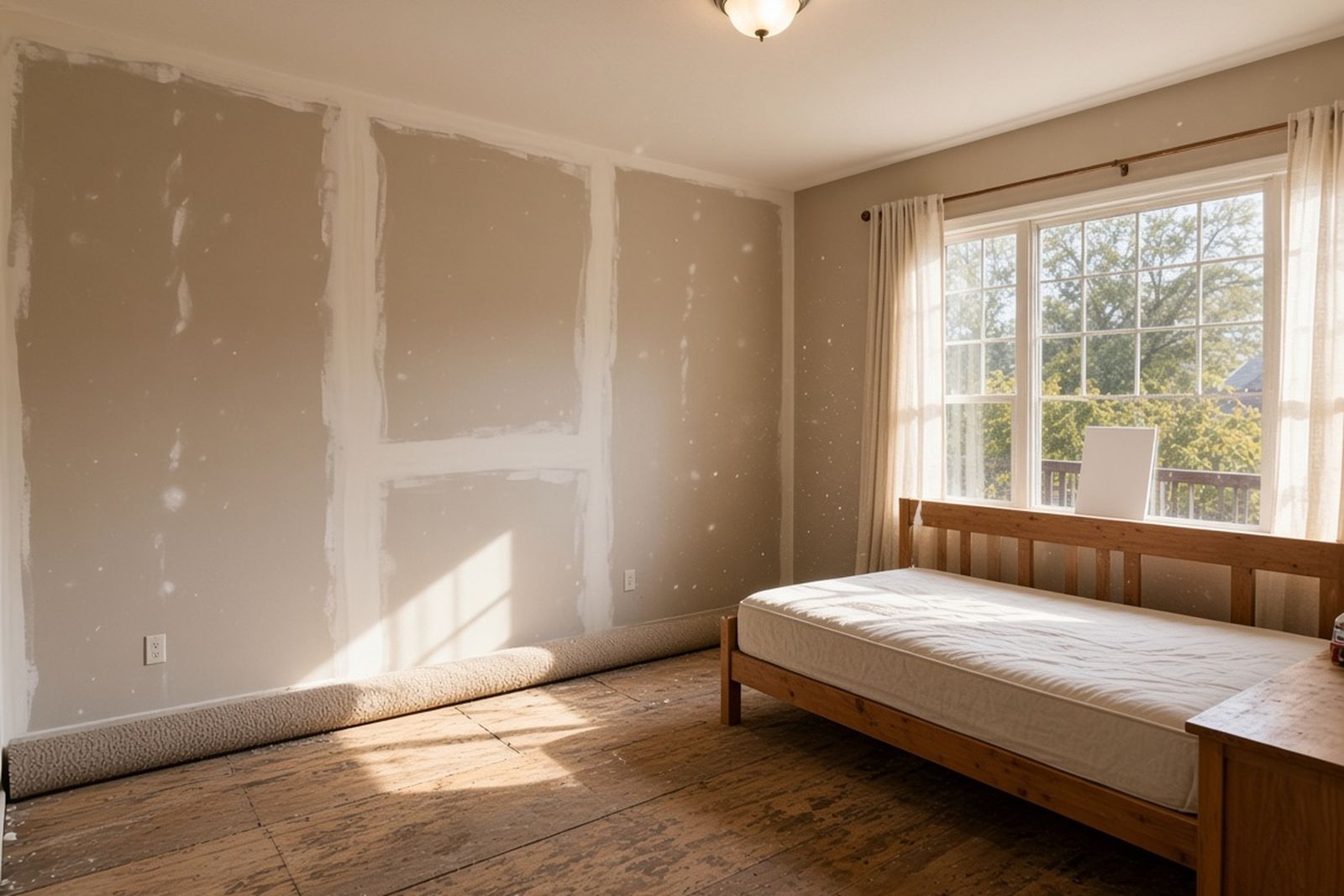
The cleanup plan you approve should tie what was seen to a choice for each key material. Each one may be cleaned, removed, opened up, protected, restored, or sent to an expert. Some things are harder to clean fully than others. Examples are a mattress, carpet pad, fabric seats, bare wood, drywall, pressed wood furniture, electronics, and papers. Hard finishes are different. Product names and EPA numbers should match their current labels. The label sets which surfaces, the mix rate, how long it must stay wet, the safety steps, and how to apply it. Fogging, scent, or a “hospital grade” claim cannot replace removing soaked material and choosing what to do with each item.
Guest belongings and waste each need their own records, and you should keep them apart from your hotel’s property. Personal belongings need a list of items, a clear owner who can decide, and photos that are not graphic. They need a record of who holds them, how they are packed, where they are stored, any expert review, and where each item finally goes. Waste may include sharps and material with blood or other body fluids that can carry disease. It may also include building debris, chemicals, reusable gear, linens, and everyday items. These do not all fall in one waste type. Set the route inside your hotel and how to protect the elevator. Set the containers, the hauler, the end site, and the records that come back. Do all this without revealing who the guest was.
Keep cleanup apart from laundry, repairs, insurance, and room turnover
Laundry and repairs are separate jobs from cleanup, and you should plan each one on its own terms. For commercial laundry, decide how items are bagged and moved, which machines to use, and whether the items can handle the process. Think about worker exposure and waste water, and decide if each item has a clear, agreed finish line for treatment. Do not send affected linens through your normal flow without an approved method. Cleanup may leave floors, walls, cabinets, or fixtures open so they can be recorded. Rebuilding then covers replacement, fire blocking, electrical and plumbing work, and brand standards. It also covers access for people with disabilities, finishes, permits, inspections, and warranties. New finishes do not prove the cleanup was complete.
Some tasks sit outside the cleanup, and it helps you to treat them that way. These include insurance review, brand reports, moving guests, refunds, and charge disputes. They also include protecting your hotel’s name and keeping legal records. An insurer or brand that approves a cost does not release the scene, and it does not clear the room either. Line up bids so they compare fairly. Keep costs apart for cleanup, belongings, laundry, waste, security, lost room income, rebuilding, and testing. Before surfaces are covered, set a checkpoint. At that point, you gather the final cleanup map, the material record, photos, and products used. Add waste records, the inspection, and any limits.
Return the room with a written handoff
The final report should match up all the records, so you can see what each piece of proof shows. It lists the scene release, access, room check, approved plan, any changes, materials, belongings, and products. It adds shared routes, carts or laundry, and waste records when they apply. It adds the inspection, targeted testing, open issues, and rebuilding. One smell check, a walk through, or a product receipt cannot answer every question. The same is true for a quick swab test that shows leftover organic residue, which does not detect germs. None of these can settle every germ, chemical, hidden, or system question. Ask the company to say what each piece of proof shows and which rooms or items are still closed.
Next, your managers confirm that the room works as a guest room again. They should confirm security and locks, and check fire safety, air systems, and plumbing. They should confirm housekeeping has released the room and check amenities, belongings, repairs, and the room’s status in your booking system. They should meet any legal or insurance needs before the room goes back into use. Record the manager who approved it and the date, and note any limits, ongoing checks, and who keeps the records. Give other guests only the information they need about hotel services. A careful turnover protects privacy and trust better than claiming the room is “100 percent safe”.
What to do in each case
A hotel room goes back on sale only after each person in charge hands off their part.
| Decision | Proof | Who owns it |
|---|---|---|
| Scene and records | Official boundary, limits, and access and key logs | Police contact and security |
| Room and shared paths | Material map and a check of nearby rooms and shared routes | Cleanup lead and engineering |
| Staff and vendors | Exposure controls, sign-in, keys, subcontractors, and exits | The hotel and each contractor as employers |
| Belongings, linens, and waste | Item list, custody, treatment, waste types, and end sites | People with authority for the property and the guest |
| Cleanup and repairs | Final cleanup report before surfaces are covered, plus approval of the building work | Property signer and builder |
| Back on sale | Systems, security, housekeeping, limits, and manager sign-off | Hotel manager with the right authority |
Checklist
- 1Call emergency services for any threat right now.
- 2Save key, access, camera, and incident records.
- 3Assign roles for the police contact, guests, property, engineering, and records.
- 4Write down the exact released room, belongings, and shared-area boundary.
- 5Share as little as needed with guests, staff, vendors, and the brand.
- 6Map room materials, nearby spaces, carts, laundry, and responder paths.
- 7Keep hotel staff away from exposure tasks that no one has reviewed.
- 8Ask for a written choice for each material, product, belonging, laundry item, and waste type.
- 9Keep cleanup, insurance, brand, and rebuilding work separate.
- 10Leave walls and floors open until you have the final cleanup report.
- 11Check systems, security, fire safety, repairs, and housekeeping.
- 12Record manager approval before the room goes back on sale.
Common questions
Should the hotel close the whole floor?
Follow the police instructions and the access plan for your site. You may need to close the full floor for a while. Reasons include an active response, privacy, responder work, or safely carrying out waste. But do not assume it stays closed for good. After release, map what you saw and any likely paths, and then decide which rooms and shared areas need a check or controls. A smell or being close by does not prove every room is affected.
Can housekeeping clean the room after police leave?
Not just because the responders left. First confirm exactly what the police released, and then check for exposure risks and affected materials. Your staff may face blood, needles, or chemicals. They may find soaked soft materials or belongings that are still off limits. These go beyond normal housekeeping steps. Use trained workers, employer safety controls, a written plan, and a written final report. Housekeeping comes back for normal room prep only after cleanup and repairs are handed off.
What happens to guest belongings?
The police, the owner, evidence status, and the law decide what happens to them. Make a list of items with approved choices for each one, and take photos that are not graphic. Record who holds each item, how it is packed, any expert review, storage, return, and disposal. Do not throw things away to rent the room faster. Some items may need their own directions, such as medicine, ID, electronics, legal papers, guns, and items tied to evidence. Keep hotel-owned items clearly apart from guest property.
Does replacing the mattress and carpet finish the cleanup?
No. Those may be key choices, but the check must cover more. It should look at other surfaces, seams, floor layers, walls, the bathroom, furniture, air systems, and plumbing. It should cover belongings, foot traffic routes, carts, laundry, and waste as needed. Replacing items is also partly rebuilding work. Save the cleanup record before new materials cover the surfaces below. Finish the systems and manager handoffs before you rent the room again.
What should be in the hotel room file?
Include the police release, the access and key logs, the room check, the plan, and any changes. Add choices about materials and belongings, the products used, staff and route controls, and choices about laundry or carts. Add waste records where they apply, photos, and testing with its limits. Add the final cleanup report, repairs, and system checks. Note any limits still in place and the manager’s approval to rent the room again. Keep private details where only the right people can see them, and give each person only what their role needs.
How should the front desk answer guest questions?
Give front-desk staff a short, approved script that acknowledges the question and doesn't share details. For example, they can say that a room is closed for maintenance and that management is handling it. Direct media, investigators, and anyone claiming to be family to a named manager. Don't let staff guess, speculate, or share details on social media. Update the script if the situation or the affected routes change.
Should the room number be changed afterward?
That's a brand and management decision, not part of the cleanup. Some hotels renumber or repurpose a room for guest-experience reasons. Changing the number doesn't replace the remediation record or reconstruction evidence. Whatever you decide, keep a clear link between the old and new identifiers in the room file, so maintenance, insurance, and future reviews can find the history.
Sources
These official sources back up the safety and process points above. Use them when you talk with your local office or a cleanup company.
Use this guide with the planning tools
Open the insurance claim organizer to keep the paperwork orderly from the first call to the carrier decision. When you are ready to compare providers, the vetting checklist turns the questions in this guide into a list you can send.
Related articles
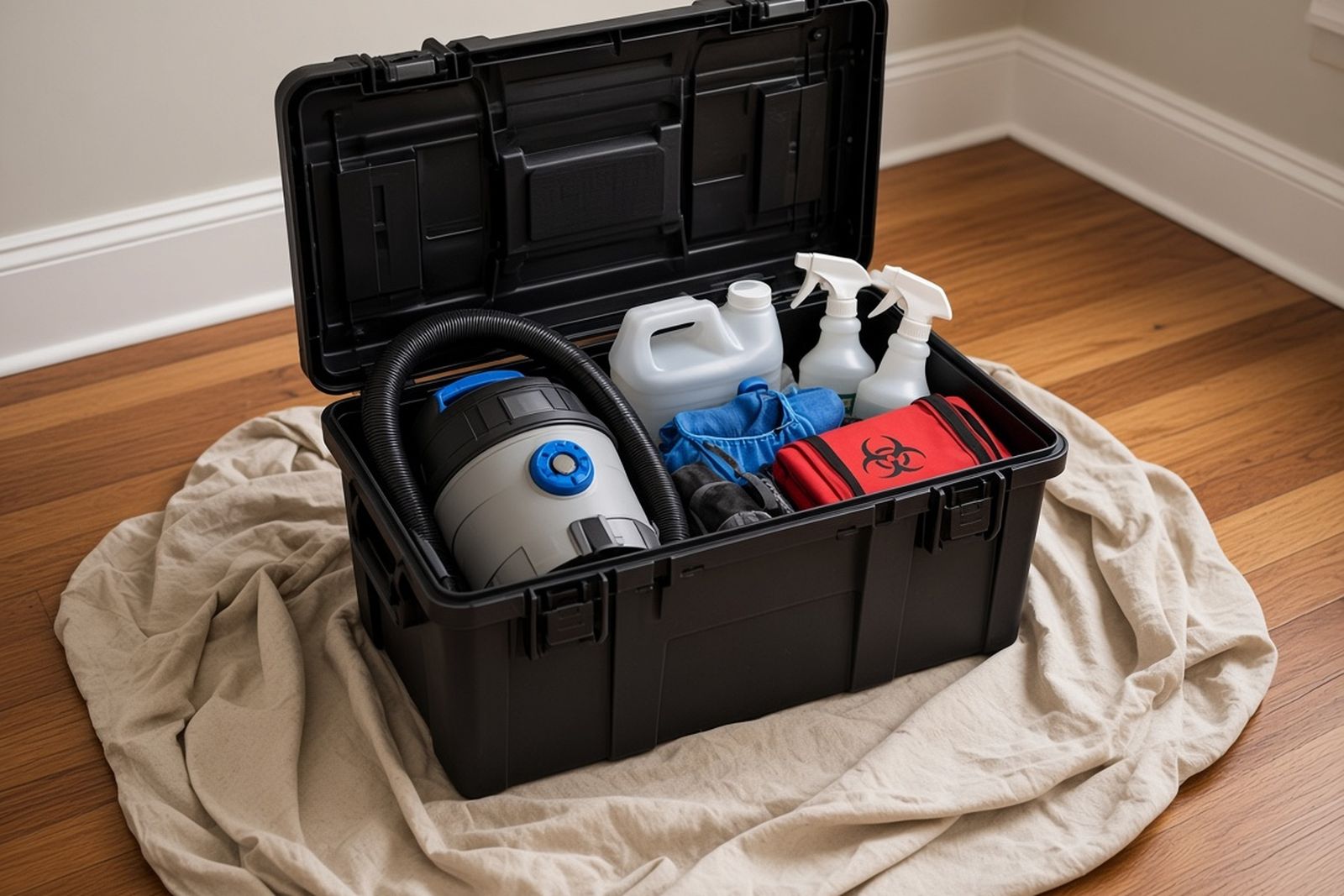 How to Evaluate Equipment Proposed for Crime Scene CleanupFor each item on the list, ask what it does, why your scene needs it and how its use will be recorded. Protective gear should match the hazards. Disinfectants should be EPA-registered for germs carried in blood and used as the label directs. Air filtering should fit the work, and the tools used for final checks should leave you with records. Be wary of equipment that is vague, excessive or unexplained.
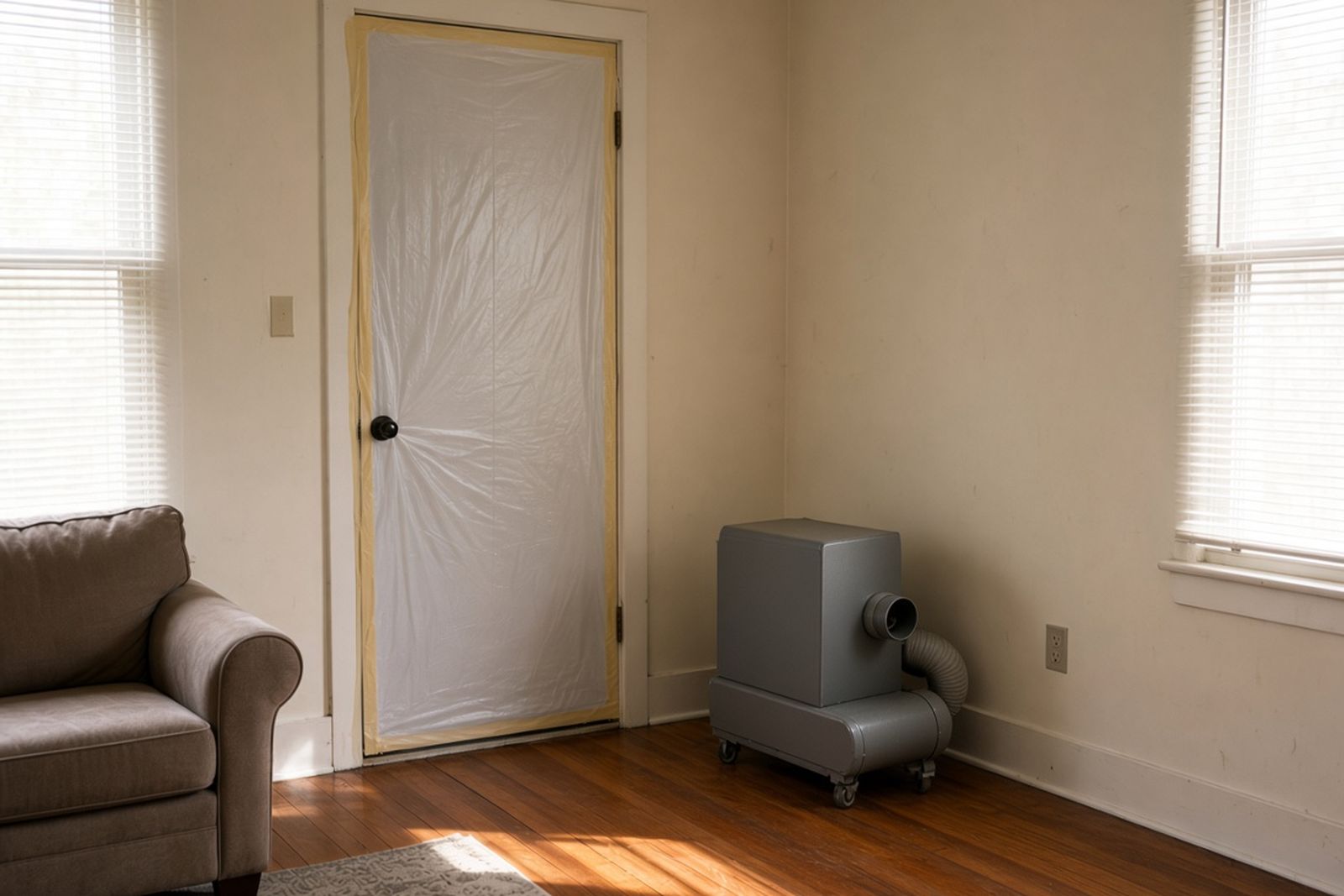 10 Crime Scene Cleanup Safety Risks to Assess Before Work BeginsBefore cleanup begins, someone should check ten risks. They are germs carried in blood, sharp objects and broken glass, hidden blood, chemical hazards and dust in the air. They also include damage to the building, site security and unexpected items, utility hazards, heat stress in protective gear and emotional strain. A good company finds each risk during its walkthrough. It tells you how it will control each one and writes the plan down before work starts.OSHA Regulations and Crime Scene CleanupOSHA rules apply to employers, not to you as a property owner. For crime scene cleanup, the key federal rule is the Bloodborne Pathogens Standard. It requires a written exposure control plan, training, an offer of hepatitis B vaccine, protective gear and records. Rules on breathing protection, general protective gear and chemical hazards also apply. You can ask a company to show how it meets each one before work begins.
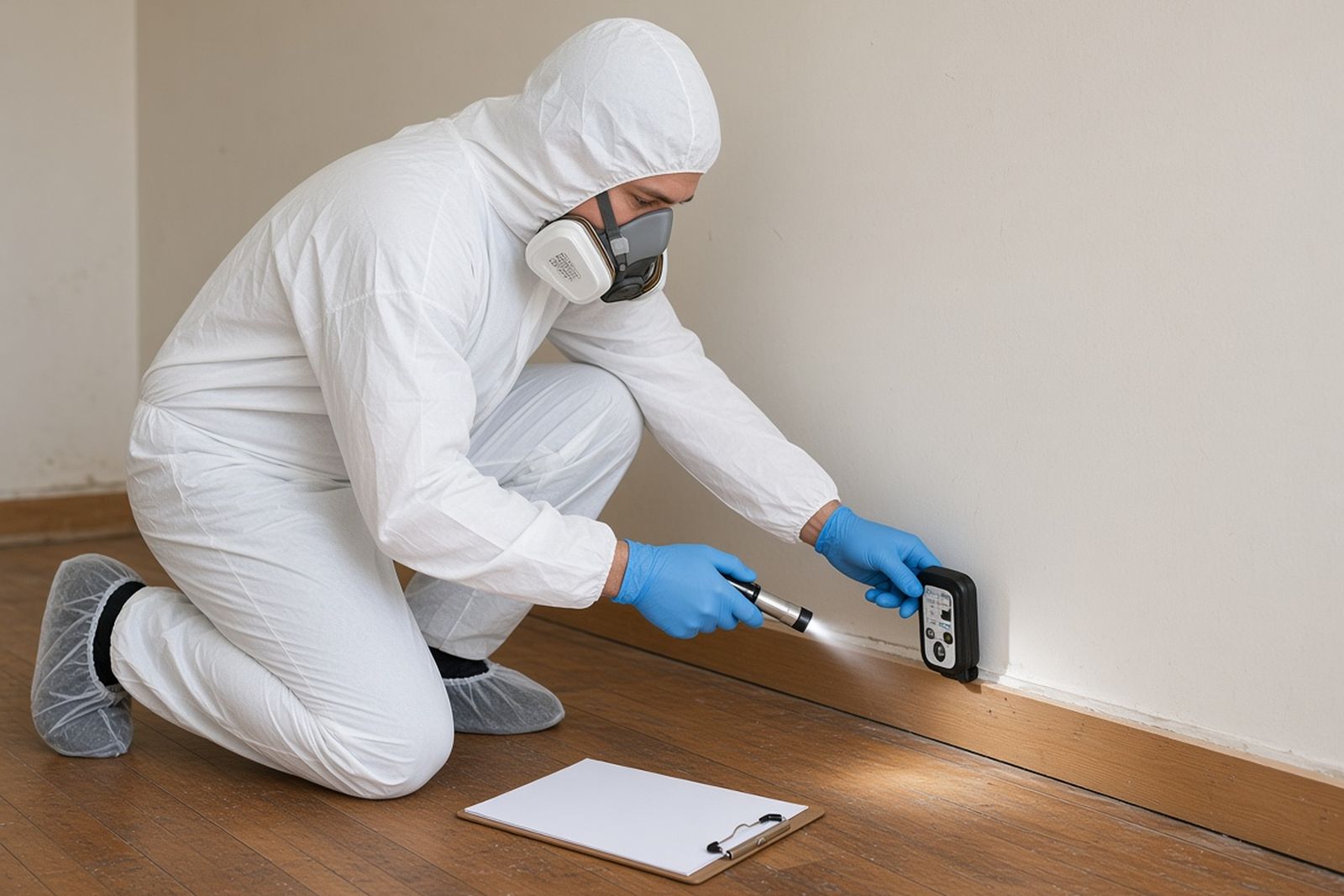 Red Flags When Hiring Crime Scene Cleanup ServicesThe biggest red flags are companies that approach you uninvited, hint that they work for the police, or promise that victim compensation or insurance will pay. Watch for quotes given without seeing the scene and plans that ignore fingerprint powder and forced-entry damage. Be wary if a company cannot show where regulated waste will go. A company you can trust waits for the police release, puts its work plan in writing and protects your privacy.When ATP Testing Helps—and When It Does Not—in Crime Scene CleanupThis quick swab test checks hard, sealed surfaces for leftover organic residue after blood has been removed. It does not detect germs carried in blood or prove that disinfection worked. It does not check for fingerprint powder or police test chemicals. It cannot see inside carpet, drywall or subfloor. Treat the readings as one piece of evidence inside a written plan for checking the work, not as a certificate of safety.How to Evaluate Technology Used in Crime Scene CleanupTo judge any tool, ask what problem it solves and whether it supports hand cleaning or claims to replace it. Ask what the product label or maker says, what its limits are and how the results will be recorded. Useful tools include HEPA air filters, moisture meters, sprayers used after cleaning and digital reports. No device makes up for removing blood and soiled materials by hand.