Field guide
Crime Scene Cleanup: School and Childcare Guide
How your school or child care site can handle police release, keep kids safe, reunite families, protect staff, clean play items, and plan a safe reopening.
Who this is for: School and child care leaders who must keep children safe and reopen after a crime scene on site.
Updated 2026-08-02. Rules differ by state and city, so check the details with your local authority.
Ask about your situation
Your request is sent to the follow-up inbox. A coordinator can reply by email. Not for emergencies; call 911 first if anyone is in danger.
In short
The short answer
Police and responders control a crime scene at your school or child care site while you keep children cared for. Keep students, families, and unassigned staff outside the taped area, and use your usual plans for leaving, sheltering, reunion, attendance, and disability help. Write down exactly what police released, then map how students, responders, staff, buses, gear, food, linens, trash, air, and drains moved. Check each surface kids touch and each play item one by one, and protect records and personal items. Plan worker safety, cleanup, repairs, and parent notes together. Reopen only after school, building, and safety leaders each sign off in writing, not on the cleanup company's word.
Keep children safe with clear command and a careful reunion plan
Your emergency plan, not a quick idea, is what keeps children safe in the first hour. If there is active violence, a medical crisis, a fire, or unknown chemicals, call 911 and then follow your school or child care emergency plan. Your staff should not go back in for attendance sheets, medicine, backpacks, phones, toys, or photos unless responders tell them to. Keep children away from the scene, but keep them supervised. Keep exits open for everyone, including kids who use wheelchairs. Make sure kids still get their emergency medicine, food, bathroom help, and mobility help. Give language help and care that fits each child's age. Use your planned steps for leaving, sheltering, lockdown, dismissal, or reunion, and do not make up a pickup line on the spot.
You will keep track of every child more easily if you name one person for each job. You need a contact for police, an incident leader, and a lead for school or care operations. You need someone to track every child and run the reunion. Add a nurse or health adviser, a staff safety lead, a building and custodial lead, and a keeper of security and records. You also need a family updates lead and a food service contact. Finally, name a cleanup coordinator, an insurance contact, and the person who signs for the property. Check where each child and staff member is, using records you control. Your messages should cover pickup, care, closures, access, and services. They should not share a child's name, health details, graphic photos, evidence, or rumors.
Turn police release into a plan for the campus
A police release tells you what you may use again, so you should write it down exactly. Record which agency or official released the scene, and when, and list exactly what was released. That may be a classroom, restroom, hallway, playground, or office. It may also be a bus, equipment, records, personal items, or a route. Note any limits that still apply, because police leaving does not mean everything is released. A backpack, phone, camera file, desk, vehicle, or nearby hallway may still be held. Keep security in place until the formal handoff. Mark the police boundary on a campus map you control, and then mark a second, separate boundary for the cleanup check. That second line should account for how fluid, touch, air, drains, equipment, and people may have spread it.
You also need to find out who can approve each choice, because many people have a say on a campus. Choices include building work, leased child care rooms, student items, staff property, evidence, school records, medicine, and food. Other choices are opening walls or floors, invoices, reports, repairs, and reopening. Parents or guardians, students, and staff may each control different choices. So may the district or operator, the landlord, the insurer, and public officials. A cleanup company describes the damage and the ways to fix it. It does not decide custody, guardianship, or release of evidence. It also does not decide discipline, special education services, enrollment, medical care, or access to private school records.
Map the paths of children, staff, buses, and shared services
Children touch far more of a room than adults do, so your check has to be wide and specific. Check floors, baseboards, walls, built-in cabinets, desks, cots, mats, rugs, soft seats, soft play areas, and toys. Look at books, art supplies, and technology. Check bathrooms, diaper areas, kitchens, heating and cooling, drains, playgrounds, buses, and storage. Trace how students, responders, staff, families, and custodians moved. Also trace food carts, laundry, trash, wheelchairs, sports gear, buses, and repair tools. Write down any items moved before the area was closed, and where they went. Young kids touch low surfaces and put things in their mouths. Those zones need their own clear decisions, not a general line about cleaning the room.
For shared spaces, you should ask clear, limited questions. These spaces include hallways, air systems, plumbing, playground access, cafeterias, gyms, and bus routes. Being close by, having a smell, or sharing a wall does not prove a space is affected. But a tight schedule does not prove a space is safe, either. Zones help you keep the two apart. You may need a police zone, a closed zone, a cleanup zone, and a clean supply area. You may also need a controlled walking route and a zone where classes go on. Make sure your barriers, new routes, and supervision work for young kids and kids with disabilities. They must also work for mobility needs, emergency exits, deliveries, food, medicine, and family pickup.
Protect workers and set clear limits for custodians
Your staff handle routine spills, but that does not mean they should be assigned to this cleanup. Each employer must check how its own workers could be exposed on the job. OSHA's Bloodborne Pathogens rule covers work contact with blood and other body fluids that can carry disease. OSHA has also explained how that rule applies to contractor workers who clean blood after certain crime scenes. This holds for your teachers, aides, nurses, coaches, bus staff, and custodians. So you set out who may enter and how needles and sharp objects are handled. You plan safety equipment, safe work steps, protective gear, handwashing, and cleaning of people and tools. Where it applies, you plan vaccines and follow-up care after an exposure. Also plan breathing protection, chemical safety, training, and records.
Before work starts, look at whether the contractor's plan fits with keeping kids out and with your school rules. Look at its plastic barriers, products, tools, noise, smell, lighting, work hours, trash movement, and daily security. Ask for clean and dirty routes. Dirty routes should not cross meals, medicine, nap time, arrival, dismissal, or student buses unless there are controls. Your routine custodial cleaning should start only after the cleanup handoff. That handoff should name which surfaces are now ordinary and what is left out. A protective suit, a fogging machine, or a "school safe" label does not prove that workers are protected for this task. It also does not prove the products are right for these surfaces.
Decide what to do with surfaces, play items, belongings, food, and trash
Every item children use needs one written choice, so you can explain it to a parent later. It may be cleaned, removed, opened up, kept, set aside, or sent to a specialist. That choice is made for each finish and each soft layer, and for furniture, toys, books, and costumes. It is made for nap items, sensory items, electronics, sports gear, musical instruments, and adaptive aids. Each choice is tied to the item's condition and to the agreed finish line for the job, which someone must be able to check. Products must follow current EPA-approved labels. Labels cover the surface, the germ, how much to dilute, how long it must stay wet, how to apply it, and what safety steps to take. Scent, paint, fogging, or a general line about sanitizing cannot replace removing soiled material. They also cannot replace checking hidden layers.
Keeping different kinds of property and waste apart protects your students and your clean routes. Keep these groups apart: student belongings, evidence, medicine, and food. Pumped breast milk, where it applies, is its own group, and so are school records, staff property, reusable gear, and laundry. Needles and sharp objects stay separate, as do blood and other body fluids that can carry disease. Also separate chemicals, building debris, wastewater, and ordinary trash. For each item, you record what it is, who can decide about it, its condition, and who holds it. You also record how it is packed and stored, whether it goes back, any specialist review, and its final outcome. Protect the routes used for clean food, medicine, and children. Define the waste bins, the path inside the building, the hauler, and where the waste goes, and get paperwork back from the hauler. Do not put student names or details on vendor records that do not need them.
Plan family updates, keep services going, and rebuild
Families will trust you more if every update comes through one official channel on a set schedule. Offer language help and make updates easy for everyone to use. Keep track of questions, and make it clear who answers them. Explain closures and any new classrooms or sites. Cover attendance, buses, meals, medicine, belongings, pickup, and when the next decision will be made. Say which facts are confirmed and which are still being checked, and do not promise an exact finish date. Do not share details about a child, family, or staff member if people do not need them. That includes health details, evidence, and graphic details. If you share something wrong that matters, correct it through the same channel.
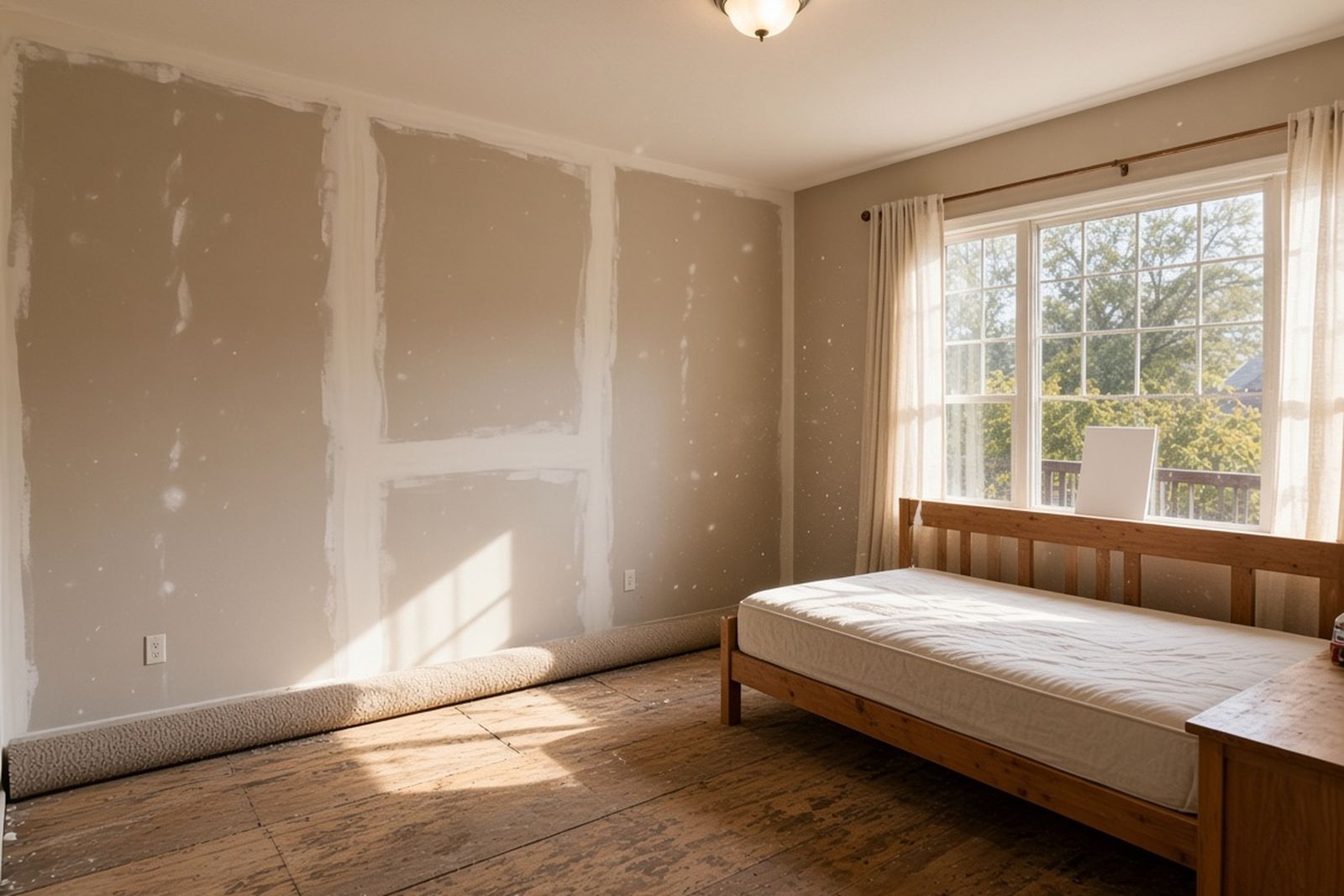
You also have to keep teaching or care going while the work is done. Think about staff-to-child ratios and special services. Plan meals, medicine, nursing, counseling, buses, security, attendance, technology, and family access. Before repairs cover up the building, stop and have the bare surfaces checked. That means floors, walls, cabinets, plumbing, and other built parts. Rebuilding covers the structure, utilities, heating and cooling, fire and life safety, access for people with disabilities, and alarms. It also covers phone and intercom systems, permits, finishes, furniture, and setting up playgrounds or classrooms. Keep your finished areas safe from dust, moisture, tools, chemicals, and people who should not be there.
Reopen with a written handoff for school and building leaders
The final report is the record you will point to when families ask how you knew it was safe to reopen. It should line up all the records, starting with the police release, who went in, and the path check. It should list scope changes, materials, and products used. It should cover play and learning items, belongings, records, choices about medicine and food, and staff safety steps. It should also cover trash, photos, inspections, the limits of any testing, areas no one could reach, and repairs. Some things cannot prove that hidden or future problems are solved. These include a walk-through by eye, the lack of smell, a receipt, or a warranty. They also include a quick swab test that shows leftover organic residue (it does not detect germs). Write down what was left out, any limits, and open items, and name the person responsible for each follow-up.
Before you reopen, the space has to work for children again, not just be clean. Check fire and life safety, utilities, air flow, plumbing, access for people with disabilities, alarms, locks, and childproofing. Check playground and classroom equipment, and make sure food and medicine are ready and housekeeping is done. Confirm staffing and ratios, attendance, buses, emergency plans, new routes, and family updates. Write down which leaders must approve, which may include education, child care, safety, building, and property leaders. Brief every staff member and vendor before they arrive. If new signs of contamination turn up, close the connected area and check it again. Do not just cover it up.
What to do in each case
At a school, different people own emergency, child care, worker safety, property, and reopening choices.
| Decision | What shows it | Who owns it |
|---|---|---|
| Emergency and reunion | Responder orders, student tracking, and care handoff | Public officials and incident leader |
| Boundary and paths | Release, campus map, systems, items, and who moved where | Security, building, and assessment team |
| Worker safety | Exposure check, assigned jobs, safety steps, and response | Each employer |
| Materials and property | Choices for items kids touch, list, custody, and trash | School, families, and cleanup leads |
| Keeping services going and repair | Backup services, bare surface check, systems, and inspections | School and building leaders |
| Reopening | Final report, staffing, services, routes, and family notice | Approved operator and property signer |
Checklist
- 1Call for emergency help and start the site plan.
- 2Account for every child and staff member through reunion steps.
- 3Keep emergency medicine, disability help, meals, and supervision going.
- 4Write down exactly what police released and what they still hold.
- 5Map kids, responders, staff, buses, gear, food, air, and drains.
- 6Set up closed areas and safe new routes for kids.
- 7Keep teachers and custodians without a cleanup role out of the work area.
- 8Ask for low surfaces, mouthed items, soft items, and play items to be checked one by one.
- 9Keep belongings, food, medicine, records, evidence, and trash apart.
- 10Use one easy-to-use channel for family updates.
- 11Keep teaching, care, buses, staffing, and special services going.
- 12Have bare walls and floors checked before repairs cover them.
- 13Check life safety, childproofing, equipment, food, and staffing.
- 14Get written approval from leaders before reopening.
Common questions
Can students go back to the wing that was not affected?
Maybe, if the facts support keeping the wing separate. First check any limits set by officials, where contact was seen, and whether air or plumbing is shared. Look at student and staff routes, food and medicine services, and emergency exits. Consider supervision, disability access, privacy, and where contractors will walk. Write down the working boundary and what new facts would change it. Sharing a building does not mean every wing is affected. But keeping to the schedule does not prove kids can safely stay clear of the work area.
Can our custodians do the cleanup?
Not just because they clean the building every day. Routine custodial work does not show the employer has planned for this task. The employer must address exposure on the job, needles and sharp objects, safety steps, training, and protective gear. Where it applies, it must cover vaccines and care after an exposure. It must also cover breathing and chemical needs, cleaning of people and tools, trash, and records. You may need a specialized cleanup company. Set out when that work ends and ordinary cleaning starts. Knowing the building well is not a reason to skip worker safety.
What should we tell parents?
Give them useful facts. Tell them where their child is and that each child is accounted for. Explain pickup or bus plans, any closure, backup care or classes, meals, medicine, and belongings. Share access details, when the next update will come, and who to contact. Do not name another child or staff member, and do not share health or school records, evidence, or graphic details. Do not guess about the cause or who is at fault. Say what is confirmed, what is still being checked, and who makes the next decision.
Should we throw out all the toys and books?
One rule for everything is hard to defend. Look at where each item was, whether contact was seen, its material and seams, and whether it soaks things up. Ask whether kids touch it or mouth it, whether it can be cleaned with a safe product, and whether someone can check the agreed finish line. Weigh its personal or teaching value. Set items aside until reviewed. Some can be cleaned, some may need a specialist, and some may have to go. Low cost or easy replacement does not make a hidden, hard-to-reach spot safe. Looks alone cannot tell you what is inside the building's walls and floors.
Who decides when we reopen?
School, child care, district, or property leaders with the right to act make the call. They must work within any limits set by officials and meet the education, care, workplace, building, and health rules that apply. The cleanup company gives a technical final report. It does not control attendance, staffing, buses, food, medicine, special services, fire and life safety, or children's access. Bring all the needed reviews together. Then record the date, the work plan, any limits, the staff briefing, and the notice to families.
What should happen to student records and papers in the released area?
Treat records as a separate category, not as trash. Figure out which papers are originals, which exist elsewhere in digital form, and which include private student information. Have the remediation provider assess whether affected records can be cleaned, copied, or must be disposed of under the school's records procedures. Keep a log of what was removed and who approved it, so staff can rebuild files and answer family questions accurately.
Can bus routes and pickup areas continue as usual?
Only if they stay clear of the restricted boundary and every route responders or contractors use. Walk the drop-off lanes, doors, and hallways children use, and move them if they cross a work zone, a waste staging spot, or a contractor entrance. Tell drivers and families about any changes in plain language. Keep transportation staff out of the affected area, and check the plan again whenever the work boundary changes.
Sources
These official sources back up the safety and process points above. Use them when you talk with your local office or a cleanup company.
Use this guide with the planning tools
Open the insurance claim organizer to keep the paperwork orderly from the first call to the carrier decision. When you are ready to compare providers, the vetting checklist turns the questions in this guide into a list you can send.
Related articles
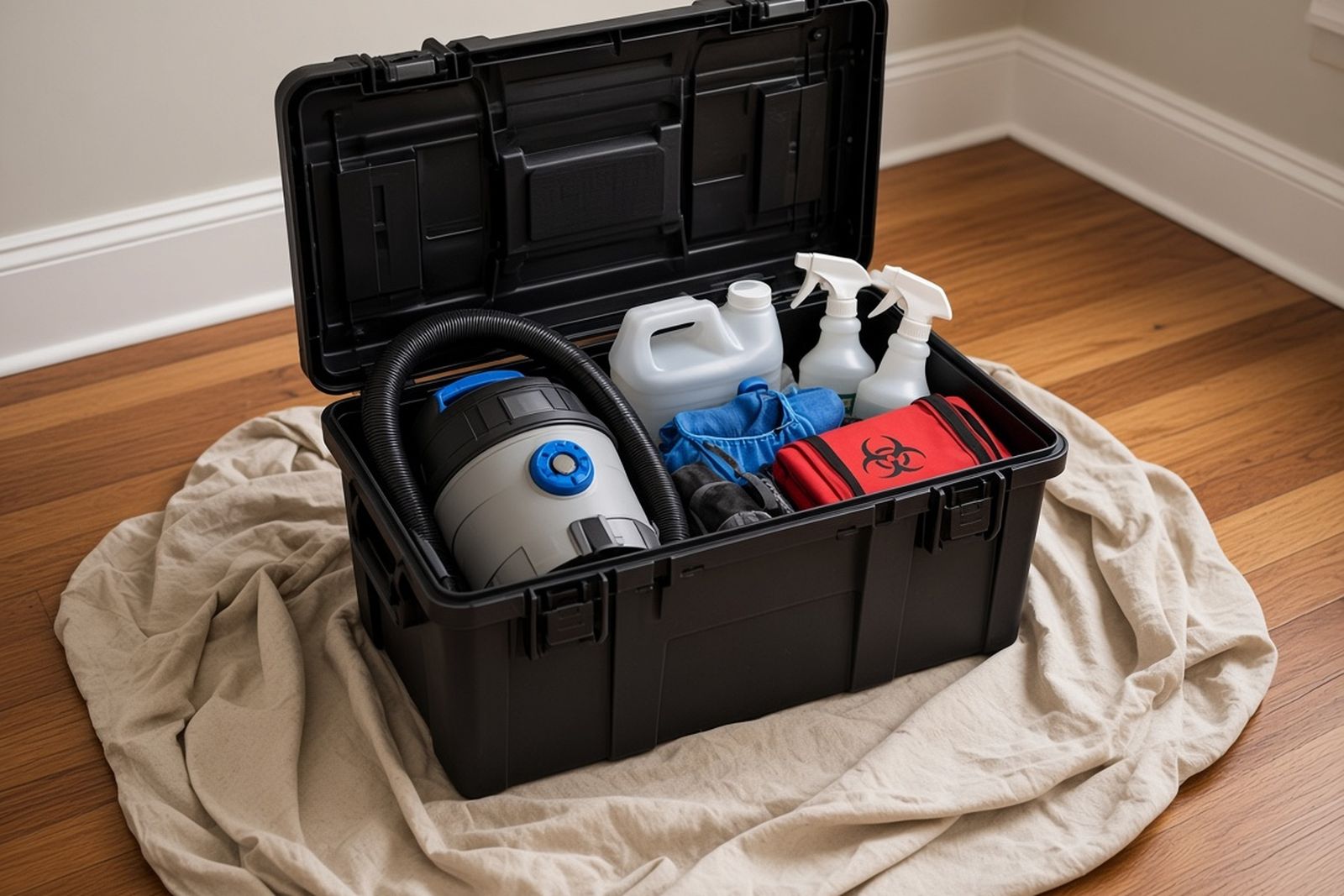 How to Evaluate Equipment Proposed for Crime Scene CleanupFor each item on the list, ask what it does, why your scene needs it and how its use will be recorded. Protective gear should match the hazards. Disinfectants should be EPA-registered for germs carried in blood and used as the label directs. Air filtering should fit the work, and the tools used for final checks should leave you with records. Be wary of equipment that is vague, excessive or unexplained.
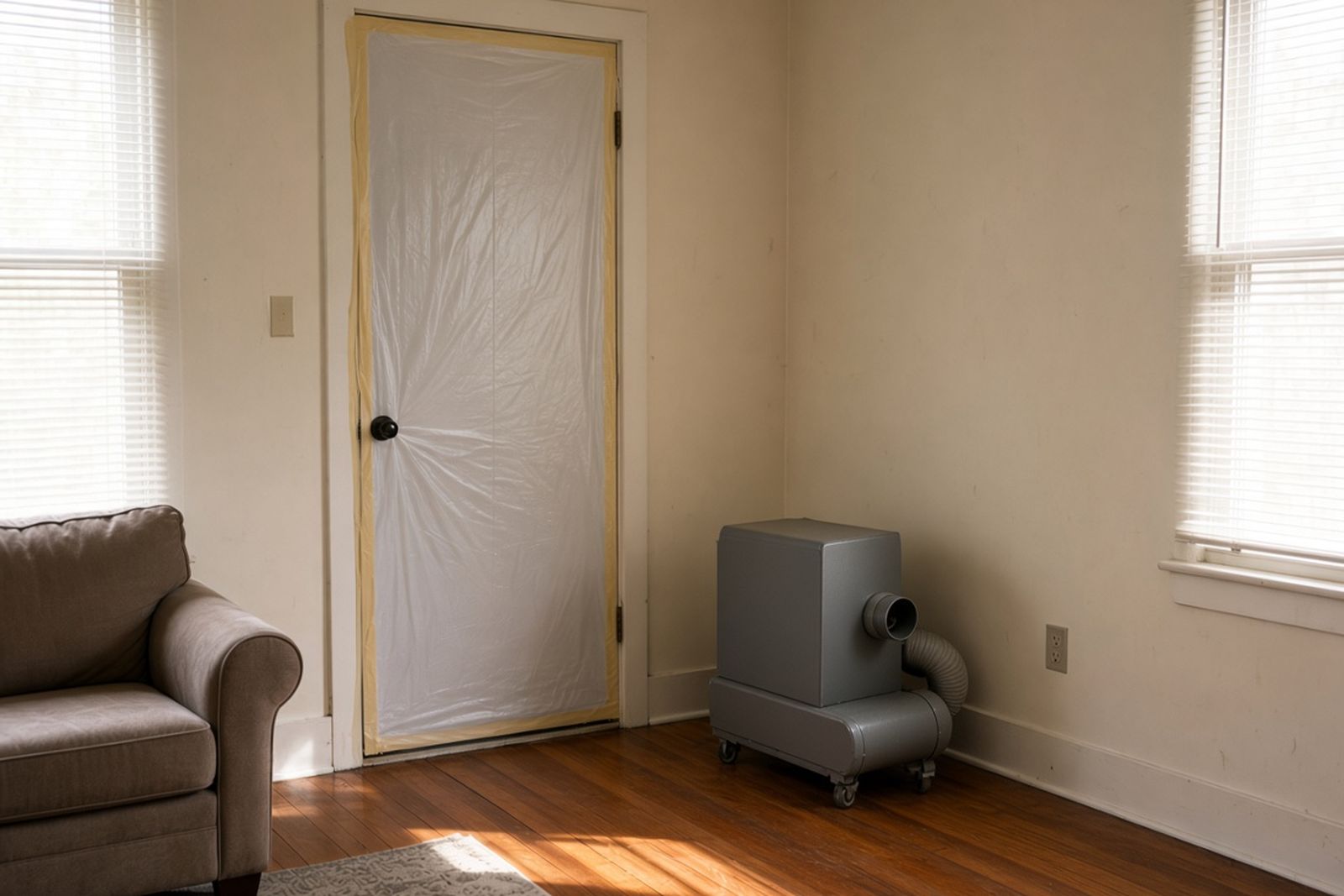 10 Crime Scene Cleanup Safety Risks to Assess Before Work BeginsBefore cleanup begins, someone should check ten risks. They are germs carried in blood, sharp objects and broken glass, hidden blood, chemical hazards and dust in the air. They also include damage to the building, site security and unexpected items, utility hazards, heat stress in protective gear and emotional strain. A good company finds each risk during its walkthrough. It tells you how it will control each one and writes the plan down before work starts.OSHA Regulations and Crime Scene CleanupOSHA rules apply to employers, not to you as a property owner. For crime scene cleanup, the key federal rule is the Bloodborne Pathogens Standard. It requires a written exposure control plan, training, an offer of hepatitis B vaccine, protective gear and records. Rules on breathing protection, general protective gear and chemical hazards also apply. You can ask a company to show how it meets each one before work begins.
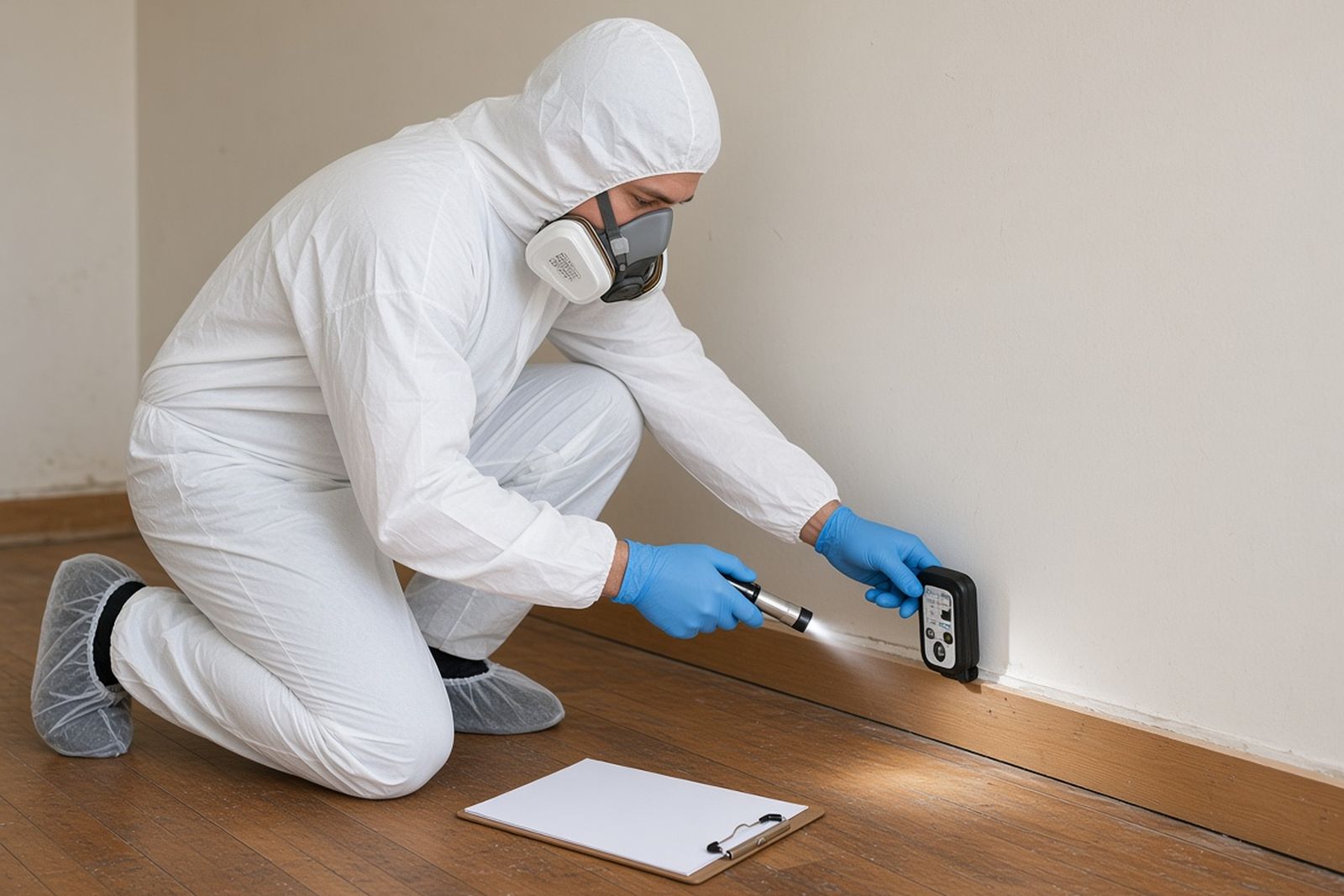 Red Flags When Hiring Crime Scene Cleanup ServicesThe biggest red flags are companies that approach you uninvited, hint that they work for the police, or promise that victim compensation or insurance will pay. Watch for quotes given without seeing the scene and plans that ignore fingerprint powder and forced-entry damage. Be wary if a company cannot show where regulated waste will go. A company you can trust waits for the police release, puts its work plan in writing and protects your privacy.When ATP Testing Helps—and When It Does Not—in Crime Scene CleanupThis quick swab test checks hard, sealed surfaces for leftover organic residue after blood has been removed. It does not detect germs carried in blood or prove that disinfection worked. It does not check for fingerprint powder or police test chemicals. It cannot see inside carpet, drywall or subfloor. Treat the readings as one piece of evidence inside a written plan for checking the work, not as a certificate of safety.How to Evaluate Technology Used in Crime Scene CleanupTo judge any tool, ask what problem it solves and whether it supports hand cleaning or claims to replace it. Ask what the product label or maker says, what its limits are and how the results will be recorded. Useful tools include HEPA air filters, moisture meters, sprayers used after cleaning and digital reports. No device makes up for removing blood and soiled materials by hand.