Boston's roughly 654,000 people live in a tight, historic city of wood-frame triple-deckers, brick bowfronts, brownstone rows and newer condos squeezed onto short blocks. After police release your home, the stacked front porches and shared stair hall often become part of the work area, even when the harm stayed inside one flat. In brick rows, shared party walls can hide soaked-in fluid. Winter adds more trouble. A nor'easter snow emergency can ban overnight curb parking and bury setup space under plow ridges, and icy brownstone steps make sealed carts risky to move. Expect your timeline to bend around owners, weather and the curb.
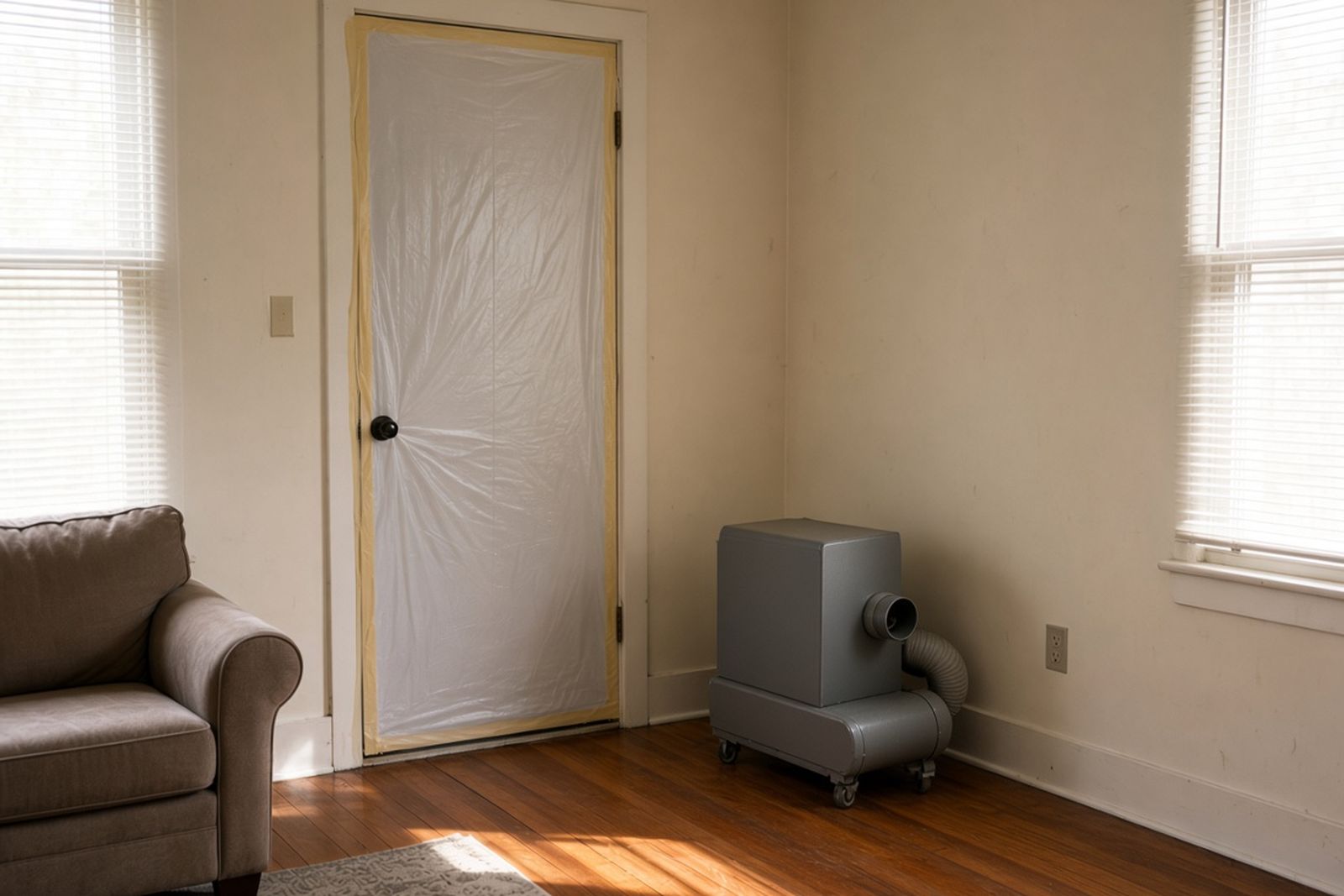
Privacy on your street depends on short frontages, parked cars and historic district rules that limit where a trailer can sit. Near the colleges, roommates and parents who co-signed a lease are often involved. It may be unclear who can decide anything until a landlord or estate contact is named. Condo trustees and triple-decker landlords may both need to approve covers in the stair hall. Ask for sealed bins no one can see into and notices that state only facts. In cold months your windows stay shut, so drying machines and patience take the place of summer airing out.
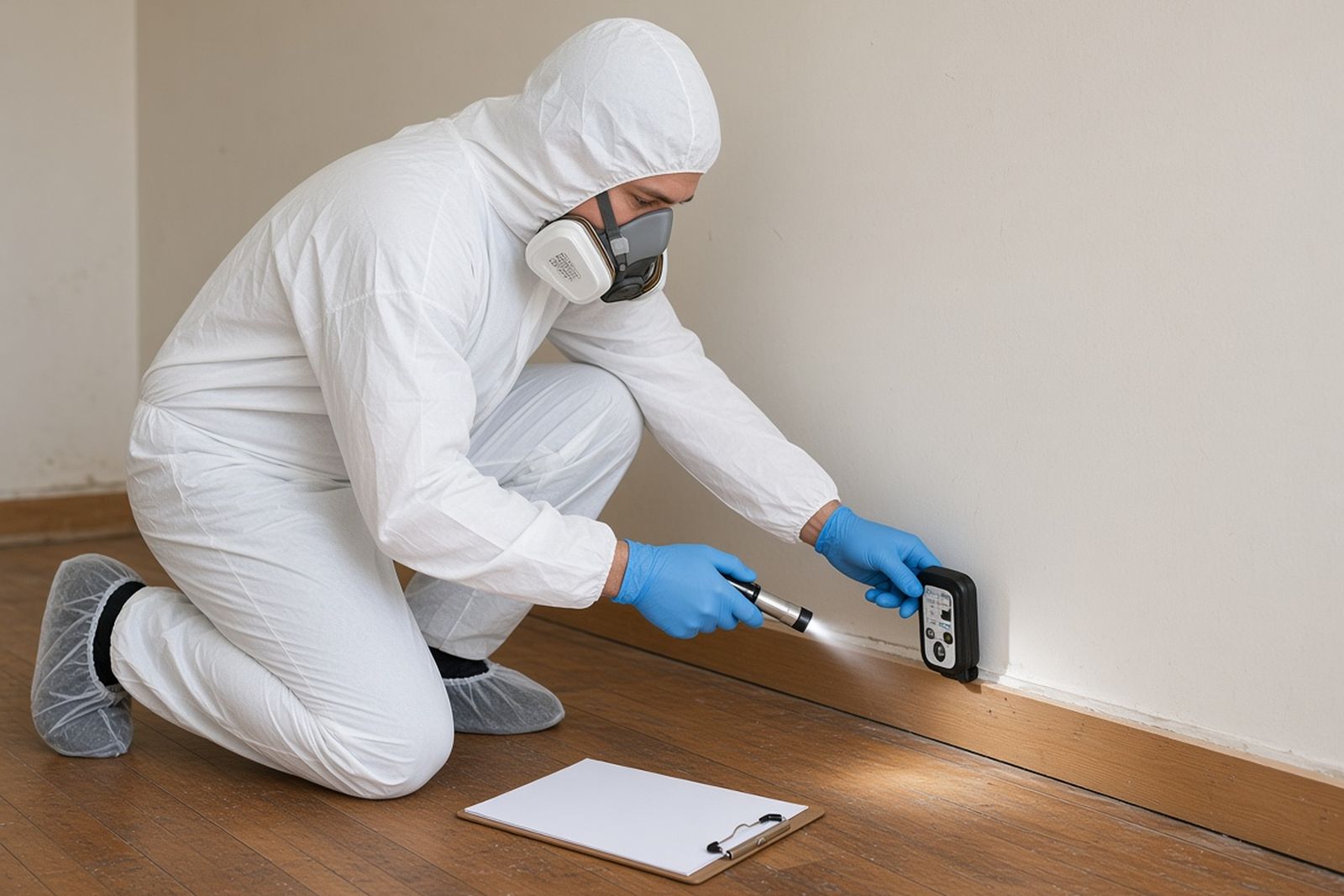
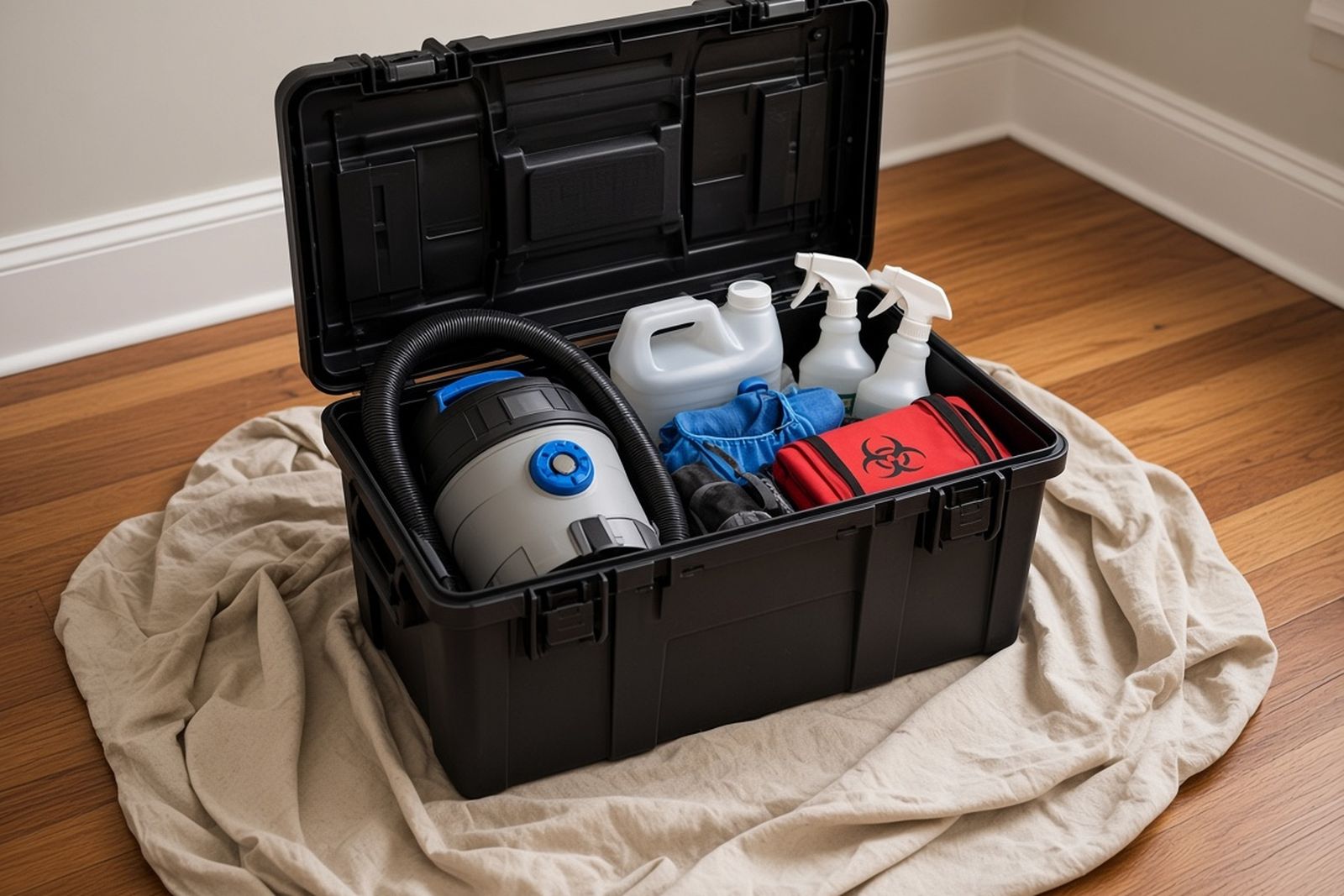
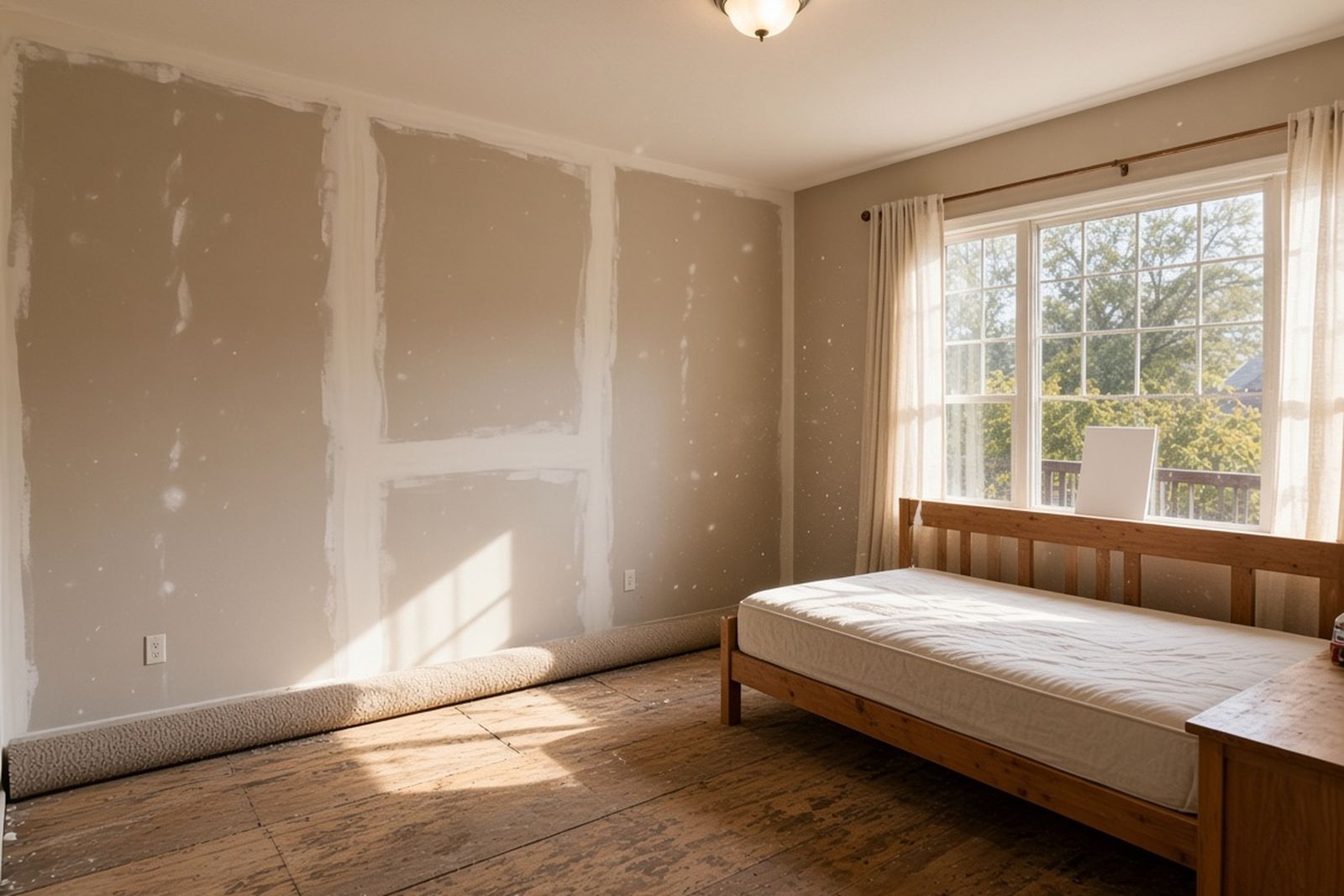
Keep records that work for owners on different floors, rentals near campus, estate files and insurers. Photograph your porch entry and stair hall before runners go down. Ask the company to list what was thrown out apart from what was disinfected in place with EPA-registered products. If something that might be evidence turns up during demolition, the crew should pause, and that pause belongs in your notes. The work can differ from house to house on the same street. One flat may need carpet and pad pulled, while the next needs plaster opened at a party wall. A factual file also helps your next tenants.