Wellesley, MA

Crime Scene Cleanup in Wellesley Colonials and Finished Cellars

What to do, who to contact, and what to ask in Wellesley.

After a violent crime in a Wellesley home, see how school traffic and winter affect cleanup. Learn who approves work and which records to keep.

Get an email reply about crime scene cleanup

Send a short message to the follow-up inbox. A coordinator can reply by email. This form does not send emergency help; call 911 first if anyone is in danger.

Tell us what you need help with. Share a short description; please leave out medical details, access codes, and other sensitive information.

A request does not confirm a booking. For immediate danger, contact local emergency services.

Or email info@scenerecoveryhelp.com

The short answer for Wellesley, MA

A violent crime in a Wellesley home leaves cleanup that a regular cleaning service cannot do. Wait for Wellesley police to release the house. Then bring in a trained biohazard company. Below you will see how school traffic, winter weather, finished basements and au pair suites shape the job, and which records your family should keep.

What to do, step by step

  1. 1

    Check the release and who approves the suite

    Ask Wellesley police to confirm the scene is released, and note the date. Then list the main rooms, the basement rec space, any au pair suite and the garage mudroom for the company. Take photos of the halls that link them before furniture moves. If the suite is leased, find out who may approve cutting finishes there. Show the crew your air returns as well, since they can carry powder dust once vacuum work begins.

  2. 2

    Plan the way out around school and shopping rush

    Ask the crew to use one exit path through your driveway, not past the neighbors' kitchen windows. Cart trips can often be timed away from the bus line and the Route 9 shopping rush. Labeled bins should stay covered at all times. Ask where workers will put on and take off their gear. It should be out of view of the front walk, such as inside the garage.

  3. 3

    Ask which surfaces stay and which layers go

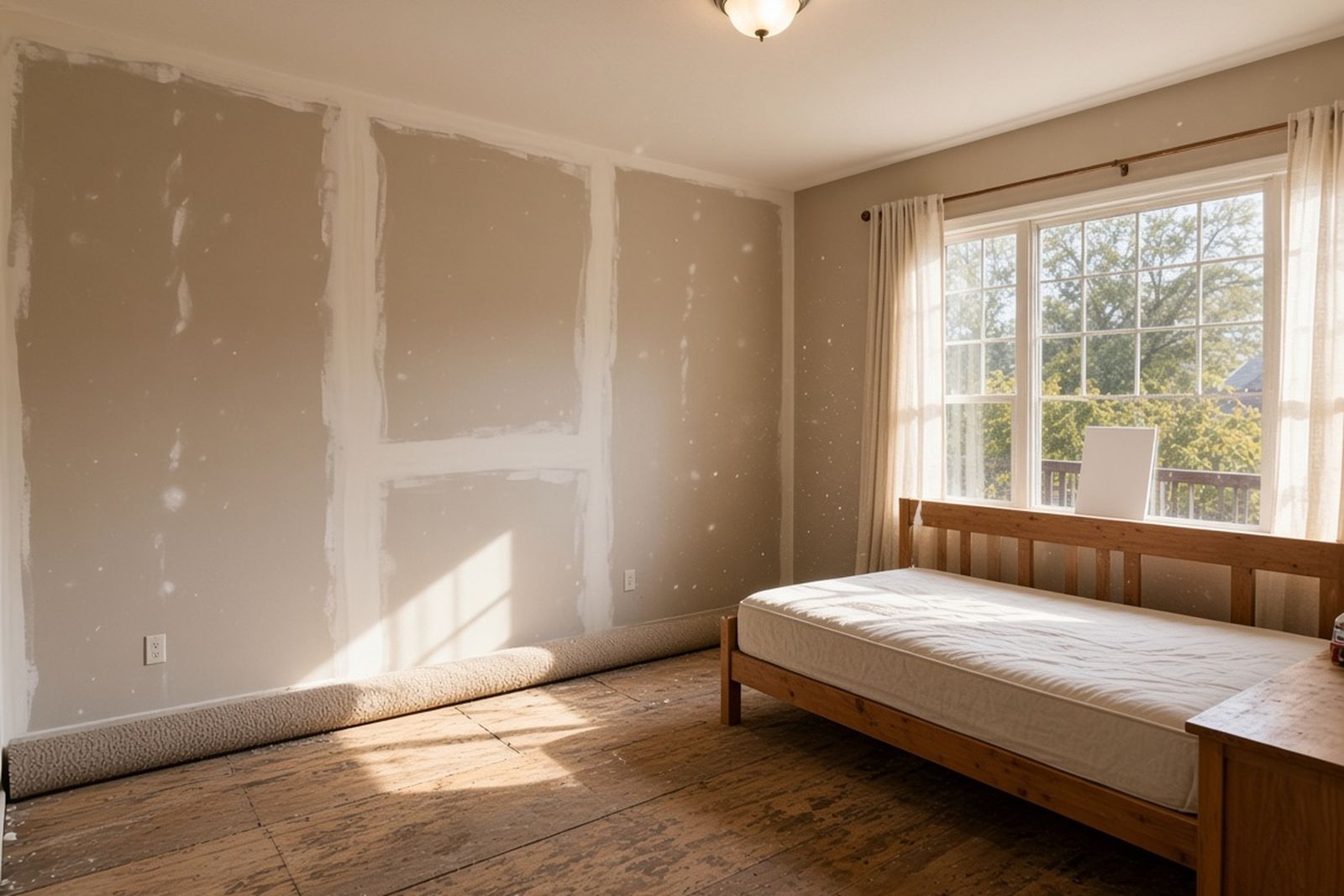
    Your tile and wood finishes that can stay are treated as the product label says. Soaked carpet and wallboard are sealed up inside your house before they are carried out. If police dusted for fingerprints, the trim should be cleaned with a HEPA vacuum. Ask the company to write down each keep-or-cut choice, room by room. Seeing parts of a family room removed is hard, but soaked layers that stay behind cause odor later.

  4. 4

    Let it dry, then collect the file for your family

    Drying in your home needs time that fits the season, whether heated winter air or a humid summer week. Ask that the final check wait for it. Then ask for the pictures, product names, waste notes and repair list in one place. Keep the file where your family can find it. It should say which bedrooms or basement rooms stay closed until repairs are done.

What cleanup is like in Wellesley

Wellesley is a western Boston suburb of about 30,000 people. Most homes are colonial or mid-century, with some streets near the colleges and busy shops along Route 9. No tourist season sets your schedule here. Parent pickup lines, winter freeze and thaw, and months of heating with the windows shut do. Fluid can soak under carpet where you cannot see it. Residue can also reach a finished basement rec room, an au pair suite or the mudroom off your attached garage. Ice melt at the doors can hide residue outside, so ask for photos there as well.

On walkable shopping blocks and school routes, a labeled bag on the sidewalk stands out. Midday on a weekday often draws less notice from your neighbors than the morning bus line. A good crew will use covered bins and one protected path for dirty items, and will talk at the curb only about access. In winter, snowbanks and narrow plowed lanes limit where a truck can legally wait, so tell the company what your street looks like. Federal blood exposure rules cover this work, and every cleaner has to be used as its label says.

Your claim file may pass through several hands: you as the owner living in the home, a trustee, and your home insurer. Town hall and the state health department can answer local questions. Ask for photos of the basement stairs, the mudroom bench and any suite above the garage. The notes should keep hard surfaces that were saved apart from soft materials that failed the check. Heated rooms dry unevenly in a Massachusetts winter. For that reason, the final check should be written up only after a true dry-out, not on the day the crew packs up.

What to expect for your type of home

  • Homes on school routes: Bus and parent pickup times bring more people to the sidewalk. Ask that covered waste move outside those times, and do not expect a promised arrival hour.
  • Carpeted basement rec rooms: Carpet over a slab often fails once fluid reaches the tack strips. Ask for the lower level to be checked even when the incident was upstairs.
  • Au pair or nanny suites: A suite with its own lease or meter needs its own yes. Get that approval in writing before the crew cuts anything there.
  • Homes near the colleges: Student foot traffic passes on the sidewalk most of the day. Ask the crew to keep sealed bins out of view of your front steps.
  • Plaster colonials and open remodels: Each hides residue in a different way. Ask the crew to follow the floors past the first stain before deciding what stays.
  • Remodeled media rooms: Sound-blocking pad under the floor often has to come out after it soaks through. Ask to see it before agreeing that the floor above is fine.
  • Snowy doorways: Ice melt products can hide or move residue at your doors. Ask for photos before the snow melts, and tell the crew which doors were used.
  • Homes with doorbell cameras: The camera keeps a record of who came in. Log each temporary door code you create and the day you canceled it.

Papers and records to keep

  • The Wellesley police release date and the parent or owner who let workers in.
  • Photos of main rooms, carpeted basements, au pair suites, mudrooms and garages anyone entered.
  • A floor sketch of each level, including the finished basement, with photos marked.
  • A list of what was cut out of the house and what stayed.
  • Products used on each floor of the house and how long each stayed wet.
  • How police residues were removed, plus drying notes for winter with windows shut.
  • Where the truck sat, which bus times were avoided, and each door code made and deleted.
  • Who hauled the sealed bags away and when.
  • A family note on which bedrooms or basement rooms stay closed.

Local offices and official help

Common questions in Wellesley

Should waste be moved around school pickup times?

It helps. Side streets near Wellesley schools fill with cars and walkers twice a day, so sealed waste is more likely to be seen then. Carts moved at midday on a weekday draw less notice. Ask the company to note that timing choice in its access log, and to keep labeled bags off the sidewalk while the bus line is there. This changes nothing about the safety steps. It just lowers the chance of gossip while the work goes on.
The incident was upstairs. Why check the carpeted basement?

Shoes can bring residue down to the laundry or rec room in the hours after an incident. Carpet over a slab can soak up fluid that looks faint on top. Leaving the basement out can leave an odor for whoever lives there later. Ask for photos of doorways and soft items downstairs. A note that nothing was found still makes your file stronger. Heated winter rooms dry unevenly, so the last check belongs after materials are truly dry.

Who has to approve removing materials from the au pair suite?

Start with the police release and the name on the title or rental agreement. Then get it on paper who can approve cutting finishes in the suite and who can approve it in the main house. They may be different people. Ask for a photo of the shared laundry hall first. Clear authority avoids mixed orders when relatives or managers also hold keys. It also shows your insurer why the suite is listed on its own.

What in a Wellesley colonial usually cannot be saved?

Bedroom and basement carpet, soaked wallboard and upholstered chairs usually go. Ask the crew to look closely where plaster meets the floor, because fluid collects at that edge. Sealed tile and many metals may stay if they are cleaned and the product stays wet for the time on its label. Have the openings written down for the people who will rebuild. That list also helps you plan how long each room will be out of use.

What should I send my insurer?

Send photos from before and after, each pinned to a floor drawing, with every carpet or wall piece that came out named. The packet should list the disinfectants with wet times, how powder was removed and the waste records. Basement, mudroom and au pair suite photos belong in it when those areas were part of the work. Add the repair work still to come and the rooms that should stay empty. A fresh scent proves nothing.

How does a Wellesley winter affect cleanup and drying?

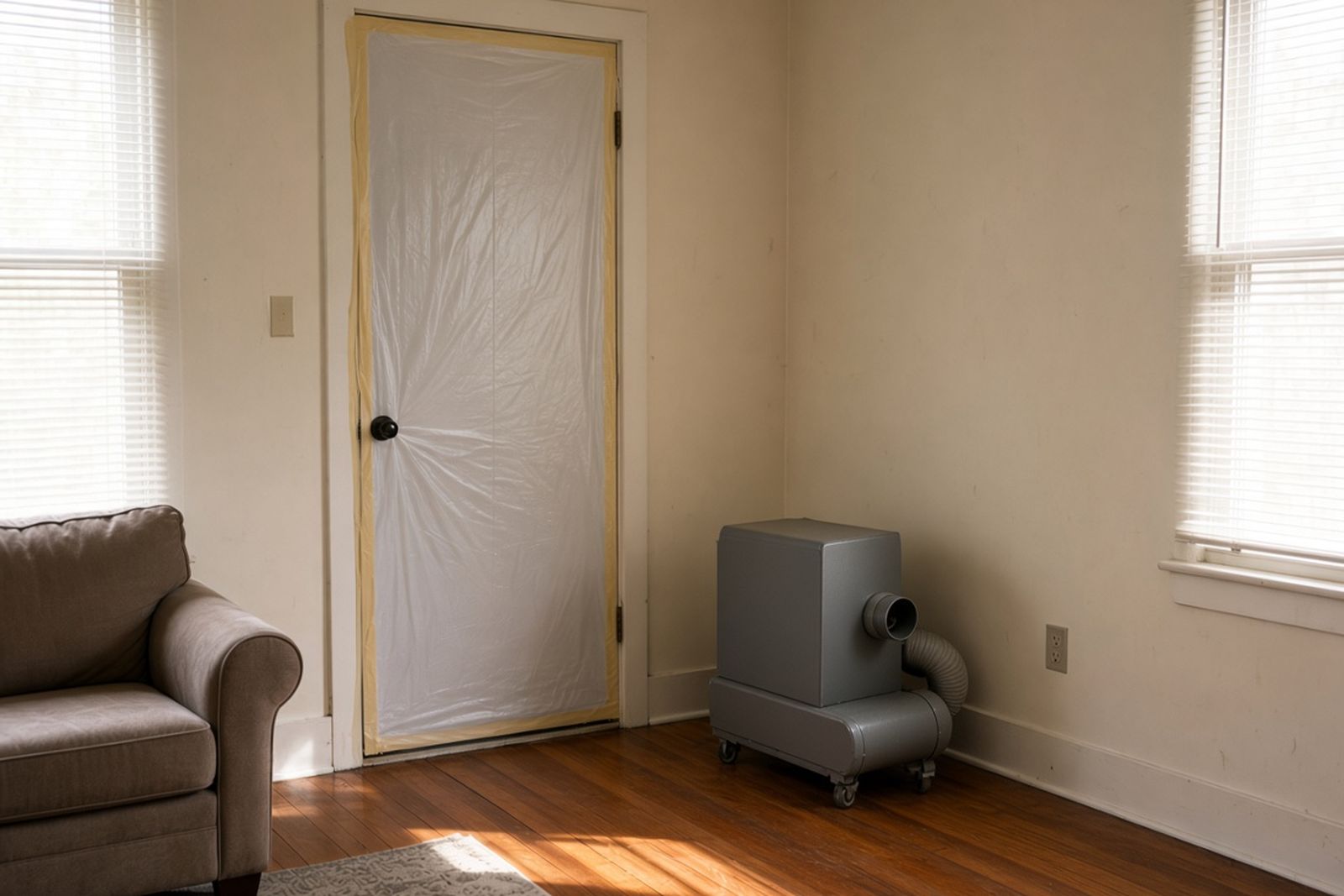
Cold months mean shut windows and constant heat. That dries the air, but forced-air systems can also move odor and dust. Ask the contractor to seal the vents in affected rooms and use filtered air machines. Ice and snow at your doors make carrying sealed bins slower and riskier, so clear and salt the paths first. Some disinfectants have temperature limits. An unheated porch or garage may need temporary heat before it can be cleaned.

A college student or au pair was living with us. What should we do?

Include them. Anyone who lived in your house has a say in what happens to their own things, even without owning the property. Let them know the house has been released and that cleanup is being planned. Ask which items matter to them. If their room is in the affected area, they may need somewhere else to stay for a while. Keep talks kind and brief, and pass along the contractor's contact for practical questions.

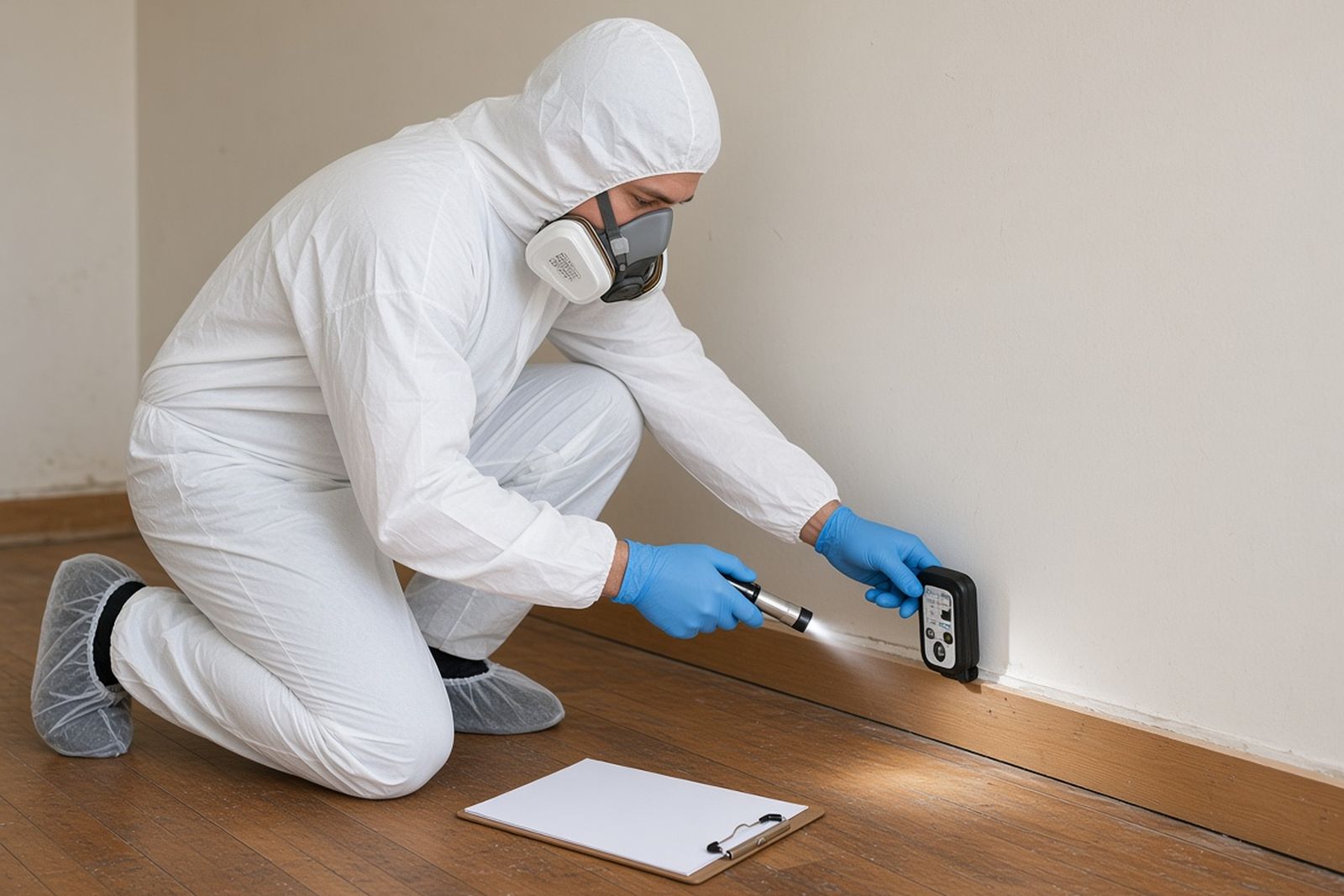
Technician in coveralls and a half-face respirator checking a baseboard with a flashlight and moisture meter
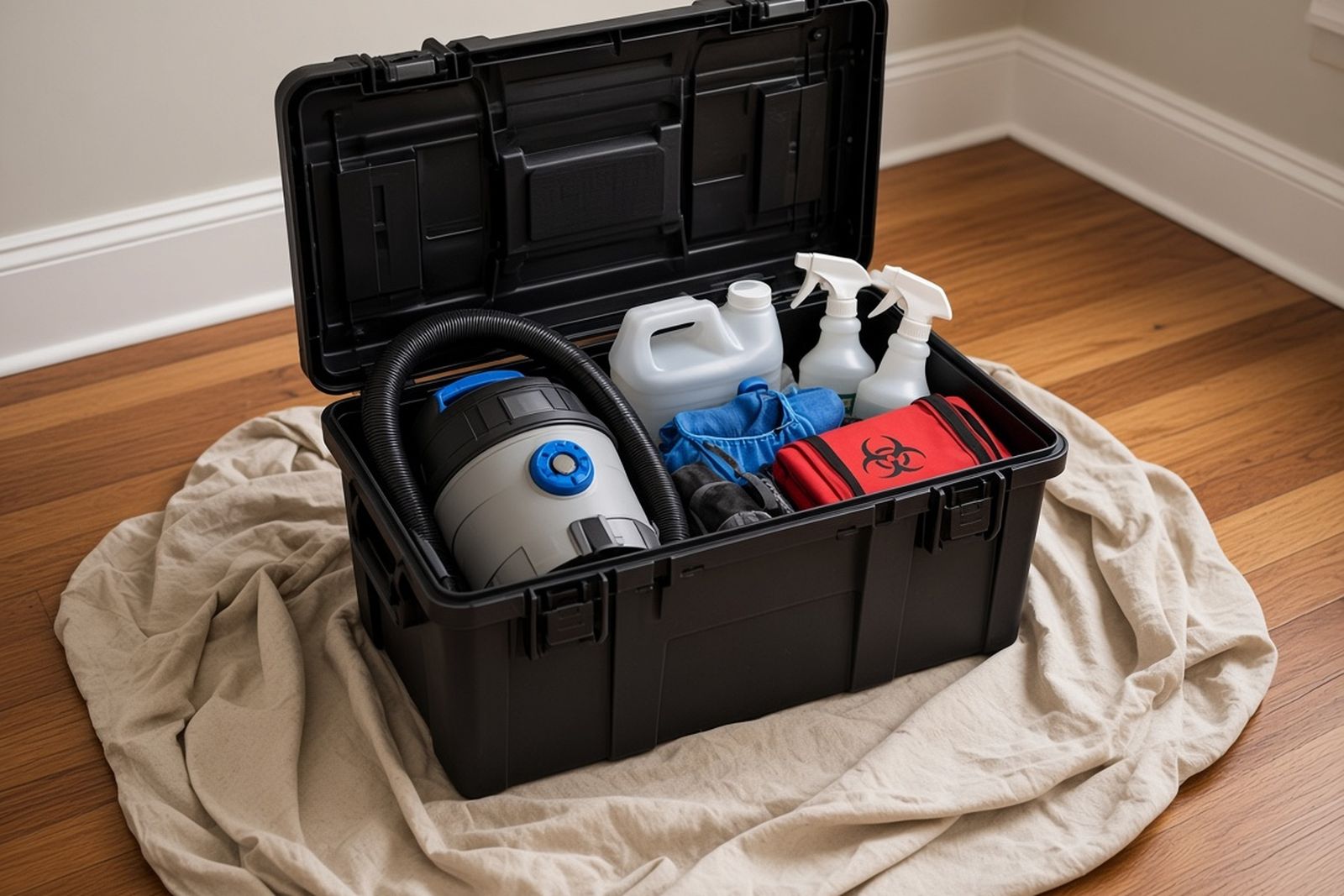
Open equipment case on a drop cloth holding a HEPA vacuum, disinfectant jugs, spray bottles and red biohazard bags

Facts worth knowing

  • Insured flood victims in a study published in 2022 said different insurers handled similar claims in different ways.

    Why it matters: Do not rely on what a neighbor's insurer did; ask your own insurer to confirm in writing what it will cover.

    Source: McKenzie et al., 2022

  • Ohio paid 1,977 crime victim compensation awards in fiscal year 2024, averaging $3,716 each, across all kinds of costs, not just cleanup.

    Why it matters: These programs do pay real claims, so it may be worth applying if you are a victim with crime-related bills.

    Source: Ohio Attorney General, 2024

  • In a UK survey of adults bereaved in 2020, 56% of those who sought help from bereavement services had trouble getting it.

    Why it matters: Support can be hard to reach, so you may need to ask more than once or try more than one service.

    Source: Harrop et al., 2021

Tools that help right now

What would you do?

Poll results

Vote to see how other people answered. You can change your answer at any time.

Your experience

What was the hardest thing to figure out in the first day after the scene was released?

Be the first to vote
General

Which type of incident brought you to this topic?

Be the first to vote

Need help in Wellesley?

Send a short message about the property to the follow-up inbox. A coordinator can reply by email with next steps.

Your request is sent to the follow-up inbox. A coordinator can reply by email.

If anyone is hurt or in danger, call 911 first.