San Francisco, CA

San Francisco Crime Scene Cleanup in Walk-Ups and Condo Towers

What to do, who to contact, and what to ask in San Francisco.

After a crime in a San Francisco walk-up, condo or Victorian flat, learn when cleanup can start, what to ask the company, and which records to keep.

Get an email reply about crime scene cleanup

Send a short message to the follow-up inbox. A coordinator can reply by email. This form does not send emergency help; call 911 first if anyone is in danger.

Tell us what you need help with. Share a short description; please leave out medical details, access codes, and other sensitive information.

A request does not confirm a booking. For immediate danger, contact local emergency services.

Or email info@scenerecoveryhelp.com

The short answer for San Francisco, CA

After a violent crime in your San Francisco home or building, wait for police to release the scene, then bring in a trained biohazard cleanup company. Here is what to ask about stairs, elevators and privacy on a crowded block, and which records your landlord, board or insurer will want.

What to do, step by step

  1. 1

    Find out who can approve the work

    Start by learning who can say yes to work inside your San Francisco unit and who controls the shared areas. Get the police release in writing when you can. Write down who in the building holds keys and alarm codes and who can switch the elevator mode. In TICs and HOAs, the wrong person giving approval is a real risk. Make sure the chain of approval is clear before anyone tears out soft materials. If you rent, tell your landlord in writing once the release is confirmed.

  2. 2

    Ask how waste will leave by the stairs or elevator

    Walk the path from your unit door to the loading spot on the sidewalk with the company. Ask whether work can happen after the busiest lobby hours and how the stairs or elevator will be covered. Find out where sealed bins will wait without blocking the way out. Labels and anything graphic should stay out of public view. If a shop shares your building, ask that waste not move while customers are lined up. A good crew plans these trips before the first bag is filled.

  3. 3

    Expect extra care in an older building

    In older San Francisco homes, a good crew checks how far fluid soaked into layered floors, closets and wall spaces. Hard surfaces that can be saved get cleaned and disinfected, with each product kept wet for its label time. Soft items past saving go into regulated waste bags. Fingerprint powder should come off with a HEPA vacuum, so dust does not blow into a light well or a neighbor's window. Ask the crew to write down each choice. Your board and insurer will want to know why items were removed.

  4. 4

    Wait for dry rooms before repairs begin

    Ask for written checks of key hard surfaces once they are dry. Damp ocean air can fool a rushed look, so no wall should be closed early. Give your carpenter and flooring crew the list of openings left for rebuilding. The biohazard work does not include cosmetic repairs, and your bills should show that. File the waste and product papers under your unit number. You may need them later for a sale, a refinance or a new tenant.

What cleanup is like in San Francisco

San Francisco packs about 808,000 people into a small city, so most homes are built up, not out. You may live in a walk-up, an elevator condo, a tenancy-in-common (TIC) building, or above a shop. After police release your unit, soiled materials often have to go down shared stairs and across a sidewalk where tourists, delivery workers and neighbors pass all day. Soft-story wood-frame buildings and Victorian or Edwardian rooms add hollow spaces, layered floors and plaster seams where fluid can hide. Fog and damp ocean air slow drying too, most of all on the west side. Expect your final check to wait until surfaces are truly dry.

Getting in and out can decide whether your cleanup stays calm or upsets the whole block. Street parking is scarce, loading zones are timed, and many buildings have no real freight elevator. Ask the company where workers will change gear, where sealed waste will wait for pickup, and how carts will avoid restaurant sidewalks and school pickup routes. Windows here often face light wells and back yards, so your neighbors can see a lot. Covered carts, bins no one can see into, and few words in the hallway spare them distress. You can still speak openly with your building manager.

Several people may have a say in your paperwork: a renter, an owner, a property manager, a homeowners association, and sometimes a lender or estate lawyer. Each may ask something different. What came up from the hardwood and subfloor? Was fingerprint powder vacuumed off the trim? Did the waste leave with proper tracking? Bay Area buildings also have in-unit laundry, roof decks and storage cages that can pick up residue if someone set things down there. Ask for a file that ties photos to unit numbers and shared areas. Keep the biohazard bill apart from later carpentry. That helps your board and insurer without graphic storytelling.
What to expect for your type of home

  • Walk-up buildings: Ask for stair runners and a one-way exit route for dirty items. That keeps waste bags from brushing the handrails you and your neighbors use all day.
  • Elevator condos: Ask your manager for a written booking of the freight elevator or a padded cab. A bare passenger elevator can carry residue to the lobby and upper floors.
  • Victorian and soft-story flats: Blood may hide in layered floors, plaster wall spaces and uneven baseboards. Expect a good crew to open suspect spots with care instead of only wiping the surface.
  • Units facing light wells or shared yards: Neighbors may see in while windows stay open for products to sit or dry. Ask the company about screens or timing that protect your privacy.
  • Buildings with storage cages, bike rooms or garage stalls: Did police or residents pass through these spaces before the release? Tell the crew, so those areas get checked too.
  • Fog-belt homes: Damp air can slow the drying of cleaned areas and cut-out openings. Ask for a dry moisture reading before anyone closes a wall or relays a floor.

Papers and records to keep

  • The release date for your San Francisco unit and which building contact let the crew in.
  • A drawing of your unit with photos of rooms, closets, light-well windows and storage areas.
  • Photos of the shared stairs, elevator cab, lobby and sidewalk loading spot, before and after covers.
  • A list of soft materials removed, with rough spots marked on the unit drawing.
  • Product names, the EPA number on each label, and how long each stayed wet.
  • Notes on how fingerprint powder or other police residue was removed.
  • Waste records your insurer or board can read, including bin handling and pickup.
  • A memo for your unit file showing which work is done and which carpentry is still ahead.

Local offices and official help

Common questions in San Francisco

Why do the stairs and elevator matter so much in my San Francisco building?

They matter because everything leaving your unit passes through them. If soiled items ride uncovered in a passenger elevator or down an open stairwell, residue and odor can reach the lobby and neighbors who never went near the room. Ask the company to set one dirty exit route, put up covers, and time trips around school runs, tourist rushes and busy meal hours at street level. Many older buildings have no freight elevator. In those buildings, covered stairs and sealed bins do the work a freight elevator would.

I live in a Victorian or soft-story building. Will more have to be torn out?

Maybe, because older San Francisco rooms hide more. Layered floors, plaster seams and decades of remodels let fluid travel under the top layer. A board that looks clean may sit on soiled underlayment. Gaps behind baseboards and under bay-window seats can hold residue too. Expect the crew to open suspect seams, not just wipe. When a material cannot be confirmed clean, removal is the safer choice. Ask for photos of each opened spot so your carpenter knows why pieces were cut.

How can we keep this private on such a crowded block?

Ask for bins no one can see into and covered carts. Labeled bags should never sit in a light well, on a stoop or in a shared back yard. In the hallway, the crew should talk only about schedule and access. Work with your building manager on a notice that lists work hours and closed areas, with no graphic details. Sidewalk loading should be quick so people do not gather. Keep a note of the privacy steps used in case your board asks later.

How should our HOA or TIC group handle approvals?

Name one person who can say yes before any demolition. First confirm whether the affected area is inside a unit or in a shared hallway, stair or garage cage. Then pick the one owner, manager or board officer who may approve cutting out carpet or drywall and letting the crew in. Ask for proof of the scene release, a written work list and photos. List unit damage apart from the cost of protecting shared areas. If both a unit policy and a master policy apply, find both contacts early.

What should the final paperwork include?

It should make sense to someone who was never there. Ask for before-and-after photos tied to a drawing of your unit, a list of removed soft materials, disinfectant names with wet times, notes on powder removal, and waste records. It should also say what rebuild work remains and which rooms should stay empty. In a San Francisco building, ask for notes on how the stairs, elevator and shared areas were protected. A pleasant smell is not proof. Odor control comes after the source is gone.

I rent in a rent-controlled building. What should I do?

Write to your landlord once the release is confirmed and ask for the cleanup plan and schedule. If you need to leave for a while, keep a log of the dates and what you spend. Ask in writing about your right to come back when the work is done. The city's rent board or a tenant counseling group can explain the local rules. Ask for photos and a written list of your damaged things, and approve it before the crew hauls anything off.

Does the fog slow things down?

Yes, fog and cool, damp air slow drying after wet cleaning in many neighborhoods. Ground-floor units and garages are hit hardest. Ask the contractor to measure moisture before walls or floors are closed and to run dehumidifiers as needed. Older buildings may lack good airflow, so filtered air machines help. Plan for extra days before the final check. Do not let your rebuild crew close any opening until the contractor confirms the space is dry.

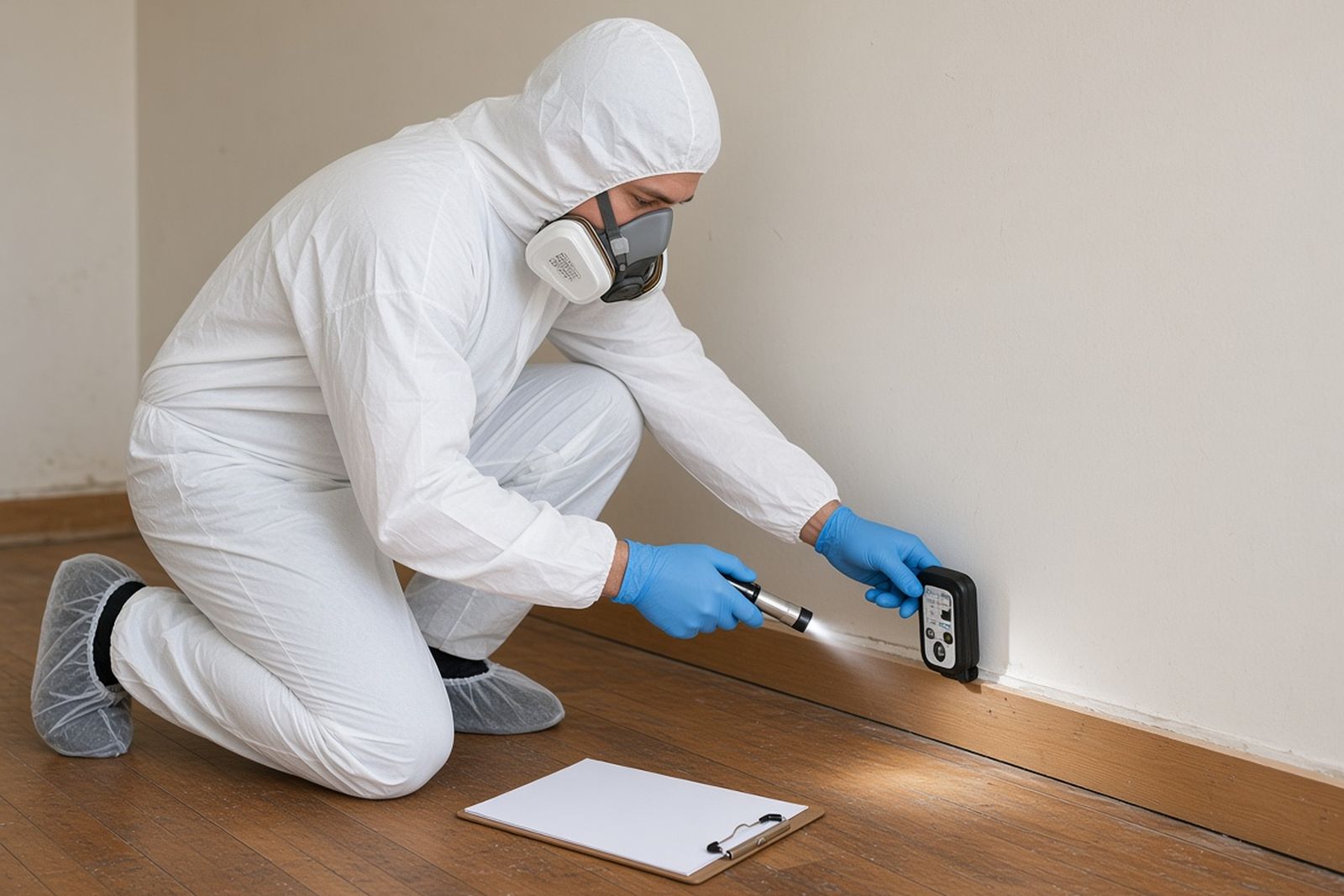
Technician in coveralls and a half-face respirator checking a baseboard with a flashlight and moisture meter
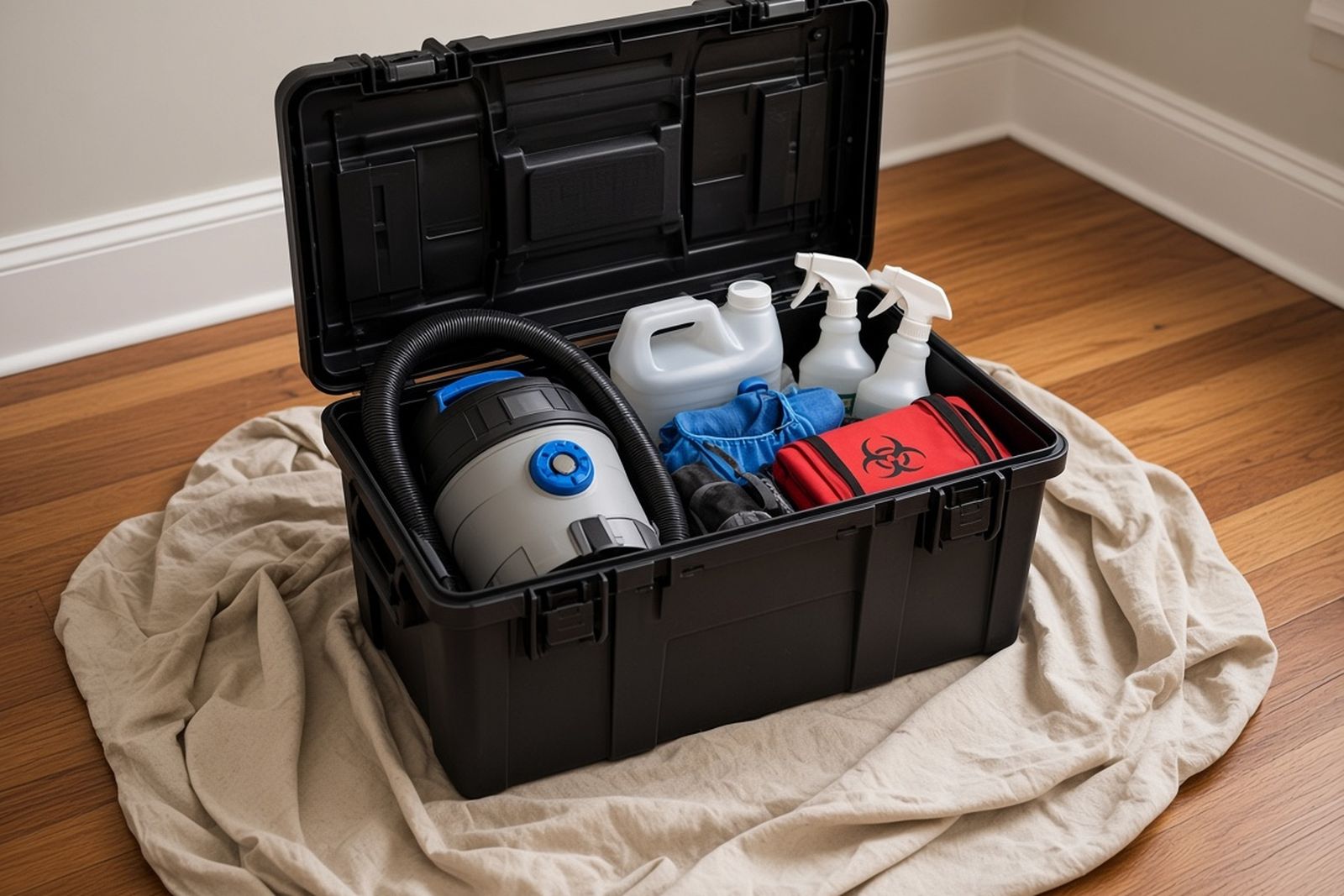
Open equipment case on a drop cloth holding a HEPA vacuum, disinfectant jugs, spray bottles and red biohazard bags

Facts worth knowing

  • In interviews with 18 people in Germany who lost someone to suicide, some said others with a similar loss understood them without long explanations.

    Why it matters: If explaining yourself is tiring, you may find a suicide-loss support group easier than talking with people who have not been through it.

    Source: Marek et al., 2024

  • In interviews with 15 grieving German adults, some valued company that came with no pressure to talk.

    Why it matters: If you are supporting someone, you may help just by sitting with them; you do not have to find the right words.

    Source: Marek et al., 2025

  • In a survey of burglary victims in three English areas, published in 2005, 18% of those who claimed on insurance said it did not cover their loss well enough.

    Why it matters: A claim may not pay for everything, so check your policy limits and what it leaves out before you plan around it.

    Source: Victim Support et al., 2005

Tools that help right now

What would you do?

Poll results

Vote to see how other people answered. You can change your answer at any time.

Your experience

What was the hardest thing to figure out in the first day after the scene was released?

Be the first to vote
General

Which type of incident brought you to this topic?

Be the first to vote

Need help in San Francisco?

Send a short message about the property to the follow-up inbox. A coordinator can reply by email with next steps.

Your request is sent to the follow-up inbox. A coordinator can reply by email.

If anyone is hurt or in danger, call 911 first.