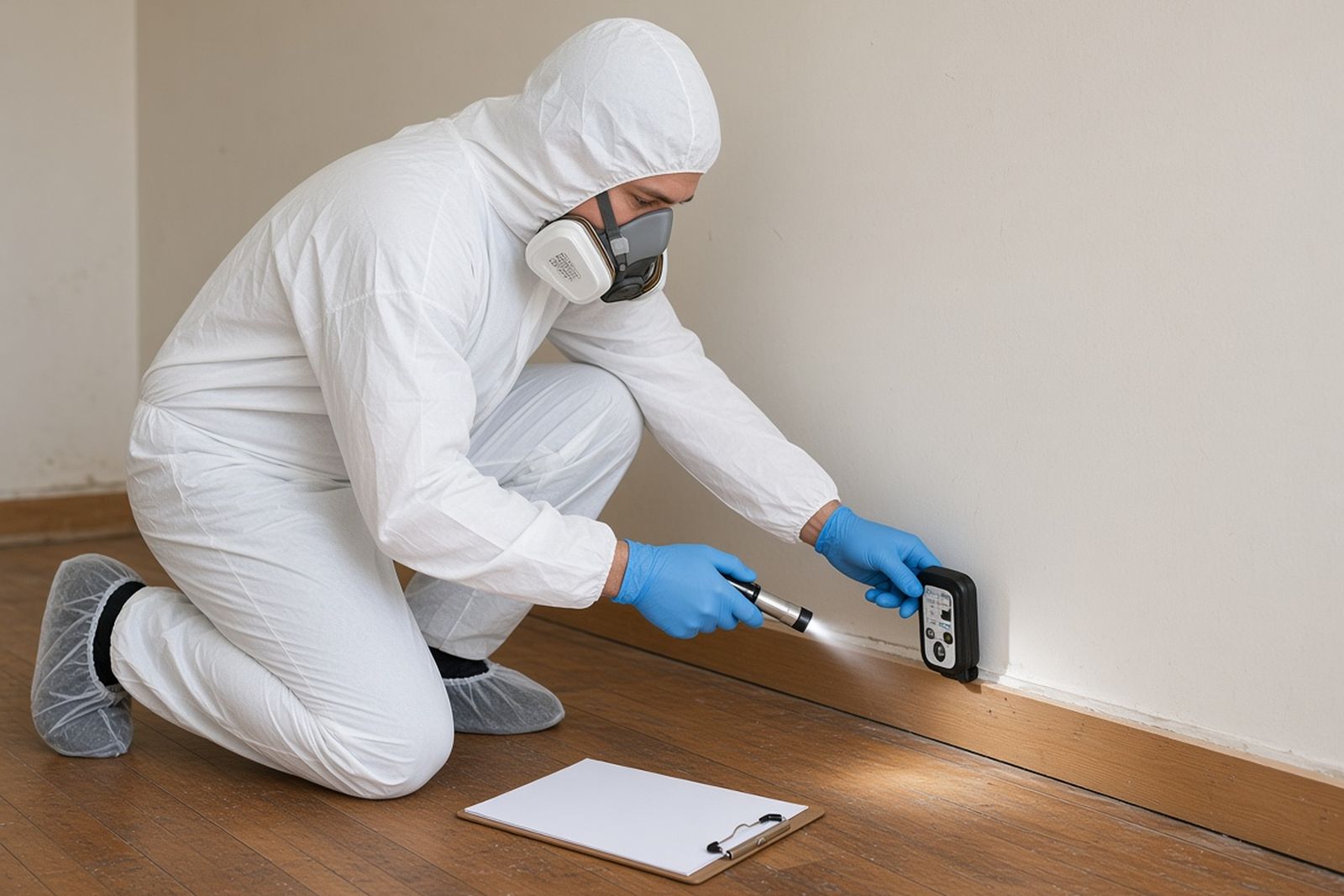
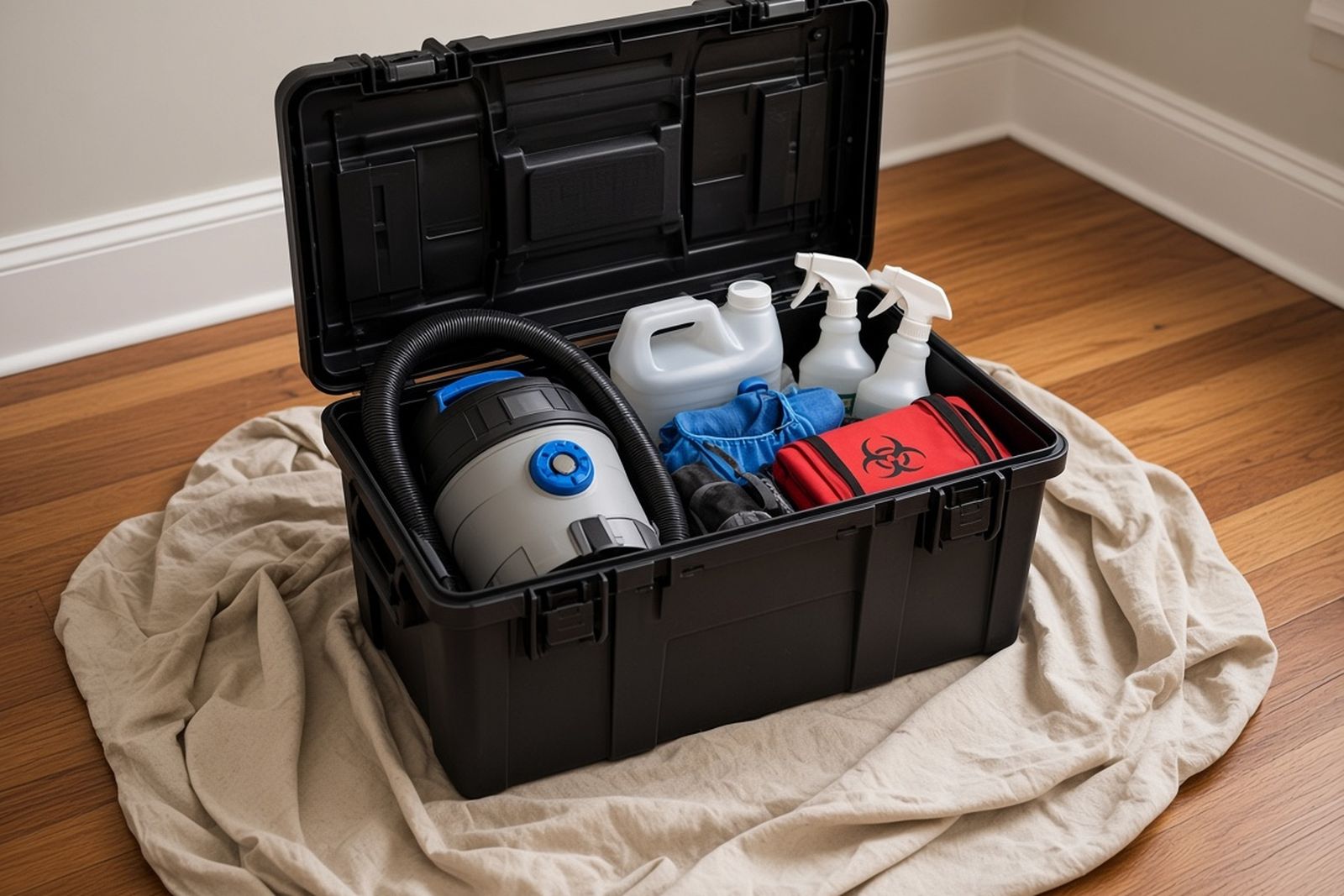
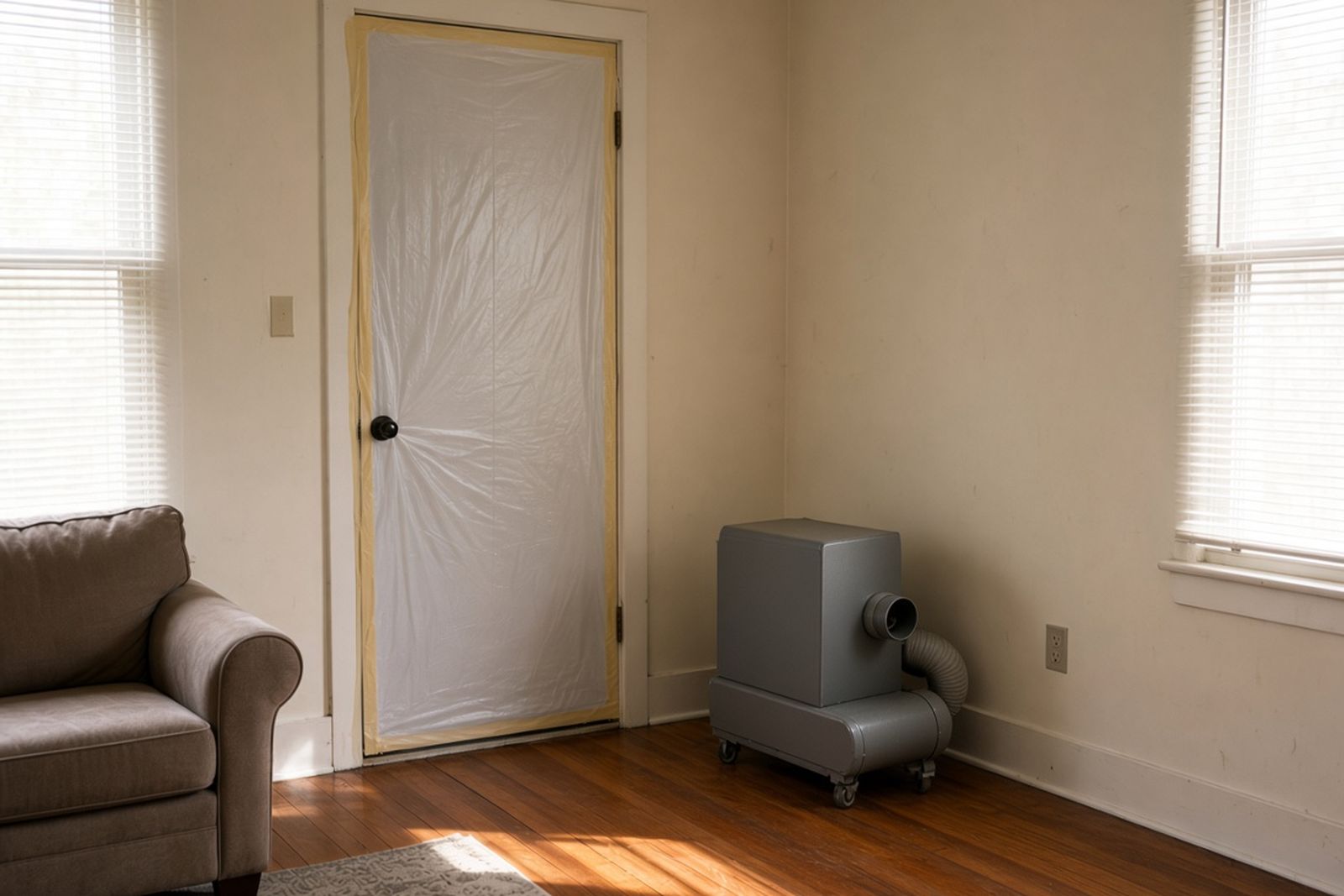
San Jose is a large Bay Area city of about 970,000 people, with many kinds of homes. There are towers downtown and in North San Jose, garden-style apartments across the valley floor, postwar tract homes, foothill lots on the east edge, and backyard units. After police release your home, the path of contamination depends on your building. Towers have elevator lobbies. Garden apartments have breezeways. Tract homes have slab edges. Sloped lots have outdoor stairs. Inland heat waves can dry residue into dust, and cooler days with ocean air slow drying. OSHA's bloodborne pathogen rules and EPA labels apply to every one of these jobs.
How the crew gets in changes with your address. In a tall building, ask for a freight or padded elevator plan and covered hallways. In a garden-style community, cart paths should skip playgrounds and shared laundry rooms. On a foothill street, you may have only a short driveway apron above a slope. Privacy needs change too. On a busy downtown sidewalk, strangers may see things. In a quiet suburban cul-de-sac, your neighbors notice any long setup. The same tools help everywhere: bins no one can see into, covered carts, and notices that stick to facts.
Your records need to hold up for a landlord, an HOA, a corporate housing manager, an insurer or an estate representative. San Jose's rental market moves fast, shaped by tech jobs. For local questions, try the health pages run by the City of San Jose and Santa Clara County. Ask for photos of any shared areas used to carry things out, and a list of each product with how long it stayed wet. Paint, cabinets and new floors are a later job, billed apart from the biohazard work. If your building sends notices in more than one language, every version should be free of graphic details.