Manhattan, NY

Hoarding Scene Cleanup Planning in Manhattan, NY

What to do, who to contact, and what to ask in Manhattan.

Manhattan hoarding cleanup help: open bedroom exits first, move sealed bags by freight elevator, and keep the records your co-op board will expect.

Get an email reply about hoarding scene cleanup

Send a short message to the follow-up inbox. A coordinator can reply by email. This form does not send emergency help; call 911 first if anyone is in danger.

Tell us what you need help with. Share a short description; please leave out medical details, access codes, and other sensitive information.

A request does not confirm a booking. For immediate danger, contact local emergency services.

Or email info@roombyroomrecovery.com

The short answer for Manhattan, NY

In a Manhattan high-rise or prewar co-op, everything leaves by elevator, so your cleanup turns on bookings, sealed bags, and paperwork your board will accept. Open the way from the bedroom to the apartment door first. Then ask about the wall heating and cooling units, and keep the letters and photos your building will want to see.

What to do, step by step

  1. 1

    Get the building's approval and name who decides

    Ask your managing agent for written approval of the elevator use and the hours. As a separate step, name who may approve throwing out what's in your unit. Then walk from the bedrooms to the apartment door and the bathroom, and photograph each blocked spot. Have the crew uncover the smoke detectors. Write down who holds the keys before bulky removal starts. A lockout halfway through the day can leave your sealed carts stuck in the hall.

  2. 2

    Ask for sealed loads on every elevator trip

    Insist on sealed containers every time anything goes up or down. The freight elevator is best. If you can't get it, the crew can hang pads in a passenger car and run it off-peak. During dusty work, a careful crew stays aware of the trash chute and the utility shafts. Carts get cleaned before they leave your floor. Ask for a photo of the hallway floor covers for your board file, to show that protection went in before the first bag moved.

  3. 3

    Sort at a pace your family can handle

    Keep the wall units off while dusty piles come down. Set up the sorting stations inside your apartment. Prescriptions, IDs, and your co-op or lease papers go into a sealed tote before the first freight run. Items you disagree about go into dated hold boxes, with photos for heirs who live far away. Family who arrive without masks or gloves should keep their hands out of nests. Take keepsakes one room at a time, so nobody faces a flood of snap choices.

  4. 4

    Hand the board an honest file

    Gather your exit photos, the elevator protection pictures, the waste notes, and the notes on the air filters. Add a move-out statement that lists any remodel work still open. Cleaning steps should be kept apart from remodeling your board has approved. No company should tell you that an odor machine equals clearance. Ask for the file in a form your board can keep next to its alteration agreements.

What cleanup is like in Manhattan

Midtown service elevators, prewar buildings on the Upper West Side, and downtown loft conversions share one limit. Everything you send out leaves through a shaft that doormen and neighbors across the courtyard can watch. Wall heating and cooling units, often called PTACs, and bathroom fans can spread dust if they run while piles come down. Tourist crowds on the sidewalk cut the minutes your crew can use the curb. So a sound plan starts with your managing agent's work order and your apartment's exits. It doesn't start with a scent machine that hides dirt still in the room.

FDNY and the NYC Department of Health and Mental Hygiene post help on safety and health in the home. HPD pages add context on housing conditions. Be wary of any company that sells you a borough lab number for everyday clutter. Your board will still expect photos at each step, waste notes, and permission letters. That's true even when no clearance stamp exists. Ask that soft goods ride sealed in the elevator. Loose fabric in a passenger car is how dirt reaches your neighbors.

Estate sales and co-op interviews call for a lot of paperwork, so start your file on day one. Ask for stations inside your apartment labeled Keep, Donate, Let go, and Special disposal. Move medicine into a sealed tote early. If heirs disagree, dated hold boxes buy you time. A cleanup crew can't diagnose anyone, and it shouldn't try. Once the unit is emptied, have pest sealing, floors, and new filters each written up as a separate job. That way nobody mistakes your cleaning bill for a remodel.

What to expect for your type of home

  • Prewar elevator co-ops: Your board expects a paper trail. Get the managing agent's approval for elevator pads, hours, and hallway floor covers before any hauling, and keep a copy for your file.
  • Midtown high-rises with service elevators: Book the freight elevator early. If you can't get it, ask for a written plan to pad a passenger elevator and run it at quiet hours.
  • Downtown loft conversions: Big open rooms can hide a blocked bedroom at the back. Ask for the lanes from the bedrooms to your apartment door to be opened before deep sorting.
  • Doorman buildings: Ask that bags go out through the service entrance, so they never pass the package room or the lobby seating where your neighbors wait.
  • Apartments with wall heating and cooling units: Ask the crew to turn off or seal the units and fans during dusty work, when it's safe and your building staff agree.
  • Apartments with heavy book collections: Stacked paper is heavy. If a floor bounces or a door sticks in a room, ask the crew to pause there until someone qualified looks.

Papers and records to keep

  • The managing agent's approval for logistics, plus a letter from the person who can approve discards
  • Photos of your bedroom exits before and after the lanes open
  • Photos of the freight or passenger elevator with its protection in place
  • Notes on the wall units or filters, if the air system was part of the job
  • A signed list of the sealed tote: medicine, IDs, phones, and laptops
  • A record of which bags went down as trash, recycling, needles, or special waste
  • A list of the hold boxes, with a date and photo for each
  • A board file that keeps cleaning apart from unfinished remodel work

Local offices and official help

Common questions in Manhattan

Why does the crew care about our wall heating and cooling unit?

Because it moves air. A PTAC is a heating and cooling unit set through the wall. It and the bathroom fan can push dust into the hall, or blow it around a sealed apartment, if they run while piles come down. Ask the crew to keep them off during dusty work when it's safe. Have the filter's condition noted for your board file. Many odor fights between floors start with air moving where it shouldn't.

What will our co-op board look for in the cleanup file?

Expect the board to look for permission letters, exit photos at each step, pictures of the elevator protection, and waste notes. It may also want a move-out statement that lists unfinished remodel work. A bill that only charges for fragrance should worry you both. If disputed belongings remain, include the dated hold box log. Good records protect you and the other shareholders, and they never need to describe the person who lives there.

Is there a test or number that proves the apartment is clean?

Don't count on a borough lab number for everyday clutter. What you can rely on is written consent, open exits, checked waste, and a record of hard surfaces cleaned. If a city agency sends you a written order for your address, follow it and file it. An apartment that merely looks fine may not satisfy a high-rise sale. In a co-op interview, an honest file will serve you better than a spoken promise.

Our heirs live far away. How can they approve what goes?

Send them photos a few rooms at a time. Ask for replies by a set date, and keep anything they don't answer about. Medicine and ID cards come first, the same day. If a neighbor or distant cousin tells the crew to toss everything, a good crew waits for the person with legal authority. Keep a log of each choice. Checks for needles and nests go on at their own pace while keepsake choices wait.

We're selling the co-op after the cleanout. What do we tell buyers?

Tell them what was done and what is still open. Buyers and boards often ask for the cleanup file, so give them the photos, the waste notes, and a clear list of unfinished remodel work. Don't advertise the unit as "fully remediated" if rebuilding hasn't happened. Keep your permission letters with the file. Honest records cut down on interview questions, and they show that the shared halls were protected during hauling.

What do we say to the doormen and the super?

Tell them only what they need: which days, which elevator, and where bags will be loaded. Doormen, porters, and supers see who comes and goes, and many of them care about the people in the building. Ask them not to talk about the work with other residents. If staff are asked to help carry, make sure they have gloves and aren't handling dangerous waste. A thank-you afterward goes a long way.

The apartment is full of books, records, and papers. What should we do with them?

Look before you toss. Manhattan apartments often hold big collections of books, records, and work files. Check for anything with personal, money, or historic value, such as letters, manuscripts, or signed editions. Libraries, archives, and used booksellers may want some of it. Damp or moldy books shouldn't be donated. Files with personal details should be shredded and not put out with the regular recycling.
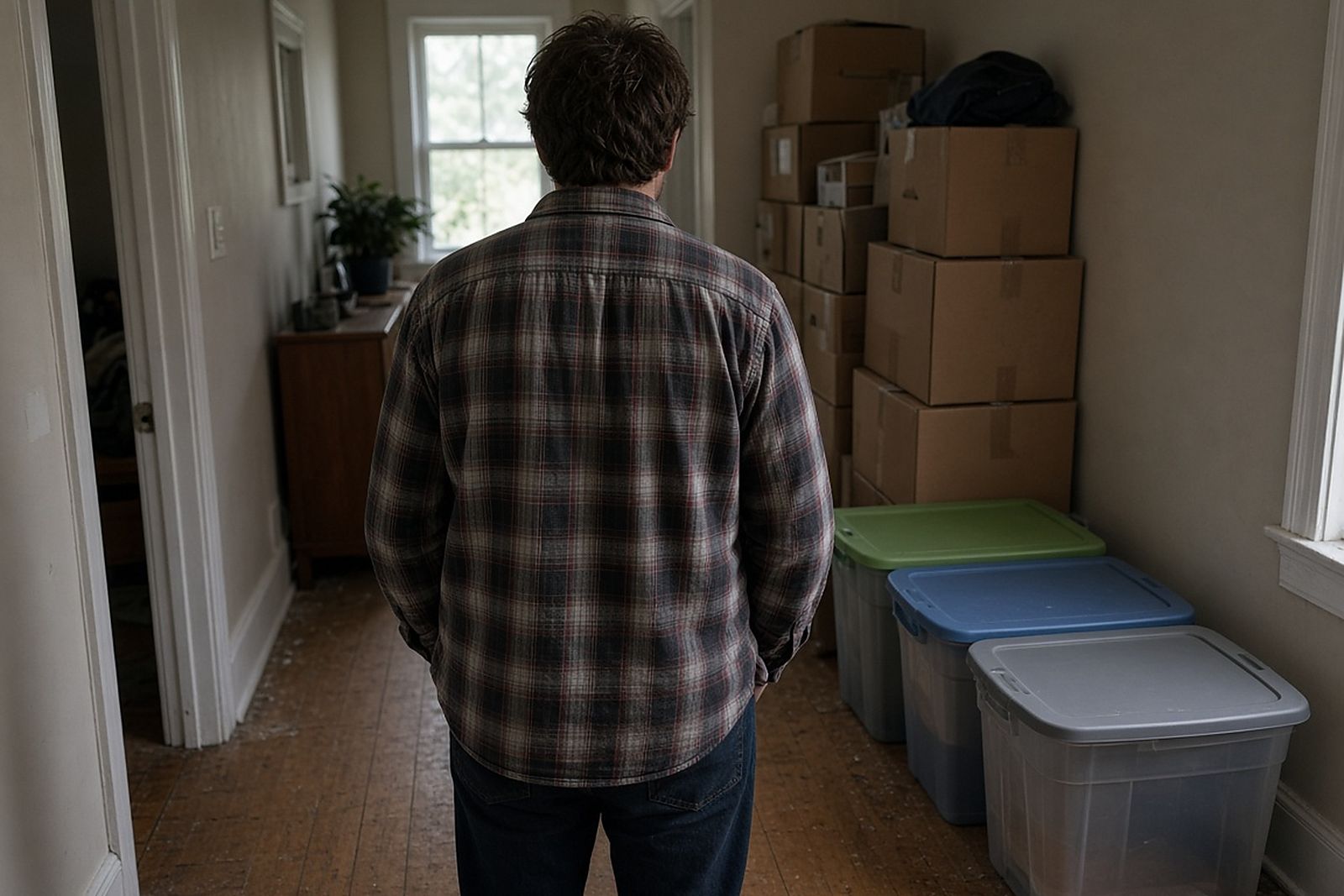
Person seen from behind in a hallway beside stacked boxes and three colored sorting bins
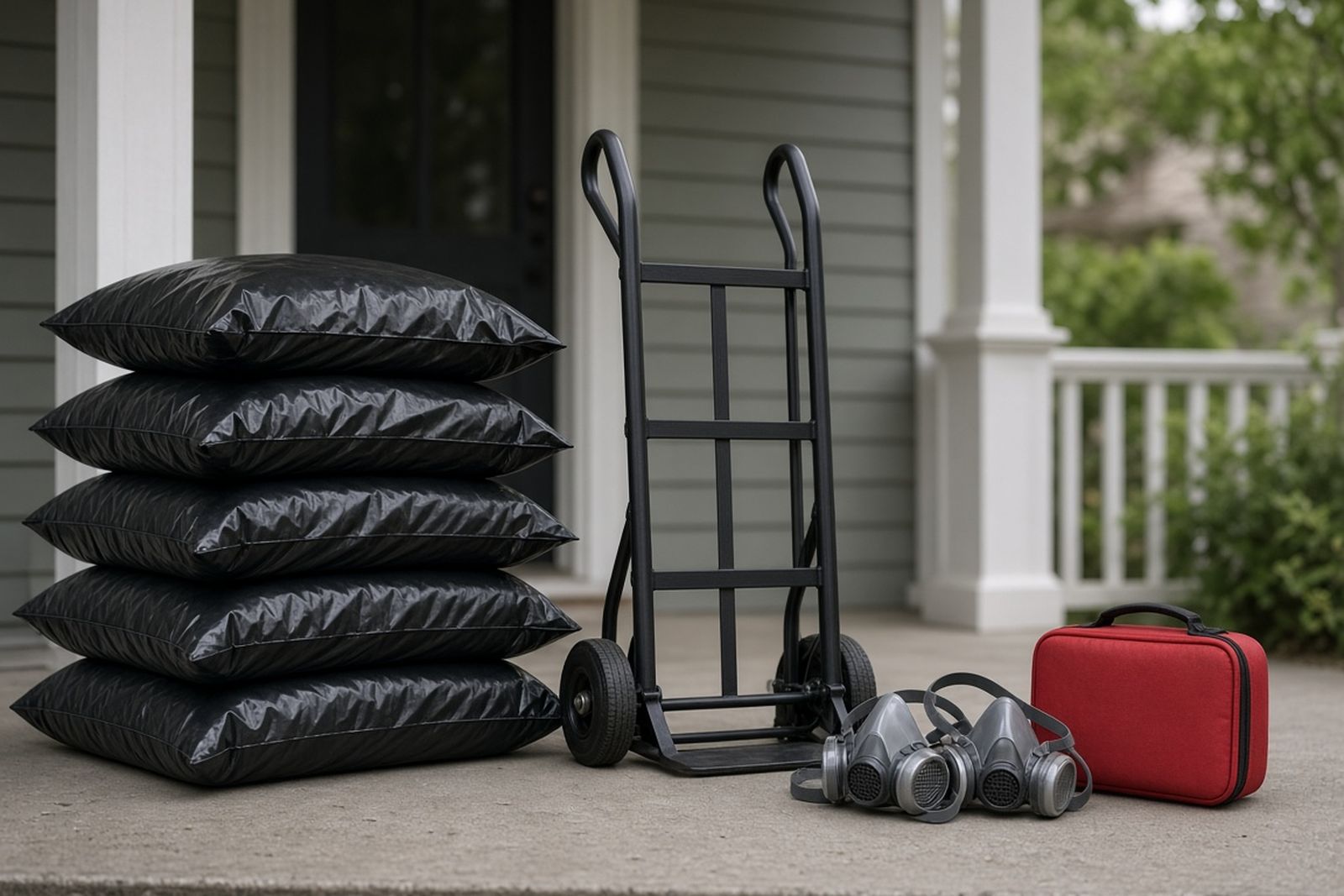
Contractor bags, a hand truck, respirators and a first-aid kit staged on a porch

Facts worth knowing

  • At one New York City eviction-prevention group, 32% of the 25 clients with hoarding were in legal eviction proceedings at the time.

    Why it matters: Hoarding can put a tenancy at risk, so if you get a notice, act quickly and ask for help before a court date.

    Source: Rodriguez et al., 2012

  • In one English council's 38 recorded hoarding cases in 2021, 34% were noted as a fire and environmental risk.

    Why it matters: Ask that your cleanup starts with exits, walkways and areas near heat sources, where fire risk may be highest.

    Source: Porter et al., 2022

  • In a large online survey, 8–12% of people who hoard and their family members reported an eviction or eviction threat due to hoarding.

    Why it matters: If you rent, hoarding may lead to an eviction notice, so ask your landlord exactly what must be fixed and by when.

    Source: Tolin et al., 2008

Tools that help right now

What would you do?

Poll results

Vote to see how other people answered. You can change your answer at any time.

Your experience

If a relative's home had become unsafe, what would be your first step?

Be the first to vote
Process

How much control should the occupant keep over what leaves the home?

Be the first to vote

Need help in Manhattan?

Send a short message about the property to the follow-up inbox. A coordinator can reply by email with next steps.

Your request is sent to the follow-up inbox. A coordinator can reply by email.

If anyone is hurt or in danger, call 911 first.