Direct answer
What should a property decision-maker know in Sacramento, CA?
Sacramento methamphetamine residue work is a chemical-clearance problem under California Health and Safety Code Chapter 6.9.1, not a paint-and-carpet turnover. Sampling plans, porous-material decisions, HVAC pathways, and written lab results against the state reoccupancy standard drive whether a Central Valley rental, single-family home, or multi-unit address can be re-rented or sold with a defensible file.
This Sacramento, CA page is an educational meth lab cleanup planning guide. It does not claim a brick-and-mortar office, local crew roster, or promised response time in Sacramento.
Editorial guide · Biohazard Remediation NetworkUpdated 2026-07-22Location focus: Sacramento, CA
Local planning context
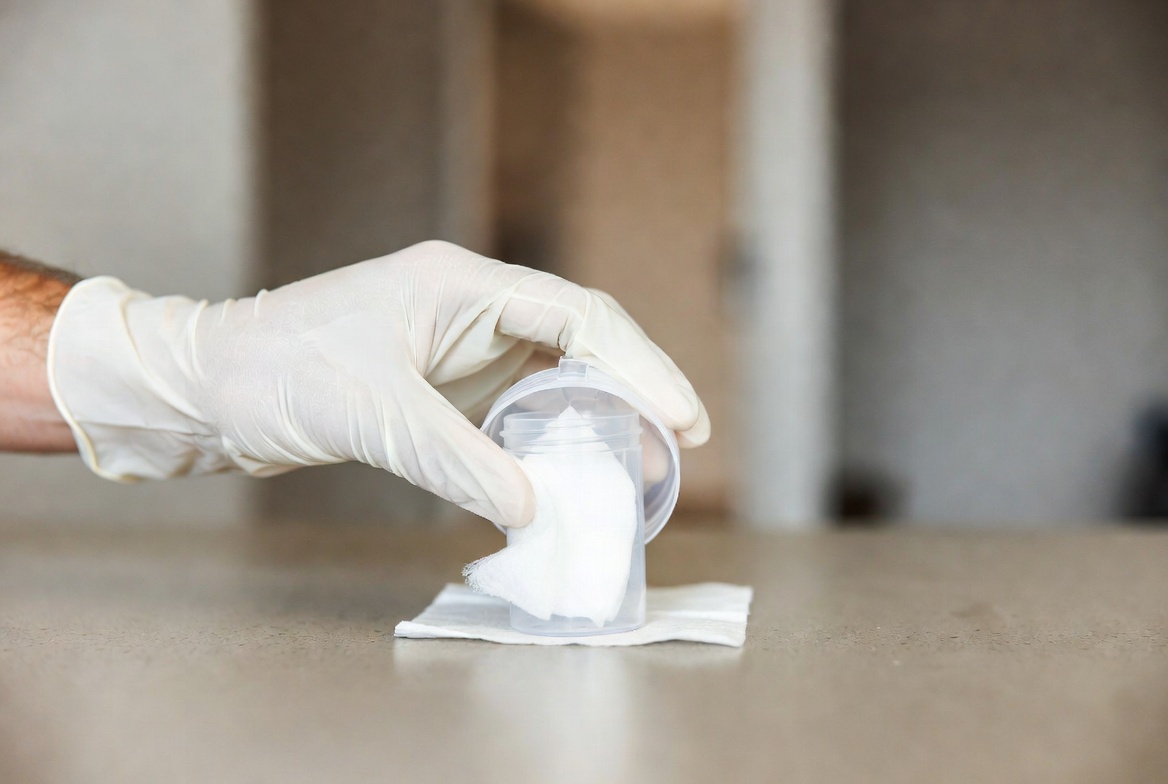
Sacramento sits in California’s Central Valley with a large stock of single-family homes, older apartments near the grid, and suburban rentals tied to state-capital employment. Meth residue questions here usually arise after law-enforcement involvement, a vacant unit with cooking indicators, or a landlord discovering heavy use debris during turnover. California treats methamphetamine-contaminated property as a regulated chemical issue: Health and Safety Code section 25400.16 states that property contaminated by methamphetamine laboratory activity is safe for human occupancy for purposes of that chapter only if methamphetamine on an indoor surface is less than or equal to 1.5 micrograms per 100 square centimeters. If laboratory activity involved lead or mercury compounds, additional lead and mercury criteria in the same section also apply. Separately, property contaminated by fentanyl laboratory activity is safe for human occupancy for purposes of that chapter only if the level of fentanyl on an indoor surface is below the detection level—until a state or federal agency adopts a health-based target remediation standard for fentanyl. Do not assume the methamphetamine 1.5 µg/100 cm² criterion covers every lab chemistry. That statutory framework—not smell, not a retail disinfectant wipe—is the clearance conversation for Sacramento addresses subject to the chapter’s pathway.
Local implementation often involves the county environmental health / local health officer process described in the Methamphetamine Contaminated Property Cleanup Act framework: posting, remediation orders, preliminary site assessment work plans, authorized contractors, and Certified Industrial Hygienist involvement where the statute requires it. Sacramento County Environmental Management Department is the CUPA for hazardous materials programs in the county and is a practical contact when waste characterization or hazmat questions overlap a former lab site. DTSC’s Illegal Drug Lab Removal Program addresses bulk hazardous substances discovered by law enforcement; property owners still face residue remediation and clearance documentation after gross chemical removal. Distinguish illicit manufacturing (solvents, precursors, stained plumbing, cookware, pH extremes) from use-only contamination (smoking residue that can still load soft goods and ducts). Manufacturing indicators expand sampling and waste scope; use-only sites still need wipe data before claiming the unit is clear for the next household.
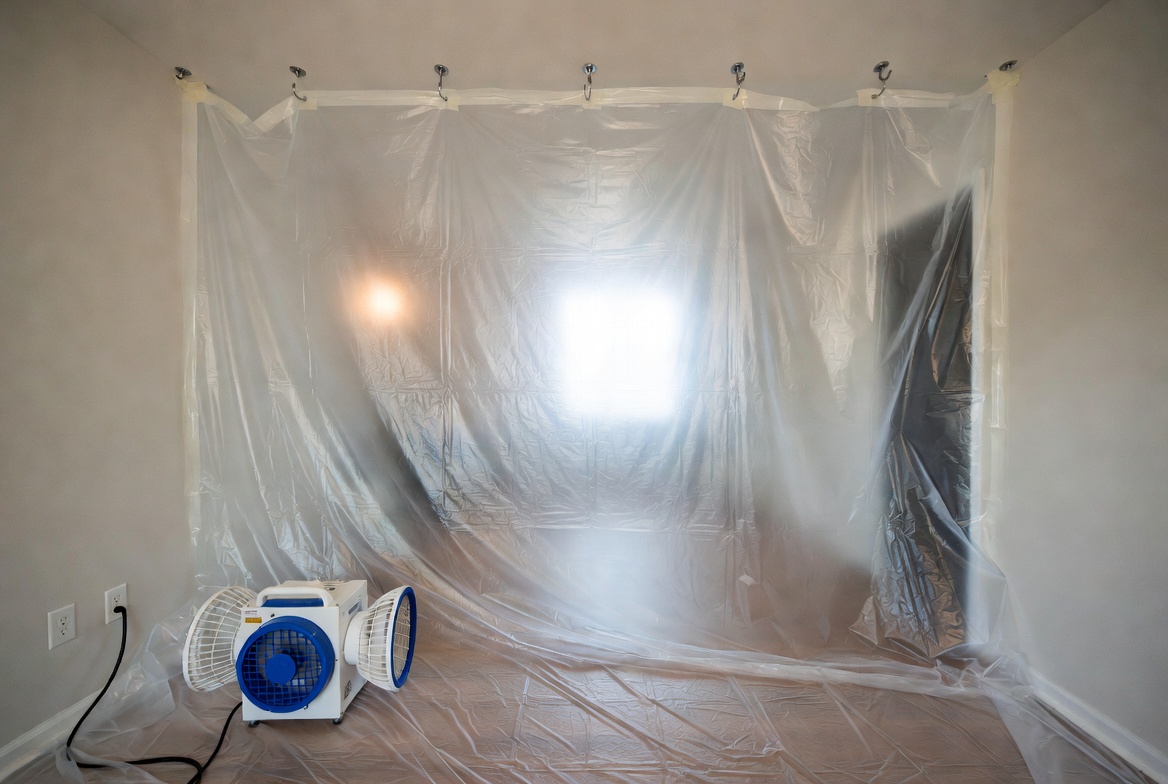
Property transactions in the Sacramento metro commonly stall when a buyer, lender, or insurer asks for wipe results and a written remediation narrative. Central Valley summer heat and closed-up vacant homes can concentrate odors that are not themselves clearance, while winter rain and older HVAC systems can move particulate through shared returns in duplexes and garden apartments. Cross-contamination risk is real when crews dry-sweep, use ordinary vacuums, or stage contaminated contents in hallways. Plan isolation of the affected unit, HEPA methods, and separate clean/dirty pathways before any demolition or washing begins. Keep disclosure and landlord files honest: cosmetic reset without lab clearance is not the same as meeting California’s indoor-surface standard.