San Diego, CA

Meth Lab Cleanup in San Diego, CA: PCS Turnovers, Mesa Dust, and HSC §25400.16

What to do, who to contact, and what to ask in San Diego.

Meth residue in a San Diego townhome or apartment? See the state limits, how PCS dates and shared attics affect timing, and what to keep on file.

Get an email reply about meth lab cleanup

Send a short message to the follow-up inbox. A coordinator can reply by email. This form does not send emergency help; call 911 first if anyone is in danger.

Tell us what you need help with. Share a short description; please leave out medical details, access codes, and other sensitive information.

A request does not confirm a booking. For immediate danger, contact local emergency services.

Or email info@propertydeconguide.com

The short answer for San Diego, CA

If a San Diego unit you own or manage has a meth history, get wipe tests done before the next household moves in, even when a military PCS date is close. State law gives San Diego townhomes their numbers: 1.5 µg/100 cm² for meth. For fentanyl, the goal is nondetect until a health-based level exists.

What to do, step by step

  1. 1

    Start the review well ahead of the move-in date

    Photograph the unit and the garage. Write down any signs that meth was made there, or only used. Then ask the testing company to set the pass level under HSC 25400.16 for the chemicals your townhome shows. Tell the housing office when you need access, but do not promise the incoming family an arrival date yet. Each set of wipes should go to an accredited lab with its own chain-of-custody form. Ask how long the lab takes, so you can plan the handoff around real dates and not hopes.

  2. 2

    Have soft items bagged before they cross the courtyard

    A good crew seals off the unit first. Soft items are bagged before anyone carries them across the courtyard. Soft materials that soak up residue are removed, and hard surfaces are washed with detergent. A HEPA vacuum, which traps fine dust, does the rest. Ask that no one dry sweep, since it mixes mesa dust with residue. If your garage holds solvent cans, the waste must be checked under California rules before disposal. Let the neighbors on your courtyard know the work hours, so doors and windows along the path can stay shut.

  3. 3

    Ask about attic returns shared with the units next door

    The unit's air handler should be off, and its filters replaced. Ask the company to check attic returns that may connect to the units next door. Openings should be sealed before heavy tear-out starts. Tools are cleaned before they leave the courtyard. If your townhome is one of a row, tell your HOA or the owners beside you what is planned for the shared attic. You do not need to give details. A short note on dates and the sealing work is enough, and it heads off worry later.

  4. 4

    Keep the results in a turnover binder

    If final wipes fail, expect another round of removal or washing before keys change hands. Build that chance into your dates. When the results pass, ask for the lab pages, the sample map, and the comparison to HSC 25400.16. Store them in the unit file for the next PCS or civilian lease. If a new tenant asks what was done, you can show the pages. Airing out with open windows does not meet HSC 25400.16, however good the unit smells afterward.

What cleanup is like in San Diego

Mesa garden apartments, canyon-edge townhomes, and military PCS moves mean units here turn over fast. Your case may start with smoking debris in a vacant unit, or solvent cans in a garage storage room. Or a buyer's inspector may want wipe test PDFs before dropping a contingency. HSC 25400.16 sets the state rules for moving back in after lab activity. Meth must be at or below 1.5 µg/100 cm² on indoor surfaces. If the lab used lead or mercury, limits for those metals apply too. For fentanyl, a townhome must test below detection until California sets a health-based level. Santa Ana dust outdoors tells you nothing about indoor wipes.

The San Diego County Department of Environmental Health and Quality is the county health office. After police notify it, it handles health-officer postings and orders. DTSC removes bulk chemicals found during raids. But the carpet pad and attic dust are still your job as owner or property manager. A unit where meth was made needs a bigger waste review. A unit where people only smoked can still fail wipe tests on sofas and air return grilles, especially when it was kept shut. Your neighbors can be affected too. If open bags are carried across a courtyard, residue can land on nearby doormats and entry tiles.

PCS move dates put heavy pressure on your schedule. If you house military families, you still need lab results before the next household moves in. So start the testing as early as you can, and be honest with the incoming family about dates. A good crew closes off the unit and maps the attic air ducts that often link Southern California row homes. Keep a turnover binder ready, so the next lease does not wait on missing papers. Under California law, a dry climate or open windows do not count as clearance.

What to expect for your type of home

  • Rentals with PCS turnovers: Plan your key handoffs so testing happens before the new family arrives. Give the testing company the move date on your first call, so the dates can be lined up.
  • Mesa row homes: Ask for samples in the garage, patio storage, bathrooms, and attic air returns. These homes often have all four, and each one can hold residue.
  • Units with older carpet: Set aside money to pull dusty carpet and pad if early wipes show meth. Ask for those early results in writing before you choose what stays.
  • Townhomes in a row: Find out if attic spaces connect your townhome to the ones beside it. Shared attics change the plan, so say so before tear-out fans are switched on.
  • Units with garage storage: Garage solvent cans tell a different story than smoking foils do. Ask that each be tagged on its own, so your waste papers stay clear.
  • Military and civilian leases: Keep the HSC 25400.16 comparison sheets in your turnover binder. The same sheets serve either kind of lease, and the next manager will need them.

Papers and records to keep

  • PCS or lease move dates, noted next to your sampling dates
  • The police letter saying the townhome was released, and any order from the county health officer
  • A unit and garage floor plan showing wipe spots and attic return locations
  • The townhome's meth or fentanyl results from an accredited lab, showing each detection limit
  • The HSC 25400.16 comparison for the chemicals that were found
  • Photos of sealed bags leaving through the courtyard
  • Notes on attic sealing and HVAC filter changes for the row homes
  • The manager's turnover binder, where the last clearance pages for the townhome are stored

Local offices and official help

Common questions in San Diego

Do PCS move dates change California's meth clearance number?

No. A PCS report date can feel urgent. But the townhome still has to meet the state wipe limits before the next family arrives. Test early enough that no incoming family is placed before lab results come back. If the dates are tight, tell the family and the housing office as soon as you know, so they can plan. Moving fast is not the same as passing.
Why do attic returns matter in my townhome row?

Because many Southern California row homes share attic space. When fans run, dust can move from one unit to the next. The returns tied to the unit being cleaned should be closed off and tested. Courtyard doormats next door may also show tracking if bags were left open. If you repaint and turn over the unit while attic dust is still loaded, clean rooms can get dirty again. Write down your attic choices in the turnover binder.

What should I do about solvent cans in the garage of a vacant unit?

Do not pour out or move unknown chemicals yourself. If they look like lab waste, call the police, so the right DTSC process can be used. Solvent cans are signs of cooking, which widens the hazardous waste work. Even after DTSC or police take the bulk chemicals, you still need your own wipe test file as owner. Take photos of the shelves from a safe distance.

Does San Diego's dry climate help with meth residue?

Not in a way that counts. Dry air may make some odors harder to notice, but fine residue dust still settles in carpet and ducts. Dry dust mixed with residue can get stirred up again by dry sweeping. HEPA vacuums and wipe tests still guide every choice. Do not point to the climate in place of an HSC 25400.16 comparison. Keep the lab PDFs in the unit file in every season.

What should I keep after cleaning a unit where people only smoked?

Keep the same file you would for any residue job. For the townhome, that means the plan and the custody chain, lab numbers checked against HSC 25400.16, removal lists, and waste records. Add attic and HVAC notes and any letters from the health officer. A unit where people only smoked can still fail meth wipes. A short memo on whether meth was made or only used helps the next manager. Do not rent to a new household just because it smells of fresh paint.

Should balconies and patios be on the wipe map?

Yes. San Diego's mild weather means many people smoke on balconies and patios, so residue can build up there too. Ask that sliding door tracks, patio furniture, and nearby window frames go on the wipe map. Fabric outdoor cushions are usually thrown out. If balconies are stacked, ask if residue could reach the units above or below. Wash water from outdoors should not run into storm drains, so it is collected. A full map shows your future tenants that outdoor spaces were checked.

Can cleanup be scheduled year-round in San Diego?

Usually yes, which is a plus compared with hotter or colder places. Workers can wear protective gear most of the year without heat stress, and windows can stay closed without much discomfort. Late-summer heat in inland neighborhoods and the odd Santa Ana wind are the exceptions. Most delays come from lab wait times, tenant move dates, and HOA approvals. Put those on your calendar, and allow for at least one round of retesting.

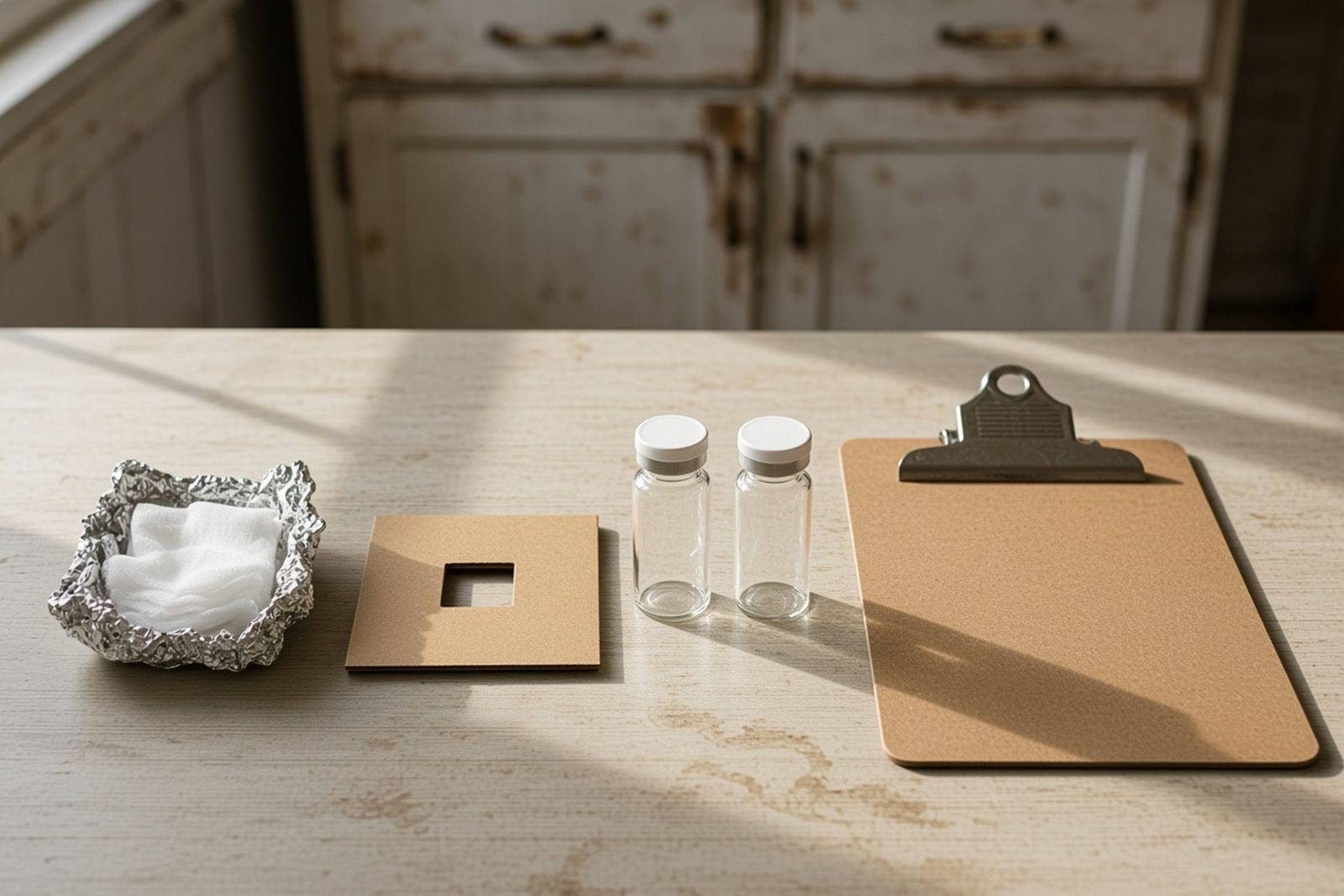
Wipe-sampling supplies on a counter: gauze in foil, a sampling template, vials and a clipboard
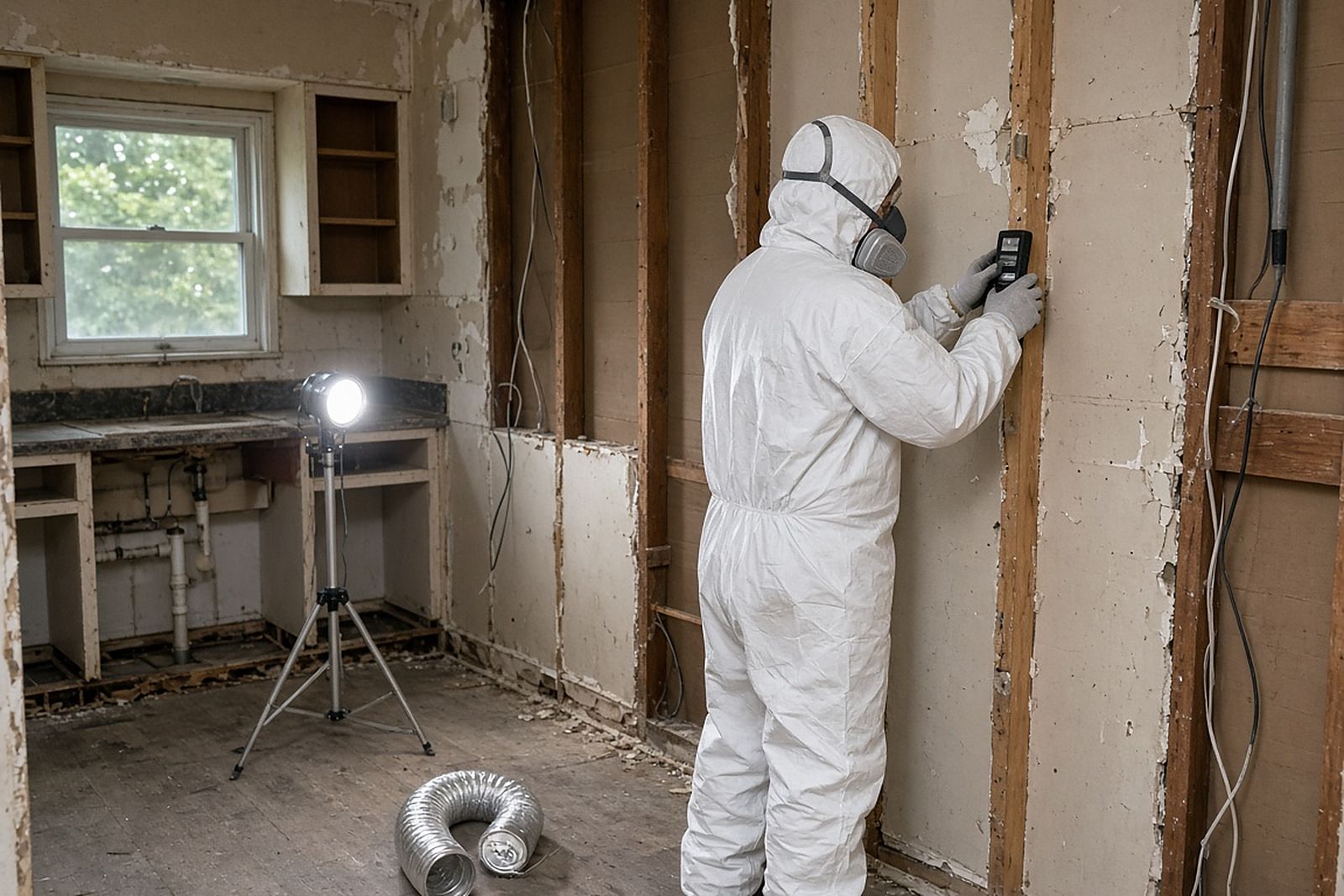
Technician in a respirator checking exposed studs in a gutted kitchen with a work light and duct

Facts worth knowing

  • As of March 2013, 25 states required or recommended cleaning former meth labs to set limits, ranging from 0.05 to 1.5 micrograms of meth per 100 square centimeters.

    Why it matters: "Clean" means different things in different states, so ask which limit applies to your property and get test results showing it was met.

    Source: Ohio Department of Health, 2016

  • A federal review found the most common state limit for meth left on surfaces after cleanup is 0.1 micrograms per 100 square centimeters.

    Why it matters: Compare the numbers on your after-cleanup test report with this limit or with your own state's limit.

    Source: NIOSH (CDC), 2020

  • In one Australian family living in a former meth lab, the 7-year-old's hair held 460 picograms of meth per milligram, versus 17 for the mother and 5 for the father.

    Why it matters: Young children may absorb far more residue than adults, so consider keeping your children out until the home tests clean.

    Source: CDC MMWR, 2016

Tools that help right now

What would you do?

Poll results

Vote to see how other people answered. You can change your answer at any time.

Your experience

If a house you wanted had a documented lab cleanup that passed clearance, what would you most likely do?

Be the first to vote
Industry

Which factor would you weigh most when choosing a meth cleanup contractor?

Be the first to vote

Need help in San Diego?

Send a short message about the property to the follow-up inbox. A coordinator can reply by email with next steps.

Your request is sent to the follow-up inbox. A coordinator can reply by email.

If anyone is hurt or in danger, call 911 first.