Washington, DC

Meth Lab Cleanup in Washington, DC: Co-ops, Alley ADUs, and DOEE Residue Files

What to do, who to contact, and what to ask in Washington.

Meth residue in a DC co-op, condo or row house? No District-wide microgram rule exists. See who to call and what your board or buyer will ask for.

Get an email reply about meth lab cleanup

Send a short message to the follow-up inbox. A coordinator can reply by email. This form does not send emergency help; call 911 first if anyone is in danger.

Tell us what you need help with. Share a short description; please leave out medical details, access codes, and other sensitive information.

A request does not confirm a booking. For immediate danger, contact local emergency services.

Or email info@propertydeconguide.com

The short answer for Washington, DC

If your DC co-op, condo or row house may have meth residue, first learn who controls access and make sure any chemicals are gone. Then ask for wipe tests and a pass level written for your address. No District-wide microgram rule exists, so your resale or re-rental file has to stand on measured lab results.

What to do, step by step

  1. 1

    Learn who controls access and get the pass level drafted

    Find out who controls access to your unit. That may be a co-op board, a condo association or you, as the owner of a row house. If chemicals were present, wait for the hazmat or fire department release. EPA’s voluntary guidelines can suggest a sensible order of steps. Your plan should state that the pass level is written for your address and is not a District microgram law. Ask that signs of cooking versus smoking be recorded before tear-out begins.

  2. 2

    Have the unit sealed off and soft goods bagged

    A good crew seals your unit off from the neighbors across the shared wall. Soft goods get bagged before they go into the alley or a passenger elevator. Nothing should be dry swept into a shared trash room. Any waste carrying chemicals gets a review before it leaves DC. Ask which route the bags will take and at what hours. In a co-op or condo, your managing agent may need that route in writing before the crew is allowed to start.

  3. 3

    Ask about PTACs, trash rooms and shared walls

    Ask that trash room and chase openings tying stacked flats together be capped. Carts should be cleaned before they roll through the lobby. Masks and respirators should be chosen for the solvents and dust in your home. Have the PTAC filters changed and noted. After washing, residue that travels through stacked building cores is a common reason later wipes fail the written goal. So ask how the crew will keep the cleaned rooms closed off until final tests are taken.

  4. 4

    Assemble the packet for your board or buyer

    Ask for the chain-of-custody forms, which show with signatures who held each sample. Add mapped lab PDFs, waste records and photos of alley or elevator staging. Include a written account of cooking versus use. The packet should explain that the results describe your property, since no District-wide meth microgram rule exists to comply with. Failed spots need a retest. Store the packet with your co-op transfer or condo resale papers. A bill for fragrance is not a clearance.

What cleanup is like in Washington

In the District, a co-op share on Capitol Hill, an owned unit in a Northwest tower and an alley dwelling each handle paperwork their own way. The chemical problem is the same. You may have found out when your co-op board asked for environmental papers partway through a transfer. A buyer’s inspector may have found smoking debris in an alley unit, or police may have released a flat that held process chemicals. No District-wide numeric meth law for moving back in is cited here. So you, your board and your buyer should tie a written pass level to your address. Include any board letter or contract clause.

DC Health is your public health contact once a scene is stable. The Department of Energy and Environment, known as DOEE, covers hazardous waste and environmental questions when tainted materials leave the lot. DEA guides on secret labs explain the hazards of cooking. Signs of cooking make the waste review bigger. Think solvent cans, etched glassware and stained plumbing. Smoking alone still soaks plaster lath, upholstery and dust in wall heat-and-cool units, called PTACs, in tightly closed row house rooms. Stacked trash rooms and narrow alleys make an uncovered bag-out a real problem for your neighbors.

Closings in DC lean hard on paperwork. Your lender and board will ask for mapped lab PDFs, even though no District microgram law exists. That means the file is worth as much to you as the cleaning itself. Ask the company to keep its notes on cooking versus use honest and plain. Then your lawyer can weigh the disclosure wording against measured conditions, not smell. Be careful with anyone who markets a “DC clearance number.” No such number has been set, and quoting one could hurt your sale later.

What to expect for your type of home

  • Co-ops, condos and owned row houses: Confirm your type of ownership first. A co-op share, a condo unit and a deeded row house each need a different board or closing packet, so settle this before papers are drafted.
  • Any District address: Ask for a wipe pass level written for your address. There is no District-wide numeric meth law for moving back in, so this written level is what your results are judged by.
  • Row houses with alley dwellings or basement rooms: Ask that these go on the test map if the paths between spaces were open while the unit sat empty. Closed doors may allow a smaller job.
  • Plaster-era homes: Plan to throw out carpet, pad and soft furniture when wipe data show buildup on old plaster surfaces. Ask what the company would try to clean before it removes anything.
  • Elevator and alley buildings: Have freight elevators or alley curb times booked, and ask for sealed containers. Otherwise dust carried through the lobby can coat units that were already cleaned.
  • Flats released by police: Ask that process chemical evidence be kept apart from smoking foils. The waste review then lines up with what DOEE expects for each type.

Papers and records to keep

  • Notes on approval from your co-op board, condo association or the owner
  • Hazmat or fire department release notes for your District address
  • Test plan for the District unit, with its pass level stated on the first page
  • Floor plan wipe map, with the alley dwelling or basement if they are part of the job
  • Notes on PTAC filters and how the trash room was sealed off

Local offices and official help

Common questions in Washington

Is there a District meth wipe standard for my co-op or condo?

No District of Columbia numeric meth law for moving back in is cited here, and none should be invented. EPA’s voluntary guidelines are technical advice. They set no federal microgram value for co-op flats, condo towers or alley dwellings. So you and your board put the pass level into a written plan. A board-ready plan cites an accredited lab, shows each sample on a floor plan and states detection limits. Save any board letter or contract clause that sets a bar for your property.
I own a co-op share, not a deed. Does that change my paperwork?

Yes, mostly in who reads it. Co-op transfers often send environmental questions to board lawyers and managing agents, who want mapped lab PDFs before they approve the share. Sales of owned homes focus more on the buyer’s review and the lender’s checks. Either way, an empty file is not excused. Include notes on cooking versus use, chain-of-custody forms and waste records. Ask a District lawyer about disclosure wording for your type of ownership.

Should my alley dwelling be tested apart from the main row house?

Often, yes. An alley unit can hold heavier use or cooking evidence while soft goods move through the main house. Your plan should say in writing why each space is in or out. This matters most if doors between the spaces stayed open while the home sat empty. Have the connections photographed before cleanup begins. If early row house samples find nothing and the alley unit’s paths were closed, the job can be smaller. Open paths mean more testing.

When should hazmat or DOEE come before any cleaning?

Whenever dangerous chemicals may still be on site. In the District, residue washing and move-in testing come later, only after the space is safe and released. When those phases blur, people end up wiping walls with hazards still in the room. Do not start early to save time. Store the chemical-removal shipping records beside the later wipe reports. Then your property’s full history is clear to a board, a lender or a buyer.

Why does my building care how debris moves through the trash room and elevator?

Because that is how residue reaches other floors. Tainted soft goods and tear-out dust can spread to lobbies when they move uncovered through passenger elevators or open trash rooms. In a District co-op, that spread can make your unit’s wipes fail. It can also start disputes with neighbors on your floor. Ask for photos of how the building core was protected. Skipped planning is a common reason a “cleaned” apartment shows residue on later testing.

My row house has an English basement rental. How is that handled?

Test both levels. Many District row houses have English basement apartments with their own entrances, but they often share ducts, water heaters or laundry with the floors above. If residue is found downstairs, test the main house too, near shared returns and the inside stair. If the problem is upstairs, check the basement. Keep your tenant informed in writing, and talk about short-term housing if needed. Separate results for each unit make future leases and sales clearer.

Does summer humidity in Washington slow the cleanup?

It can add time. Washington summers are hot and humid, and row houses with older windows and little air conditioning are hard on crews in protective gear. Expect heavy work early in the day, with regular water breaks. Humidity slows drying after washing, so allow extra time before final wipes. Windows should stay shut when neighbors are close, with dehumidifiers used instead. Debris removal may be planned around afternoon thunderstorms.

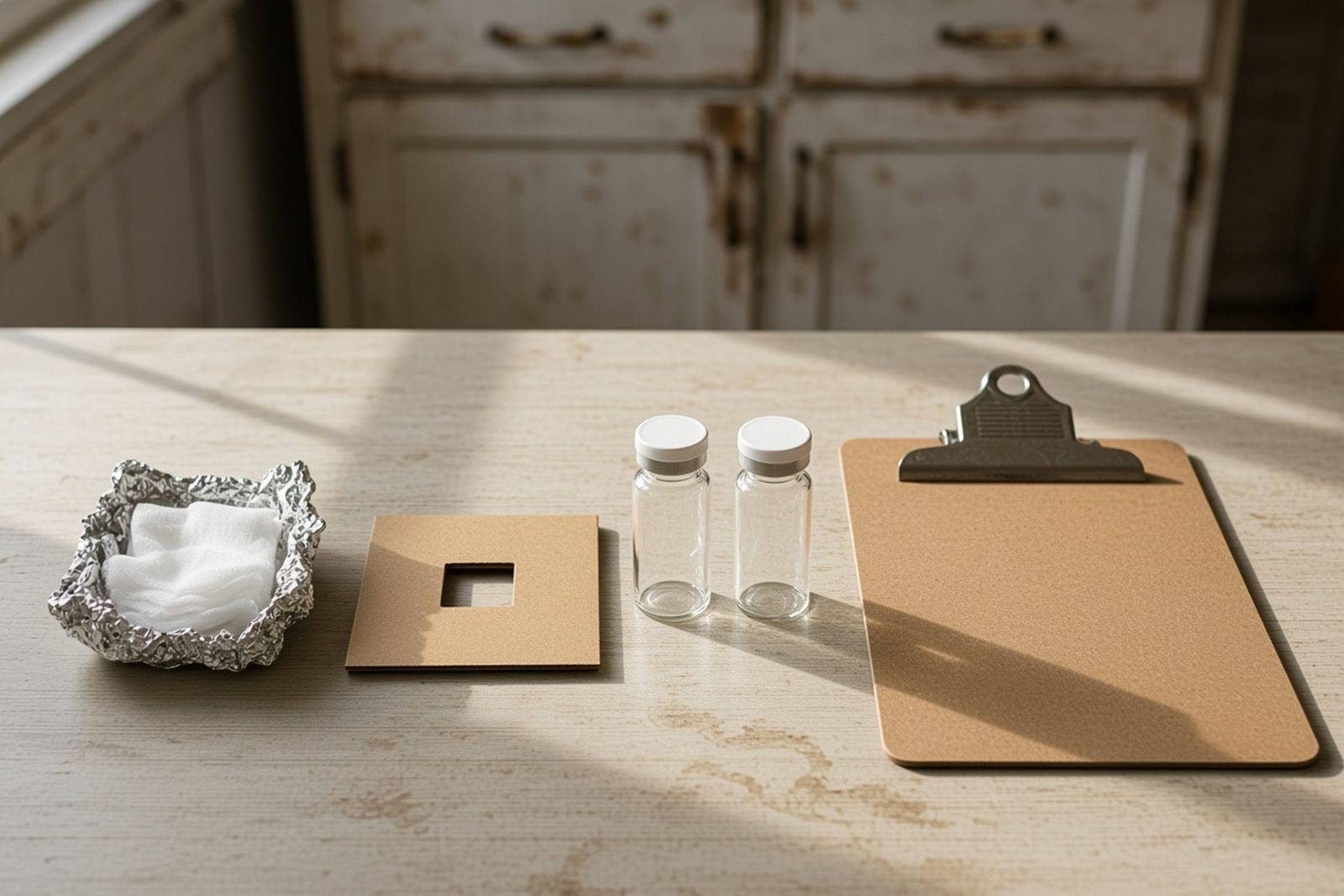
Wipe-sampling supplies on a counter: gauze in foil, a sampling template, vials and a clipboard
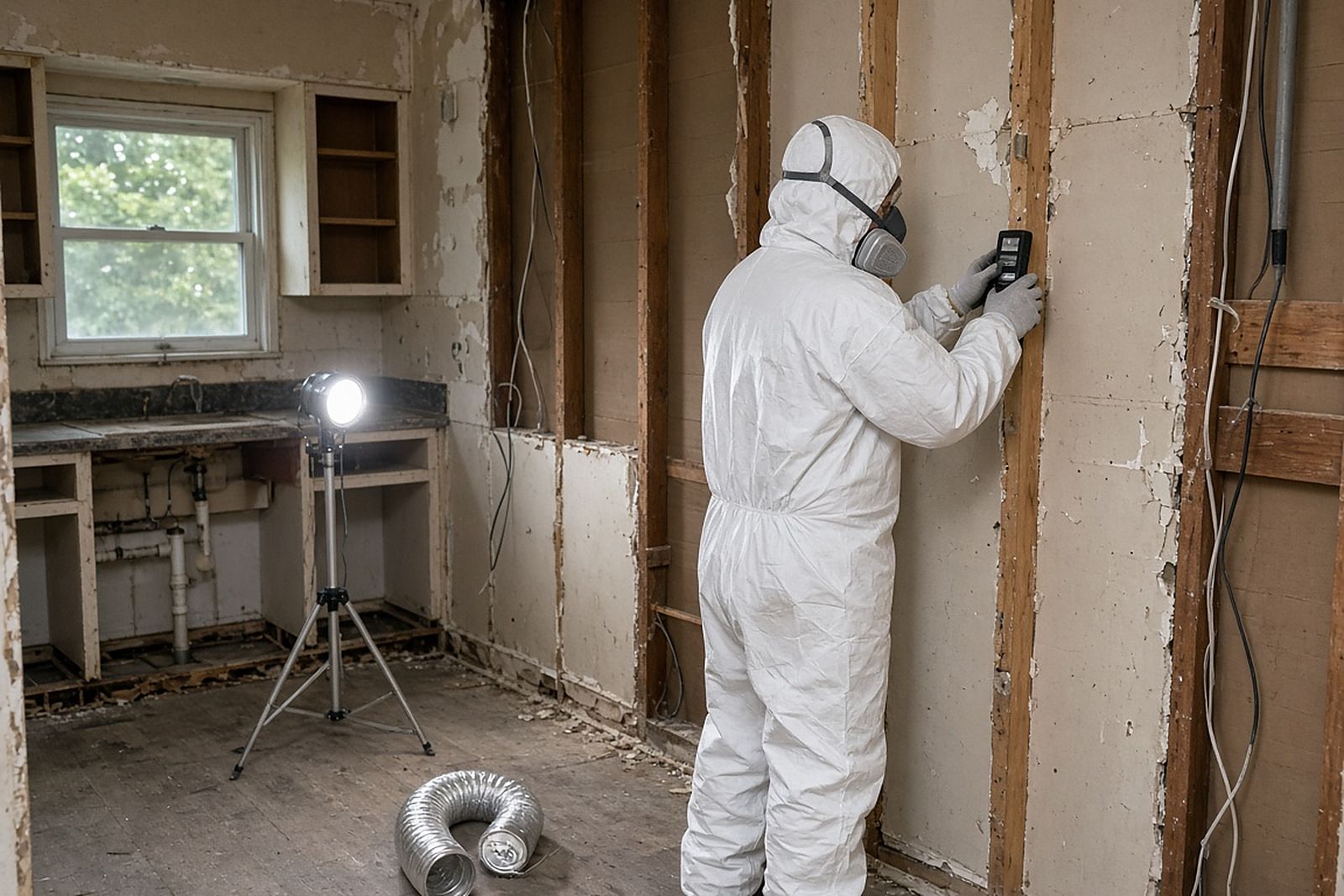
Technician in a respirator checking exposed studs in a gutted kitchen with a work light and duct

Facts worth knowing

  • In one Australian family living in a former meth lab, the 7-year-old's hair held 460 picograms of meth per milligram, versus 17 for the mother and 5 for the father.

    Why it matters: Young children may absorb far more residue than adults, so consider keeping your children out until the home tests clean.

    Source: CDC MMWR, 2016

  • Washington State requires meth-contaminated properties to be cleaned down to 1.5 micrograms of meth per 100 square centimeters of surface.

    Why it matters: If your property is in Washington, ask for final test results at or below this level; other states often use stricter limits.

    Source: Washington State Department of Health, 2025

  • Oregon meth lab cleanups, as reported by Ohio's health department in 2016, averaged $6,500 per 1,000 square feet plus a $1,400 up-front assessment.

    Why it matters: Expect to pay for testing before cleanup starts, and treat these older figures as a rough guide, not a quote for your property.

    Source: Ohio Department of Health, 2016

Tools that help right now

What would you do?

Poll results

Vote to see how other people answered. You can change your answer at any time.

Your experience

If a house you wanted had a documented lab cleanup that passed clearance, what would you most likely do?

Be the first to vote
Industry

Which factor would you weigh most when choosing a meth cleanup contractor?

Be the first to vote

Need help in Washington?

Send a short message about the property to the follow-up inbox. A coordinator can reply by email with next steps.

Your request is sent to the follow-up inbox. A coordinator can reply by email.

If anyone is hurt or in danger, call 911 first.